How Are Decaf Coffee Beans Made? Does Decaf Coffee Still Contain Caffeine? What Does Decaf Coffee Taste Like?
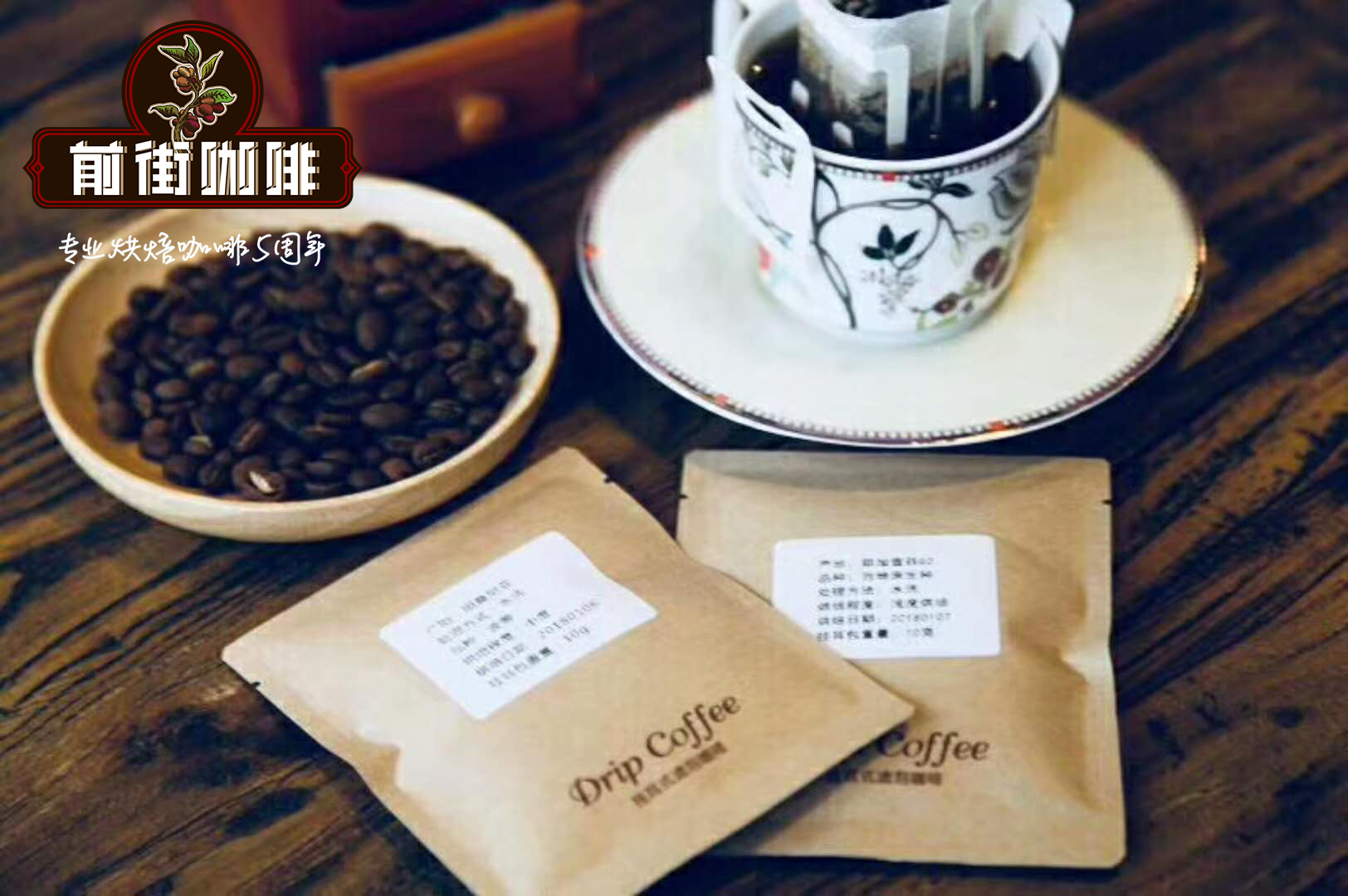
What Are Decaffeinated Coffee Beans?
Decaffeinated coffee beans, as the name suggests, contain only trace amounts of caffeine.
Arabica beans usually hold 1.1% to 1.7% caffeine, while Robusta beans hold 2% to 4.5%. Decaffeinated coffee is defined as brewed coffee with no more than 0.3% caffeine, which means a cup of decaf contains no more than 5 milligrams of caffeine.
How Are Decaffeinated Beans Made?
First, a quick comparison: on the left are typical decaffeinated green beans, and on the right are ordinary, untreated green beans. The color gives them away, because decaffeination must happen while the beans are still green. There are three main families of methods today - the traditional/European process, the Swiss Water Process (SWP), and the supercritical carbon dioxide process (CO2 process). All three remove most of the caffeine, leaving only 2-3% of the original amount.
The European, or Solvent, Process
The solvent method comes in two forms. In the direct version, steam first opens the pores of the green beans, and a solvent is then applied directly; once the solvent binds the caffeine, steam carries it away. In the indirect version, the flavors of the green beans are first drawn into hot water (a theoretical step - not every compound actually dissolves). After a while, the beans are separated from that water, which now holds the "full" flavor profile, caffeine included. A solvent that attracts caffeine is then added to the water; the caffeine binds to it and floats to the surface, where it is easily removed. The caffeine-free water is then returned to the beans, which reabsorb the remaining flavor compounds.
The Swiss Water-Only Process
This commercially developed, highly efficient method has two main stages. In the first, green beans are poured into hot water, which draws out nearly all their flavor compounds, caffeine included; that first batch of beans is then discarded. The water, now carrying the full flavor profile, is passed through activated carbon to strip out the caffeine, leaving behind water saturated with pure flavor compounds. In the Swiss Water Process, this is called "flavor-charged water." It holds the saturating flavors a green bean should have - everything except caffeine - and it becomes the key medium for the rest of the process.
When a new batch of green beans is soaked in flavor-charged water that is already saturated with flavor compounds but free of caffeine, the beans release caffeine into the water without giving up their flavor. Their original character is largely preserved. Because the flavor compounds in the water are already near saturation, they cannot take on more; there is still plenty of room, however, for caffeine.
Once the beans have been decaffeinated while keeping their flavor, they are dried and sold. The flavor-charged water that absorbed the caffeine can be filtered again through activated carbon and reused.
The Supercritical Carbon Dioxide Process (CO2 Process)
In the CO2 process, green beans are soaked in liquid carbon dioxide. Under high pressure, carbon dioxide takes on a state that is part gas and part liquid. In that state it binds readily with caffeine, and the caffeine is later filtered out through a suction-type activated carbon filter.
In Summary
Whichever method is used, the extracted caffeine is sold on to cola or pharmaceutical companies, so none of it is wasted. As for flavor, most decaf beans tend to taste a little flat, having lost some of the coffee's own aroma and distinctive fruit notes. You cannot have it both ways - if decaf is what you need, a little flavor is the price.
FrontStreet Coffee Recommendation
Since a gentler cup is usually what decaf drinkers are after, a good place to start is FrontStreet's Yunnan Small Bean. Sourced from the Baoshan region, processed washed, and roasted medium, it delivers soft nut and chocolate sweetness with a light plum acidity - mellow, easygoing, and friendly to anyone new to single origins.
If you prefer a fuller, more classic profile, FrontStreet's Washed Huila is worth a try. Grown above 1,800 meters in Colombia's best-known coffee province, it shows black chocolate, cream, hazelnut, and toffee, with a rich, sweet, low-bitterness cup that works just as well as pour-over, a drip bag, or cold brew.
Important Notice :
FrontStreet Coffee is a long-established specialty coffee roaster in Guangzhou China, selling freshly roasted beans from its own farm in Yunnan as well as dozens of carefully selected single-origin beans from around the world for both pour-over and espresso. The products deliver consistently excellent quality and great value, with shipping within 24 hours. Guangzhou's FrontStreet Coffee shop is recommended by many coffee lovers, and the beans are now available online at the Tmall 。
FrontStreet Coffee has moved to a new address:
FrontStreet Coffee Address: 315,Donghua East Road,GuangZhou
Tel:020 38364473
 Scan and follow the En Gafei WeChat official account. Please indicate that the reprint comes from "En Gafei".