What's the Difference Between Single Origin and Blend Coffee Beans? Can Blend Beans Be Used for Pour-Over?
Single Origin Coffee Beans vs. Blend Coffee Beans
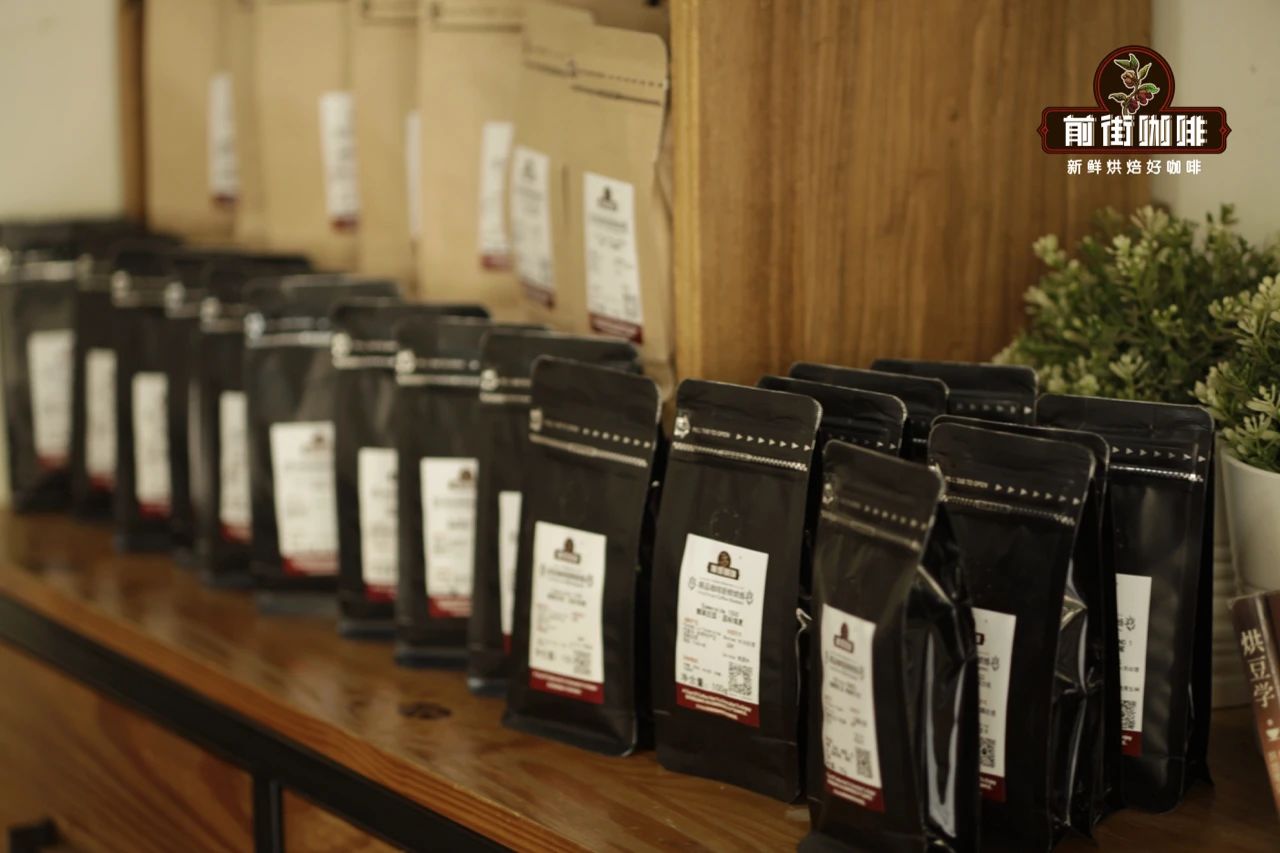
We often assume that single origin coffee beans suit pour-over methods like hand-drip, while blend coffee beans are meant for espresso. That held until someone used single origin beans for espresso, which we now call SOE (Single Origin Espresso). It is still rare, though, to see blend coffee used for pour-over.
Understanding the Difference Between Single Origin and Blend Coffee Beans
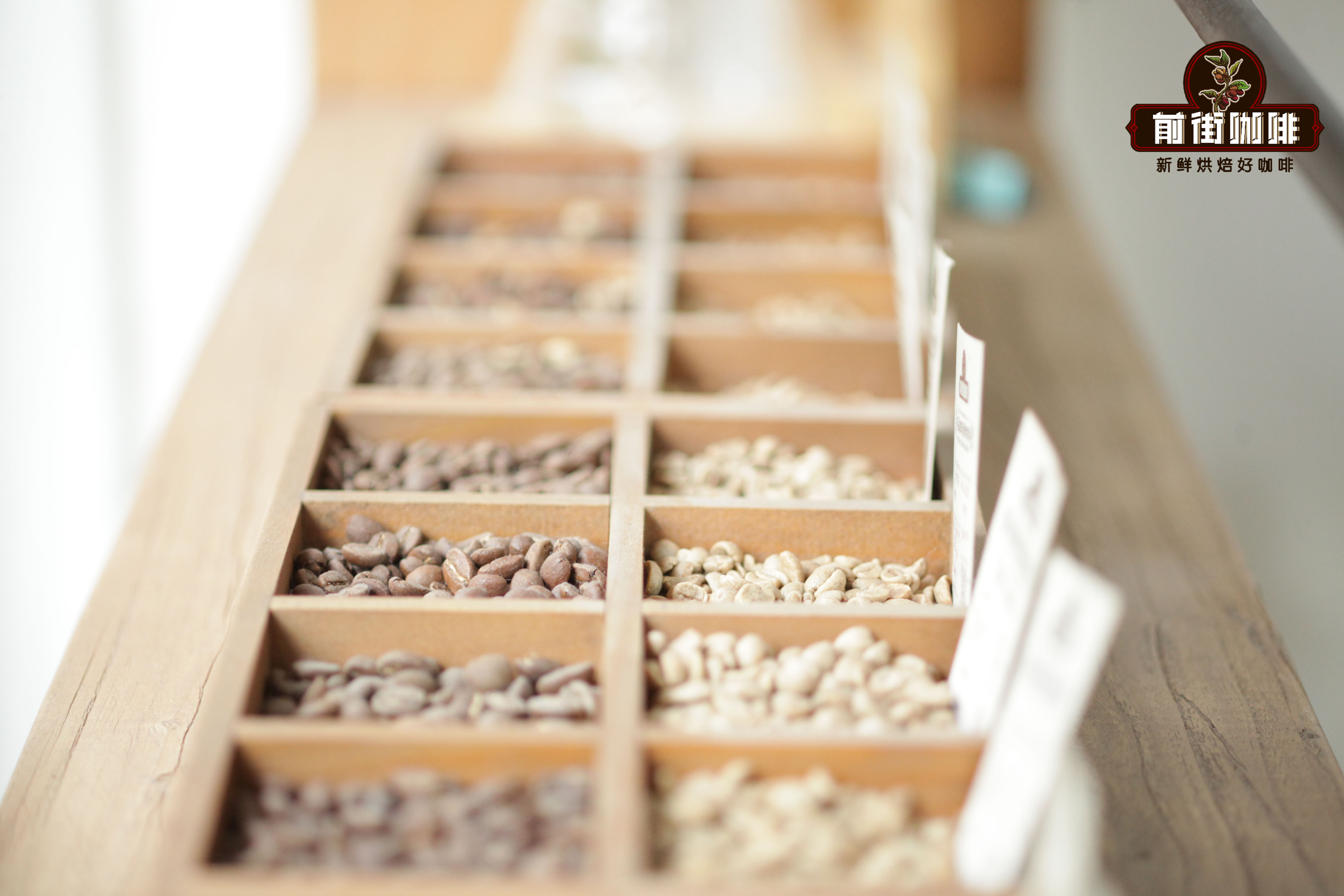
Single origin coffee beans means beans from a single origin. Although many baristas and coffee shops use the term "single origin coffee," the name can easily be misunderstood to mean beans of a single variety. FrontStreet Coffee prefers to call them single origin coffee beans, though both terms are acceptable. The characteristic of single origin coffee is just like Erna Knutsen's concept of specialty coffee: because of its single origin, it has distinct regional flavor characteristics, such as the berry-like acidity of Kenya, the herbal spiciness of Indonesia, or the citrus and white flower notes of Yirgacheffe.
Blend coffee beans means beans mixed from multiple regions. The main purpose of a blend is to maintain stable flavor and balanced taste. Because coffee beans are always an agricultural product, their flavor can be unstable year to year due to climate and environmental issues - sweeter this year, not as sweet next year. By mixing several types of coffee beans together, this problem can be solved, ensuring that the coffee flavor tastes consistent from one year to the next.
Many people believe that blend beans were created to reduce costs and are inferior in flavor to single origin beans. Admittedly, commercial cost is indeed one factor in blend coffee, but not the main one. In fact, it is about roasters or baristas wanting to use the characteristics of coffee from different regions to create a unique flavor or a balanced taste. To build a recipe coffee, one must first taste coffees from different origins and have a deep understanding of coffee flavors in order to construct a delicious recipe.
Can Blend Beans Be Used for Pour-Over Coffee?
The rise of single origin has often made everyone overlook the charm of blends. Blend beans are frequently labeled with stereotypes like espresso beans, strong, poor quality, or predominantly roasted flavors. What does blend actually mean? Unlike single origin, blending means mixing multiple different coffee beans together. Here, "different" usually refers to different producing regions. For example, FrontStreet Coffee mixes Colombia with Brazil to create a specialty blend, or it can mean different processing methods. Many coffee shops mix washed beans with natural processed beans, both to maintain the cleanliness of washed coffee and to carry berry-like undertones.
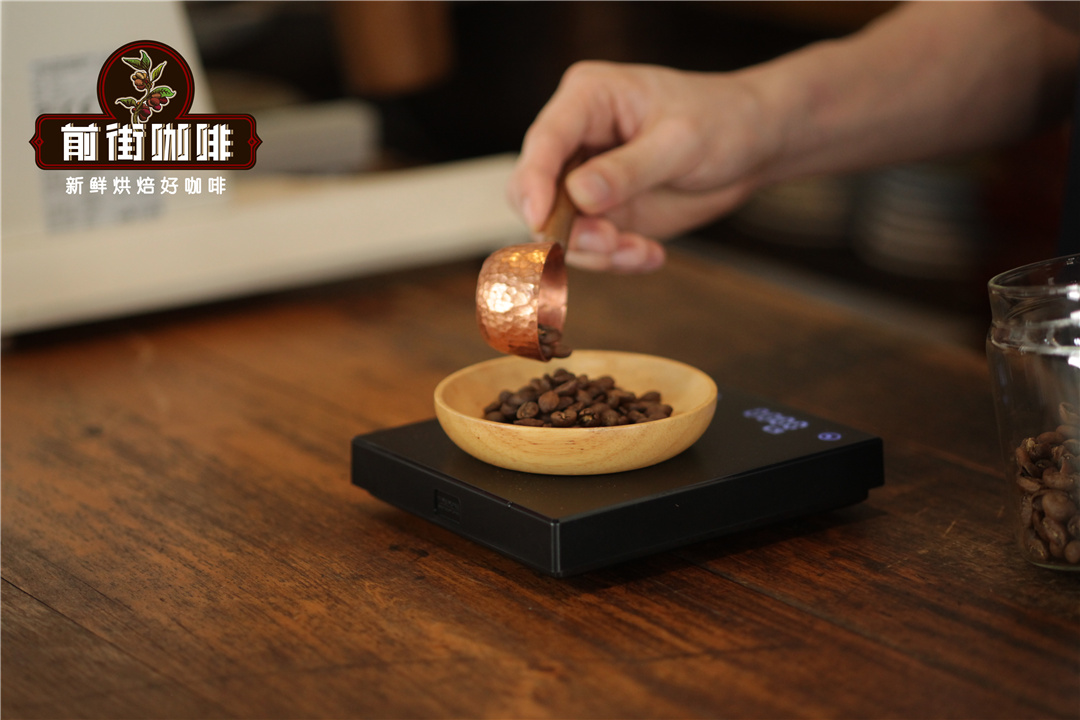
What is the purpose of blending? Why mix different coffee beans? This might be one source of the stereotypes. Traditional blending has several purposes: one is to create a stable flavor recipe. By mixing different coffee beans together, the importance of each individual bean is diluted. When one type in the blend is out of stock or doesn't meet flavor expectations, it can be quickly replaced with another. The second is cost reduction. As mentioned, different beans are mixed together, so the presence of each type becomes less obvious. Then, by mixing in a small amount of lower quality beans and using a darker roast, the cost can be reduced.
With the development of specialty coffee, however, blending has gained another purpose. Many coffee brands blend different beans to create flavors that single origins don't have. On the stage of the 2016 World Barista Championship, Yuki Iwase from Japan used a blend of two coffee beans as his competition coffee. He preferred to call it "interweaving coffee" rather than "blend coffee," because the focus is not on covering or modifying the shortcomings of several base beans, but on highlighting higher levels and balance by stacking their respective advantages.
So blend coffee is just one form of coffee that mixes coffees together. Blend coffee beans can certainly be used for pour-over. FrontStreet Coffee mixed a Honduras Sherry Barrel coffee with natural processed Yirgacheffe to create its "Warm Sun Blend." The Sherry Barrel beans have an obvious oak-barrel aroma reminiscent of wine, while the natural processed Yirgacheffe gives the blend more acidity. Used for pour-over, this blend has a more balanced base tone, with wine notes, dark chocolate, and citrus acidity.
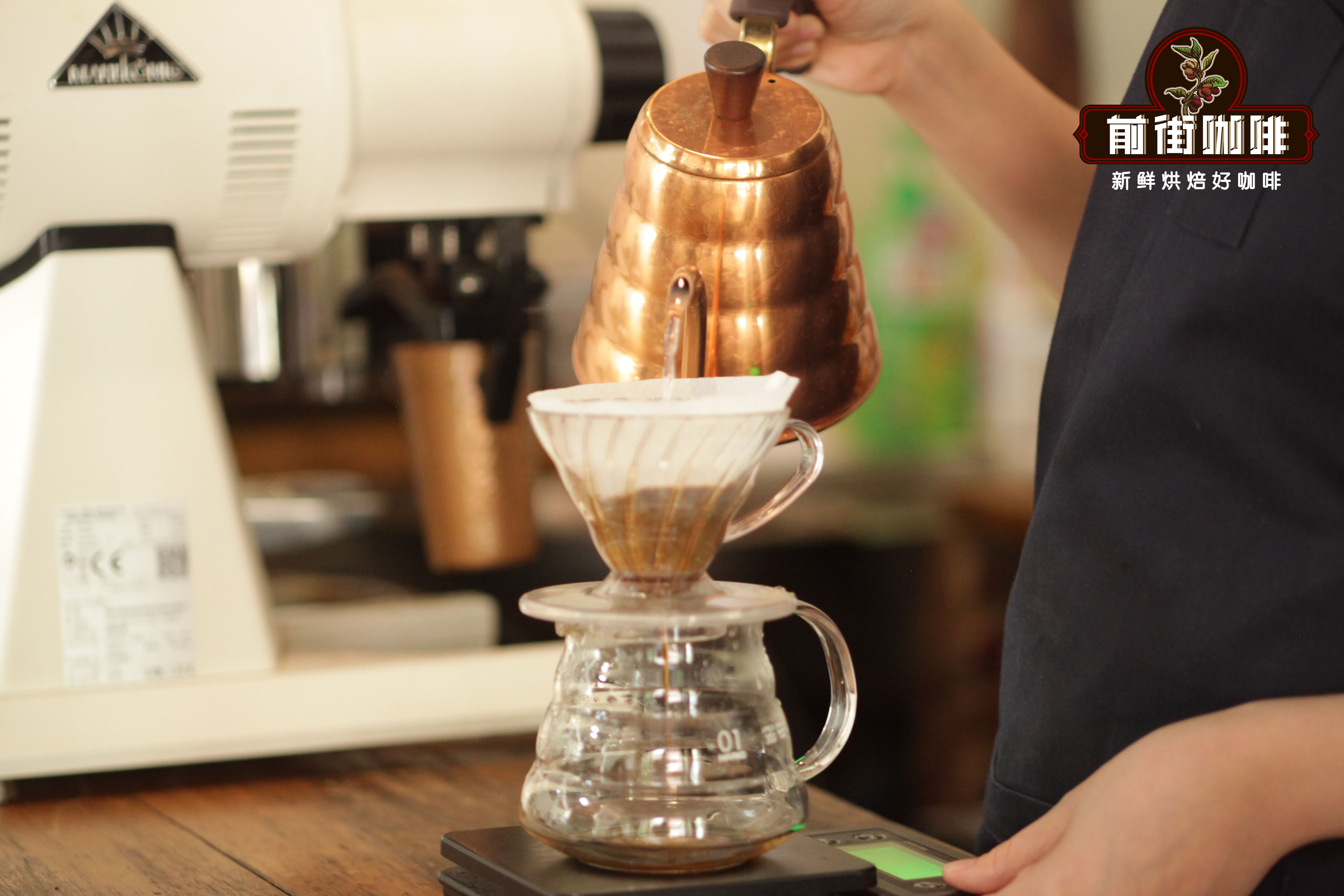
How to Create Your Own Pour-Over Blend Coffee Beans?
Have you ever tried this? You ordered several bags of single origin coffee beans online, and when each bag had less than one brew left, you mixed them together out of a spirit of not wasting anything - and sometimes surprisingly good flavors emerged. Although this blending wasn't your original intention, you accidentally created a delicious pour-over blend recipe.
In conversations with customers, FrontStreet Coffee has found that many have the habit of mixing 2-3 types of coffee beans for pour-over, which can complement each other's advantages and achieve the desired flavor and mouthfeel. Of course, FrontStreet Coffee will also share some personal insights on DIY blending.
Try to use coffee beans with similar roast degrees when mixing. Darker roasted coffee easily overwhelms lighter roasted beans. For example, blending medium-roasted nutty-toned beans with light-roasted fruity-toned beans will leave the final flavor leaning toward nutty characteristics and make the flavors hard to coordinate.
For blend ratios, a 7:3 or 6:4 main-to-auxiliary ratio is recommended. First determine the main flavor tone, then add auxiliary beans to fill the gap you think this bean lacks. For example, if we want the blended coffee to be delicate and floral, we can use Panama washed Geisha as the base tone, but if we also want fuller berry flavors and texture, we can mix in beans like natural Sidamo.
FrontStreet Coffee Recommendation
Whether you drink your coffee as a single origin or use it to build a blend, FrontStreet Coffee roasts fresh beans for both approaches. Its washed Yirgacheffe is a textbook single origin: white jasmine, bright citrus and lemon acidity, and a tea-like finish at an approachable price, and it is the bean many drinkers start with when they first explore specialty coffee. The Gutingding cooperative lot and the Natural Red Cherry are two other single-origin Yirgacheffes that show the same region through a washed and a natural lens, with the Red Cherry adding tropical fruit, a juicy berry quality, honeyed sweetness, and a creamy body.
Because these Yirgacheffe beans carry such clean, distinct regional character, they are also excellent material for the DIY blending this article describes: pair one as the base tone and add an auxiliary bean to fill in the texture or fruit you want. If you would rather leave the recipe to the roaster, FrontStreet Coffee's own Warm Sun Blend already does the work for you, layering oak-barrel wine notes with dark chocolate and citrus acidity.
Important Notice :
FrontStreet Coffee is a long-established specialty coffee roaster in Guangzhou China, selling freshly roasted beans from its own farm in Yunnan as well as dozens of carefully selected single-origin beans from around the world for both pour-over and espresso. The products deliver consistently excellent quality and great value, with shipping within 24 hours. Guangzhou's FrontStreet Coffee shop is recommended by many coffee lovers, and the beans are now available online at the Tmall 。
FrontStreet Coffee has moved to a new address:
FrontStreet Coffee Address: 315,Donghua East Road,GuangZhou
Tel:020 38364473
 Scan and follow the En Gafei WeChat official account. Please indicate that the reprint comes from "En Gafei".