What are the Growing Conditions of Bolivian Coffee Beans - Cenapric Cooperative PB Peaberries?
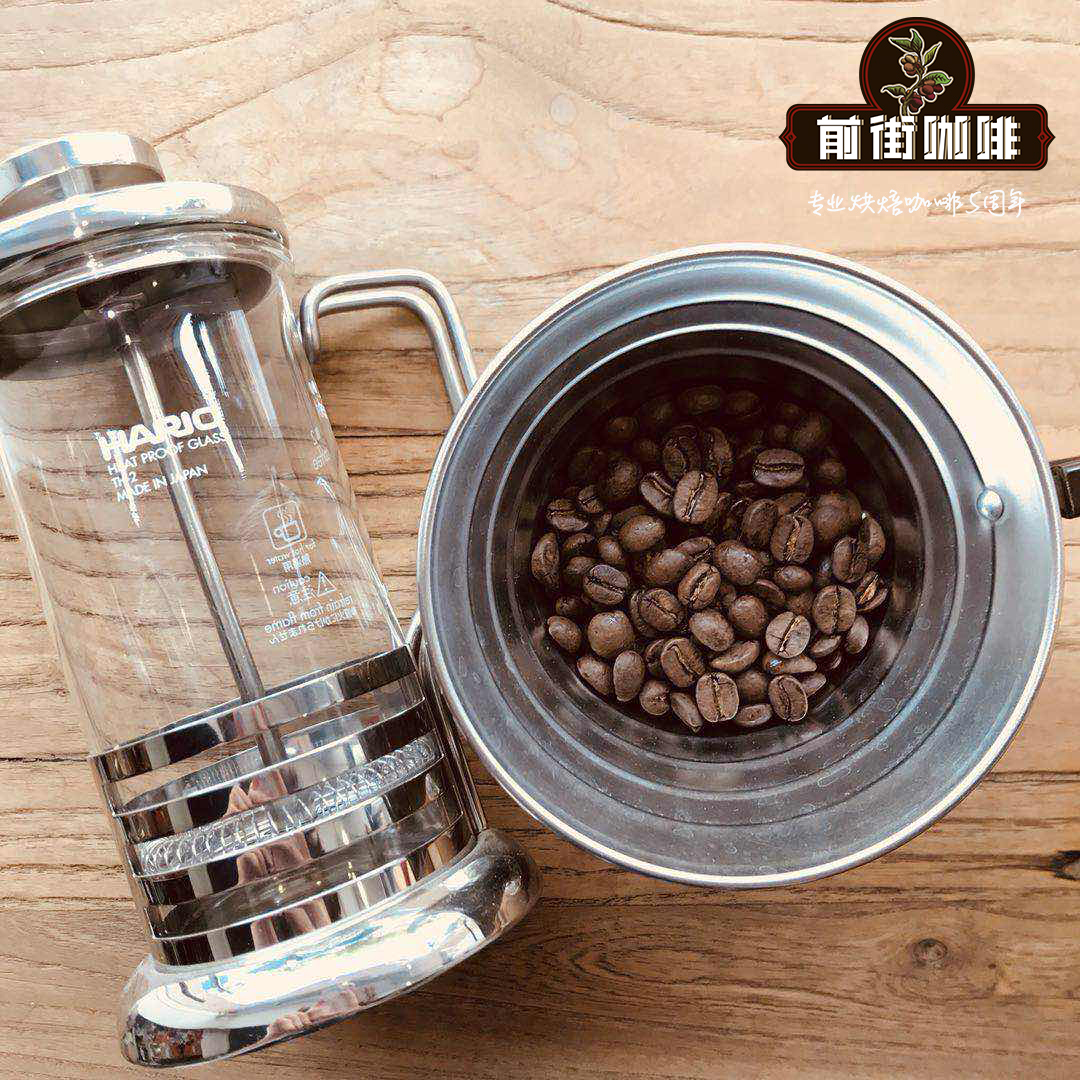
Bolivia Coffee Beans: Growing Conditions of Cenapreco Cooperative PB Peaberry and the V60 Brewing Method
Cenapreco is an excellent coffee cooperative in Bolivia and winner of the 2003 and 2004 coffee competitions. It has consistently maintained excellent quality, and coffee from Cenapreco farmers always ranks among the top 10 in competitions. This time we introduce the Cenapreco cooperative certified by the Fair Trade Association, with coffee grown at the Montana coffee farm at an altitude of 4,600 to 6,000 feet. The farm sits in a humid subtropical primitive forest with rich soil, and the coffee is hand-picked when ripe.
Bolivia's Coffee Industry Development
Bolivia's coffee industry only began to develop in the 1950s, and for a long time the country mainly produced low-quality coffee at cheap prices, with little standing in the specialty market. That changed with the involvement of Marcos Moreno. Born into a Panamanian coffee family, Marcos Moreno moved to Bolivia and invested in coffee in the town of Yungas in the southwestern mountainous region, which was emerging as a specialty producer. Because high-quality coffee production can effectively raise producers' incomes, Marcos devoted himself to helping local farmers create high-quality coffee. He believed that producing excellent coffee in Bolivia required planting the traditional Typica variety.
Bolivia's Unique Coffee Growing Environment
Bolivia is known as the ancient highland country, and its main coffee-producing areas lie on plateaus above 2,000 meters. Most coffee is processed and marketed through cooperatives formed by small farmers. In the early days, coffee was mainly washed Arabica; in recent years, production has centered on Typica and some Caturra. Coffee from Bolivia, in South America, has great potential, but transportation and distribution problems mean seasonal coffee often cannot be shipped out, so it is rarely seen on the market. That same problem has helped Bolivian coffee maintain traditional organic farming methods. The Netherlands, Finland, Germany, and other Nordic countries are its largest markets.
The Excellence of the Cenaproc Cooperative
This is also a coffee known for its excellent flavor, and the high-altitude environment needed for quality coffee is provided by the unique conditions of the Andes. With USAID assistance, Marcos established a coffee processing plant outside the town of Caranavi. This regional cooperative is named Cenaproc. It buys coffee cherries from small farmers around the town, processes them, and ships them through the capital, La Paz, to Peru for export. Here, the drying work before transport is key to quality: located in South America's interior, Bolivia can carry out the drying in Caranavi first, allowing the coffee's sweet, bright essence to emerge. Cenaproc is a Fair Trade–certified cooperative in Caranavi, made up of about eighty-five small coffee farmers who use natural forest shade and organic farming methods. In 2004, it first shone in the COE competition by taking the top three places and fifth place, and it has maintained stable, outstanding performance ever since.
Characteristics of Bolivian PB Peaberry
Bolivia's PB peaberry has a style similar to Costa Rican peaberry — both are characterized by fruity sweetness — but the Bolivian peaberry adds a layer of refreshing delicacy and gentle elegance. Unlike African peaberries, which have strong, powerful acidity, Bolivian peaberry has a rich, complex, varied mouthfeel. It is not stunningly eye-catching but rather a comfortable, calming, elegant coffee.
Bolivian peaberry beans present uniform size and consistent color.
Roasting Profiles and Flavor Characteristics
Light roast (City, fragrant): This is the most elegant expression of Bolivian PB peaberry. After grinding, the aroma presents a sesame note. During the wait after the first pour (letting the coffee fully moisten for about 20 seconds), the wet aroma carries the fruity fragrance of white wine. Acidity is not its strong point and can even be masked and disappear beneath the sweetness. The whole experience revolves around a refreshing, delicate atmosphere, with a finish of wheat-tea and rice-grain sweetness — smooth, gentle, and non-irritating. This reading aptly represents Bolivia as an elegant and mysterious highland country.
Medium-dark roast (general C): It has the pure aroma of chocolate but not intensely, and without bitterness. The sweetness and texture of the milk candy you ate as a child are very obvious here — warm and smooth. After cooling, a faint milky aroma slowly emerges. Because it is a high-altitude peaberry, the beans are dense and can be roasted further to produce a rich caramel flavor, maximizing its best sweetness. Bolivian PB peaberry is a bean with a wide roasting range, and most people enjoy the aroma and sweetness across various roast levels.
Flavor Profile
Aroma: Caramel, tea fragrance, apricot-kernel chocolate, vanilla.
Acidity: Subtle fruit acidity, almost imperceptible.
Mouthfeel: Moderate thickness, richness, and an oily sensation.
Mild, smooth, and easy on the throat, with a pleasant aftertaste.
Specialty: After tasting, you feel a sweet candy sweetness that is not too sweet or cloying, lingering pleasantly for a while and creating a warm, sweet feeling.
FrontStreet Coffee Recommended Brewing
Dripper: Hario V60
Water Temperature: 88°C
Grind Size: Fuji Royal grinder setting 4
Brewing Method: Water-to-coffee ratio 1:15, with 15g of grounds. First pour 25g of water and bloom for 25 seconds. Second pour to 120g, then stop. Wait until the water level in the coffee bed drops by half, then continue pouring slowly until you reach 225g. Extraction time is about 2:00.
Analysis: The three-stage pour clearly separates the front, middle, and back of the flavor. Because the V60 has many ribs and drains quickly, stopping the pour helps extend the extraction time.
FrontStreet Coffee Recommendation
Bolivian peaberry is prized for its clean sweetness and gentle elegance, qualities that Panama does especially well. If you enjoy this style, the FrontStreet Panama Boquete Gesha is a welcome match. Grown at 1,600 meters on fertile volcanic-ash soil, where clouds and cool nights slow maturation, it delivers the classic Gesha profile of jasmine florals, green tea, honey, citrus, and orange — clean, delicate, and beautifully layered.
For the kind of fruit sweetness and balance that defines a good peaberry, the FrontStreet Diamond Mountain comes from a star brand under Hacienda La Esmeralda, made up mainly of Caturra and Catuai. Its green beans are drawn from two of the estate's independent farms, Jaramillo and Canas Verdes, where the volcanic soil and old-growth forest shade produce beans full of fruit aroma and sweetness. It is, alongside Gesha, one of the estate's most popular independent labels, and its rounded, sweet balance makes it a fine counterpoint to a Bolivian peaberry.
Important Notice :
FrontStreet Coffee is a long-established specialty coffee roaster in Guangzhou China, selling freshly roasted beans from its own farm in Yunnan as well as dozens of carefully selected single-origin beans from around the world for both pour-over and espresso. The products deliver consistently excellent quality and great value, with shipping within 24 hours. Guangzhou's FrontStreet Coffee shop is recommended by many coffee lovers, and the beans are now available online at the Tmall 。
FrontStreet Coffee has moved to a new address:
FrontStreet Coffee Address: 315,Donghua East Road,GuangZhou
Tel:020 38364473
 Scan and follow the En Gafei WeChat official account. Please indicate that the reprint comes from "En Gafei".