Flavor and Taste Characteristics of Ethiopian Coffee Beans - Is Yirgacheffe Coffee Expensive and Delicious?
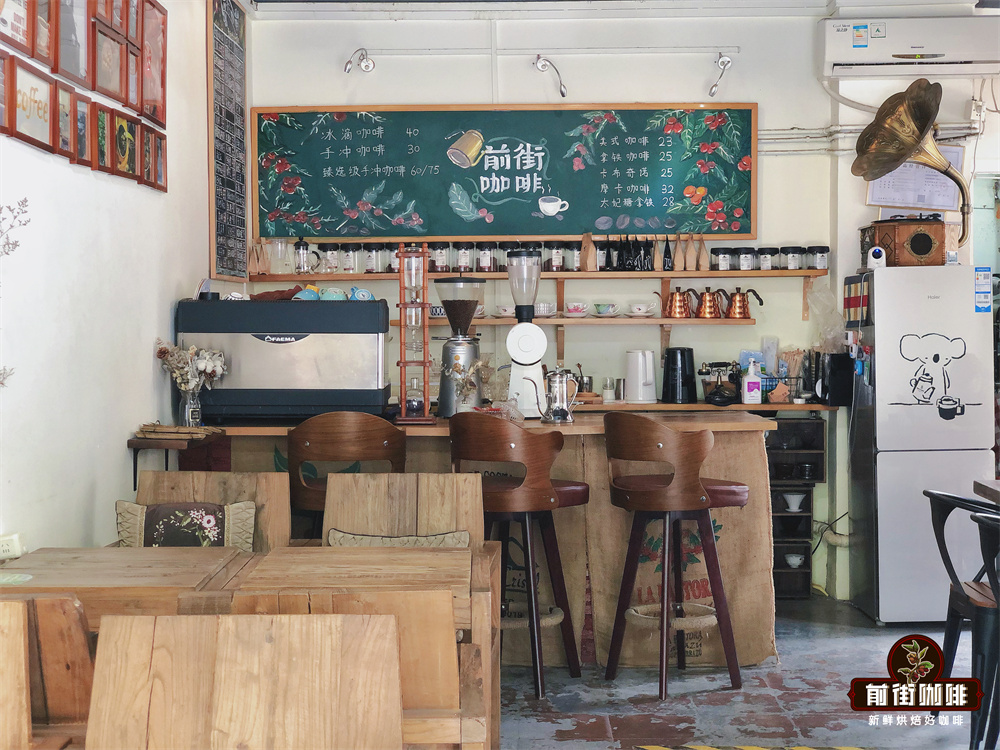
An Introduction to Yirgacheffe Coffee for Beginners
As a newcomer to specialty coffee, do you feel overwhelmed when choosing beans? If you want to quickly understand the flavor layers in coffee but cannot yet accept bitterness, FrontStreet Coffee recommends starting with the washed Yirgacheffe coffee beans from FrontStreet Coffee's daily bean series.
FrontStreet Coffee has launched a series of beans that showcase the characteristic flavors of seven major coffee-producing regions, available at 25 yuan per 100g, to share with everyone. This is especially for those who are new to specialty coffee but worry about wasting money on expensive beans that don't suit their taste. Although they are called daily beans, this does not mean the beans in this series are of poor quality. After all, they are the gateway to introducing people to specialty coffee, and the series plays a crucial role in determining whether someone will like beans from a particular region.

Understanding Regional Flavor Characteristics
Regional flavor refers to how coffee beans, regardless of variety or processing method, express flavors that represent a particular area because of the local terroir where they are grown. For example, whenever people taste coffee with citrus fruit acidity, they think of beans from Ethiopia's Yirgacheffe region; when they taste coffee with herbal spice and rich flavors, they think of coffee from Indonesia's Sumatra. FrontStreet Coffee recommends starting with Ethiopian washed Yirgacheffe because this coffee is not too acidic and low in bitterness, making it easier for everyone to learn and recognize the flavor layers in coffee.
The Origin and Development of Yirgacheffe
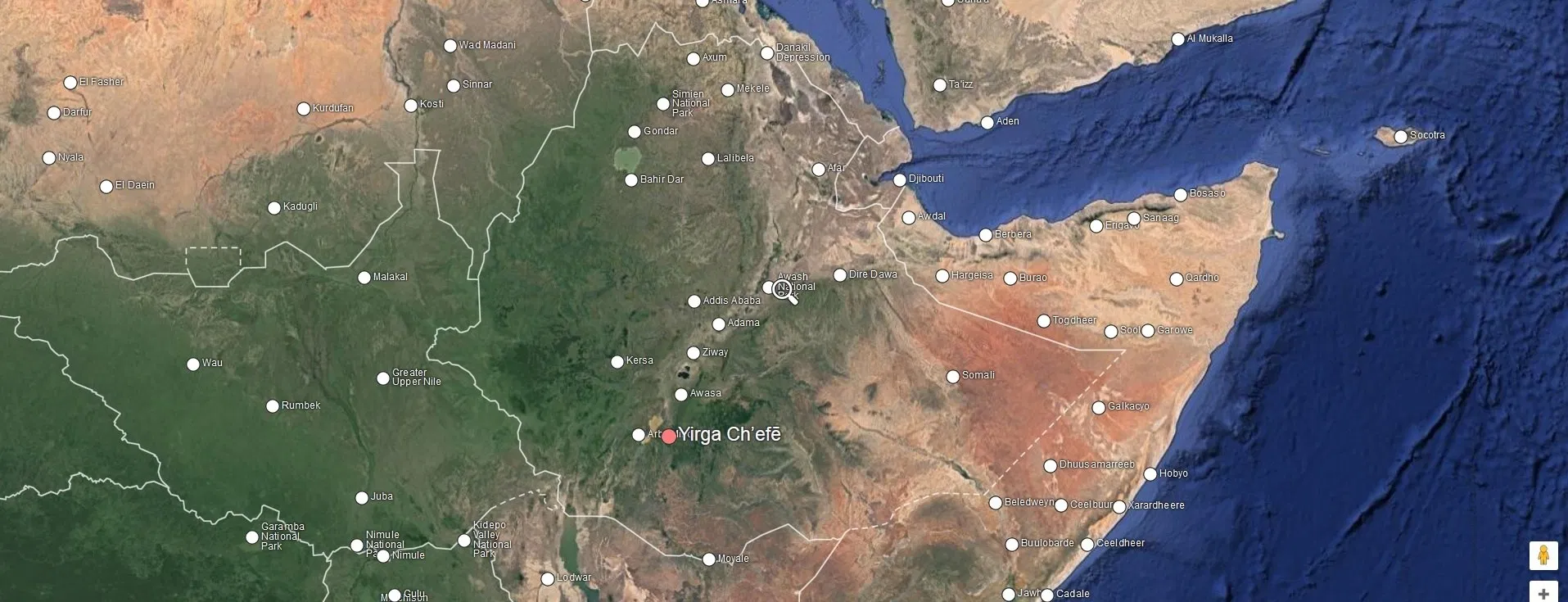
The Yirgacheffe origin is located in southern Ethiopia, meaning "natural wetland" in the local language. The region was originally part of another famous Ethiopian coffee-producing area, the Sidama region, and was a small town within the Sidama coffee region. But because the coffee produced annually in Yirgacheffe town has unique floral aromas and citrus fruit acidity, in 2010 the Ethiopia Commodity Exchange separated the Yirgacheffe region from Sidama, forming the Yirgacheffe region everyone loves today.
Coffee Processing in Yirgacheffe
Since Yirgacheffe town is not large, most people here grow coffee trees in their backyards. After harvesting, the cherries are sent to nearby coffee cooperatives for collective processing and exported under the cooperatives' names. At the same time, because the town has abundant water resources, there is enough water to wash-process the cherries, producing higher quality and cleaner acidity. That is why many cooperatives in the Yirgacheffe region are famous for washed coffee, such as the Kochere Cooperative and the Worka Cooperative.
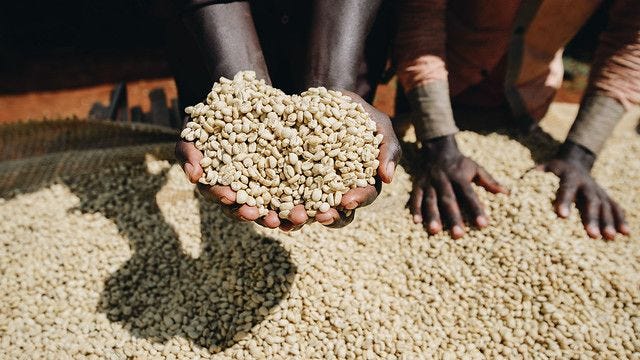
Of course, the town also produces natural-processed beans and the special-processing beans that are popular now. Compared with washed coffee, natural-processed beans have fuller flavors and a slight fermentation aroma, while special processing methods emphasize certain coffee flavors.
Ethiopian Coffee Varieties
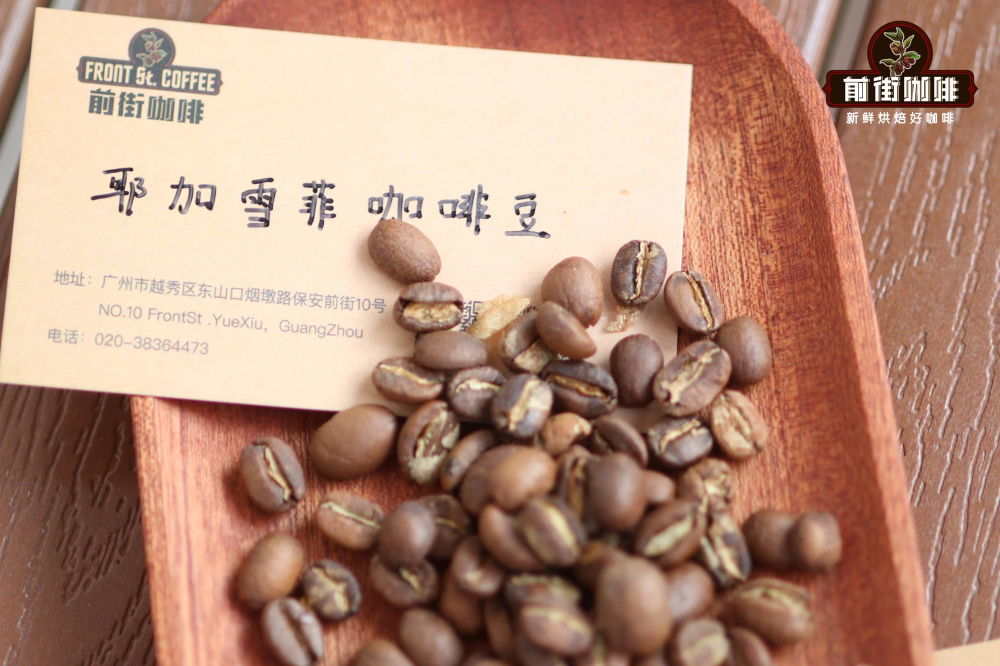
As the birthplace of all coffee varieties, Ethiopia has numerous local coffee varieties, some confirmed, some unconfirmed, and some protected and not publicly disclosed. Coffee grown in Ethiopia is therefore rarely planted as a single variety; most are mixed together, planted and harvested together. As a result, beans from this region, apart from individual specific varieties, are collectively called Ethiopian Heirloom. Because varieties also differ in bean size, another characteristic of Ethiopian coffee is its uneven bean size.
FrontStreet Coffee's Yirgacheffe Selection
FrontStreet Coffee's Yirgacheffe region coffee includes not only the washed Yirgacheffe mentioned at the beginning of this article, but also natural red cherry coffee from the Aletaland Cooperative, washed coffee from the Kochere Cooperative, and washed coffee from the Worka Cooperative. To preserve Yirgacheffe's unique floral aromas and citrus fruit acidity, FrontStreet Coffee uses light roasting, retaining most of the acidity while bringing pleasant sweetness. So everyone can experience the charm of freshly roasted beans, all coffee is shipped within five days after roasting when you order online.
Brewing Recommendations
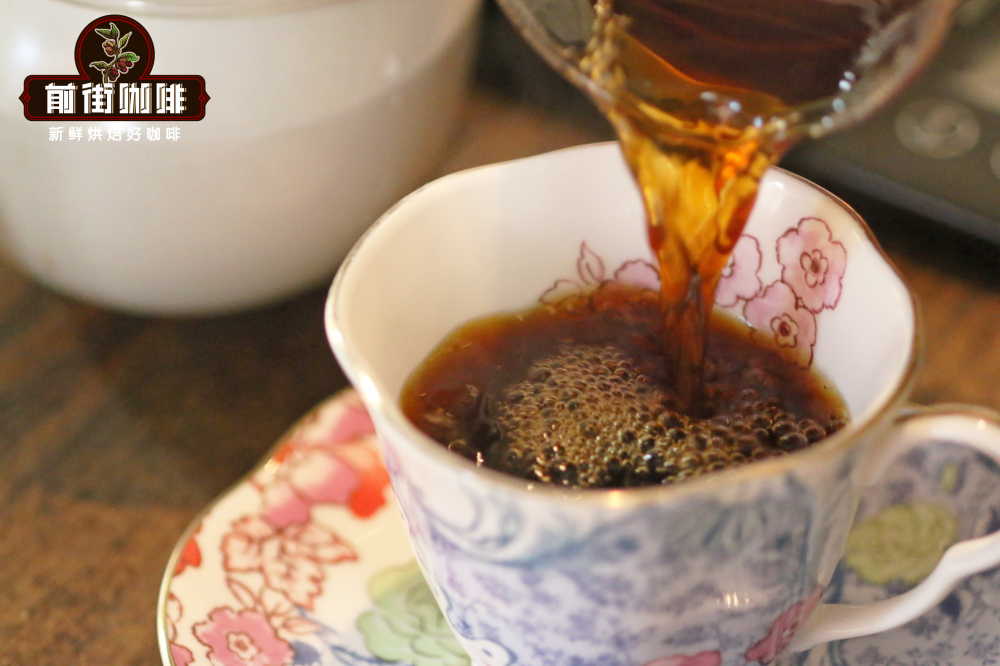
When brewing Yirgacheffe beans, FrontStreet Coffee recommends a higher water temperature and a grind size similar to fine sugar (80% pass rate through a China No. 20 standard sieve), with water at 90-91°C. The recommended brewing ratio is 1:15, and the recommended technique is a three-stage pour.
Three-Stage Pouring Method
Start the timer. First pour to 30g of water and bloom for 30 seconds; then begin the second stage with a small stream in circular motions to 125g, wait until the water level in the coffee bed drops to half before pouring again, then continue with a small stream in circles to 225g. After complete drip filtration, total extraction should be around 2 minutes 00 seconds to 2 minutes 10 seconds.
Brewing Flavor Profiles
FrontStreet Coffee Daily Bean Washed Yirgacheffe Coffee Brewing Flavors: Jasmine, berries, lemon, citrus
FrontStreet Coffee Aletaland Cooperative Natural Red Cherry Coffee Brewing Flavors: Berries, strawberry, lemon, fermentation aroma
FrontStreet Coffee Worka Cooperative Washed Yirgacheffe Brewing Flavors: Lemon, plum, pomelo, ginger flower, Tieguanyin
FrontStreet Coffee Kochere Cooperative Washed Coffee Brewing Flavors: Lemon, black tea, orange blossom, fruity sweetness
FrontStreet Coffee Recommendation
If you want a single bag that captures the classic Yirgacheffe profile, FrontStreet Coffee's washed Yirgacheffe daily bean is the first choice for newcomers to Ethiopian coffee. It is known for white jasmine, bright citrus and lemon acidity, and a tea-like body, and its accessible price has made it the first specialty coffee for many drinkers. Enjoy it with a V60 at 90-91°C, using 15g of coffee, a 1:15 ratio, and a grind close to fine sugar, finishing with a three-stage pour at about 2:00 to 2:10.
For a step up within the same region, FrontStreet Coffee's Gudingding Cooperative was founded in 2012 by around 300 member farmers in the Worka area and has become one of the most representative washed Yirgacheffe coffees. By removing the pulp before drying, it lets the bean's own aromatics come through more clearly, giving citrus and lemon notes with elegant white florals and a bright, delicate overall profile. And if you want to try the natural side of Yirgacheffe, FrontStreet Coffee's natural Red Cherry uses only fully ripe, defect-free cherries, sun-dried on raised beds with frequent turning, for a cup with citrus acidity, berry juice, honey sweetness, and a creamy smoothness.
Important Notice :
FrontStreet Coffee is a long-established specialty coffee roaster in Guangzhou China, selling freshly roasted beans from its own farm in Yunnan as well as dozens of carefully selected single-origin beans from around the world for both pour-over and espresso. The products deliver consistently excellent quality and great value, with shipping within 24 hours. Guangzhou's FrontStreet Coffee shop is recommended by many coffee lovers, and the beans are now available online at the Tmall 。
FrontStreet Coffee has moved to a new address:
FrontStreet Coffee Address: 315,Donghua East Road,GuangZhou
Tel:020 38364473
 Scan and follow the En Gafei WeChat official account. Please indicate that the reprint comes from "En Gafei".