Ethiopian Coffee Beans Introduction - Ethiopian Coffee Culture - Ethiopian Coffee
Ethiopia: The Heartland of Coffee Culture
Ethiopia is one of the largest coffee producers in the world, yet it exports less than half of what it grows. In other words, it drinks more than half of its own crop. For a population of nearly 100 million, that amounts to roughly 500 million pounds of coffee, a striking figure given that nearly half the population is under 14 years old. By comparison, Kenya consumes only 3% of its production, while Colombia exports more than 86% of its crop.
In Ethiopia, coffee is not only the national drink but also a staple food. A popular expression captures it well: "Buna dabo naw" - "Coffee is our bread."
Coffee is woven into the fabric of the country and is an unmatched part of Ethiopian life. "It's a significant part of the culture," writes the social anthropologist Alula Pankhurst. "It's a symbol of sociality, a metaphor for social relationships, a carrier of spiritual blessings." It is ubiquitous, seemingly everywhere.
Nowhere is this truer than in the Kafa region of the southwest, where Arabica grows wild in the mountainous cloud forests.
Coffee has long been central to Kafa culture and still holds unmatched importance there on many levels. "They consider coffee as their identity," says Mesfin Tekle, a leading local expert on Kafa and its coffee forests.
Some Ethiopians add a little sugar or honey, or salt, or even a piece of butter, but one version of the drink is brewed in a spherical earthenware pot called a jebena over charcoal, poured into small handleless cups and served to everyone.
Drinking buna remains a communal rather than an individual activity. The common phrase for gathering and conversation is "buna tetu," which literally means "drink coffee."
Coffee is also an economic crop. According to Mesfin, 85% of the Kafa people depend directly or indirectly on coffee for their livelihood, including those living in the Kafa lowlands. In the highlands where Arabica grows naturally, the figure approaches 100%.
The Ethiopian Coffee Ceremony
Coffee matters so much to Ethiopians that they spend several hours a day drinking it, and the coffee ceremony is their most important social ritual.
Each ceremony lasts 2 to 3 hours, and it is common for families to hold one 2 to 3 times a day.
It is a whole-family activity, with even children taking part in serving coffee to the elderly.
Guests are often invited, and the conversation can range from politics to local community matters and more.
The coffee is freshly roasted in a pan, ground by hand with a tool similar to a mortar and pestle, and slowly brewed in traditional earthenware over an open flame.
It is poured slowly so that none spills on the ground.
Many people drink it with a spoonful of sugar but never with milk. More water is added to the pot and boiled twice more, so each successive brew becomes weaker.
The Ethiopian Coffee System
Ethiopia is the fifth-largest coffee producer in the world and the most productive in Africa.
Ethiopians drink about half of their national coffee, exporting only 3.5 million bags out of the 6.5 million produced. Coffee is central to these people's lives.
Most of the coffee is grown by smallholder farmers, who can sell through the Ethiopian Commodity Exchange, established by the government in 2008.
The ECX allows small farmers to sell coffee through standardized procedures.
Brewing Recommendations
FrontStreet Coffee suggests the following brewing parameters:
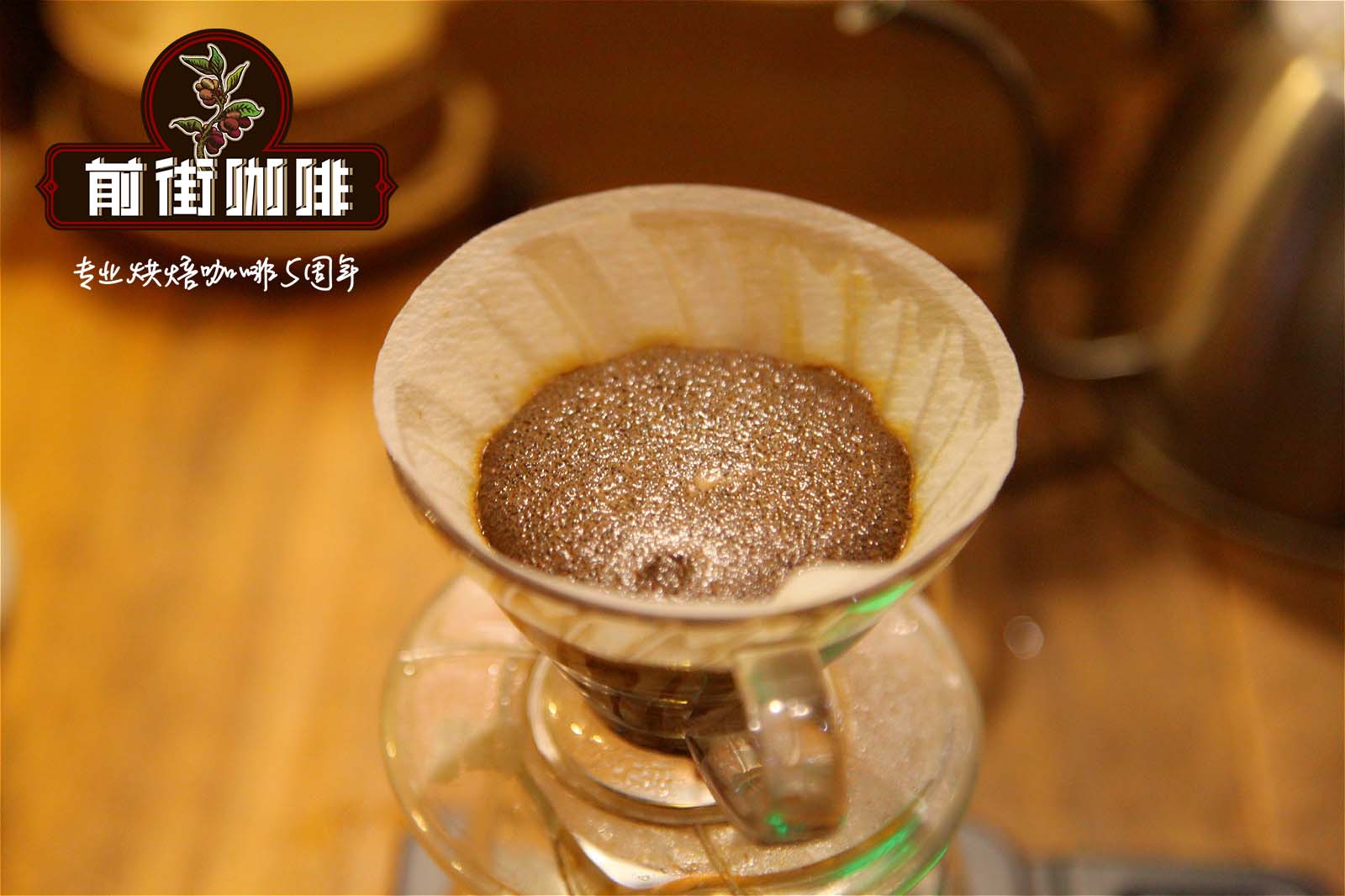
V60 / 90°C / 1:15 / total time two minutes
FrontStreet Coffee Recommendation
To taste a clean, well-balanced washed coffee, start with FrontStreet Colombia Huila. The Huila department, in the southern part of Colombia's central cordillera, is the country's best-known specialty region: surrounded by mountains, planted above 1,500 meters, and fed by the country's most important rivers, which bring abundant water and humidity. FrontStreet's washed Huila is medium-dark roasted, bringing out black chocolate and nutty sweetness with moderate oils and a full body, and it works in pour-over, French press, moka pot and espresso machine alike.
For a more modern, fruit-forward cup, FrontStreet Colombia Finca La Divisa Sidra is processed by anaerobic natural fermentation in a pressure-resistant stainless steel tank, where temperature, time and pH are carefully controlled. A light-to-medium roast preserves the tropical fruit aromatics that develop during oxygen-free fermentation, giving complex notes of passion fruit, grape, apricot and candied fruit in pour-over, cold brew, drip bags or moka pot.
If you have a home espresso machine or a moka pot, FrontStreet's Specialty Espresso Blend is a shop-style formula that combines the creamy, nutty sweetness of Brazilian coffee with the dark chocolate bittersweetness of Colombian coffee. It pulls with a fine golden crema, is rich and smooth with milk in a latte, and also works as the base for americano, cappuccino and mocha.
Important Notice :
FrontStreet Coffee is a long-established specialty coffee roaster in Guangzhou China, selling freshly roasted beans from its own farm in Yunnan as well as dozens of carefully selected single-origin beans from around the world for both pour-over and espresso. The products deliver consistently excellent quality and great value, with shipping within 24 hours. Guangzhou's FrontStreet Coffee shop is recommended by many coffee lovers, and the beans are now available online at the Tmall 。
FrontStreet Coffee has moved to a new address:
FrontStreet Coffee Address: 315,Donghua East Road,GuangZhou
Tel:020 38364473
 Scan and follow the En Gafei WeChat official account. Please indicate that the reprint comes from "En Gafei".