How to Choose Roasted Coffee Beans _ Price Guide for Roasted Coffee _ Differences in Roasted Coffee Beans
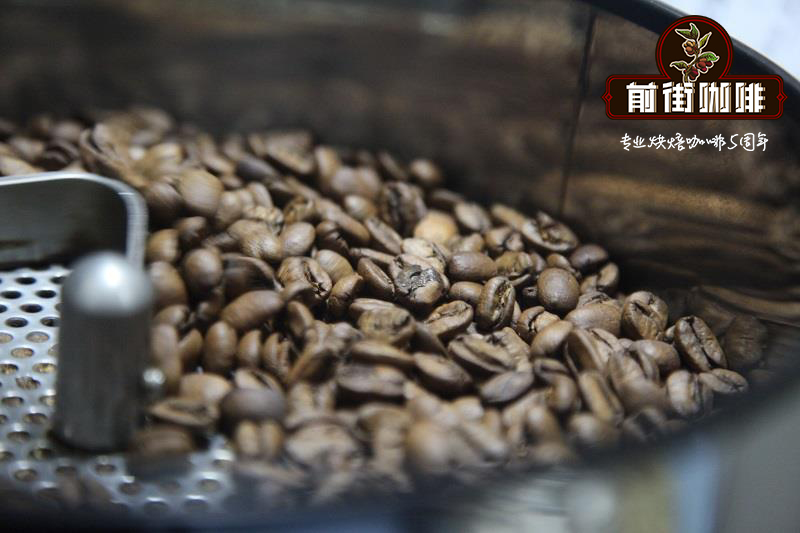
Choosing Quality Roasted Coffee Beans
We often hear friends say: roasted coffee beans? Just buy a bag and brew it - what is there to choose?
In fact, whatever the type of bean, freshness is a key factor in quality. When selecting, chew one or two beans in your mouth. If they are crisp, which tells you the beans have not picked up moisture, and they leave a fragrant aftertaste, they are of superior quality. It is also worth feeling them in your hand to check that they are solid, and avoiding empty shells.
If the beans have lost their aroma or smell stale, they are no longer fresh and are not worth buying. Freshly roasted beans are not meant to be drunk immediately; they should rest for a time - sometimes called awakening, and different beans have different optimal rest periods - so the gases inside can be released. In general, the best drinking window begins about one week after roasting, when the coffee is at its freshest and both aroma and taste perform at their peak.
Purity is another factor. When professionals select coffee, they don't necessarily look at bean size; they instead take a handful of single-origin beans - a few dozen of them - and check that individual beans have consistent color and similar size and shape, so as to avoid inferior products passed off as a blend. For blended coffee, by contrast, differences in size and color are normal. Dark and medium-dark roasts will release oil on the surface, but if lightly roasted beans also release oil, they have deteriorated - which not only reduces richness but also brings astringent and sour tastes. In short, when buying coffee, pay attention to freshness, aroma, and signs of staleness, and buy an amount you can finish within half a month.
Appearance offers a further clue. If the beans look very dark, the cup will almost certainly be very bitter, because the darker color reflects a heavy accumulation of melanoidins and produces a bitter liquid. If the appearance looks yellowish, the beans have likely gone moldy inside, and the bacteria behind it cause chemical changes on the surface that form a yellow shell. If the shell is white, there may be insects developing inside. These are obvious reasons to avoid a lot.
How to Judge Coffee Bean Freshness
Freshness is the most important factor when buying roasted coffee beans. Several steps can tell you whether the beans you bought are fresh:
1. Look: grab a handful of beans and feel with your palm whether they are solid.
2. Smell: bring them close to your nose and check whether the aroma is full.
3. Press: fresh beans are crisp when pressed and release fragrance when they crack. Put a bean in your mouth and bite it twice - a crisp sound means the beans are well preserved and not damp.
4. Color: dark, blackish beans brew into bitter coffee; yellowish beans brew into coffee with a sour taste.
Good vs. Bad Coffee Beans
Good coffee beans: uniform shape, bright color, roasted individually, mellow after brewing, with a strong aftertaste.
Bad coffee beans: inconsistent shape, incomplete beans, light fragrance after brewing, not rich or mellow enough.
Buying Fresh: Practical Advice
Whatever the brand, check the roast date before anything else and buy only enough to finish within half a month. Taste a bean on the spot, keep the bag sealed and away from light, and remember that a bean is at its best in the week or two after roasting, not on the day it was roasted or months later.
FrontStreet Coffee Recommendation
FrontStreet Coffee sells five espresso blends in distinct styles, so there is a cup for almost every taste. FrontStreet Coffee's Premium Blend suits homes, offices, and small specialty cafes: it pairs washed Colombian with semi-washed Brazilian beans for a nut, dark chocolate, and caramel profile with a comfortable bittersweet edge, and it holds a steady shape under milk for latte art. FrontStreet Coffee's Commercial Blend targets all kinds of coffee shops, using the typical Brazilian-Colombian pairing with a small amount of Robusta, which adds toasted bread, almond, and walnut complexity, easy-flowing crema, low acidity, and a full body at a price that works for volume.
FrontStreet Coffee's Black Cocoa Blend, a favorite among many baristas, suits cafes, bakeries, drink shops, and home machines, combining washed Yunnan small-bean coffee with semi-washed Brazilian beans for a ripe plum acidity that grounds a creamy chocolate and cocoa cookie aroma, with a balanced flavor and a golden crema. The Classic Blend is the one to pick if you are new to espresso and learning latte art, or if you run a boutique cafe with a premium feel: it is a medium-dark recipe built from three origins, inspired by the old Mamba combination of Mandheling and Brazil, with a touch of Robusta to lift aroma and crema so that even a beginner can pull a shot with golden crema at home.
Finally, the Strawberry Sugar Geisha blend is for anyone who wants an americano or latte without bitterness. Made from three single-origin coffees, it carries rose floral notes, and both the americano and the latte show grape, dried blueberry, sweet orange, and fruit candy in a genuinely distinctive, highly sweet cup. Whatever you choose, FrontStreet Coffee ships all of its coffee within 5 days of roasting, so the bag arrives close to its peak.
Important Notice :
FrontStreet Coffee is a long-established specialty coffee roaster in Guangzhou China, selling freshly roasted beans from its own farm in Yunnan as well as dozens of carefully selected single-origin beans from around the world for both pour-over and espresso. The products deliver consistently excellent quality and great value, with shipping within 24 hours. Guangzhou's FrontStreet Coffee shop is recommended by many coffee lovers, and the beans are now available online at the Tmall 。
FrontStreet Coffee has moved to a new address:
FrontStreet Coffee Address: 315,Donghua East Road,GuangZhou
Tel:020 38364473
 Scan and follow the En Gafei WeChat official account. Please indicate that the reprint comes from "En Gafei".