What Roast Level Coffee Beans are Used in American Latte Flavor Characteristics of Dark Roasted Coffee Beans
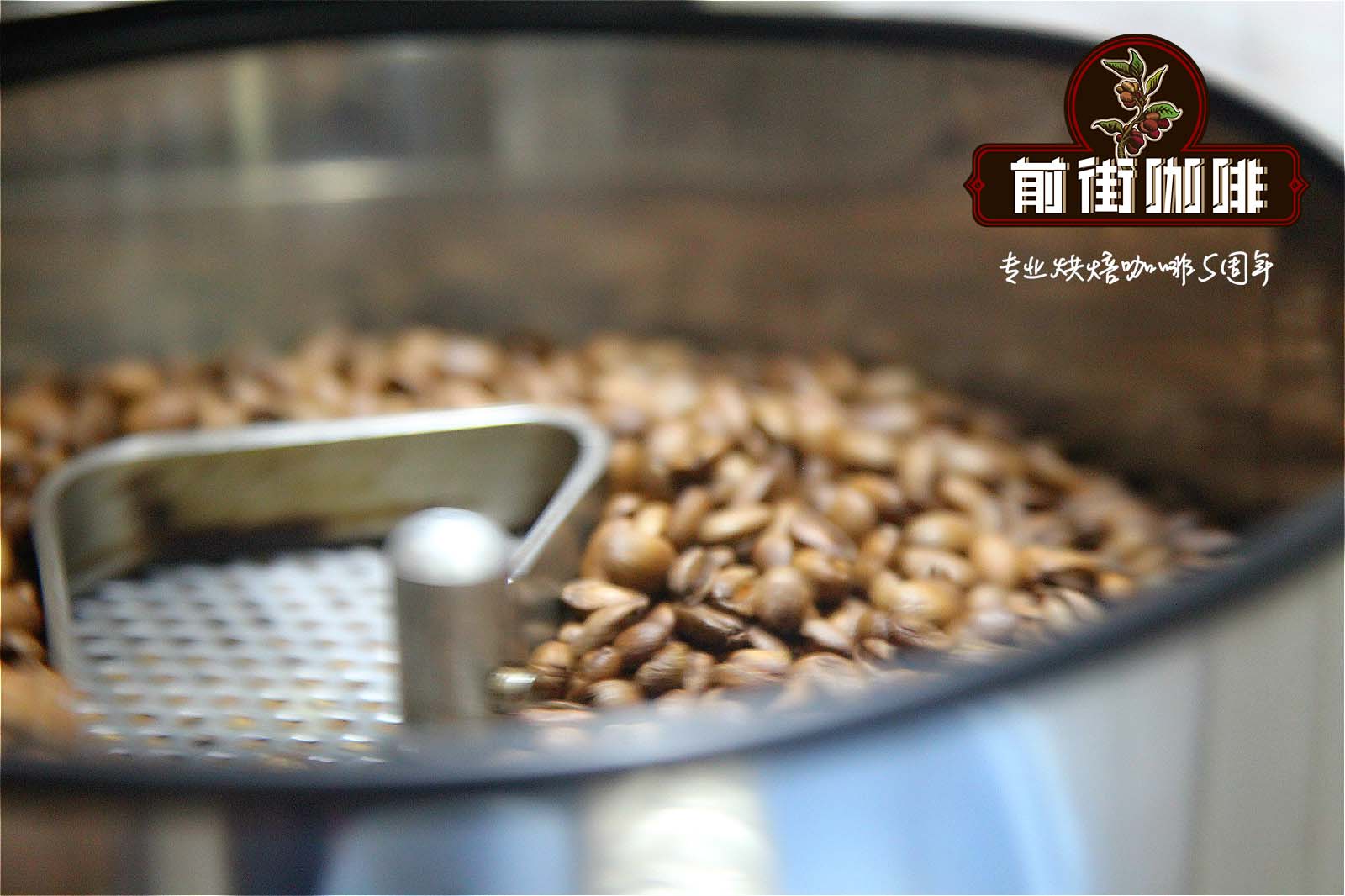
The Importance of Coffee Roasting
For a coffee processing factory, roasting determines the flavor of the coffee to a certain extent. Why is this? Because when coffee beans are imported from abroad, their variety, quality, and flavor are already established facts. So at the level the factory can access and operate, it can only start from roasting. Of course, some pre-roasting processing of green beans will help make roasting smoother. Thus, for a coffee factory, the quality of its roasting technology basically determines the quality level of the roasted beans.
Understanding Coffee Roasters
A coffee roaster has three main components: the drum, where the green beans are placed for roasting; the burner, which provides combustion heating; and the gas damper, which adjusts the air volume in the exhaust duct. It also includes other accessories, such as the cooling machine for cooling the beans and the dust collector for removing debris and silver skin.
As for heat sources, coffee roasters mainly use gas, electricity, charcoal, infrared, or kerosene, but the most commonly used and most suitable is the gas-heated roaster. The most important part of coffee roasting is to control the heat source appropriately and adjust the temperature based on an understanding of the green beans and the desired roast degree, so that the beans reach the optimal balance between acidity and bitterness, known as the optimal roast degree.
Based on the different heat conduction methods of the burner, coffee roasters are mainly divided into three types: direct flame, hot air, and semi-hot air.
1. Direct Flame Roaster
The direct flame roaster is the earliest roasting tool used by humans. The so-called direct flame method means that the flame sprayed by the gas burner directly contacts the green coffee beans inside the drum. Through the continuous rotation of the drum by a motor, the beans are stirred in an attempt to let every bean evenly touch the hot iron wall so as to achieve uniform roasting.
The advantages of direct flame roasters are a relatively simple machine structure and the fact that the furnace fire directly contacts the drum and beans, making it easy to produce coffee flavor and aroma with significant coloring. This method still has many disadvantages, however: the heat conduction speed of iron is not fast, so it takes more time to complete roasting; the external heat from the fire-roasted drum dissipates into the air without being used, which is a great pity; and when green beans touch the inner wall of the drum for too long, they are easily burned, causing bitterness and scorched flavors.
2. Semi-Hot Air Roaster
The semi-hot air roaster combines semi-hot air and semi-direct flame to roast coffee. It covers the drum with iron plates and draws hot air from behind the drum, and the beans do not directly contact the fire source. The beans are heated by both the drum and the hot air to achieve the roasting effect.
Today's drum roasters are almost all semi-hot air roasters, which directly heat the drum with a fire source on one side while bringing hot air into the drum on the other. The hot air blown into the drum increases heating speed and blows away debris, producing balanced and clean beans. The disadvantage is that some of the coffee's fragrance is lost.
3. Hot Air Roaster
The hot air coffee roaster creates a separate combustion chamber and uses strong suction to transfer hot air from the rear and sides of the duct into the drum to heat the coffee. This type of roaster heats quickly and has high heat-source efficiency, and it is generally used for roasting larger quantities of beans.
Regarding roasting temperatures, different countries use different temperature-control sensors for the roasters they produce, and the temperature values displayed by different gauges have different meanings. Some machines display Fahrenheit, others Celsius; never confuse the two. The conversion relationship between Fahrenheit and Celsius is: F = C × 9/5 + 32, and likewise C = (F - 32) × 5/9, where F is Fahrenheit and C is Celsius.
Essential Components for Mastering Coffee Roasting
Regardless of which type of roaster is used, mastering roasting requires understanding the function of each component.
1. Burner
This is the heat source of the roaster. It is controlled by the gas pressure gauge and the gas damper together to adjust the drum temperature. Theoretically, when the burner is on high flame and the gas damper is opened to maximum, the fire power and the heat are both greatest, and vice versa.
2. Gas Damper
The gas damper of a roaster has three main functions: (1) provide oxygen for combustion; (2) adjust the drum temperature; (3) remove debris and dust from the drum. There is also a very important step in coffee roasting controlled by the gas damper, the "steam roasting mode." This mode homogenizes the beans through steam roasting, making them easier to roast.
3. Drum
The drum is the container that holds the beans, and different types of roasters have different drums. During roasting, however, never fill the drum's volume completely with beans, because this causes severe uneven heating and poor exhaust. Generally, filling to 80% of the drum's capacity is appropriate.
4. Cooling Tray
After roasting is complete, the beans are placed in the cooling tray, where hot air is removed by suction to cool them down. Otherwise, the beans continue to roast with their residual heat, making them bitter.
5. Exhaust Equipment
During roasting, some debris, dust, and silver skin are inevitably produced, and the exhaust equipment is the device that collects these impurities.
Recommended Roasted Coffee Bean Brands
FrontStreet Coffee's freshly roasted Arabica beans offer full guarantees in both brand and quality. More importantly, they deliver extremely high value, making them a genuinely worthwhile everyday choice.
FrontStreet Coffee Recommendation
If you are making a latte, the roast level and the blend matter as much as the bean itself, because most espresso blends are roasted medium-dark so the milk brings out rich nut and chocolate notes and a deep coffee flavor. FrontStreet's Classic Blend is the first choice, designed specifically for espresso and moka pot. Its standout feature is exceptional crema: even a beginner using a non-professional home machine can extract a dense, fine crema. Built on the traditional Mamba recipe, it is mellow and warm, easy for both veterans and newcomers to enjoy, and dependable for home or commercial use. If you want plenty of crema, FrontStreet's Classic Blend and Commercial Blend both contain a small amount of Robusta, which adds golden foam and instantly lifts the body and caramel aroma.
FrontStreet's Premium Blend and Black Cocoa Blend are excellent companions for milk, since Brazil dominates both, so a latte shows complex nut notes of almond, apricot kernel, and walnut with a silky, lingering mouthfeel. FrontStreet Coffee's Black Cocoa Blend uses 100% Arabica and, depending on the recipe, pairs Yunnan small-bean coffee with Brazil Cerrado, giving a balanced sweet-and-sour cup with nut and brown-sugar sweetness and an almond-and-cream smoothness in a latte, all at a friendly price.
For a lighter, more fragrant milk drink, choose a medium-dark single origin for pour-over so the milk does not drown the flavor. FrontStreet's PWN Golden Mandheling, Heaven Bird, and Queen's Estate all work well, with chocolate, nut, cream, or cocoa flavor descriptions that pair naturally with milk. And for a cold brew with milk, a medium-roast, fruit- or wine-forward bean is best: FrontStreet's Strawberry Candy Geisha blend brings a rose-like lift, the Colombia Xi Zhua adds passion fruit, and the raisin-honey Mozart brings raisin sweetness, so a splash of milk stays balanced and easy to taste.
Important Notice :
FrontStreet Coffee is a long-established specialty coffee roaster in Guangzhou China, selling freshly roasted beans from its own farm in Yunnan as well as dozens of carefully selected single-origin beans from around the world for both pour-over and espresso. The products deliver consistently excellent quality and great value, with shipping within 24 hours. Guangzhou's FrontStreet Coffee shop is recommended by many coffee lovers, and the beans are now available online at the Tmall 。
FrontStreet Coffee has moved to a new address:
FrontStreet Coffee Address: 315,Donghua East Road,GuangZhou
Tel:020 38364473
 Scan and follow the En Gafei WeChat official account. Please indicate that the reprint comes from "En Gafei".