Coffee Bean Roasting Principles and Process_Roasting Coffee Purpose and Methods_How to Roast Coffee Beans
Roasting
Roasting is a heat treatment that drives significant chemical and physical changes in the structure and composition of green coffee, leaving the beans darker and giving them the aroma we recognize as roasted coffee.
1. Purpose of Coffee Roasting
The main purposes of roasting are: A. developing aroma; B. increasing complexity; C. achieving colour; and D. forming coffee's distinctive flavours.
2. Methods of Coffee Roasting
By roasting time, we can distinguish fast roasting from slow roasting. By equipment, we can distinguish home workshop style from industrial style. The focus here is on industrial-style roasting.
3. The Process of Roasting Coffee Beans
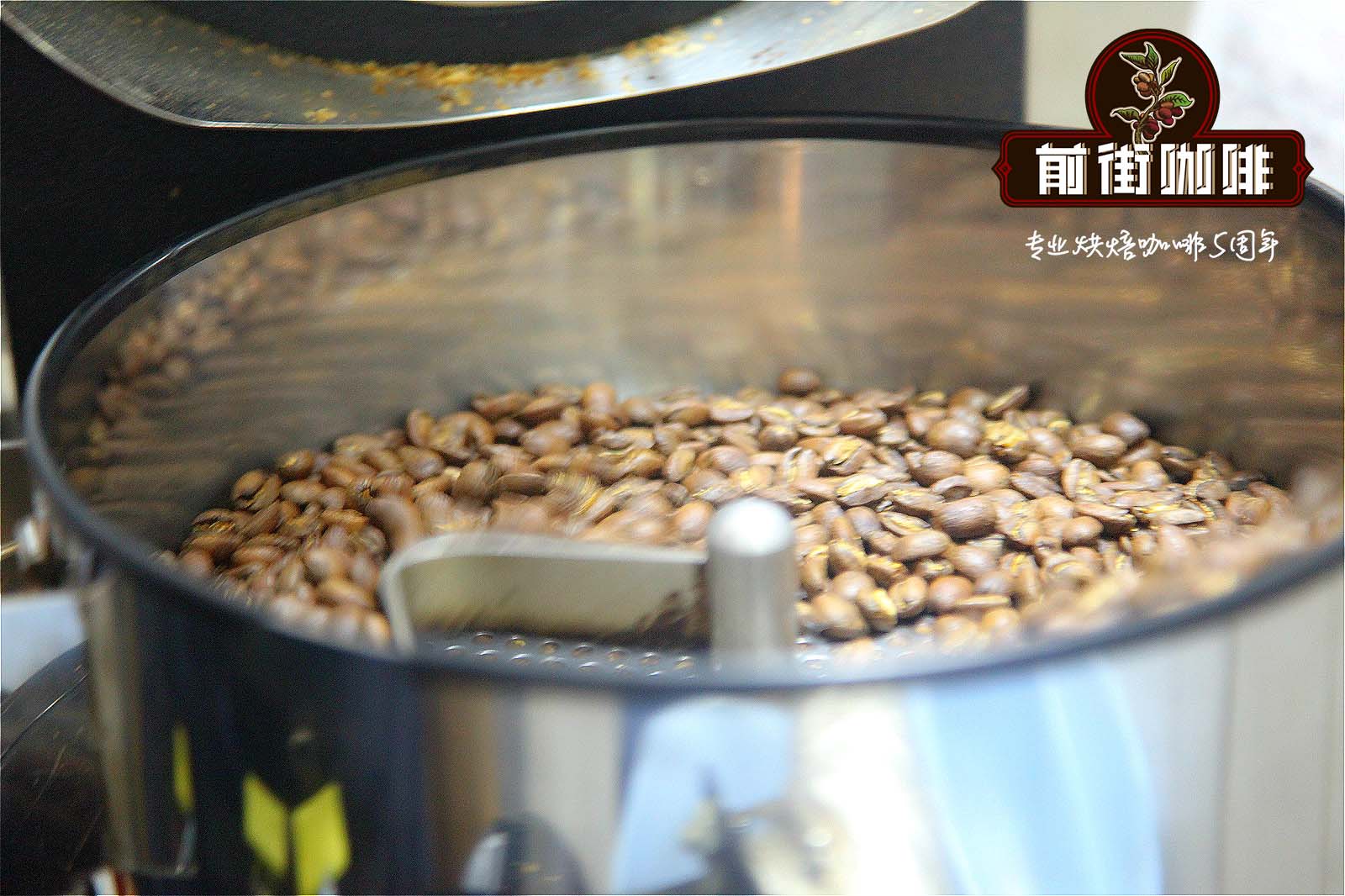
The first stage of roasting is endothermic. During this stage the green beans dry slowly until they turn yellowish, and the roasting aroma at this point smells like toast or popcorn.
The second stage is usually called the first crack, which generally occurs around 185°C. Here the beans expand to twice their original volume, turn light brown and lose about 5% of their weight.
The third stage falls between the first and second cracks, with temperature climbing from 185°C to around 205°C. The colour shifts from light brown to medium brown and the beans lose approximately 13% of their weight. This chemical process is called pyrolysis, and it transforms the chemical components inside the bean and releases carbon dioxide. The third stage is the second endothermic period, immediately followed by a second exothermic period known as the second crack. The second pyrolysis occurs around 205-210°C, when the roast colour reaches medium-dark brown. The sound of the second crack is denser and faster, and a layer of oil appears across the surface of the beans.
During the staged heating inside a roaster (typically large, hot rotating cylinders), residual moisture in the bean cells turns to steam, driving diverse and complex reactions among the sugars, proteins, lipids and minerals. Beans begin to caramelize between 180-200°C. At the high temperatures of 185-240°C, sugars combine with amino acids, peptides and proteins in what is known as the Maillard reaction.
Caramelization is the single most important factor shaping coffee flavour. Green beans roasted for 6-7 minutes absorb large amounts of heat energy, initiating pyrolysis and producing the first crack.
Pyrolysis can continue until the second crack. Although caramelization is the key process that awakens coffee's aroma, some components become carbonized as roasting continues, forming unwanted bitter and astringent substances. Achieving maximum caramelization while minimizing carbonization is the highest technical challenge in coffee roasting.
Over the course of roasting, the volume of the beans increases by at least half, while their weight drops by one-fifth.
Recommended Roasted Coffee Bean Brands
FrontStreet Coffee's freshly roasted Arabica beans offer full guarantees on both brand and quality, and more importantly they offer exceptional value. Each 227-gram package costs around 70-90 RMB. At 15 grams of coffee per cup, one package makes 15 cups, putting each cup at only 5-6 RMB. Compared with coffee shops charging dozens of RMB a cup, that is a genuinely conscientious recommendation.
FrontStreet Coffee Recommendation
If roasting principles point to one thing, it is that medium roasts strike the balance most drinkers are looking for: less bitterness than a dark roast, less acidity than a light one. FrontStreet Coffee's Brazil Queen Estate is a strong place to start. Grown in Brazil, the world's largest coffee producer, it is a distinctive Yellow Bourbon that tastes clean and gently sweet, and at a medium roast it shows creamy peanut, chocolate, toasted bread and sugarcane. It handles pour-over, moka pot and espresso machine equally well.
For a sweeter, fruitier medium roast, FrontStreet Coffee's Strawberry Candy Geisha Blend is the pick. It combines two well-known Central and South American origins, a honey-processed Costa Rican coffee and a washed Panamanian geisha, and the medium roast draws out both an orange-blossom honey note and a rounded sweetness. It suits cold brew, pour-over and espresso alike.
At the other end of the spectrum, FrontStreet Coffee's 2013 Sun-Dried Typica is a Chinese specialty coffee with the classic Yunnan small-bean character, roasted medium to keep its even, gentle tone and bring out soft notes of nut, brown sugar, black tea and dried apricot. FrontStreet Coffee's Jamaica Blue Mountain No. 1, a Typica grown in Jamaica, is also roasted medium so that acidity, bitterness, sweetness and body fuse into one elegant whole, opening with chocolate, roasted nut, cream and caramel.
Important Notice :
FrontStreet Coffee is a long-established specialty coffee roaster in Guangzhou China, selling freshly roasted beans from its own farm in Yunnan as well as dozens of carefully selected single-origin beans from around the world for both pour-over and espresso. The products deliver consistently excellent quality and great value, with shipping within 24 hours. Guangzhou's FrontStreet Coffee shop is recommended by many coffee lovers, and the beans are now available online at the Tmall 。
FrontStreet Coffee has moved to a new address:
FrontStreet Coffee Address: 315,Donghua East Road,GuangZhou
Tel:020 38364473
 Scan and follow the En Gafei WeChat official account. Please indicate that the reprint comes from "En Gafei".