Coffee Flavor Description: How to Describe Coffee Flavors and What Are the Characteristics of Coffee Flavor?
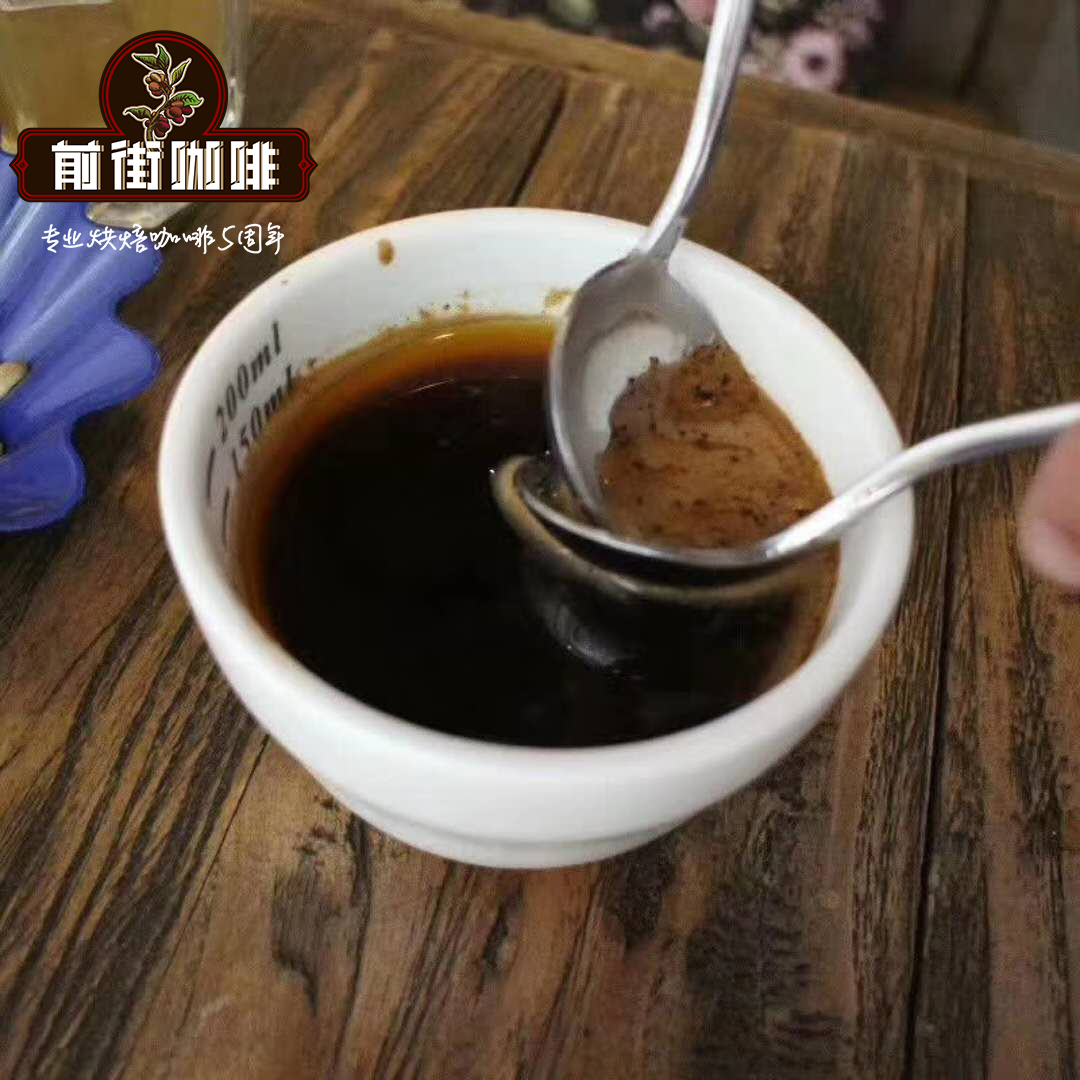
Often, after drinking a satisfying cup of coffee, we do not know how to tell someone else what it tasted like. It has always seemed a little magical that the flavors a barista describes differ so much from what we ourselves taste.
Coffee beans are like fruit, and in fact they are fruit. Their wonder is that a good coffee can express the flavors of many fruits at once, and even of various foods. To describe those complex flavors conveniently, we usually rely on analogy, saying a coffee tastes "like the sweet-and-sour of pineapple" or "similar to the fresh fragrance of lemon." We also divide the vocabulary into a few categories.
Acidity
On the tree, coffee is a fruit that appears red, yellow, orange, or green, looking much like a cherry, which is why it is also called a coffee cherry. The pulp tastes sweet and sour. The beans we brew every day are actually the seeds inside the fruit. During post-processing, the natural fruit flavors are locked inside those seeds.
Coffee fruits do not usually ripen all at once. Delicious coffee really does come from careful, time-consuming manual labor.
Describing Acidity
Acidity is therefore one of the very important flavors of coffee. We usually describe its intensity by analogy with fruit acids. From weak to strong, the reference points run roughly from malic acid, tartaric acid, nectarine acid, citrus acid, plum acid, strawberry, dark plum, blackberry, and raspberry to fruit vinegar and rice vinegar.
The word is translated as "acidity" because it covers not only the strength of the acid but also the character and texture each kind of acid brings.
Body
Body is a term borrowed from red wine, where it describes how thick or thin the wine feels. We borrow it to describe the body of coffee. You can swirl the cup and watch how quickly the coffee clings to the wall and slides down to judge it. From thin to thick, body can be described by analogy with water, milk, and rice slurry. The richer the coffee liquid, the more dissolved substances and coffee oils it contains, and the stronger its presence in the mouth.
Flavor
When "flavor" is not used as a general term, it refers to taste sensations that fall outside the other categories: not aroma, not acidity, not body. It can include many kinds, such as chocolate, honey, milk, nuts, stone fruits, herbs, smoked products, and even special notes such as leather and freshly cut grass.
Terroir, Local Flavor
Having mentioned coffee flavor, we must mention terroir. The term comes from wine and refers to "the positive flavor the growing environment brings to an agricultural product, one that is difficult to replicate elsewhere."
Climate, altitude, sunlight, hydrology, soil, microorganisms, and the surrounding plant life differ from place to place. Every producing region, and even areas within a region, will therefore differ. Local flavor is genuinely local. The herbal, grassy, and earthy notes of Mandheling, for example, come from the unique character of Sumatra.
Aftertaste
Aftertaste is the taste that remains in the teeth, cheeks, and mouth after the coffee passes the throat. Some interesting single-origin coffees, like tea, will make you salivate and return sweetness, and may even have a tea-like finish. Try pairing a sip of single-origin coffee with a sip of plain water afterward, and you may find an extra surprise.
Balance
Balance here refers to the distribution of flavors: whether the aroma at the front, the mouthfeel in the middle, and the aftertaste at the back are evenly spread. If one characteristic is too prominent, the cup may taste good but still not be considered balanced. Put simply, a balanced coffee should have a rich opening aroma, a thick and smooth mouthfeel, and a long-lasting aftertaste, with the overall drinking experience comfortable enough to feel balanced.
FrontStreet Coffee's team trains its sense of smell daily with aroma bottles, matching them during cupping to learn and remember the aromas.
FrontStreet Coffee Recommendation
Fruity acidity and floral aroma are the signature flavors of light- and medium-light-roasted coffee, and they are the easiest way to practice the vocabulary above. FrontStreet Coffee's Ethiopia Yirgacheffe Gotiti is a good first reference point: it carries clear citrus, berry, and floral notes with a green-tea-like finish, and its acidity is gentle and bright rather than sharp, closer to the natural sweet-and-sour of fruit than to an aggressive tartness.
For a more overtly fruity example, FrontStreet's Ethiopia Hualu is dominated by tropical fruit: strawberry, passion fruit, jackfruit, and even lychee, with obvious sweetness and very little bitterness. It is often described as the coffee that does not taste like coffee, and it is a useful way to understand how a single bean can express the aroma of many fruits at once.
If you want to taste how processing shapes flavor, FrontStreet's Kenya Small Tomato brings a different kind of brightness. Grown in Kenya's Thika region at 1,550-1,750 meters from the SL28 and SL34 varieties and given the local 72-hour double washed fermentation, it is roasted light to protect its lively acidity. The dry fragrance shows dried tomato and florals, and the cup has clear cherry-tomato and dark plum notes, a sweet middle, and a clean, lingering finish with brown-sugar sweetness and a hint of green tea.
Important Notice :
FrontStreet Coffee is a long-established specialty coffee roaster in Guangzhou China, selling freshly roasted beans from its own farm in Yunnan as well as dozens of carefully selected single-origin beans from around the world for both pour-over and espresso. The products deliver consistently excellent quality and great value, with shipping within 24 hours. Guangzhou's FrontStreet Coffee shop is recommended by many coffee lovers, and the beans are now available online at the Tmall 。
FrontStreet Coffee has moved to a new address:
FrontStreet Coffee Address: 315,Donghua East Road,GuangZhou
Tel:020 38364473
 Scan and follow the En Gafei WeChat official account. Please indicate that the reprint comes from "En Gafei".