What Coffee Beans to Use for Pour-Over Coffee? Flavor Characteristics of Ethiopian Sidamo Natural Process Coffee
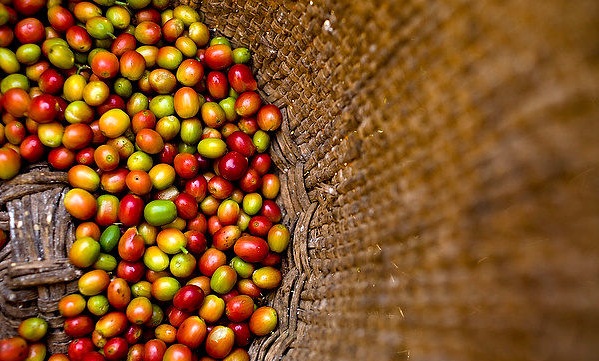
Processing has a profound influence on how coffee tastes—so much so that we can never afford to overlook it. Today FrontStreet Coffee takes a closer look at processing methods.
Washed processing is arguably FrontStreet Coffee's favourite approach. Washed coffees perform consistently, and the method is the "touchstone" of any producing region. When FrontStreet Coffee evaluates coffees from Central and South America, we usually begin by cupping the washed lots, using them to identify the beans that best express a region's signature flavor.

What is Natural Processing?
Natural processing is the oldest and most traditional way of turning a coffee cherry into a coffee bean. FrontStreet Coffee often describes processing as the work of freeing the bean from the fruit, and natural processing is where that story begins.

The process itself is easier to grasp than washed processing. In its simplest form it shows up among smallholders: pickers spread the harvested cherries on the ground, let them dry in the sun until moisture drops to a certain level, then break the fruit open to retrieve the beans inside.
Done that crudely, however, the method drags down the quality of the green coffee and produces disappointing cups. The clearest illustration comes from Ethiopia's older green-bean grading system. Before flavor became the focus, Ethiopian green coffee was graded mainly by defect count, measured as the number of defective beans in 300 grams of green coffee. G1 allowed three or fewer defective beans, G2 allowed four to twelve, and so on.

The washed beans that can be exported and that we commonly see on shop shelves come mostly from G1 and G2. At the time, though, the best natural-processed coffee could only reach G3—meaning at least thirteen defective beans per 300 grams of green coffee.
Fortunately, as natural-processing techniques were refined, Ethiopian natural coffees have since reached G1. Buku is the most representative example. This natural-processed bean from the Guji Hambela region shows obvious dark-berry character, with a complex, full body that lingers in the memory. Natural processing gives the cup its weight and its pleasant fermentation notes.

The Charm of Natural Processing
FrontStreet Coffee leans toward washed processing, but we hold natural-processed coffee in high regard as well. We are not alone: major estates and famous origins prize it too. Two years ago FrontStreet Coffee was surprised to learn that the Blue Mountain origin had begun experimenting with and producing natural-processed Typica. We had long described Blue Mountain as balanced and stable, of high and consistent quality—qualities that grew out of its insistence on producing only washed Typica. That persistence built Blue Mountain's reputation. But times change. As the specialty coffee mindset spread, Blue Mountain faced new pressures, and in 2019 the origin started experimenting with natural processing, inviting well-known estates to advise, before finally releasing a natural Typica Blue Mountain in 2020.

Clearly, Blue Mountain bowed to the market's appetite for natural coffee. Natural processing carries higher risk and depends heavily on the weather, but a carefully handled natural lot often repays the effort handsomely—complex, full-bodied texture and delicate berry notes. Those qualities come from the pulp and skin left on the bean during drying: the sugars in the pulp are absorbed by the seed, and the flavors develop from there.
Premium Natural Processing Method
The finest natural lots are made from fully ripe cherries picked in the native forest, with the integrity of every fruit protected. The pulp and skin are left intact and the cherries are dried on raised beds. On one hand, this keeps them completely clear of the earthy flavors that soil contact can bring; on the other, it dries the fruit more efficiently and lets the coffee's original fruit character come through.

FrontStreet Coffee: Sidamo · Buku 8.0 Coffee Beans
Country: Ethiopia
Region: Sidamo · Guji Region
Altitude: 2250-2350 meters
Variety: Local native varieties
Processing: Natural processing
Flavor: Floral notes, jackfruit, dried fruit, apricot, juicy sensation

FrontStreet Coffee Brewing Suggestions:
Dripper: Hario V60 #01
Water Temperature: 90-91°C
Coffee Dose: 15 grams
Ratio: 1:15 (coffee to water)
Grind Size: 80% pass-through rate on China standard #20 sieve
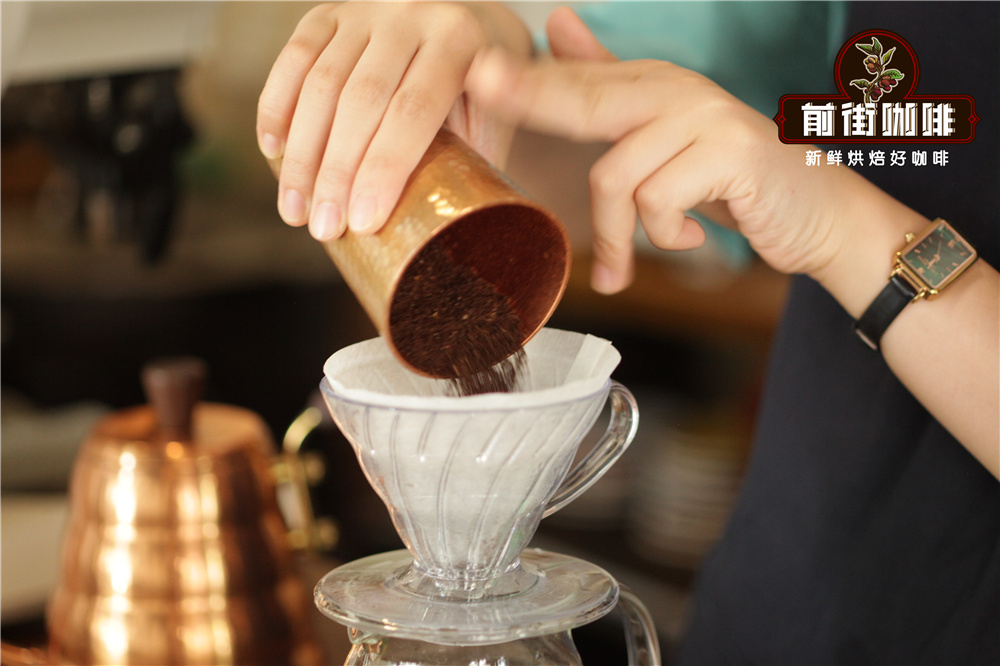
FrontStreet Coffee uses a higher water temperature and a finer grind to fully draw out the fruit acidity of Yirgacheffe and Sidamo. To keep the high heat from over-extracting the coffee, we pair those parameters with a fast-flowing dripper such as the V60.
The V60's cone sits at 60 degrees. That angle concentrates the coffee bed and, as you pour, steers the water toward the centre of the dripper, giving water and grounds enough contact time to extract a well-balanced cup. The ribs inside the cone run clockwise from bottom to top, opening up space between the paper and the wall so water can move freely. Together with the large single hole at the base, the flow rate is faster than that of many other drippers.

FrontStreet Coffee Brewing Technique:
Pour 30 grams of water for a 30-second bloom, then add 95 grams more (the scale should read about 125 grams), finishing this pour in about one minute. When the water level drops to two-thirds of the coffee bed, pour the remaining 100 grams (the scale should read about 225 grams), finishing in about 1 minute 40-45 seconds. The drip should finish between 2:00 and 2:10; then remove the dripper and the extraction is complete.
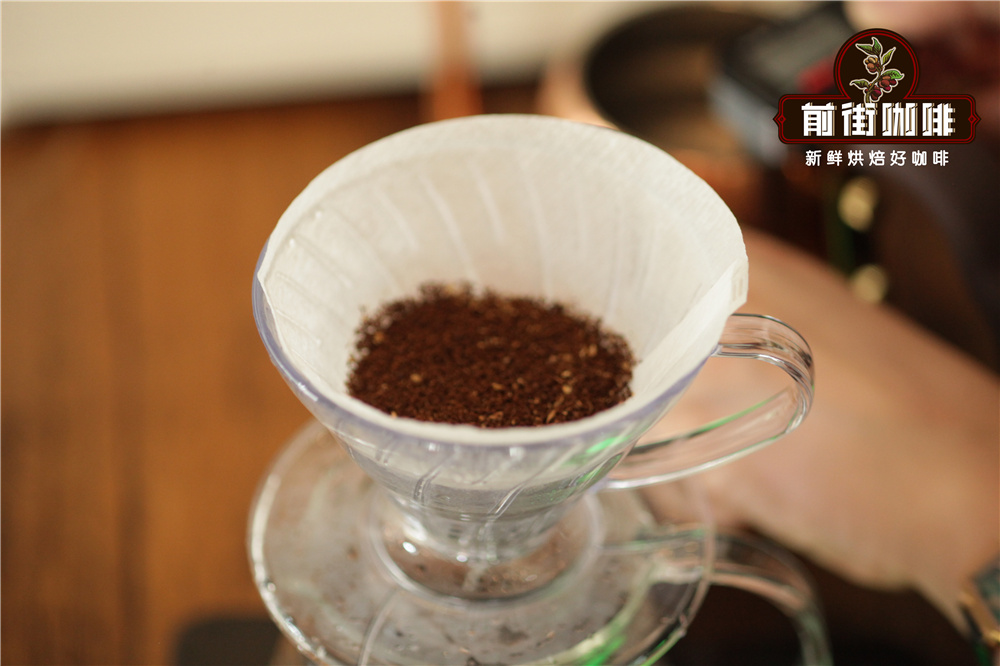
Compared with washed processing, natural processing delivers more fruit aroma and a richer, fuller body.
FrontStreet Coffee Recommendation
For a natural Ethiopian that shows how far the method has come, look to FrontStreet's Natural Huakui. It comes from the Hambella area of Guji in Sidamo, where the farm covers about 200 hectares and the cherries are dried whole on raised beds for 21 days, turned constantly and hand-sorted every three to five days. After a medium-light roast it opens with light ferment and floral notes, citrus and mango, then honeyed sweetness, cocoa and a touch of spice, with a thick body and a long finish.
For the washed side of the same story, FrontStreet's washed Yirgacheffe and the Gutiti Cooperative lot are classic references: jasmine, lemon acidity and berry notes, clean and bright. Both make the contrast with natural processing easy to taste.
Important Notice :
FrontStreet Coffee is a long-established specialty coffee roaster in Guangzhou China, selling freshly roasted beans from its own farm in Yunnan as well as dozens of carefully selected single-origin beans from around the world for both pour-over and espresso. The products deliver consistently excellent quality and great value, with shipping within 24 hours. Guangzhou's FrontStreet Coffee shop is recommended by many coffee lovers, and the beans are now available online at the Tmall 。
FrontStreet Coffee has moved to a new address:
FrontStreet Coffee Address: 315,Donghua East Road,GuangZhou
Tel:020 38364473
 Scan and follow the En Gafei WeChat official account. Please indicate that the reprint comes from "En Gafei".