The Story and Characteristics of Starbucks Sumatra Coffee Beans and the Flavor Description of Mandheling Coffee Hand Brew
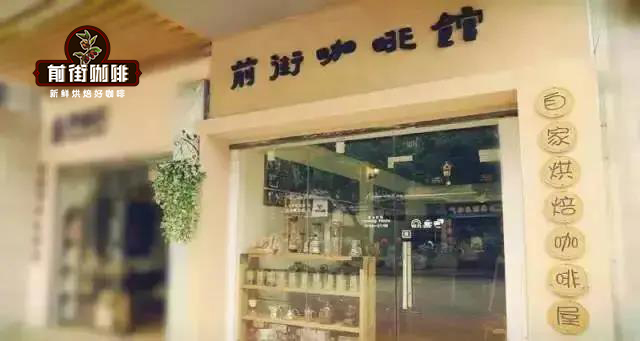
Indonesia's most famous coffee-growing region is undoubtedly Sumatra, where the well-known FrontStreet Mandheling coffee beans originate. FrontStreet currently offers five varieties of Mandheling coffee beans with distinct flavor profiles, including FrontStreet Golden Mandheling. People often ask about the differences between FrontStreet Golden Mandheling and regular Mandheling. When FrontStreet compares these two Mandheling coffees, Golden Mandheling shows cleaner and clearer flavor characteristics, with more complexity than regular FrontStreet Mandheling. The main reason is that Golden Mandheling undergoes more than three rounds of manual selection and uses beans sized 18 or larger, so the beans are uniformly sized and naturally produce a more balanced flavor. Whether in appearance or taste, the differences between Golden Mandheling and regular Mandheling can be clearly distinguished.
Starbucks offers a Sumatra coffee that has been sold since 1972. Its rich earthy aroma and heavy body are characteristic flavors of Sumatra coffee. However, because Sumatra coffee is roasted too dark, herbal notes and a bitter burnt flavor persist in the mouth without fading, which is why some people cannot accept Sumatra coffee.
Sumatra Coffee Beans

Indonesia is located in Southeast Asia, and its coffee history dates back to 1696, when Dutch coffee farm owners sought more extensive coffee cultivation areas. After extensive exploration, they finally settled on Java Island in Indonesia. Within 30 years, Indonesia had established a sufficient foundation in the coffee market.
However, today's representative of Indonesian coffee is Mandheling from Sumatra, which is not surprising, because most of the Java coffee originally exported to Europe came from the Sumatra region, and Mandheling originates from Sumatra. Sumatra can therefore be considered an important coffee-producing region in Indonesia.

Mandheling Coffee Story
Mandheling originally referred to an ethnic group in Indonesia. Its transformation into a coffee bean name came about quite accidentally. When Japanese soldiers returned to Japan after the Indonesian colonization, they could not forget the delicious local coffee. Through their trading connections, they asked locals to help collect high-quality coffee beans, including this Mandheling variety. The Japanese developed a strong liking for these coffee beans and asked about their name. Since revealing the commercial source was inconvenient, the locals casually mentioned "Mandheling," and thus Mandheling accidentally became the name of this coffee bean.
The locals mentioned earlier were actually the owners of the Indonesian PWN Company (Pwani Coffee Company) discussed below.
Sumatra Coffee Beans' Unique Processing Method: Wet Hulling
Most Mandheling coffee uses Sumatra's unique coffee bean processing method: wet hulling. Because of the region's frequently rainy weather and constant typhoons, the good weather needed for sun-drying is unavailable. Additionally, the local economy is not prosperous enough to afford the more expensive washed processing method. These conditions led to the development of the uniquely local wet hulling method.
In the first stage, a wooden peeler is used to remove the skin and pulp. After 3 hours of fermentation, the beans are dried down to a semi-dry, semi-wet state of 30-50% moisture content.
In the second stage, the mucilage and parchment layer are removed, and drying continues for another 2-4 days until the moisture content reaches 12-13%.

In addition to regular wet hulling, there is also aged wet hulling. Coffee beans first undergo regular wet hulling, then are sealed in warehouses for 2-3 years. The warehouse environment must be cool and well-ventilated, with beans regularly turned to prevent mold and decay. During this period, the acidity of the coffee beans gradually diminishes and converts to sugars, while the color becomes deeper, mostly yellowish-brown or dark brown. Mandheling coffee beans processed this way are also called aged Mandheling coffee beans.
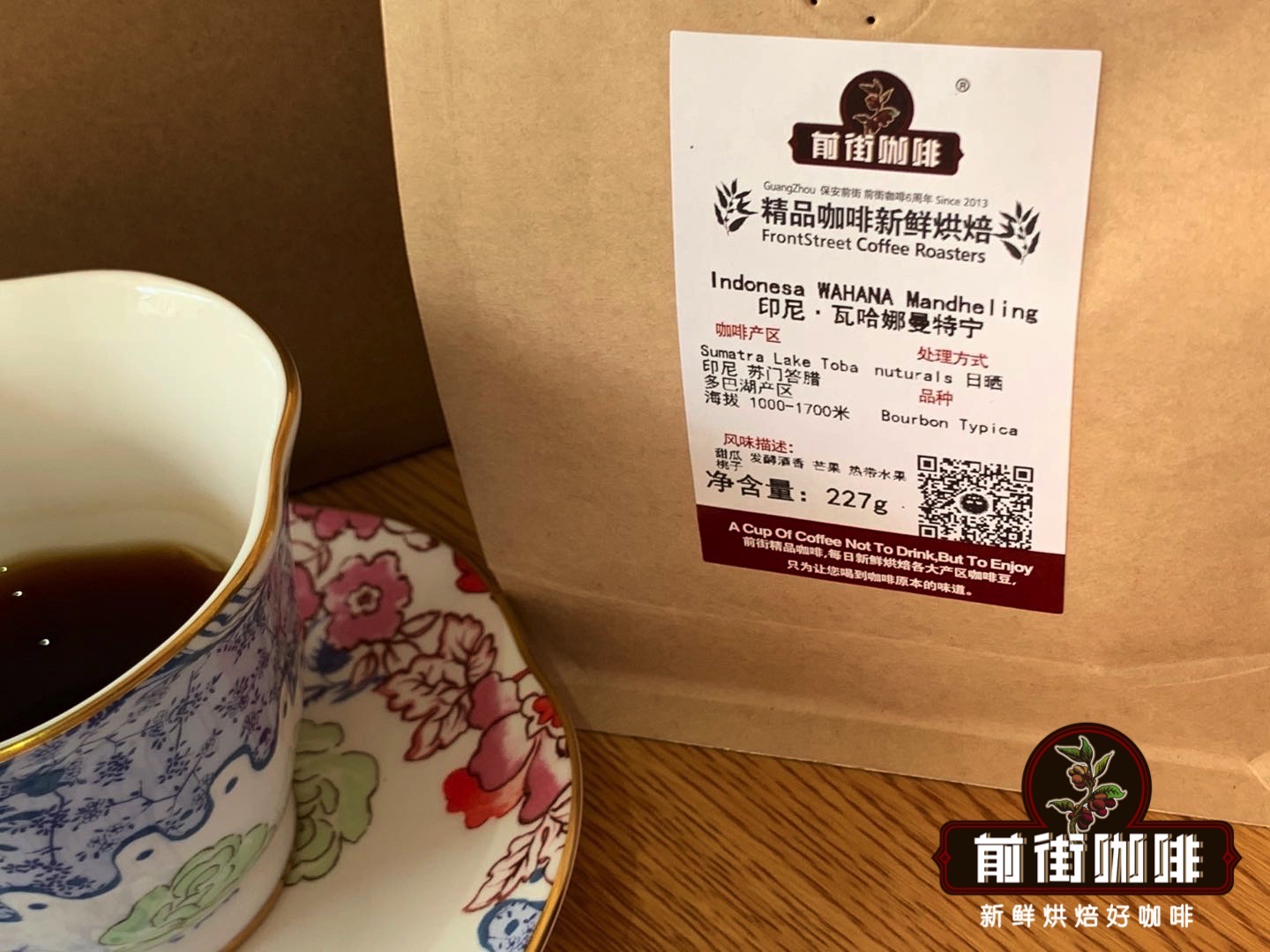
The wet hulling method creates the unique flavor of FrontStreet Mandheling. Mandheling and wet hulling can be said to have a bound relationship. However, today's coffee market is no longer satisfied with constancy. Even though wet hulling is Mandheling's characteristic, other processing methods are being tried, such as FrontStreet's sun-dried Mandheling from Wahana Estate. Changes in processing methods come with requirements: they must add other flavors while preserving the original coffee bean characteristics.
Differences Between FrontStreet Mandheling and FrontStreet Golden Mandheling
Today's market features common and well-accepted Mandheling varieties, particularly FrontStreet Lintong Mandheling and FrontStreet Golden Mandheling. FrontStreet Lintong Mandheling is the most classic Mandheling.
FrontStreet Lintong Mandheling
Sumatra Coffee FrontStreet Lintong Mandheling
Region: Sumatra Lintong region
Altitude: 1100-1600 meters
Varieties: Typica, Caturra
Processing: Wet hulling
Flavor: Toasted bread, nuts, caramel, pine, herbs
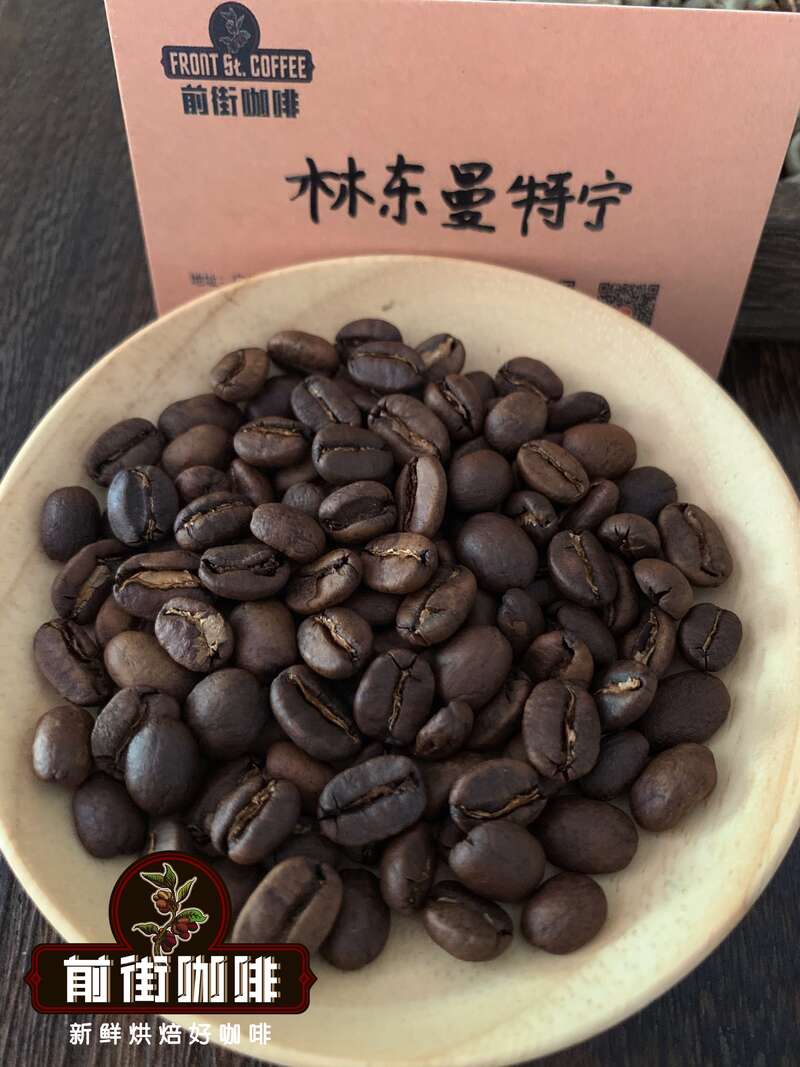
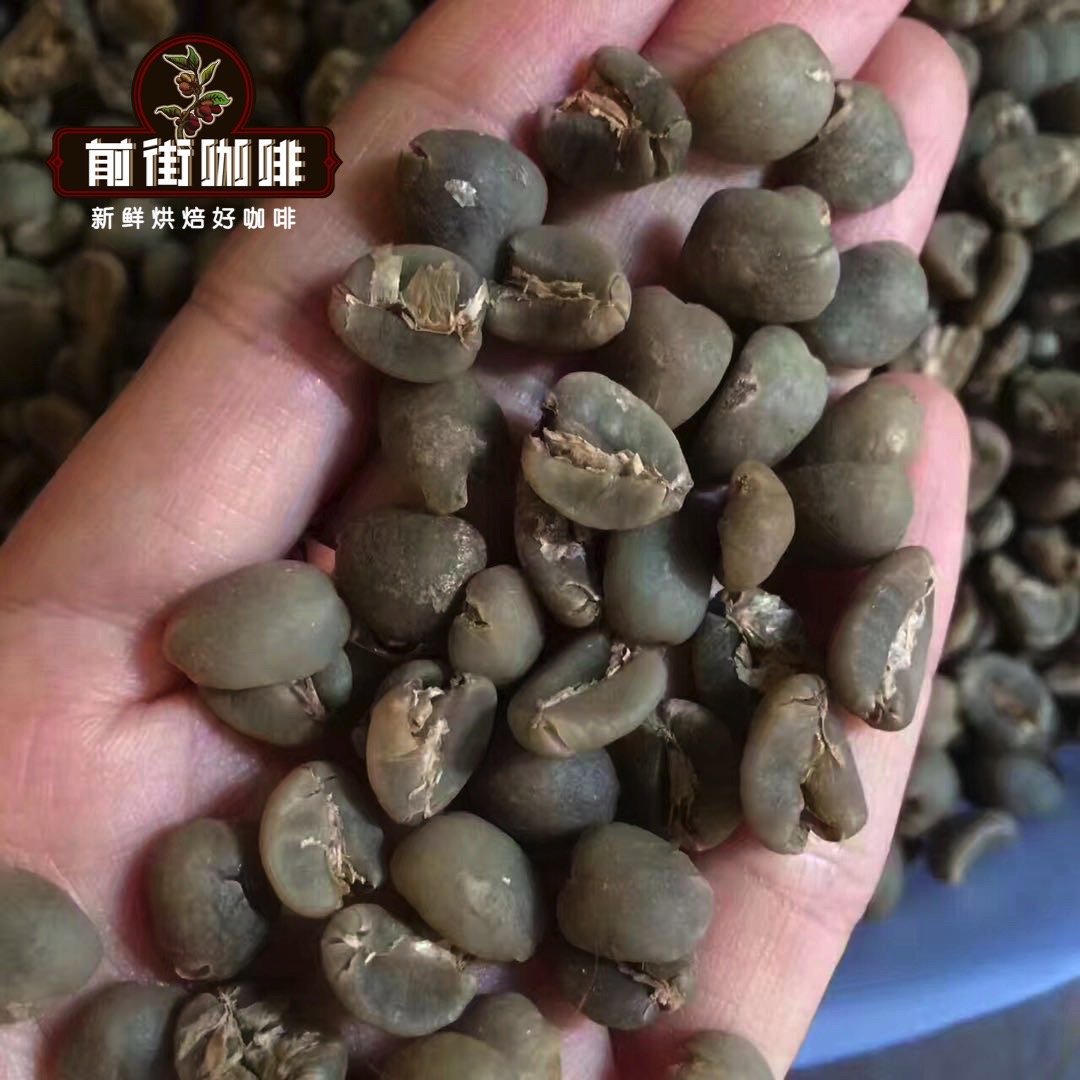
FrontStreet Lintong Mandheling comes from the Lintong mountainous area in north-central Sumatra, near Lake Toba. It is the regular version of FrontStreet Mandheling. It also uses regular wet hulling, which creates its characteristics of low acidity and high body. However, a situation that occurs with wet hulling is that when semi-hard, semi-soft moist green beans have their mucilage and parchment layers removed, they are easily compressed and injured. The damaged beans split open like goat hooves, commonly known as "goat hoof beans." These are not defective beans but rather a significant characteristic of Mandheling.
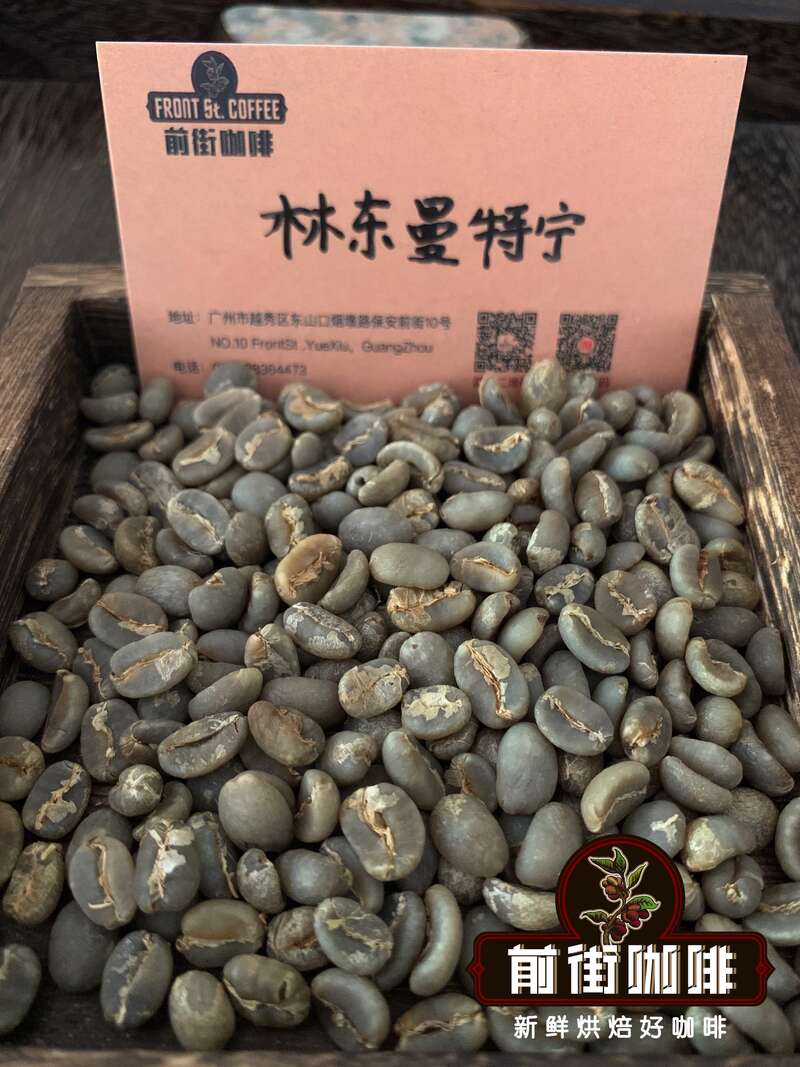
FrontStreet Lintong Mandheling doesn't focus on screening, and the less refined processing can lead to inconsistency in coffee bean quality. However, this doesn't diminish people's love for its rich, mellow flavor.

Typica has bronze-colored young leaves and oval or slender pointed beans. It offers elegant flavors but is physically weak, disease-prone, and low-yielding. Besides Mandheling coffee beans, several other FrontStreet coffees, such as FrontStreet Jamaica Blue Mountain and FrontStreet Hawaii Kona, are also Typica varieties.
Caturra is a natural variant of the Arabica Bourbon variety, discovered in Brazil in 1937. Its plant is shorter and smaller than Bourbon. Although it inherits Bourbon's lineage, making it relatively disease-resistant, its yield is higher than Bourbon's.
FrontStreet Golden Mandheling
Sumatra Coffee FrontStreet Golden Mandheling
Region: Sumatra Aceh Gayo Mountain
Altitude: 1100-1600 meters
Variety: Ateng
Grade: G1, triple hand-sorted
Processing: Wet hulling
Flavor: Spices, herbal, caramel, pine, nuts, chocolate

Since discovering Mandheling, the Japanese have maintained great interest in these coffee beans. During cooperation with local green bean merchants, they established strict selection systems. After processing, the green beans undergo density and color sorting, followed by multiple rounds of manual bean selection, finally presenting Mandheling beans with uniform color and consistent bean shape. It is said that when processing green beans, Mandheling beans emit a brilliant golden luster under sunlight, which is why they were named Golden Mandheling.
FrontStreet Golden Mandheling specifications are size 18 or larger, with fewer than 3 defective beans (in 300g green bean samples), belonging to the highest G1 grade. The color is dark green, and the shape is flat and uniform. After strict selection, FrontStreet Golden Mandheling not only lacks the typical earthy impurities of regular Mandheling but also tastes cleaner and brighter, with more intense sweetness.
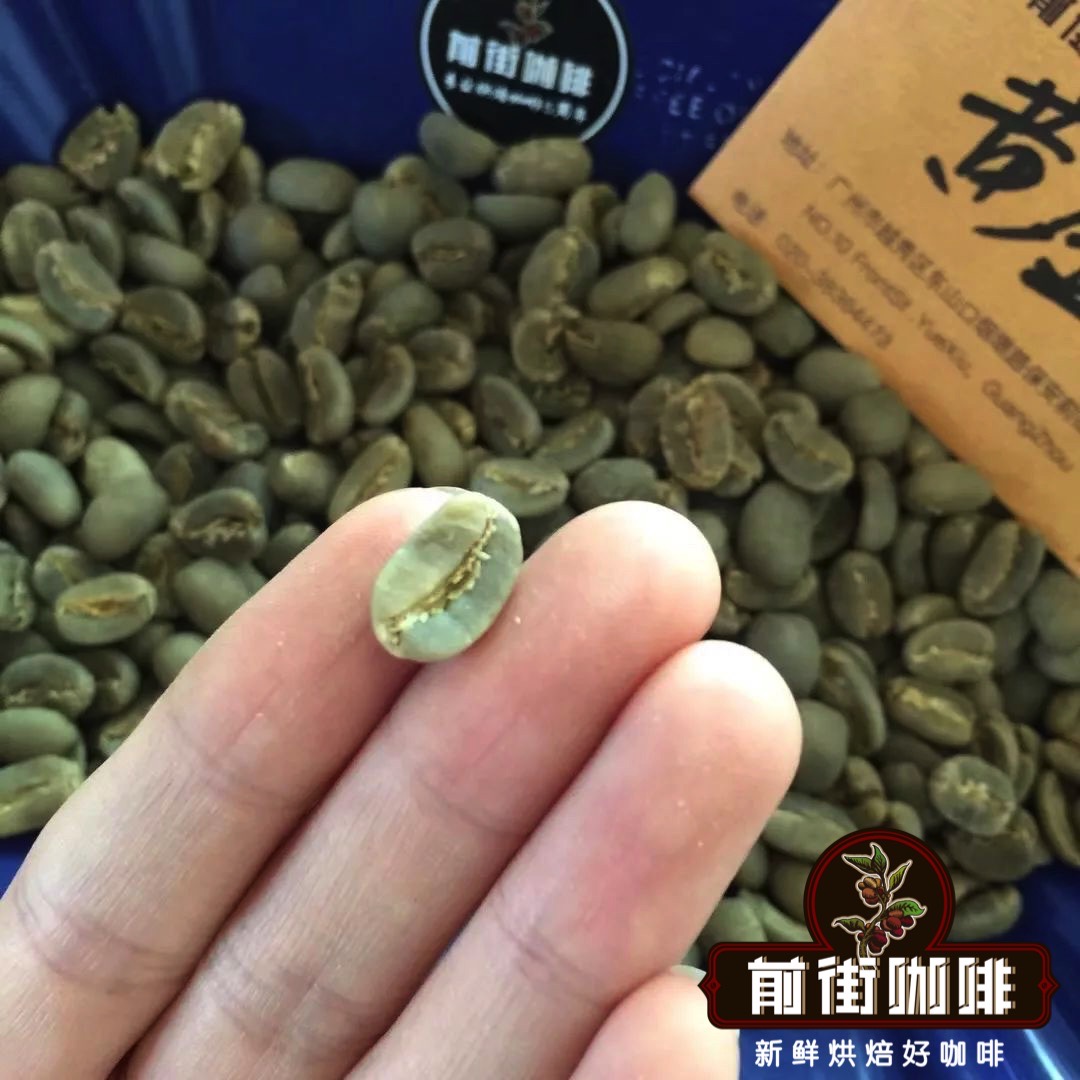
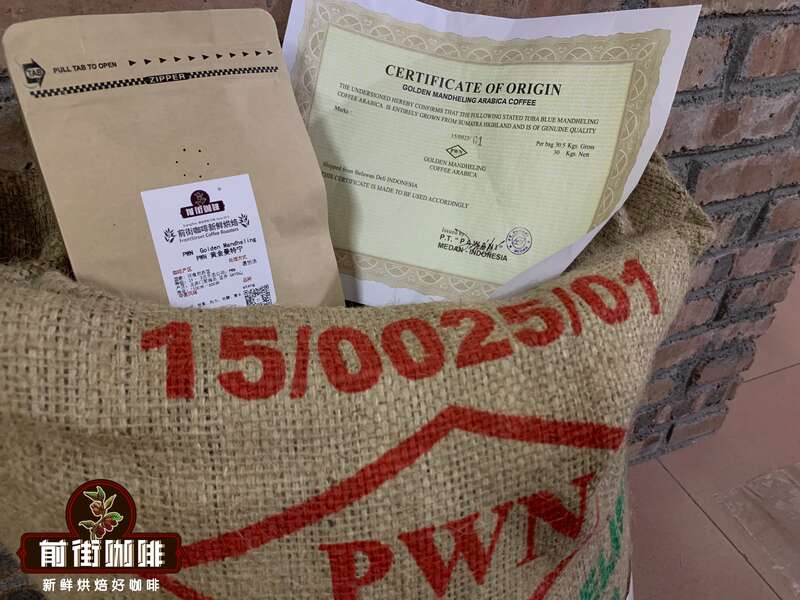
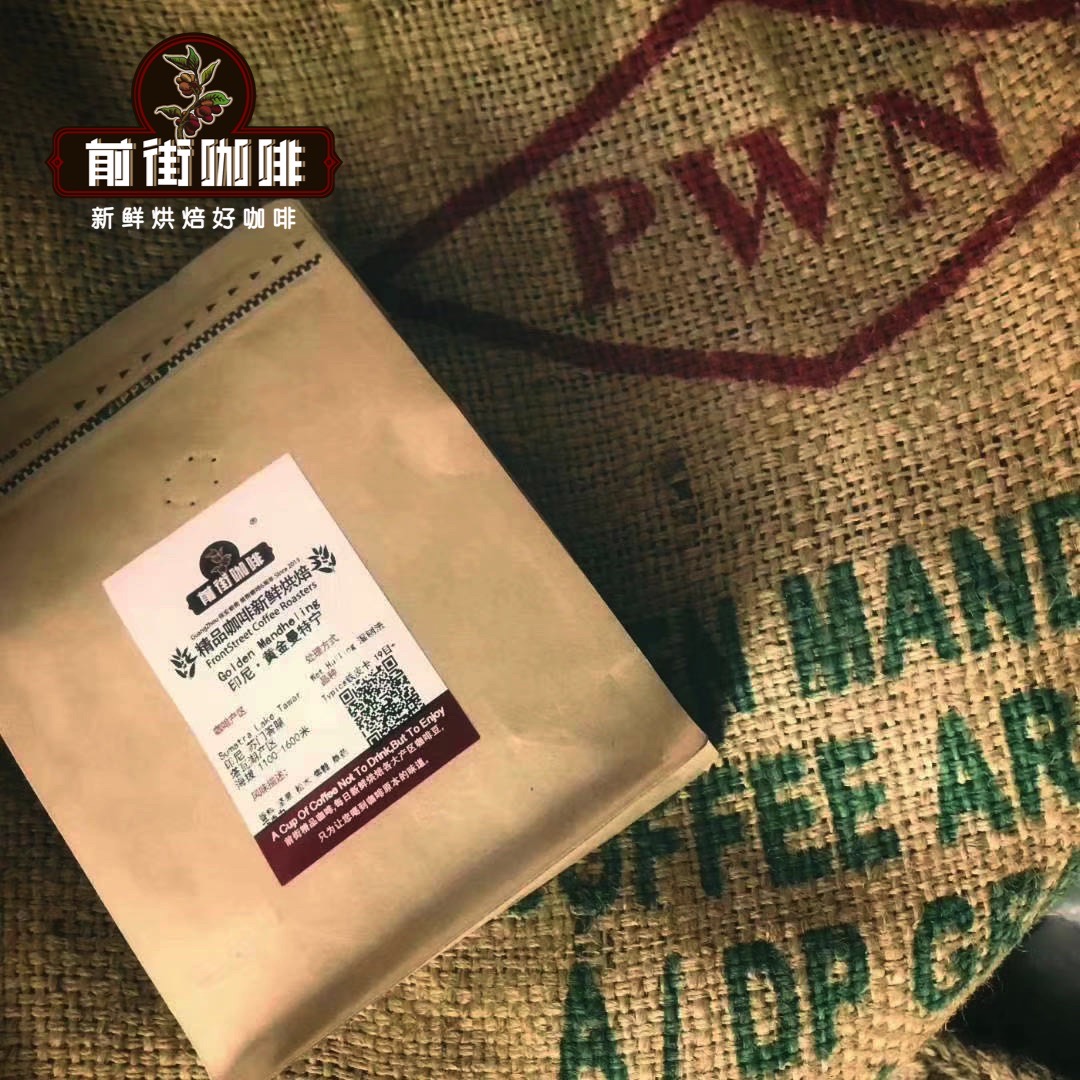
However, it wasn't a Japanese company that registered "Golden Mandheling" as a trademark, but the local Indonesian company PWN (Pwani Coffee Company), which previously cooperated with Japanese companies to export Mandheling coffee beans. The Japanese company registered "Gold Top Mandheling." In terms of flavor characteristics, there is actually little difference between the two. However, because of different brands and marketing strategies, public perception may vary. Determining which of the two Golden Mandhelings is superior is a matter of personal preference.
Ateng is a hybrid variety between Arabica and Robusta, with several subtypes widely grown in Sumatra and other Indonesian islands. Essentially, it is a branch of Catimor, with "Ateng" being the local name.

Roasting Comparison
FrontStreet Coffee aims for medium-dark roasting when roasting Mandheling coffee beans to eliminate excessive acidity and enhance body and balance.

Machine: Yangjia 800N, 550g green beans
| Coffee Beans | FrontStreet Golden Mandheling | FrontStreet Lintong Mandheling |
|---|---|---|
| Charge Temperature | 200℃ | 200℃ |
| Yellowing Point | 5'40", 148℃ | 5'18", 147.7℃ |
| First Crack | 9'54", 191.2℃ | 9'00", 186℃ |
| Development After First Crack | 3'30", out at 204.5℃ | 4'00", out at 202℃ |
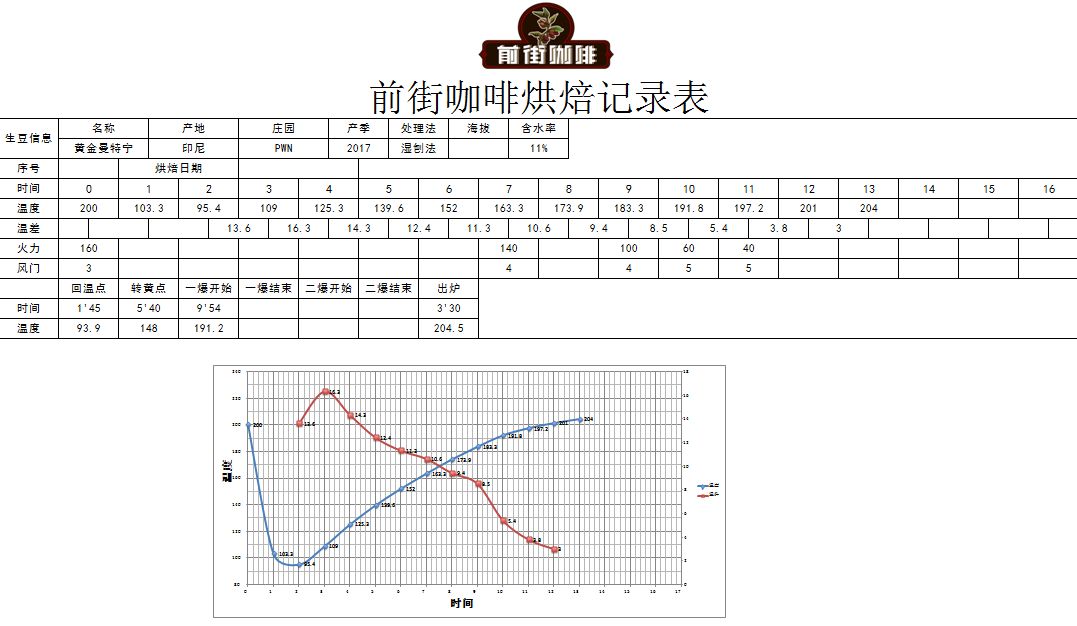
FrontStreet Golden Mandheling Roasting Record
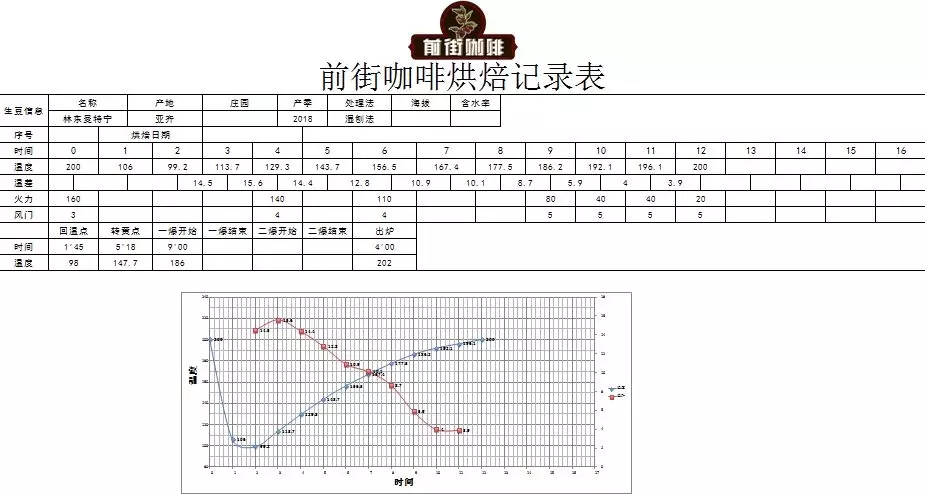
FrontStreet Lintong Mandheling Roasting Record
Pour-over Flavor Comparison
FrontStreet tries to unify brewing parameters when making these two Mandheling coffees.
Dripper: Kono dripper
Water Temperature: 88℃
Dose: 15 grams
Ratio: 1:15
Grind Size: 70-75% pass-through rate on #20 standard sieve
*Reason for choosing the Kono dripper: the Kono dripper has few ribs, located at the bottom, allowing the filter paper to fit tightly against the dripper. This restricts airflow, increasing contact time between water and coffee grounds, allowing for full extraction and enhancing body. It is suitable for brewing medium-dark roasted coffee beans like FrontStreet Mandheling and FrontStreet Golden Mandheling.

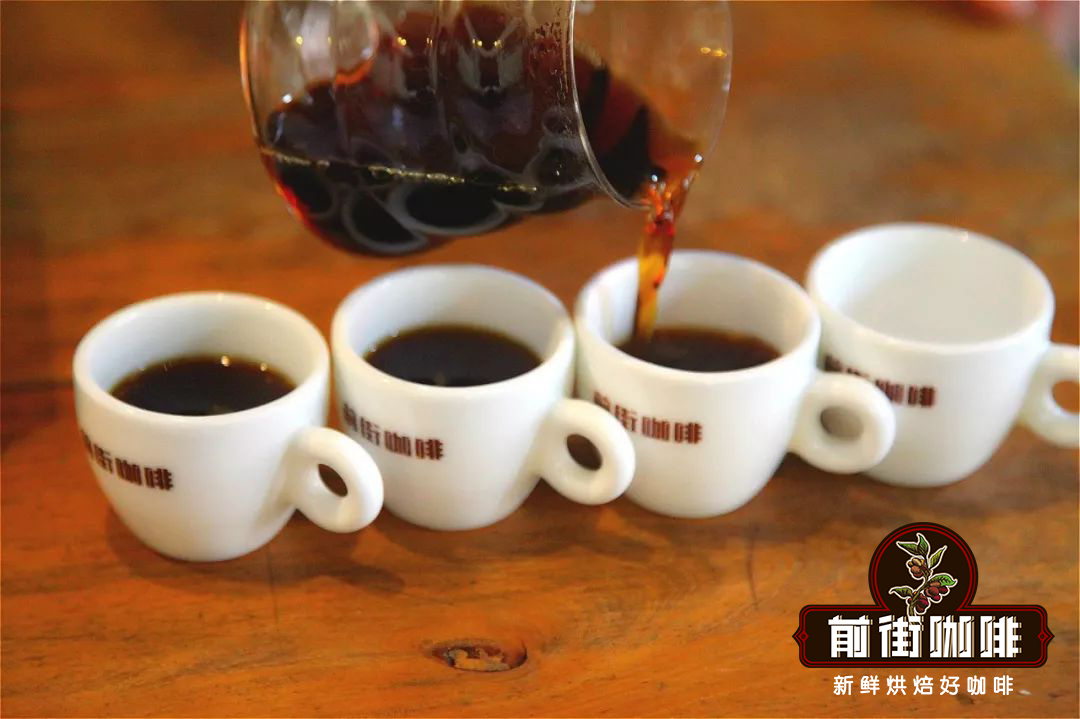
FrontStreet uses staged extraction, blooming with 30g of water for 30 seconds. Using a small water flow in circular motions, pour to 125g for staging. When the water level drops and is about to expose the coffee bed, continue pouring to 225g and stop. When the water level drops and is about to expose the coffee bed again, remove the dripper. (Timer starts from the bloom) Extraction time is 2'00".

Flavor Descriptions
FrontStreet Golden Mandheling: Multi-layered, rich and clean, high balance, intense nut and caramel aroma, with chocolate notes and a persistent finish.
FrontStreet Lintong Mandheling: Herbal and medicinal notes on entry, dark chocolate, caramel, sweet aftertaste.
FrontStreet Coffee Recommendation
If this article has you curious about Mandheling, FrontStreet's Mandheling lineup is the place to start. FrontStreet Lintong Mandheling comes from the Lintong growing area around Lake Toba in North Sumatra, medium-dark roasted to tame its acidity and highlight a thick, mellow body. Expect caramel, dark chocolate, and toasted bread aromas, low acidity, a strong and lingering sweetness, and the classic wild herbal, spice, and cedar notes that wet hulling gives Sumatra. It is a natural fit for anyone who likes a heavy, low-acid coffee.
For the top of the range, choose FrontStreet PWN Golden Mandheling, produced by Indonesia's PWN from high-quality Mandheling green beans that pass one machine sort and three hand sorts, with beans of 18 mesh or larger, fewer than 3 defects per 300g, and G1 grade. The beans are large, even, and translucent, and after medium-dark roasting they pour out clean, full-bodied cups with dark chocolate, caramel, sandalwood, herbs, spice, and roasted hazelnut. FrontStreet suggests brewing it as pour-over with 15g of coffee, 87-88°C water, a 1:15 ratio, and a coarse-sugar grind, using a three-stage pour: 30ml to bloom, 100ml to lift the bed and release the golden foam, then a gentle 95ml centered pour to build sweetness. If you want that Mandheling character in milk drinks, FrontStreet Classic Blend adds medium-dark Mandheling to Brazil's creamy nut base for a fuller body with butter, roasted chestnut, and caramel.
Important Notice :
FrontStreet Coffee is a long-established specialty coffee roaster in Guangzhou China, selling freshly roasted beans from its own farm in Yunnan as well as dozens of carefully selected single-origin beans from around the world for both pour-over and espresso. The products deliver consistently excellent quality and great value, with shipping within 24 hours. Guangzhou's FrontStreet Coffee shop is recommended by many coffee lovers, and the beans are now available online at the Tmall 。
FrontStreet Coffee has moved to a new address:
FrontStreet Coffee Address: 315,Donghua East Road,GuangZhou
Tel:020 38364473
 Scan and follow the En Gafei WeChat official account. Please indicate that the reprint comes from "En Gafei".