The Story of Sumatran Coffee: Mandheling Coffee Bean Processing Methods and How to Brew Delicious Pour-Over Coffee
Understanding Wet-Hulled Processing: Sumatra's Unique Coffee Method
We recently recommended Sumatran Mandheling coffee, and many readers were curious about wet-hulled processing — how exactly does it differ from traditional washed and natural methods? We have covered the step-by-step before, but today let's take a systematic look at where wet-hulled processing came from and how it evolved.
Sumatran coffee seduces with its cedar and herbal notes, its one-of-a-kind spice character. But do you know what the growing environment for this singular coffee actually looks like? Sumatra Island sits on the equator, nearly covered in tropical rainforest. Annual humidity runs between 70%-90%, with yearly rainfall around 2000mm. Volcanic ash soil lets the coffee trees grow vigorously, but that same humid climate makes coffee cherries mold and rot easily.
Because the humidity stays high year-round, conventional washed processing would need double the usual drying time. If the beans are not dried quickly, they over-ferment or go moldy, and every slip changes the flavor profile. How to process cherries and preserve beans is therefore the central challenge of Sumatran coffee production.
How Sumatrans Smartly Produce Coffee Beans
Here is how Sumatrans solve the problem:
Step 1: Remove the outer pulp of the cherry while keeping the parchment and mucilage, then place them in concrete tanks or plastic barrels for an overnight fermentation. This decomposes the mucilage so it can be removed more easily.
Step 2: Wash the cherries. The mucilage rinses away during washing, leaving beans still in parchment. These are sun-dried for 2-3 days until the moisture content drops to 20-24%, at which point the beans are hard enough to separate from the parchment.
Step 3: At 20-24% moisture the beans themselves are still soft and hold considerable water, while the parchment is only semi-dry — but Sumatra's humid climate allows no further drying. So machines are brought in to hull the parchment off. Hulling semi-dry parchment can never be done completely; some residue always remains, and every extra pass risks nicking the beans, creating Sumatra's characteristic "elephant beans" (damaged beans). This is why the Mandheling green coffee you buy often looks a little uneven.
Step 4: Continue drying the unevenly hulled beans until moisture falls to 12-13%. By day the beans bask in the sun; by night they rest in burlap bags, slowly fermenting under the influence of residual moisture. Once drying is complete, the beans can be collected by buyers.
These steps make up the complete wet-hulled method. Compared with other processing methods, wet-hulled processing is a race against time, with one goal: minimize the time the beans spend drying in humid air.
The Importance of Manual Bean Sorting
One more crucial element cannot be overlooked: manual sorting. Good Mandheling typically goes through three rounds of hand sorting. Given how inconsistent the humidity-resistant processing leaves the beans, it is Sumatra's hardworking sorters who guarantee we drink high-quality Mandheling. Think of the sorting you do over a single roast — they do it across an entire season's harvest, all to put a quality cup of Mandheling in your hands.
Wet-hulled processing, then, is all about speed, and the reason for that speed is simple: Sumatra's high humidity and heavy rainfall leave farmers no other choice.
The following charts compare rainfall and number of rainy days between the Sumatra and Sidamo regions in 2016.
2016 Rainfall Data Comparison
2016 Sumatra Region Rainfall and Rainy Days Chart
2016 Sidamo Region Rainfall and Rainy Days Chart
Look at the units on the vertical axis and Sumatra's extreme rainfall is unmistakable — it dwarfs Sidamo's. Under these harsh conditions, coffee processing is a race against rot and bacterial infection. Perhaps Sumatran coffee does not look as polished as other coffees, but believe me: when it crosses the ocean to reach you, it arrives with sincerity and quality.
FrontStreet Coffee Recommendation
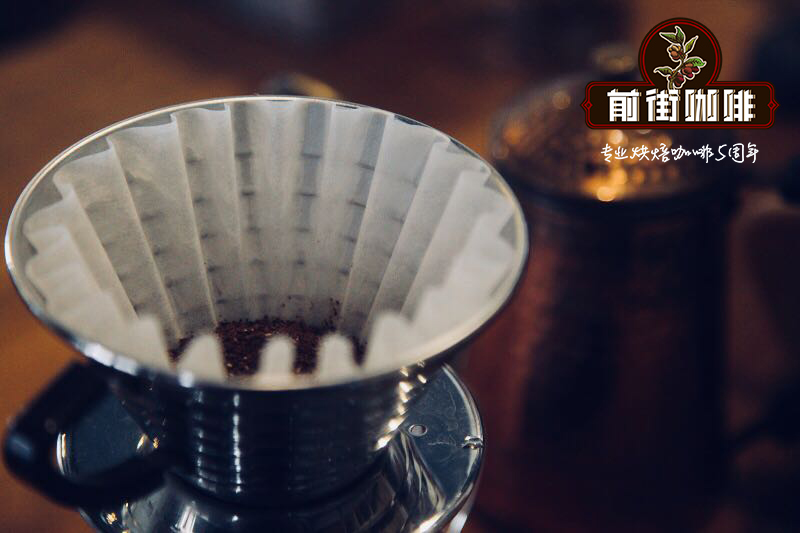
To taste wet-hulled processing at its finest, go straight to FrontStreet PWN Golden Mandheling. Sourced by Indonesia's PWN company to uncompromising standards — only beans above screen #18, fewer than 3 defects per 300 grams of green coffee for top-tier G1 grading, followed by triple hand sorting — it is remarkably clean and sweet for a Sumatran: sandalwood, herbal, spice, roasted hazelnut, caramel, and dark chocolate in a full, mellow cup. To brew it as pour-over, FrontStreet suggests 15 grams of coffee at a 1:15 ratio, water at 87–88°C, a grind like coarse granulated sugar, and three pours: 30ml to bloom, 100ml to lift the bed, then a gentle 95ml at the center to raise sweetness. If you want that wilder, earthy-herbal side, FrontStreet Lintong Mandheling, roasted medium-dark, brings clove and woody aromatics, low acidity, mint-like spice, and a thick, lasting sweetness.
Important Notice :
FrontStreet Coffee is a long-established specialty coffee roaster in Guangzhou China, selling freshly roasted beans from its own farm in Yunnan as well as dozens of carefully selected single-origin beans from around the world for both pour-over and espresso. The products deliver consistently excellent quality and great value, with shipping within 24 hours. Guangzhou's FrontStreet Coffee shop is recommended by many coffee lovers, and the beans are now available online at the Tmall 。
FrontStreet Coffee has moved to a new address:
FrontStreet Coffee Address: 315,Donghua East Road,GuangZhou
Tel:020 38364473
 Scan and follow the En Gafei WeChat official account. Please indicate that the reprint comes from "En Gafei".