Hawaii Kona Coffee Grading Standards_How to Identify Real Hawaiian Kona Coffee?
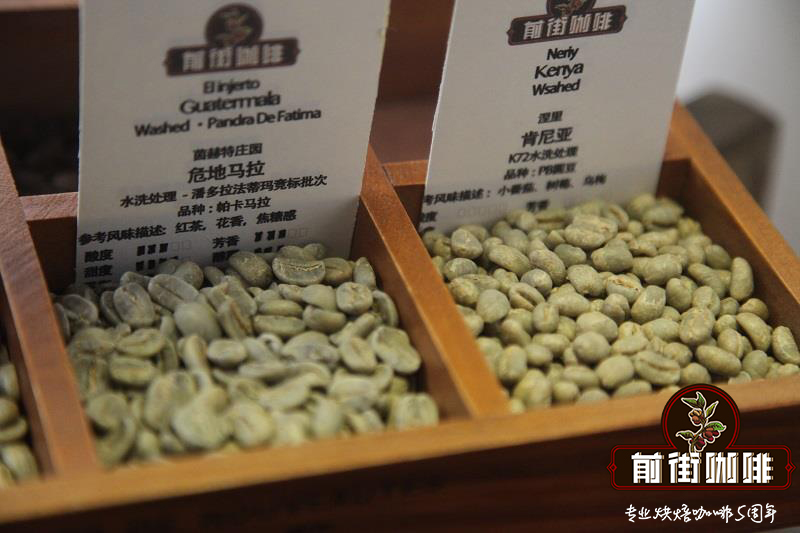
Hawaiian Kona: The Queen of Coffee
When most people picture Hawaii, they think of beaches and vacations long before they think of coffee. Yet the islands are also a genuinely important coffee-producing region.
Hawaii is the only part of the United States where coffee is grown commercially. For decades, Jamaica Blue Mountain and Hawaiian Kona were spoken of together as the king and queen of the coffee world, prized around the globe.
Origins and Growing Conditions
The Hawaiian Islands were born from volcanic eruptions and number 132 in total. Hawaii Island is the largest of them, which is why it is simply called the Big Island. It is home to two active volcanoes, enjoys a mild and pleasant climate all year round, and is roughly 50% forest. On the Kona coast along the island's southwestern shore, volcanic ash soil nurtures Hawaii's most famous and most traditional coffee: Kona.
Kona's excellence comes down to geography and climate. The coffee trees grow on the slopes of volcanic mountains, where the terrain provides the altitude the plants need. The dark volcanic ash soil supplies essential minerals. The weather is close to ideal: mornings bring soft sunlight filtered through humid air, afternoons turn misty and damp in the hills, drifting clouds act as natural parasols for the trees, and nights are clear and cool but never frosty. Those conditions produce Kona's signature cup - not overly strong, not especially acidic, and full of a pleasing wine-like aroma.
Hawaiian Kona Coffee Grading Standards
The top grade is Extra Fancy (19 mesh), followed by Fancy (17-18 mesh), then Prime, and finally KONA #1 (Number One).
This runs opposite to Blue Mountain, so if you visit Hawaii and ask for Kona No. 1 expecting the best, the locals will probably have a laugh at your expense. Kona beans that fall outside these grades are simply sold as "Hawaiian coffee" and may not be labeled 100% pure Kona.
Most coffee on the market sold as "Kona" contains less than 5% genuine Hawaiian Kona. Even in Hawaii itself, real Kona is surprisingly hard to find. When buying, check the label carefully for "100% Kona" versus "Kona Blend." Price is another clue - if a bag costs only a little more than ordinary coffee, it is unlikely to be the real thing.
Why We Don't Chase Rare Coffees
Some coffees are expensive purely for their rarity, not because they taste better.
Taste is subjective, and a costly coffee is not automatically the one you will enjoy most.
High prices also mean slow turnover, which makes freshness difficult to guarantee.
In short, we believe coffee is an everyday necessity that should stay within easy reach - that is where its real value lies. We will still offer small-batch custom orders of rare coffees for anyone who wants to try them, but that is all it is.
FrontStreet Coffee Recommendation
The article above places Hawaiian Kona beside Jamaica Blue Mountain as the queen and king of the coffee world, so if Kona's balanced, wine-like character appeals to you, Blue Mountain is the natural next cup to explore. FrontStreet Coffee's Jamaica Blue Mountain No. 1 comes from the historic Clifton Estate, where coffee has been grown since around 1750, and the beans are shipped in the estate's traditional wooden barrels. Roasted to a medium-dark level, it delivers the classic Blue Mountain balance of nut, dark chocolate, cream caramel and gentle sweetness. If you want to taste the other half of the famous Kona-and-Blue-Mountain pairing, this is the one to brew.
Important Notice :
FrontStreet Coffee is a long-established specialty coffee roaster in Guangzhou China, selling freshly roasted beans from its own farm in Yunnan as well as dozens of carefully selected single-origin beans from around the world for both pour-over and espresso. The products deliver consistently excellent quality and great value, with shipping within 24 hours. Guangzhou's FrontStreet Coffee shop is recommended by many coffee lovers, and the beans are now available online at the Tmall 。
FrontStreet Coffee has moved to a new address:
FrontStreet Coffee Address: 315,Donghua East Road,GuangZhou
Tel:020 38364473
 Scan and follow the En Gafei WeChat official account. Please indicate that the reprint comes from "En Gafei".