Tanzanian Coffee - Are Coffee Beans from the Shiviwaka Region Bitter? What Flavors and Characteristics Do They Have?
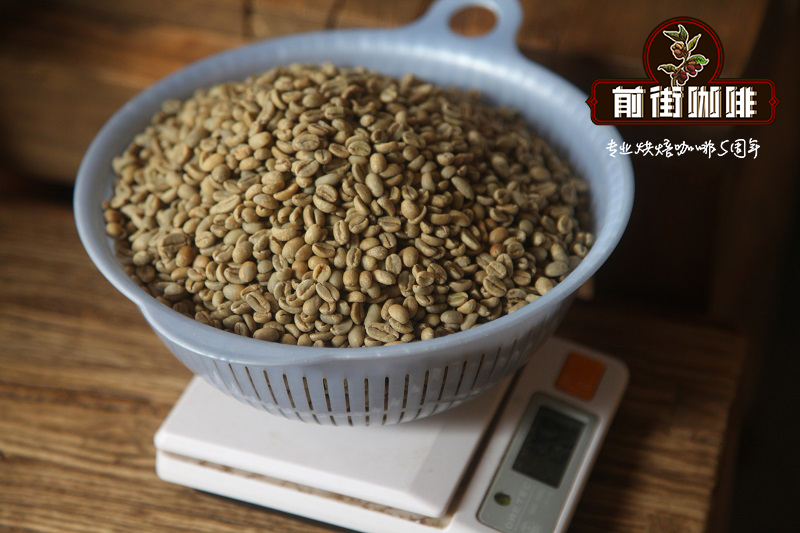
Tanzania Shiviwaka Coffee: A Complete Guide
Are Tanzania Shiviwaka Coffee Beans Bitter? What Do They Taste Like, and How Should You Brew Them?
Tanzania is best known for peaberry coffee, but this AA from Tanzania's Shiviwaka Co-Op ranks among the finest African coffees we have tasted this year. Shiviwaka exists to help smallholders bring their crop to market and to create positive change for Tanzania's coffee growers, their families, their communities and the land. It represents the interests of more than 8,500 coffee farmers across the Mbeya, Mbozi, Ileje and Rungwe district councils. The organization first became the apex body for smallholders in the Mbeya region in 2007. It was registered as a farmer-owned non-governmental organization in 2009 under the Non-Governmental Organizations Act of 2002, and obtained company limited by guarantee status in 2014. Shiviwaka helps member farmers optimize how they market their coffee, keeps them informed about price fluctuations and quality requirements, and builds lasting relationships with potential overseas buyers.
The southern highlands of Tanzania, near the borders with Zambia and Malawi, offer mountains, mineral-rich volcanic soil and lush rolling hills - everything Arabica coffee needs. The farmers behind this coffee are the Shiviwaka group. Shiviwaka, meaning "coffee farmers' association," was founded in 2007 with the goal of raising both output and quality to improve livelihoods. Guided by accountability, transparency, good governance and volunteerism, these growers pursue that mission by producing coffee that is both inspiring and excellent.
Flavor Profile
This washed coffee is simply a fantastic Tanzania. On the cupping table it shows sweet vanilla and coconut with honeydew melon. On the palate the vanilla is joined by rich chocolate and melted butter. The acidity is crisp and citrus-driven, and the body is delicate and smooth. It will remind you of a great Kenya AA - and it has been a long time since we carried a Kenya this good.
Tanzania's Coffee Growing Regions
Tanzania's main coffee areas include Arusha (Meru), the Moshi district on the slopes of Mount Kilimanjaro, Oldeani in the Arusha region, the highlands between Lake Tanganyika and Lake Nyasa, and Songea in the Ruvuma region of southeastern Tanzania, where the Ruvuma River forms most of the southern border with Mozambique.
Coffee from southern Tanzania often benefits from better drying conditions and improved transport - a real advantage, since many of the complaints about defective Tanzanian batches trace back to "steaming" inside shipping containers during transit. See also Tanzania Peaberry Coffee and Tanzania Kilimanjaro Coffee. Tanzania Arusha is the market name for Arabica plants of the Arusha variety grown in the mountains. The Arusha variety is an Arabica cultivar that can be either Typica or French Mission.
Tanzania's three most distinctive coffees are Moshi, Arusha and Kilimanjaro, all grown in mountainous areas. Mount Kilimanjaro sits near Tanzania's border with Kenya. Such high elevations mean almost all Tanzanian coffee qualifies as Strictly High Grown (SHG).
Mbeya (the name of a major town) and Pare (a market name) reach further south between Lake Nyasa and Lake Tanganyika, and are likewise respected, though available in smaller quantities.
Technical Specifications
Altitude: 1,400 to 1,800 meters above sea level
Arabica Varieties: N&KP, Kent, Bourbon Whiskey
Harvest Period: July-August (North); April-May (South)
Tanzania's overall green coffee quality and consistency still trail far behind Kenya's. The wine-like acidity of Tanzanian coffee is comparable to other Arabicas and African coffees. All Tanzanian coffee is wet-processed (washed), and the country's grading system resembles Kenya's, with Tanzania AA the top grade, followed by A, B and so on.
The aroma of Tanzanian coffee can show earthy notes, sometimes with the sweetness of brown bread. The finish lingers with subtle hints of East African wildness. Compared with Kenyan coffee, Tanzanian coffee is slightly less acidic and less consistent, with a milder body. Its fruit and acidity are more understated, yet still shine through. Ground Tanzanian coffee may offer sweet molasses aromas, a touch of florality, and apple-like fruit.
Flavor: Sweet vanilla and coconut with honeydew melon. The flavors continue on the palate, with vanilla joined by rich chocolate and melted butter. The acidity is crisp and citrus-driven, with a delicate and smooth body.
FrontStreet Coffee's Recommended Brewing Method:
Dripper: Hario V60
Water Temperature: 88°C
Grind Size: Small Fuji grind level 4
Brewing Technique: Water-to-coffee ratio 1:15, using 15g of coffee grounds. First infusion with 25g of water for a 25-second bloom. Second infusion to 120g, then pause. Once the water level in the coffee bed drops to halfway, resume a slow pour until you reach 225g total water. Total extraction time approximately 2:00.
Analysis: The three-stage method clearly separates the front, middle and back-end flavors of the coffee. Because the V60 has many ribs and drains quickly, pausing between pours extends the extraction time.
FrontStreet Coffee Recommendation
If the crisp, citrus-driven acidity and clean body of this Tanzanian AA appeal to you, FrontStreet Coffee's Washed Yirgacheffe Gedeb G1 is a perfect companion cup. Graded G1, Ethiopia's highest tier, it is fully washed and shows elegant white florals, citrus, orange and green tea - the same bright, clean profile that makes washed East African coffee so compelling. Both coffees reward a light, careful pour-over, so you can brew them side by side and compare the lemon-and-tea clarity of Yirgacheffe with the vanilla-and-honeydew sweetness of Shiviwaka.
Important Notice :
FrontStreet Coffee is a long-established specialty coffee roaster in Guangzhou China, selling freshly roasted beans from its own farm in Yunnan as well as dozens of carefully selected single-origin beans from around the world for both pour-over and espresso. The products deliver consistently excellent quality and great value, with shipping within 24 hours. Guangzhou's FrontStreet Coffee shop is recommended by many coffee lovers, and the beans are now available online at the Tmall 。
FrontStreet Coffee has moved to a new address:
FrontStreet Coffee Address: 315,Donghua East Road,GuangZhou
Tel:020 38364473
 Scan and follow the En Gafei WeChat official account. Please indicate that the reprint comes from "En Gafei".