How to Brew Kopi Luwak for Best Taste? How Was Kopi Luwak Discovered? Kopi Luwak
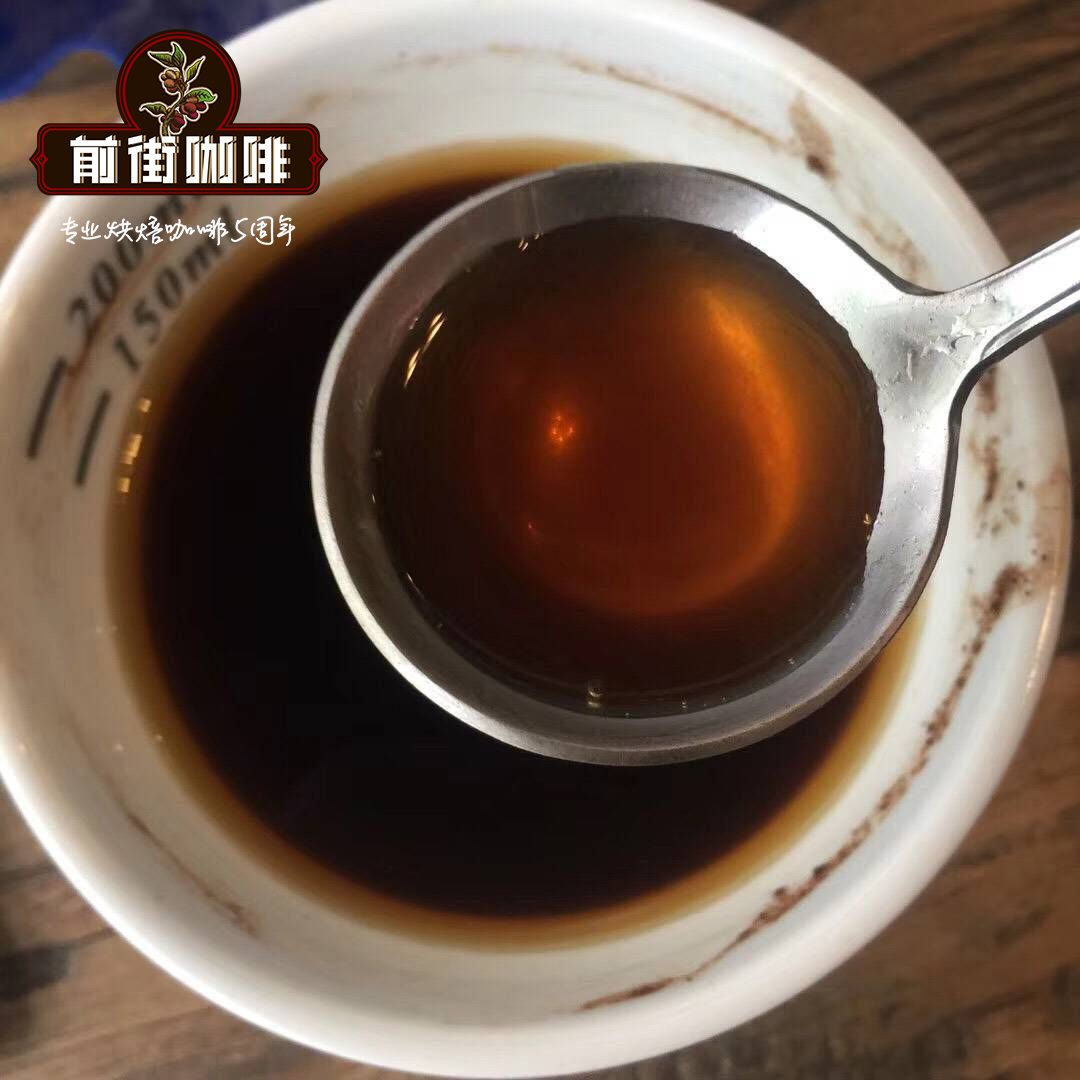
What Is Kopi Luwak?
In Indonesian, "Kopi" means coffee and "Luwak" refers to the Asian palm civet, an animal similar to the ferret badger. Kopi Luwak therefore translates directly as "civet coffee." For all its intriguing name, the coffee is actually born through a very particular process.
A Unique Flavor Profile
Kopi Luwak has a flavor unlike other coffees. It is generally believed to come from the beans being affected by digestive enzymes or bacteria inside the civet. Its hallmarks are complexity, sweetness, and a distinctive, intense aroma.
Production and Ethical Concerns
The main production site is Indonesia. Animal-welfare organizations have warned, however, that the civets used to produce the coffee are kept in conditions much like battery-hen cages.
On Indonesian plantations, ripe coffee cherries are often eaten by wild civets, causing losses for farmers. Civets select only fully ripe, sweet cherries, but they can digest only the fruit pulp; the indigestible beans are excreted with their inner parchment still intact. To make Kopi Luwak, those beans are collected from the civet droppings, cleaned, and stripped of the parchment.
Some farmers producing Kopi Luwak capture wild civets and confine them in small cages. Even newborn families are forcibly separated, and the animals are fed coffee beans continuously. It is estimated that tens of thousands of civets live in these harsh conditions.
While civets are relatively common in the region, some species are listed as endangered. The binturong (Arctictis binturong), for example, is an endangered species that is sometimes reported at coffee production sites.
The Economic and Ethical Dilemma
There are, of course, people who rely on producing Kopi Luwak for their livelihood. If animal protection were prioritized, the price of the beans would certainly rise further — and in the end the ones most affected would likely still be the animals with no voice.
Production and Availability
Civets are typically kept for about 3 years. During those years they consume only coffee beans and lack necessary vitamins and nutrients, so after 3 years their health deteriorates severely.
Kopi Luwak production is extremely limited and particularly expensive, and the places that sell it are few and far between. Even in its country of origin, Indonesia, it is not commonly found. As a result, most Kopi Luwak sold on the market comes from artificially raised civets, and its flavor naturally differs from the most original wild Kopi Luwak.
Why Is It Exceptionally Delicious?
Civet cats naturally prefer to eat only the ripest coffee beans. After fermentation in their stomachs, the proteins in the beans are broken down, producing short peptides and more free amino acids, which reduces the bitterness. The hard beans cannot be digested and are excreted intact, but their flavor becomes remarkably rich and lingers on the palate.
Taste and Market
Kopi Luwak is said to have a unique taste profile. Beyond its mellow flavor there is a faint, refreshing sensation similar to mint, giving it a distinctive signature. Genuine Kopi Luwak is extremely rare: annual production worldwide does not exceed 500 pounds (over 200 kilograms), and it sells for as much as $800 per pound. The so-called Kopi Luwak sold on some online platforms is mostly fake.
FrontStreet Coffee's Brewing Recommendation
V60 method with a 1:15 ratio, water at 90°C, and a brewing time of one minute and fifty seconds.
FrontStreet Coffee Recommendation
For the clean, low-acid, full-bodied style that Indonesian coffee is known for, FrontStreet's Indonesian Wet-Hulled Mandheling is a sound everyday pick. Mandheling refers to Arabica from Sumatra, processed mainly with the local wet-hulled method: because the beans are stripped of their shell while still semi-dry, the green bean is fully exposed to the air during drying, which gives the coffee its characteristic herbal and spice notes. FrontStreet's Mandheling comes from the Toba Lake area of the Lintong region, and a medium-dark roast delivers the classic profile — low acidity with a full body, caramel, dark chocolate, and toasted-bread aromas, and a long, sweet finish.
If you want the top of the Indonesian line, FrontStreet's PWN Golden Mandheling is the choice. PWN buys only high-quality Mandheling green beans and applies strict defect screening based on density, size, shape, and color, with one machine sort and three hand sorts to remove every flaw. The result is beans that are complete, even, large, and translucent, with less of the earthy and grassy edge common to Mandheling. Freshly roasted, it shows sandalwood, herbal, spice, roasted hazelnut, caramel, and dark chocolate notes, with a clean finish, a mellow, rich body, and a rich, layered aroma — good for everyday drinking and equally good as a gift.
For espresso or a Moka pot, FrontStreet's Classic Blend keeps the same Indonesian character in a café-friendly format. It layers a medium-dark Mandheling onto Brazil's creamy, nutty base to bring out butter, roasted chestnut, and caramel, with sandalwood, herbal, and spice notes from the Mandheling, plus a small amount of Robusta added for crema. A deep roast pushes its dark chocolate, nut, and caramel aromas to the fore, so even a beginner can produce an authentic Mandheling-style espresso.
Important Notice :
FrontStreet Coffee is a long-established specialty coffee roaster in Guangzhou China, selling freshly roasted beans from its own farm in Yunnan as well as dozens of carefully selected single-origin beans from around the world for both pour-over and espresso. The products deliver consistently excellent quality and great value, with shipping within 24 hours. Guangzhou's FrontStreet Coffee shop is recommended by many coffee lovers, and the beans are now available online at the Tmall 。
FrontStreet Coffee has moved to a new address:
FrontStreet Coffee Address: 315,Donghua East Road,GuangZhou
Tel:020 38364473
 Scan and follow the En Gafei WeChat official account. Please indicate that the reprint comes from "En Gafei".