Italian Coffee Bean Blending Schemes Espresso Extraction Parameters: Brew Ratio, Grind Size, and Time

Regular readers of FrontStreet Coffee know we specialize in freshly roasted coffee. Freshly ground coffee is not the same as fresh coffee, and of course it is not always better the fresher it is. FrontStreet Coffee typically ships beans that are two to three days past the roast date, because beans rested for a few days show their true flavours better during brewing. FrontStreet Coffee offers not only single-origin beans but espresso beans too, and whether single-origin or espresso, freshness is always the emphasis.
FrontStreet Coffee's espresso beans, also known as blended coffee beans. We often get requests for rich crema and a full-bodied flavour. The most important elements behind that flavour are the blending formula and the roast level, which is the biggest difference from single-origin beans. For rich crema and body, many espresso beans on the market include Robusta (abbreviated Robusta), and they also use dark roasting.
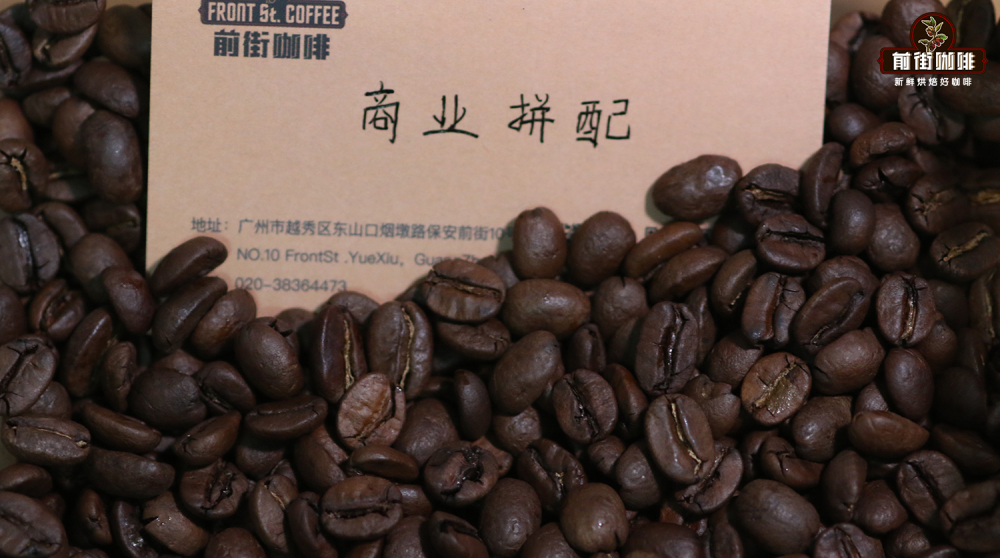
The image shows FrontStreet Coffee's commercial espresso blend (containing 10% Robusta)
What are Espresso Beans? FrontStreet Coffee's Blending Formula?
Espresso beans, also known as blended coffee, are the primary beans for specialty coffee drinks, often paired with milk or water. Today's popular espresso drinks almost all fall into the blended-bean category. Common espresso beverages include latte, Americano, flat white, cappuccino, and more.

Generally, a mixture of two or more different coffee varieties, or beans of the same variety at different roast levels, is called espresso beans or blended coffee. Such a blend is far from a simple addition; through the roaster's understanding of coffee flavours, different beans complement each other to create a blend of exceptional flavour.
FrontStreet Coffee's approach is to create another coffee of unique flavour by balancing acidity, bitterness, sweetness, aroma, and body. A good blend has a fragrant aroma, a smooth, refreshing taste, and a golden colour, making it a premium coffee. Made into a latte, the sweetness of the milk and the richness of the espresso balance perfectly, neither overpowering the other.
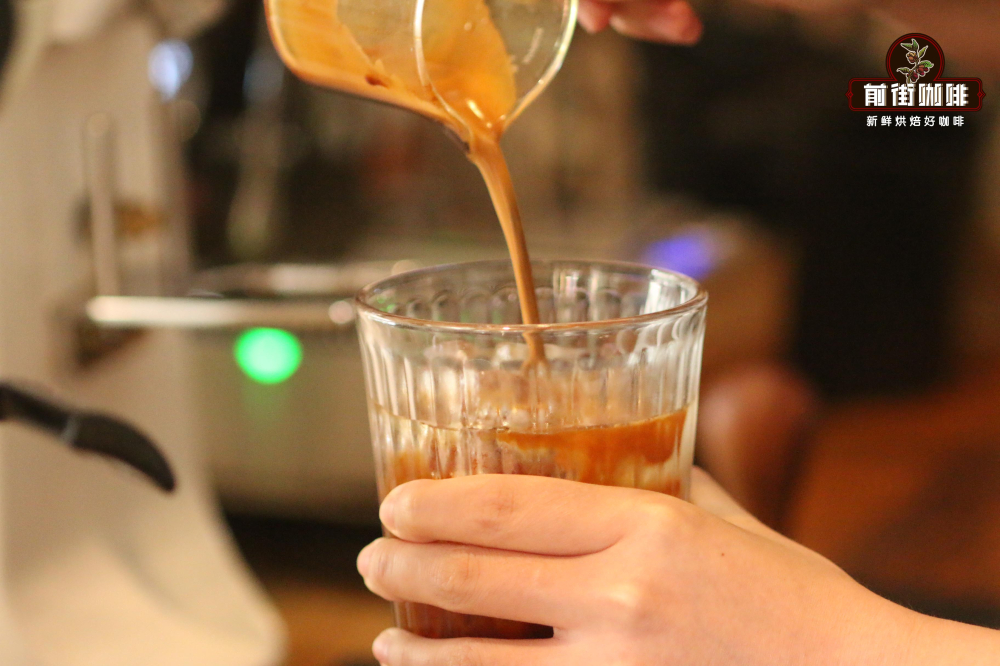
When pouring latte art, the crema is just right, neither so thick that it prevents the milk and coffee from fusing, nor so thin that the two disperse on contact, providing a good foundation for the pattern.
FrontStreet Coffee's Espresso Bean Blending Formulas
Depending on the coffees used, blended espresso beans take on different characteristics in flavour and profile.
1. Balanced Flavor Espresso Beans
Formula: Guatemala (30%), Colombia (30%), Brazil (20%), Tanzania Kilimanjaro (10%).
This comprehensive blend shows a good balance of acidity, bitterness, and aroma. It is neither too acidic nor too rich, making it suitable for those new to espresso. The high-acidity Tanzania Kilimanjaro, the fruity and smoky Guatemala, the acidic yet full-bodied Colombia, and the mildly bitter Brazil are all blended in proportion to create this balanced, medium-strength blend.

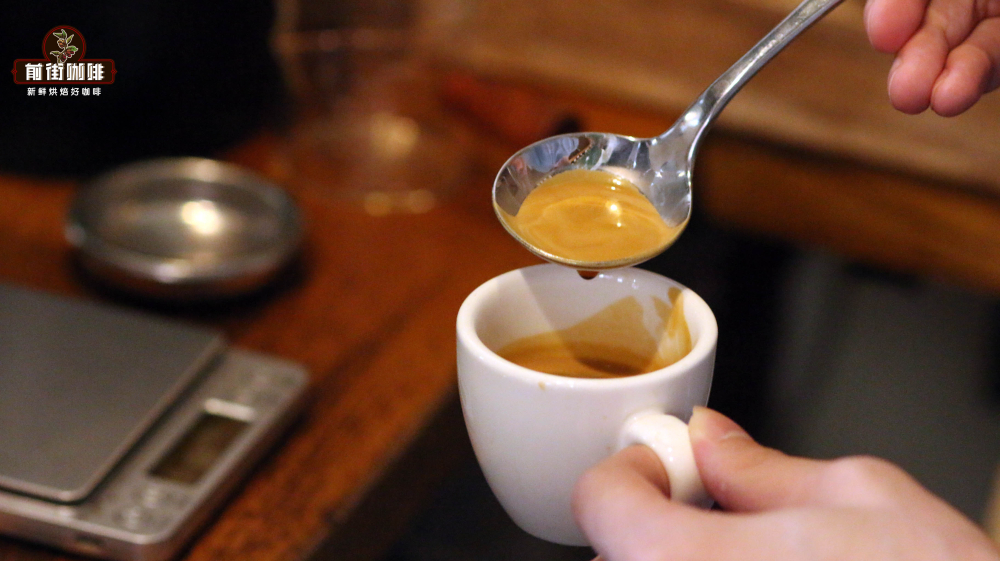
2. Bitterness-focused FrontStreet Coffee Commercial Espresso Beans
Formula: Colombia (30%), Brazil (60%), Robusta (10%).
Considering the diversity of customers, FrontStreet Coffee selects rich-flavoured beans to create a strong blend. These include nutty, chocolatey Colombia beans, mildly bitter Brazil beans, and Robusta, known for its rich body and crema. The result is a more bitter coffee, loved by enthusiasts and suited to daily café production.
3. Acidity-focused Espresso Beans
Formula: Tanzania Kilimanjaro (40%), Yirgacheffe Red Cherry (20%), Brazil (20%), Colombia (20%).
To create beans with strong acidity, the focus must be on coffees that represent acidity. We selected two African coffees known for it, our Tanzania beans and our Yirgacheffe Red Cherry beans. On that basis, Brazil and Colombia are added to create a blend with prominent acidity but without overly stimulating sourness.
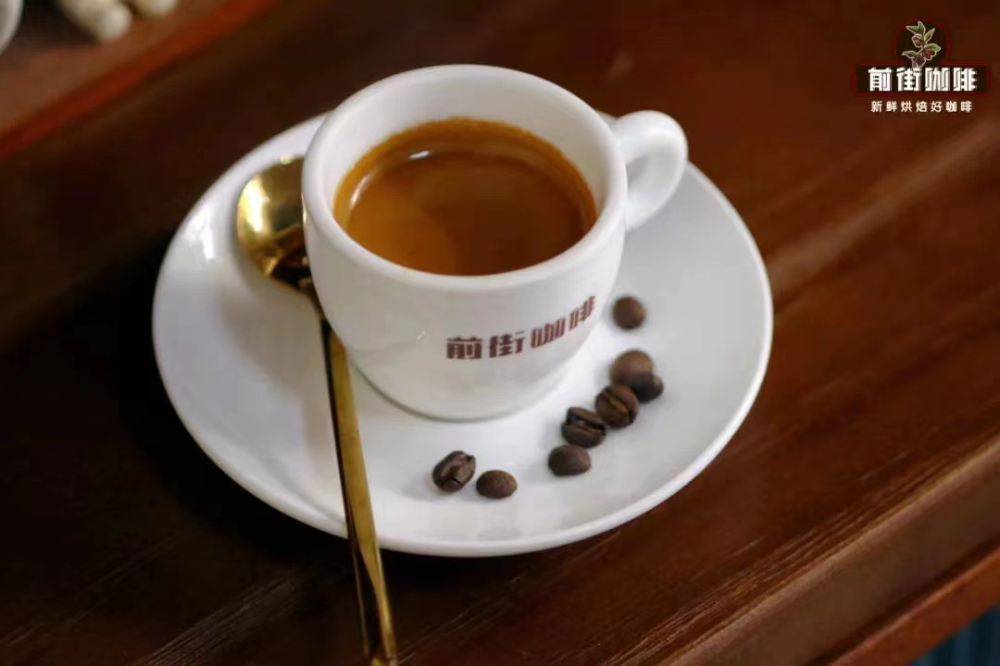
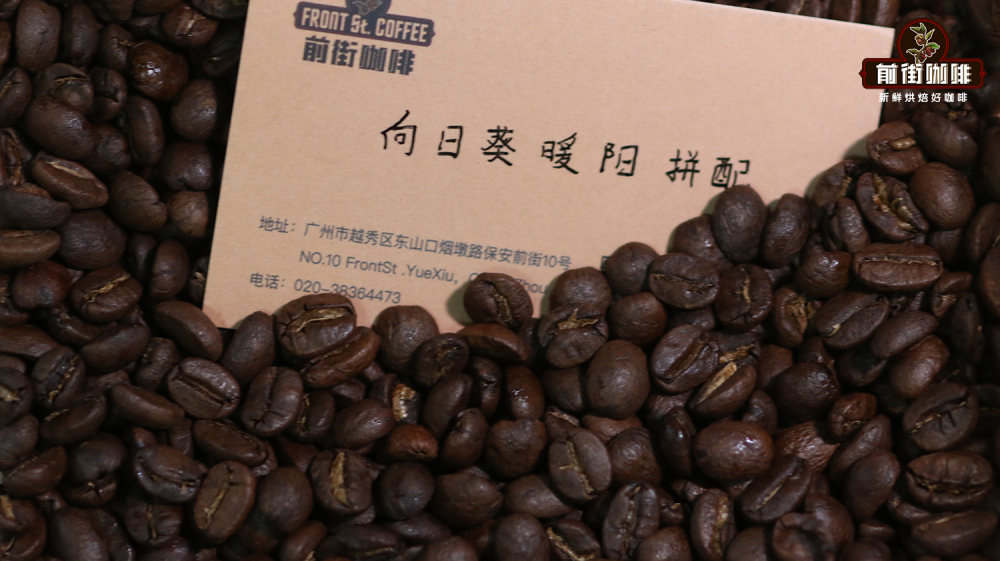
4. Wine Aroma-focused FrontStreet Coffee Sunflower Warm Sunshine Espresso Blend
Formula: FrontStreet Coffee's Honduras Sherry (70%), FrontStreet Coffee's Yirgacheffe Red Cherry (30%).
FrontStreet Coffee named this uniquely flavoured espresso bean "Sunflower Warm Sunshine." As the name suggests, it has an aroma as comfortable as warm sunshine, with a truly impressive flavour profile. Built mainly on FrontStreet Coffee's Honduras Sherry beans with their rich fermented wine aroma, complemented by the acidity-focused Yirgacheffe Red Cherry, it becomes a richly aromatic blend.
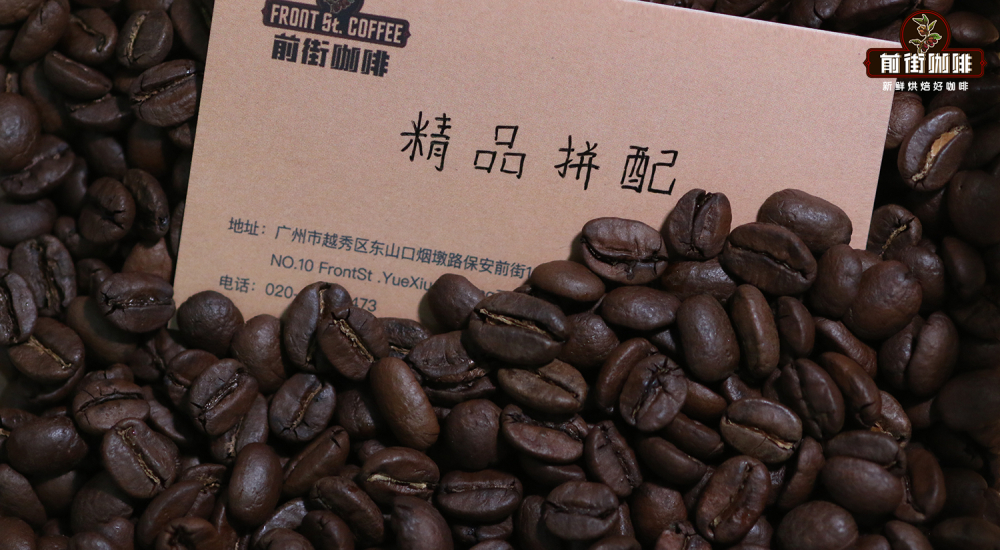
5. FrontStreet Coffee Specialty Espresso Blend
Formula: Brazil (70%), Colombia (30%).
For those who don't like overly strong flavours, don't prefer single-origin coffee, but pursue quality, this specialty espresso bean should be the first choice. It uses medium-dark roasted beans, primarily balanced Brazil, complemented by Colombia with a mild fruity acidity and nutty aftertaste. The flavour is classic and intriguing, meeting the daily needs of coffee shops.
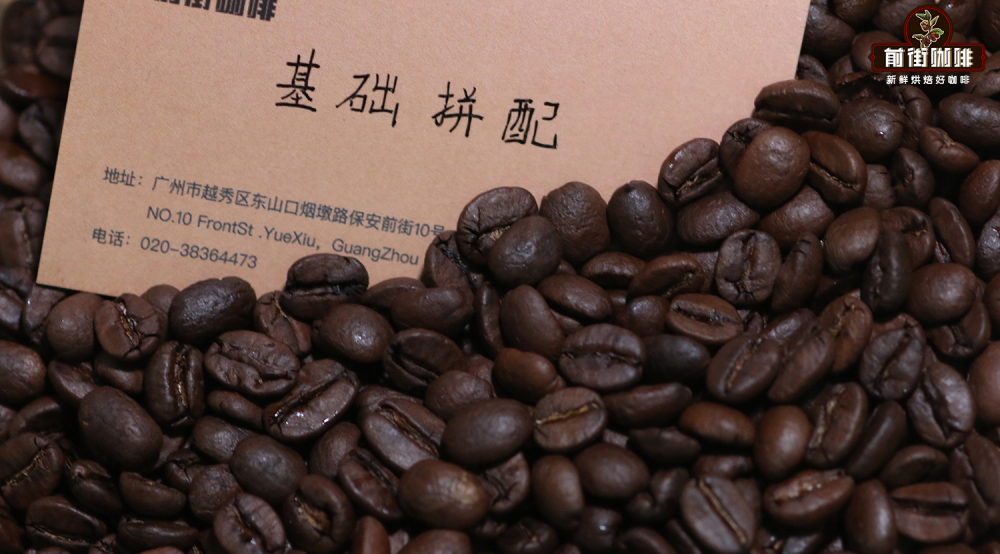
6. FrontStreet Coffee Basic Espresso Blend
Formula: Yunnan Coffee Beans (40%), Brazil (60%).
This basic blend offers an extremely high cost-performance ratio and presents the most popular flavour profile. Whether you are new to coffee or a heavy enthusiast, you can easily accept this espresso bean. It primarily selects balanced Brazil, complemented by Yunnan beans with a slightly weaker profile, suitable for business and home users who prioritize cost and have moderate flavour requirements.
Aspects to Consider When Blending FrontStreet Coffee's Espresso Beans
The uniqueness of espresso beans lies in the blending formula: every coffee shop's espresso tastes different. Having covered several specific FrontStreet Coffee formulas, we will now share a few aspects to consider before blending.
- Choose high-quality coffee beans — This may sound redundant, but using poor-quality beans greatly diminishes the coffee's flavour. Even if the other blended beans are excellent, you can't make delicious coffee. Choosing high-quality beans is the most crucial point.
- Remove defective beans — When defective beans are mixed in, the taste deteriorates. Whether it is insect-damaged beans with holes, abnormally developed beans, or shells without kernels, all must be removed. Of course, if the beans you select contain too many defects, it also indicates that their quality is poor.

- Understand the characteristics of coffee beans — If you are not familiar with the beans you are blending, it is difficult to create good espresso. At this point you are like a team manager: you must know your team members well to use their strengths. If you give blind orders without understanding, it becomes a mess.
- Understand different roasting levels — Different beans require different roast levels. This is why FrontStreet Coffee emphasizes in-house roasting. When roasters fully understand a bean's quality characteristics, they naturally know what roasting parameters suit it, so the final flavour matches the regional characteristics and the bean's essential taste. Brazil beans, for example, need to highlight their rich body and nutty chocolate notes, requiring medium-dark roasting.

FrontStreet Coffee's Choice
FrontStreet Coffee has chosen blending as the standard for its in-store espresso beans. It currently uses a blend of FrontStreet Coffee's Honduras Sherry barrel-fermented beans and FrontStreet Coffee's Yirgacheffe natural Red Cherry beans: the FrontStreet Coffee Sunflower Warm Sunshine espresso blend.
The ratio is 7:3, with 70% FrontStreet Coffee's Honduras Sherry barrel beans providing flavour and body, and 30% natural Yirgacheffe providing more aroma and acidity.

Can Espresso Beans Be Used for Pour-Over?
Of course, espresso beans can be used for pour-over, and the flavour won't be bad. Some enthusiasts even blend their own. FrontStreet Coffee's suggestion is to first understand what flavours you like, then blend your own or ask the shop for recommendations, which greatly lowers the chance of disappointment.
FrontStreet Coffee's Pour-Over Parameters: V60 dripper, 15 g dose, 90°C water, 1:15 coffee-to-water ratio, grind size 75% passing a #20 standard sieve (coarser than espresso grind). Pour-over is actually quite simple: with the right parameters, an accurately measured grind size suited to brewing, and proper equipment, ensuring the water passes through the grounds and forms a bowl shape during brewing will naturally give you delicious pour-over coffee.
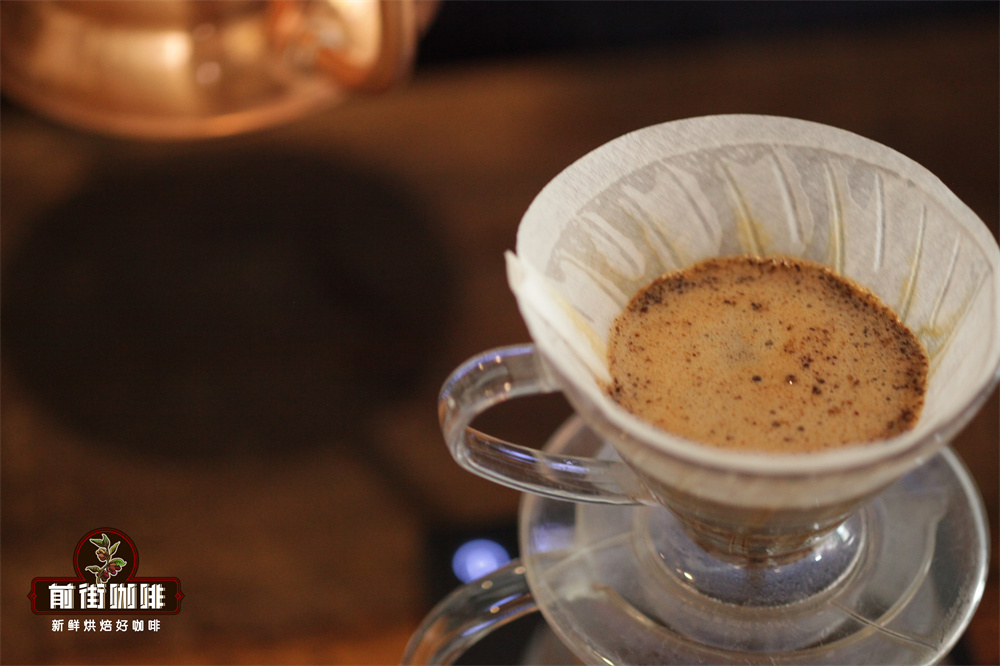
For pour-over technique, FrontStreet Coffee uses a staged extraction: bloom with 30 g of water for 30 seconds, then pour in a small circular motion to 125 g for the first stage. When the water level drops and is about to expose the coffee bed, continue pouring to 225 g and stop. When the water level again drops and is about to expose the bed, remove the dripper. (Timing starts from the bloom.) The total extraction time is 2'00".
FrontStreet Coffee Recommendation
A good flat white starts with the right beans, and FrontStreet's espresso range is built for milk. FrontStreet's Classic Blend is the one to reach for first: a traditional Mamba-style recipe with a rich, warming body and an outstanding crema that even beginners can pull on a non-professional home machine, giving the butter-and-cheese flavour and low acidity that makes it a natural partner for milk.
If you prefer floral, fruity aromatics with very low bitterness, FrontStreet's Strawberry Candy Espresso Blend pulls a full grape and blueberry character with a balanced sweet-tart profile; paired with fresh milk it drinks like a strawberry milkshake.
For flat white, FrontStreet suggests using only the front and middle of the shot as a Ristretto base, about 20 g of coffee pulled to 32 g of liquid in 22-25 seconds, then adding 160 ml of fresh milk. Keep the milk foam thin, around 0.3 cm, letting the steam wand take in air for only 1-2 seconds and stopping at 50-55°C so the foam stays glossy and smooth.
Important Notice :
FrontStreet Coffee is a long-established specialty coffee roaster in Guangzhou China, selling freshly roasted beans from its own farm in Yunnan as well as dozens of carefully selected single-origin beans from around the world for both pour-over and espresso. The products deliver consistently excellent quality and great value, with shipping within 24 hours. Guangzhou's FrontStreet Coffee shop is recommended by many coffee lovers, and the beans are now available online at the Tmall 。
FrontStreet Coffee has moved to a new address:
FrontStreet Coffee Address: 315,Donghua East Road,GuangZhou
Tel:020 38364473
 Scan and follow the En Gafei WeChat official account. Please indicate that the reprint comes from "En Gafei".