What are the benefits of drinking mocha coffee_Which coffee beans are suitable for making mocha_How to make mocha coffee beans
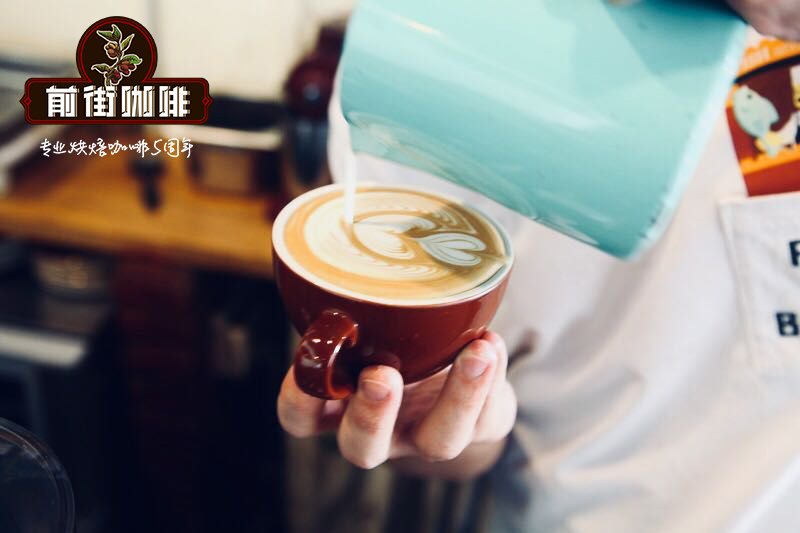
Mocha Coffee (Cafe Mocha)
Cafe mocha is one of the oldest coffee drinks, with roots that reach back to the very beginnings of coffee. It is a blend of Italian espresso, chocolate sauce, fresh cream, and milk. The name comes from the famous port of Mocha. In the fifteenth century, when transport across the coffee-producing countries of the Middle East and Africa was still underdeveloped, Yemen's Mocha was the main export port near the Red Sea. As long as coffee was gathered at Mocha for export, all African coffee was lumped together as "Mocha coffee." Although newer ports have since taken over the role, the origins associated with the Mocha era have endured, and beans from those places are still called Mocha coffee beans.
What "Mocha" Means
Sit in a cafe, leaf through a menu, or flip through a coffee magazine, and you will run into "Mocha" again and again. It looks like one simple word, yet it carries several meanings.
Coffee beans: Originally, Mocha beans meant a type of coffee exported from the port of Mocha in Yemen. The beans trace back to Ethiopia in Africa, and among all coffees they are the most acidic. Mocha coffee is also known as Ethiopian coffee.
The drink: As a flavored drink, Mocha refers to hot coffee with hot chocolate and fresh cream added, because the word "mocha" originally meant chocolate.
The pot: As brewing equipment, Mocha refers to the neat, compact moka pot, a device that uses steam to extract coffee quickly. It is known for its wide range of designs.
The moka pot was introduced in 1933. Its structure has barely changed, but its appearance and materials have kept evolving. The earliest moka pots were made of aluminum, which reacts easily with the acidic compounds in coffee and produces off-flavors; later versions moved to stainless steel and, in part, to heat-resistant glass.
A moka pot has an upper and a lower section that screw together. The lower half is the water chamber, with a safety valve near the top. Above the chamber sits a perforated filter basket that holds the coffee grounds. The upper half is a lidded container with a handle for the brewed coffee, with a filter screen and rubber ring below it and a hollow metal tube at the center that lets the coffee rise through.
To brew, fill the lower chamber with water, keeping it below the safety valve. Then fill the filter basket with grounds; the basket is precisely sized, so there is no need to measure - just fill it level. Screw the two halves together, tighten, and set it on the heat.
The moka pot belongs to the category of brewers that use pressurized steam. It is small, elegant, simple to operate, and quick, which makes it very well suited to home use. The coffee it produces is also called mocha; it is not true espresso, but it is certainly doubly strong.
Iced Mocha Coffee: Reported Benefits
Beyond the drink itself, coffee is often discussed for the following properties.
1. Coffee contains certain nutrients. The nicotinic acid in coffee supplies vitamin B, and levels are higher in roasted beans. Coffee also contains free fatty acids, caffeine, tannic acid, and more.
2. Coffee is said to benefit the skin. It can support metabolic function and stimulate the digestive organs, which is often mentioned in connection with constipation, and using spent grounds in a bath is described as a form of heat therapy.
3. Coffee is said to help the body process alcohol. Drinking coffee after alcohol is claimed to speed the oxidation of acetaldehyde, breaking it down into water and carbon dioxide for the body to excrete.
4. Coffee is used to ease fatigue. Relieving fatigue calls for nutrition, rest and sleep, and healthy metabolism, and coffee is often cited as supporting those functions.
5. Three cups of coffee a day are said to help prevent gallstones. Caffeinated coffee can stimulate gallbladder contraction and reduce the cholesterol in bile that tends to form stones; research from Harvard University found that men who drink two to three cups of coffee daily have a 40% lower chance of developing gallstones.
6. Regular coffee drinking is said to help protect against radiation damage. Radiation, particularly from electrical appliances, has become a familiar form of pollution; researchers from India's Baba Atomic Research Center reached this conclusion in mouse experiments and suggested it might apply to humans.
7. Coffee is credited with a range of health functions. It is described as an antioxidant, supportive of the heart, and helpful for the bones and tendons, the waist and knees, appetite, fat digestion, circulation, and even calming wind and easing spasms.
8. Coffee can affect mood. Experiments show that when an average person takes in 300 milligrams of caffeine per day - about 3 cups of brewed coffee - it has a beneficial effect on alertness and mood.
Yemen Single Origin Mocha Bean Recommendations
FrontStreet Coffee's roasted single-origin Mocha beans - a traditional natural sun-dried Yemen Moka Mattari - are dependable on both brand and quality. More importantly, the value is excellent: a half-pound (227 grams) package costs only about 85 yuan. At 15 grams per pour-over, one package makes 15 cups, or roughly 5-6 yuan per cup. Set against the tens of yuan a cafe charges, that is remarkable value.
FrontStreet Coffee Recommendation
For an Ethiopian coffee that echoes the mocha heritage, FrontStreet's Sidamo Natural Hamashozu is a standout. Processed at the Hamashozu station from the 74158 selection of the JARC 74 series, it opens with a perfume of lemon, strawberry, and star fruit, then delivers clear strawberry, star fruit, and green grape sweetness on the palate, with delicate florals rising in the background.
If you want a softer, forest-grown expression, try FrontStreet's Kaffa Forest. Grown between 1,400 and 2,100 meters in shaded native forest, it is roasted medium-light and shows white flowers on the nose, bright lemon acidity on entry, sweet orange and bergamot flavors, and a light melon-and-nut finish with a green-tea-like body.
Important Notice :
FrontStreet Coffee is a long-established specialty coffee roaster in Guangzhou China, selling freshly roasted beans from its own farm in Yunnan as well as dozens of carefully selected single-origin beans from around the world for both pour-over and espresso. The products deliver consistently excellent quality and great value, with shipping within 24 hours. Guangzhou's FrontStreet Coffee shop is recommended by many coffee lovers, and the beans are now available online at the Tmall 。
FrontStreet Coffee has moved to a new address:
FrontStreet Coffee Address: 315,Donghua East Road,GuangZhou
Tel:020 38364473
 Scan and follow the En Gafei WeChat official account. Please indicate that the reprint comes from "En Gafei".