How to Choose Fresh Coffee Beans_ What Brand of Coffee Beans Is Good_ How to Buy Coffee Beans
FrontStreet Coffee - "Oily Beans": What They Are and How to Select Fresh Coffee Beans
In the age of online shopping, faced with dazzling products, coffee beans are the key to enjoying good coffee. Buying good beans online definitely requires certain skills. What is the relationship between a bean's "oiliness" and freshness? Should we choose beans that appear "oily" or "non-oily"? Which brands should we buy?
The standards for selecting coffee beans are similar to those for selecting tea. To get the most expensive, exquisite tea, you go to the origin to buy that year's highest-quality new tea. Coffee is the same - the most premium beans often require you to select them at the variety's origin or entrust specialized foreign suppliers to purchase them.
So to select good beans, physical stores are relatively limited, while online shopping is an excellent method. After receiving online-purchased beans, how do you tell whether they are fresh?
Look
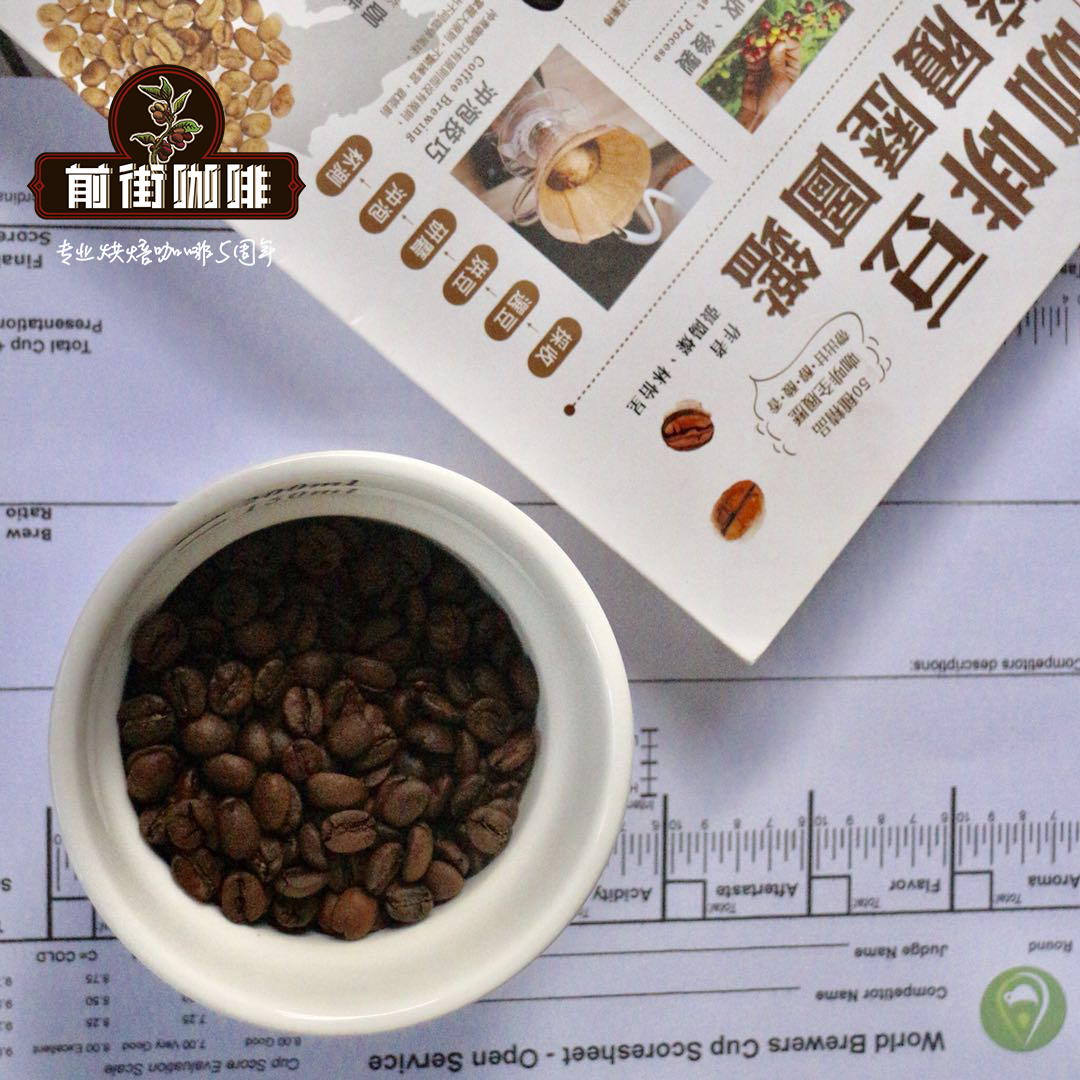
If you're buying single-origin beans, grab about 10 beans and check whether each has consistent color, uniform size, and the same shape, to avoid buying inferior products disguised as mixed beans. For a blend, however, different sizes and colors are normal. Dark-roasted beans will develop oil. If light-roasted beans develop oil, though, it indicates they have spoiled - not only has their richness decreased, but they will also develop astringent and sour tastes.
Have you seen coffee beans with oily surfaces? Why do some beans look oily and shiny, while others look dry and comfortable without oiliness? What is the relationship between "oiliness" and freshness, and should we choose oily or non-oily beans?
Not Actually Oil - Coffee Oil
The "oil" evenly distributed on bean surfaces is actually not grease but a water-soluble organic substance that appears oily. "Coffee oil" itself contains many aromatic components and can dissolve in water, so your brewed coffee won't have a layer of greasy oil floating on top.
Two Reasons Cause "Oily Beans"
Two reasons cause "oily beans": a) stale light-roast beans; b) fresh dark-roast beans. Let's explore both in depth.
a) Stale Light-Roast Beans
Light-roast beans, roasted more lightly and light brown in color, have dry surfaces after roasting and don't develop oil. About five days after roasting (possibly shortened to one or two days in a hot summer), they begin showing "spot oiliness" - oil droplets appearing on one side of the bean. Note: a little spot oiliness doesn't mean staleness; sometimes it actually represents light-roast beans at their peak flavor. If they continue to sit, after more than two weeks post-roasting, light-roast beans gradually develop a uniform, thin layer of oil. They smell not sweet and fragrant but rancid. At that point the light-roast bean's flavor has declined and should be avoided.
b) Fresh Dark-Roast Beans
Dark-roast beans, roasted more deeply and dark brown in color, show a slight oiliness immediately after roasting and begin developing significant oiliness from the first to second day post-roast. The shiny appearance of dark-roast beans doesn't indicate staleness at all. On the contrary, their surface oiliness gradually dries out after three weeks post-roast, eventually becoming dry, stale-tasting beans. So if you see dry, non-oily, dark-brown beans, pay special attention to whether they are marked with a roasting date - they are very likely already spoiled, stale beans.
Even when stale, oily light-roast beans will gradually dry out over long periods (such as three months), eventually returning to a dry, non-oily appearance. This shows that surface oiliness is only a reference for judging freshness, not an absolute indicator.
First, buy from professional coffee roasters who clearly mark dates, have brand credibility, and emphasize fresh roasting. In addition, excellent coffee packaging usually features "one-way degassing valves" (button-like small holes on the bag) designed to let natural carbon dioxide release from the beans. Point the valve at your nose, gently squeeze the bag, and smell the escaping gas. If it is an intoxicating, rich coffee aroma, freshness is not a problem. Conversely, if it doesn't smell rich enough, or even has a rancid oil smell, the coffee has long spoiled and should be avoided.
So Why Do Coffee Beans Use Packaging Bags with One-Way Valves?
1. Roasted beans sealed in aluminum foil packaging avoid contact with light and air, preventing rapid aroma loss and oxidation.
2. "One-way degassing valve" bags block external light and air from entering, keeping beans in optimal packaging condition and maintaining their fresh, original flavor.
3. Roasted beans naturally release carbon dioxide. If it accumulates in the bag, it affects bean quality. The one-way valve lets excess gas escape, and you can squeeze the bag when selecting to smell the aroma.
This packaging designs a valve with a double-layer film structure at the bag seal. After filling with roasted beans, the carbon dioxide produced during roasting escapes through the valve, while external gases cannot enter the bag, effectively preserving the original aroma and essence of the roasted coffee. This is currently the most recommended packaging for roasted coffee, and you should try to select products with it.
Put more simply, this valve only allows exit, not entry. After beans are roasted, they produce gases like carbon dioxide that need to be slowly released. The one-way degassing valve sealed onto coffee bags, with holes punched at the valve position, automatically releases the carbon dioxide to the outside of the bag while external air cannot enter. This effectively ensures the dryness and rich original flavor of the beans, prevents the bag from swelling with carbon dioxide, and prevents external air from entering to accelerate oxidation.
Smell
Smell whether the beans have coffee bean aroma. If they do, the beans are fresh enough. If the aroma is very weak, or even shows a greasy smell like old peanuts, the beans are completely stale and should not be selected, because no matter how much effort you put in, you cannot brew good coffee from them.
Peel
Peel a coffee bean by hand. If it's fresh enough, it will be easy to peel open, accompanied by a crisp sound. If the bean is stale, it will take significant effort. After peeling, check whether the roast is uniform. If uniform, the outer skin and inner layer of the bean will be the same color. If the surface color is much deeper than the inner layer, the roasting heat may have been too high, which also affects aroma and taste.
Chew
When selecting, it's best to put one or two beans in your mouth and chew them. If they are crispy and make a clear crunching sound, the beans haven't been exposed to moisture. If they also leave a lingering fragrance in your mouth, that's top quality.
Whether There Are Sufficiently Rich Bubbles During Brewing
Freshly roasted beans contain large amounts of gas and respire actively. During extraction, the gas released from the beans creates the wonderful, abundant bubbles we see. There's a very fitting term for it: "blooming." When fresh beans are extracted, clusters of rich bubbles are like flowers blooming in season, accompanied by the rich aroma of fresh coffee.
In-Depth Exploration of Bubble Abundance
During extraction, bubble abundance correlates positively with freshness - the fresher, the more bubbles. There's a prerequisite, though: it applies to the same coffee bean, meaning the same green beans, the same roast, the same operation.
Between different beans, between different roast levels of the same bean, or between different operational parameters of the same bean, bubble abundance will differ.
To summarize simply: for the same bean, the fresher it is, the richer the bubbles; and for the same bean, dark roast produces richer bubbles than light roast.
[Important Notes]
Although we can't see the actual product before buying and can't perform the look, smell, peel, or chew steps, when shopping online we can still select from the following aspects. These aspects apply to physical stores as well.
A. Origin
Online, some stores might use beans not from their declared origin. For example, some might be Blue Mountain coffee, but their origin isn't Jamaica. This doesn't mean non-origin coffee is necessarily bad. Due to different climates, the taste might vary slightly, and non-origin coffee is often cheaper. If you're not overly particular, trying flavors from different origins is acceptable.
B. Packaging Date
Pay attention to whether the packaging date is recent. Generally, green beans have a shelf life of one to two years, while roasted beans' freshness period is within one month. To select freshly roasted beans, use them within their freshness period after purchase to enjoy their most enchanting aroma and rich taste.
C. Store and Brand
This goes without saying - some coffee might be mixed with other types to reduce costs. Be careful. For example, mixing cheap beans into expensive ones, or mixing poor-quality beans of the same variety with good-quality ones, seriously affects the taste. So when buying beans, try to choose guaranteed stores or brands, or check online user reviews.
FrontStreet Coffee Recommendation
To put all of this into practice, FrontStreet Coffee ships every bag within 5 days of roasting, so what arrives is at its freshest. For a first, versatile espresso blend, the Artisan Blend combines washed Colombian and semi-washed Brazilian beans for nutty, dark-chocolate, and caramel notes with a comfortable bittersweet edge; it holds up in a latte with a smooth entry, stable latte art, and a rich roasted aroma, and it layers beautifully in a Dirty.
FrontStreet Coffee's Black Cocoa Blend, recommended by many baristas, pairs washed Yunnan small-bean coffee with semi-washed Brazilian beans. It blends the acidity of mature plum with a nutty character, and when ground it releases cream chocolate and cocoa-cookie aromas. The cup is balanced with a golden sheen of crema, suited to cafés and home machines alike - and it is made from 100% Arabica.
If you prefer a single origin to compare, FrontStreet's Papua New Guinea Bird of Paradise comes from the Sigri region, grown on volcanic soil at 1600-1800 meters with the Typica variety shared with Blue Mountain. Reaching the AA grade with plump beans and a very low defect rate, it uses a triple washed fermentation for a clean, pure cup with prominent sweetness - another excellent choice for those who prefer less acidity.
Important Notice :
FrontStreet Coffee is a long-established specialty coffee roaster in Guangzhou China, selling freshly roasted beans from its own farm in Yunnan as well as dozens of carefully selected single-origin beans from around the world for both pour-over and espresso. The products deliver consistently excellent quality and great value, with shipping within 24 hours. Guangzhou's FrontStreet Coffee shop is recommended by many coffee lovers, and the beans are now available online at the Tmall 。
FrontStreet Coffee has moved to a new address:
FrontStreet Coffee Address: 315,Donghua East Road,GuangZhou
Tel:020 38364473
 Scan and follow the En Gafei WeChat official account. Please indicate that the reprint comes from "En Gafei".