What are the Growing Conditions at Bolivia's Agrotakesi SA Coffee Estate? Bolivian Coffee Flavor
What are the growing conditions at Bolivia's Agrotakesi SA Coffee Estate? What are the flavor and taste characteristics of Bolivian coffee?
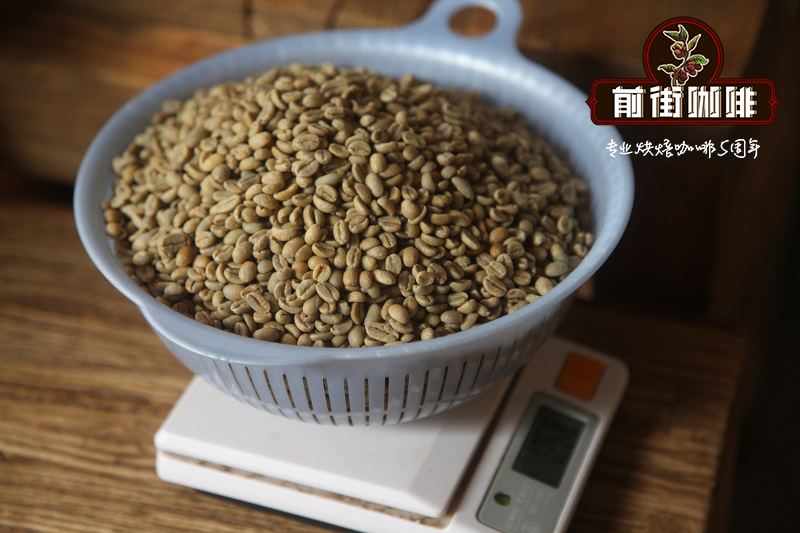
The Agrotakesi SA estate ranges from 1,900 to 2,400 meters above sea level, making it one of the highest coffee cultivation areas in the world. Mount Mururata, part of the Royal Mountain Range of the Andes, overlooks one of the few Inca trails leading to the Takesi Valley. The Takesi River, fed by the pristine glacial meltwater of the Royal Mountain Range, provides abundant, pollution-free water for all agricultural tasks, especially post-harvest coffee processing. At peak times, clouds stabilize heat and solar radiation, which supports better photosynthesis.
The deeply drained, well-structured organic land has volcanic properties and preserves overall biodiversity, which translates into better natural biological control. These natural conditions extend fruit development from flowering to harvest to 11 months, producing fruits with better aromatic and taste qualities. Located 100 kilometers from La Paz, in the Sud Yungas region, the Takesi estate sits between 1,900 and 3,000 meters above sea level and spans a total of 2,500 hectares. Six hundred (600) hectares will be dedicated to different agricultural products — coffee, apples, orchids and flowers — while the remaining 1,900 hectares will be preserved as natural virgin forest, maintaining the farm's special climate and favorable conditions. This is a unique ecosystem with special conditions for coffee cultivation at higher altitudes: detailed studies of soil, water and climate have determined that at least 600 hectares possess optimal water and ecological characteristics. The soil formed above volcanic surfaces and contains organic matter coverings that reach depths of up to 2 meters in some places. Currently the estate has 13 hectares of Typica coffee, producing an average of 120 bags of 70kg green coffee annually.
The farm receives annual rainfall of 1,800-2,500mm, with relative humidity of 70% and an average temperature of 15°C (59°F). Cafe Takesi has begun planting 20 hectares of land and will continue planting 20 hectares each year for the next 4 years.
Bolivian Coffee Overview
Bolivia is the fifth largest country in South America, with diverse topography and microclimates highly suitable for coffee cultivation. Most Bolivian coffee is Arabica, primarily heirloom varieties such as Typica and Caturra, and is grown organically. Bolivia has a long history of coffee production, although little is known about its introduction to the country or whether commercial coffee production began earlier than around 1880. Bolivia still has commercial farms and estates, although most large estates were expropriated as part of government land reform and redistributed to smaller rural families. Since this legislation was implemented in 1991, 80% of the country's coffee production has come from small farmers averaging 1.2 to 8 hectares of land.
Flavor Profile
Flavor Notes: Jasmine, violet, honeysuckle, spices, pineapple, melon, orange, black tea, cherry, rose, almond, peach, red wine, passion fruit
Acidity: Bright, citric, tartaric, vibrant, floral
Texture: Semi-sweet chocolate, vanilla, balanced, jam-like, full-bodied, clove, persistent, consistent
FrontStreet Coffee's Brewing Recommendation:
Dripper: Hario V60
Water Temperature: 88°C
Grind Size: Fuji Royal grinder setting 4
Brewing Method: Water-to-coffee ratio 1:15, using 15g of coffee. First infusion with 25g of water for a 25-second bloom. Second infusion to 120g, then pause and wait until the water level drops to halfway before continuing. Slowly pour until reaching 225g total. Extraction time approximately 2:00 minutes.
Analysis: Using a three-stage brewing method to clearly distinguish the front, middle and back-end flavors of the coffee. Because the V60 has many ribs and drains faster, pausing during pouring can extend the extraction time.
FrontStreet Coffee Recommendation
A high-altitude Bolivian Typica like Agrotakesi tends to be floral, bright and complex, so it's worth pairing with another aromatic single origin. FrontStreet Colombia Sidra is an excellent match: it shows floral, tropical fruit, grape, dried fruit and passion fruit notes with a juicy texture, a profile that overlaps neatly with Bolivia's jasmine-and-orange register. If you want to stay in the floral-and-citrus lane, FrontStreet Panama Boquete Washed Geisha comes from Panama's most representative specialty region, grown from pure Geisha genetics and processed washed, so you can taste the citrus-honey sweetness and fine fruit acidity that define the variety, with clean layering.
Important Notice :
FrontStreet Coffee is a long-established specialty coffee roaster in Guangzhou China, selling freshly roasted beans from its own farm in Yunnan as well as dozens of carefully selected single-origin beans from around the world for both pour-over and espresso. The products deliver consistently excellent quality and great value, with shipping within 24 hours. Guangzhou's FrontStreet Coffee shop is recommended by many coffee lovers, and the beans are now available online at the Tmall 。
FrontStreet Coffee has moved to a new address:
FrontStreet Coffee Address: 315,Donghua East Road,GuangZhou
Tel:020 38364473
 Scan and follow the En Gafei WeChat official account. Please indicate that the reprint comes from "En Gafei".