Ethiopian Coffee | Single Origin Coffee Bean Recommendation -- Washed Guji G1 Suke Quto Farm
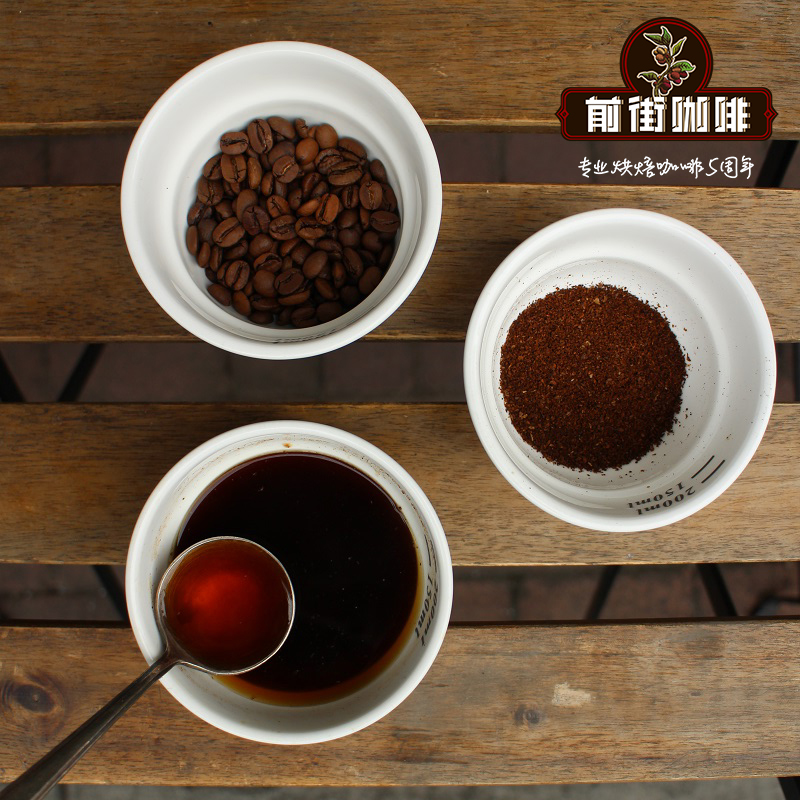
Ethiopia SFP Suke Quto / Tade GG Farm BunaSadi Washed G1 by Tesfaye Bekele
Ethiopia Guji G1 Suke Quto Farm BunaSadi Trio Washed
January 2015 Coffee Review 95 points, 5th strongest of the year
2017 East African Coffee Association Taste of Harvest 6-country competition finals, third place
Cupping Notes
When ground, the coffee reveals a sweet floral aroma with dried apricot fragrance.
Upon sipping, distinct peach, blueberry, and jasmine notes emerge, accompanied by lemon peel, citrus, bergamot, and vanilla.
The texture is rich and full-bodied, the mouthfeel smooth, and the aftertaste rich, delicate, and lingering. As the cup cools, the jasmine and honey peach flavors become more prominent, evoking the rich, juicy sweetness of white peaches.
Suke Quto Farm was established in 2005 by owner Tesfaye Bekele, starting from just five hectares. Through years of tireless effort, its quality has been maintained while its reputation has gradually grown, and the farm has expanded to two hundred hectares, becoming a considerable medium-to-large plantation. Because it sits in Suke Quto, Guji, it is commonly called Suke Quto.
In recent years, as the farm reached the legal scale to export coffee directly without going through the ECX, it set up its own export company, Tade GG, so the coffee community sometimes refers to this farm's coffee by that name as well.
Suke Quto lies in the premium Shakisso area of Guji, over 500 kilometers from the capital, Addis Ababa. The Guji region is in fact east of Yirgacheffe, but the area adjacent to Yirgacheffe is the Hambela region. To reach Shakisso one generally does not pass through Yirgacheffe, but travels south from the capital for about six hours to Yirga Alem town, then takes the left turn onto Highway 82 instead of the right road toward Yirgacheffe, continuing southeast and arriving at Shakisso (N 5°46'21" E 38°54'9", altitude approximately 1730 m) after another four hours.
Suke Quto lies about 12 kilometers in a straight line southwest of Shakisso town, requiring a detour south around a very large gold mine site from the town, taking about an hour to reach. The most famous economic activity in Guji historically is gold mining, and the main mining area, Kibre Mengist, lies near the northeast of Shakisso town. Traveling up and down through the mountains in search of coffee beans offers many chances to pass through mining areas or to encounter remnants of gold panning in the streams. The real gold-and-silver mining industry, set against today's coffee "black gold," makes for a fascinating historical contrast.
"Buna" means coffee in Ethiopia, while "Sadi" means three in the Oromifa language; together they mean "coffee trio," which is self-explanatory, referring to the three coffee processing methods: washed, natural, and honey. Washed and natural Ethiopian beans are both very familiar to us, but the anticipated honey processing becomes possible only under single-farm conditions. To put it simply, the ECX has classification and grading only for the washed and natural methods. If honey-processed coffee were sent to the ECX, in Ethiopia's vast and perhaps somewhat bureaucratic coffee chain, it might not even be clear which category it belongs in.
FrontStreet Coffee Recommendation
To explore this clean, washed, floral side of Ethiopia, FrontStreet Coffee's Washed Gedingding Cooperative is an excellent companion. Yirgacheffe is a small town in southern Ethiopia, and the Gedingding Cooperative lies in the Woka area at the southeastern end of the region; it was once part of the Woka cooperative under the Yirgacheffe Coffee Farmers Cooperative Union, before being carved out as a single-origin producer as the search for traceability spread. Following the most traditional washed method, the coffee has none of the usual bitterness: it brings a fresh, bright citrus and lemon acidity with jasmine fragrance, so many coffee people fall for it on the first sip.
FrontStreet Coffee's Washed Yirgacheffe, as a daily drinker, is the classic introduction to the region, known for white jasmine, bright citrus and lemon acidity, and a tea-like quality at an accessible price. For brewing, FrontStreet suggests a V60 at 90-91°C, 15 g of grounds, a 1:15 ratio, and a grind of 10 on an EK43s, the size of fine sugar (an 80% pass rate on the No. 20 screen). FrontStreet's technique: pour 30 g of water for a 30-second bloom, then pour to about 125 g, finishing that pour around 1 minute; when the water level drops to two thirds of the bed, pour the remaining amount to about 225 g, finishing around 1 minute 35 seconds. The drawdown completes at 2:00-2:10, at which point you remove the dripper and the brew is done.
Important Notice :
FrontStreet Coffee is a long-established specialty coffee roaster in Guangzhou China, selling freshly roasted beans from its own farm in Yunnan as well as dozens of carefully selected single-origin beans from around the world for both pour-over and espresso. The products deliver consistently excellent quality and great value, with shipping within 24 hours. Guangzhou's FrontStreet Coffee shop is recommended by many coffee lovers, and the beans are now available online at the Tmall 。
FrontStreet Coffee has moved to a new address:
FrontStreet Coffee Address: 315,Donghua East Road,GuangZhou
Tel:020 38364473
 Scan and follow the En Gafei WeChat official account. Please indicate that the reprint comes from "En Gafei".