Five Culprits That Kill Fresh Coffee Beans! Taobao Store Brand Recommendations for Fresh Coffee Beans
The Culprits Behind Coffee Freshness Loss
Oxidation: The Number One Enemy of Fresh Coffee Beans
Cut fruit oxidizes quickly, and coffee behaves the same way after roasting. Roasting generates large amounts of carbon dioxide inside the beans, and those CO2 molecules lodge within and around the cells, forming a protective layer that keeps oxygen out and slows oxidation. Day by day, however, that carbon dioxide dissipates, and the coffee slowly loses its self-protection.
The release is rapid at first, slowing after several days. After about 10 days, roughly 50% of the carbon dioxide is gone; after 60 days, about 90% has escaped. From that point on, the beans can no longer defend themselves with CO2.
Because carbon dioxide has antioxidant effects, media reports often suggest coffee drinking helps slow aging. That claim remains unproven, but the cognitive boost of coffee is universally acknowledged.
Worse, grinding destroys the cell walls entirely, and the carbon dioxide vanishes within minutes — leaving the grounds exposed to relentless oxidation. Ground coffee must be consumed as fast as possible! It is exactly why specialty coffee shops sell only whole beans, a policy with solid science behind it.
Volatilization: The Second Enemy of Fresh Coffee Beans
Roasting creates hundreds of new compounds inside the bean, and together they form coffee's characteristic aroma and flavor. Some of these are highly volatile; others are not. Unfortunately, the most desirable compounds tend to have low boiling points, which makes them the first to fly away.
Packaging with one-way degassing valves has become common: it lets carbon dioxide escape while keeping oxygen out, holding coffee fresher for longer. These "freshness bags" work well, but they cannot stop the natural decline caused by volatilization.
Hydrolysis: The Third Enemy of Fresh Coffee Beans
Roasted beans hold less than 1% moisture, and their enlarged pores make them eager to absorb humidity — some people even put spent beans in the refrigerator as deodorizers. Once coffee absorbs moisture, hydrolysis begins inside the bean.
Hydrolysis of organic compounds usually needs acids or bases to accelerate the reaction, and coffee unfortunately contains plenty of both (caffeine itself is an alkaloid), making hydrolysis inevitable.
Average relative humidity in southern China ranges from 76-84%, higher still in mountainous areas. Coffee's moisture content can climb above 12% in a short time, with seriously negative consequences.
Light Damage: The Fourth Enemy of Fresh Coffee Beans
Light acts as a catalyst, accelerating oxidation and speeding the decline. In mature coffee markets, packaging is typically opaque — proof that the industry understands light's destructive power. In less careful shops, coffee is sold in transparent plastic bags, and even some upscale cafés display beans in clear sealed containers, unaware that light is steadily degrading the beans inside.
Oil Migration: The Fifth Enemy of Fresh Coffee Beans
High-temperature roasting drives oils to the bean surface through the cell pores, producing a thin oily sheen. Those lipids are the source of coffee's richest flavors and deserve protection. When beans sit too long, the oils meet water molecules and oxidation accelerates into outright spoilage.
Oils are sticky, and prolonged migration makes grounds clump. Clumping impedes hot-water penetration during brewing, causing incomplete extraction and muted flavor. The effect is especially damaging for espresso, where clumps force high-pressure water to find side channels and extract unevenly.
Proper Coffee Storage Methods
Understanding these internal changes points to several sensible storage practices:
Utilize Carbon Dioxide Density
Carbon dioxide is denser than air, so in a sealed space it settles at the bottom while air floats above. Knowing this helps you judge whether a container or bag is suitable.
Use Upright Sealed Containers
By the same logic, CO2 released by fresh beans pools at the bottom of the container, forming an antioxidant layer that shields the coffee. Store containers upright so that layer cannot escape. Tall, slim containers with openings at the top protect beans best.
Use Long Spoons to Scoop Coffee Beans
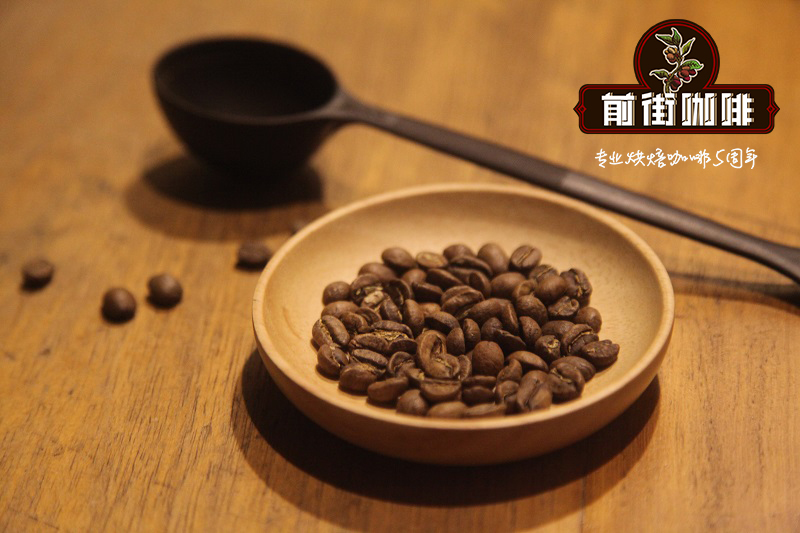
Because the CO2 sits at the bottom, always scoop beans out rather than pouring them — pouring dumps the protective gas along with the beans. Use a long spoon to reach down and lift the beans out, preserving the atmosphere inside.
Use Opaque Containers
Light catalyzes oxidation, so opaque containers slow the decline best.
Use Vacuum Containers
Vacuum canisters are increasingly common and affordable. With a pull or push mechanism they evacuate the air, and a vacuum means no oxygen and no moisture — an ideal home for coffee beans.
Store in Cool, Dry Places
Heat evaporates coffee's aromatics and desirable compounds, so keep containers away from high temperatures and store them somewhere cool and dry.
FrontStreet Coffee Recommendation
All five enemies — oxidation, volatilization, hydrolysis, light, and oil migration — argue for buying freshly roasted beans in small quantities, and that is where FrontStreet Coffee comes in. For bright, floral cups, FrontStreet Washed Yirgacheffe offers white jasmine, vivid citrus and lemon acidity, and a tea-like finish, brewed at 90–91°C with a 1:15 ratio and a fine-granulated-sugar grind. FrontStreet Brazil Queen Estate, a balanced medium roast, pours low-acid and smooth with cream, peanut, chocolate, and sugarcane sweetness — at home in pour-over, moka pot, or espresso. And for those who love a heavy, low-acid cup, FrontStreet PWN Golden Mandheling delivers clean, sweet sandalwood, spice, caramel, and dark chocolate, best brewed at 87–88°C. Fresh roasting, honest sourcing, and beans that still carry their CO2 armor when they reach you: that is the difference freshness makes.
Important Notice :
FrontStreet Coffee is a long-established specialty coffee roaster in Guangzhou China, selling freshly roasted beans from its own farm in Yunnan as well as dozens of carefully selected single-origin beans from around the world for both pour-over and espresso. The products deliver consistently excellent quality and great value, with shipping within 24 hours. Guangzhou's FrontStreet Coffee shop is recommended by many coffee lovers, and the beans are now available online at the Tmall 。
FrontStreet Coffee has moved to a new address:
FrontStreet Coffee Address: 315,Donghua East Road,GuangZhou
Tel:020 38364473
 Scan and follow the En Gafei WeChat official account. Please indicate that the reprint comes from "En Gafei".