The Story of Burundi Coffee from Africa's Coffee Region - Brewing Ratios and Flavors of Heart of Africa Coffee Beans
Burundi Coffee: An Introduction
Burundi is a niche coffee-producing country in Africa. FrontStreet Coffee has long featured a Burundi coffee called "Heart of Africa." Through cupping we found that compared with Ethiopian and Kenyan beans, Burundi's acidity lacks the fresh clarity of Ethiopia and the rich juiciness of Kenya. Here is our introduction to Burundi coffee.
Burundi
Burundi is a member of the East African Community (EAC) and the Great Lakes Region (GLA). Originally known as Urundi, it lies in inland Central Africa - a small country of beautiful rolling hills serving as a crossroads between Central and East Africa. It is also the watershed between the great Nile and Congo rivers, which earned it the title "Heart of Africa." The capital, Bujumbura, sits on the shores of magnificent Lake Tanganyika, which forms a natural border with Congo and Tanzania. The terrain is high and varied, from 700 meters at its lowest point to 2,670 meters at Mount Heha.
Coffee Cultivation in Burundi
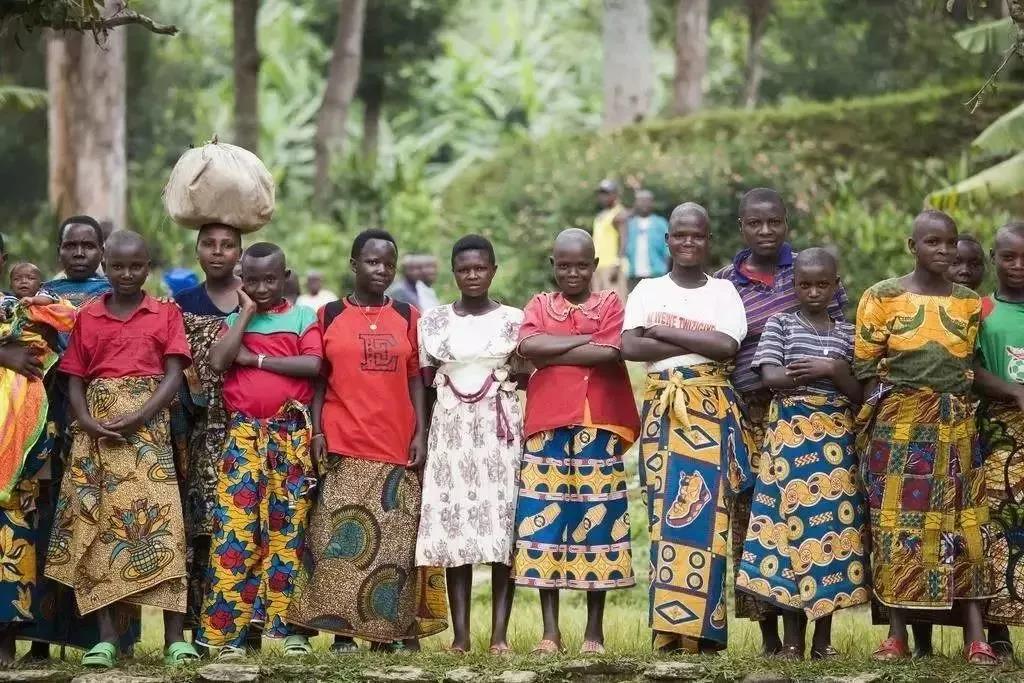
Since 1993, civil war devastation, lack of funding, and lagging cultivation techniques have left the international market with the impression of Burundi as a source of "inexpensive, average quality" African beans. Burundi also lacks export ports compared with other African producers: inland transport is expensive, production information is opaque, and export procedures are complex - all of which has kept the country at the threshold of the specialty market.
Like most coffee from underdeveloped regions, Burundi's flavor is never "fresh and delightful"; it cannot bring you the brightness of a spring breeze. FrontStreet Coffee finds it slightly heavy, rich and complex yet fragrant - sometimes intense in acidity, sometimes gentle in sweetness.
East Africa has long been known for high-quality coffee, and Burundi's land has not been forgotten. This heart-shaped inland country possesses excellent volcanic soil, varied microclimates, and annual rainfall of nearly 1,200 millimeters - superb conditions for coffee. The climate is typically tropical highland, with significant day-night temperature swings. Colonizers discovered that Bourbon was the variety best suited to local conditions, and when coffee research investment ceased, Bourbon became the country's only remaining variety - processed consistently by the fully washed method.
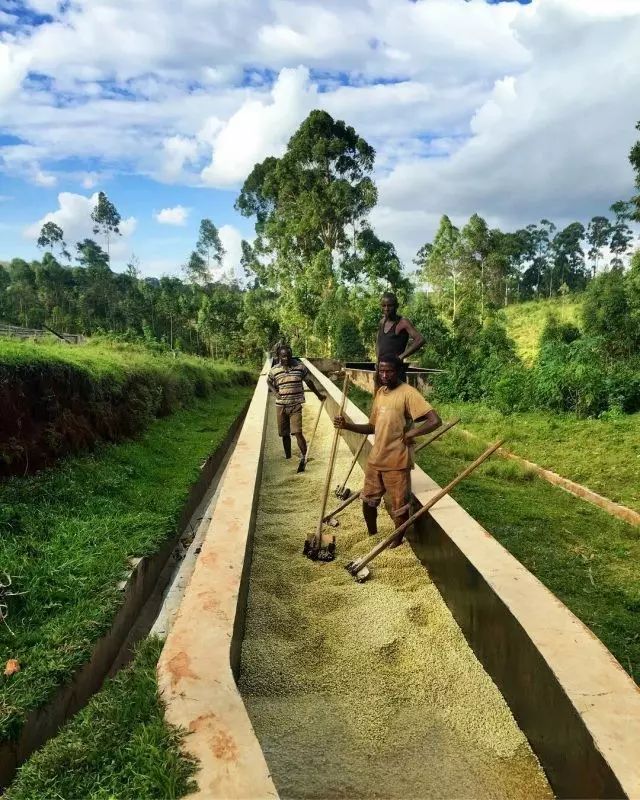
Burundi's geography is highly suitable for coffee, but there are no estates; cultivation is carried out entirely by small family farms, so quality varies widely, and years of war and social turmoil have left the industry chaotic. That said, the region clearly has the potential to produce high-quality coffee.
Starting in 2008 Burundi began transitioning toward specialty coffee, encouraging direct trade and traceable procurement. In 2011 it launched the Prestige Cup, a quality competition that serves as a preliminary to the more formal Cup of Excellence: lots from various washing stations are stored separately, ranked by quality, and sold at auction with full production and sales records. Unique, high-quality Burundian beans are thus gradually reaching the market - a great help to quality.
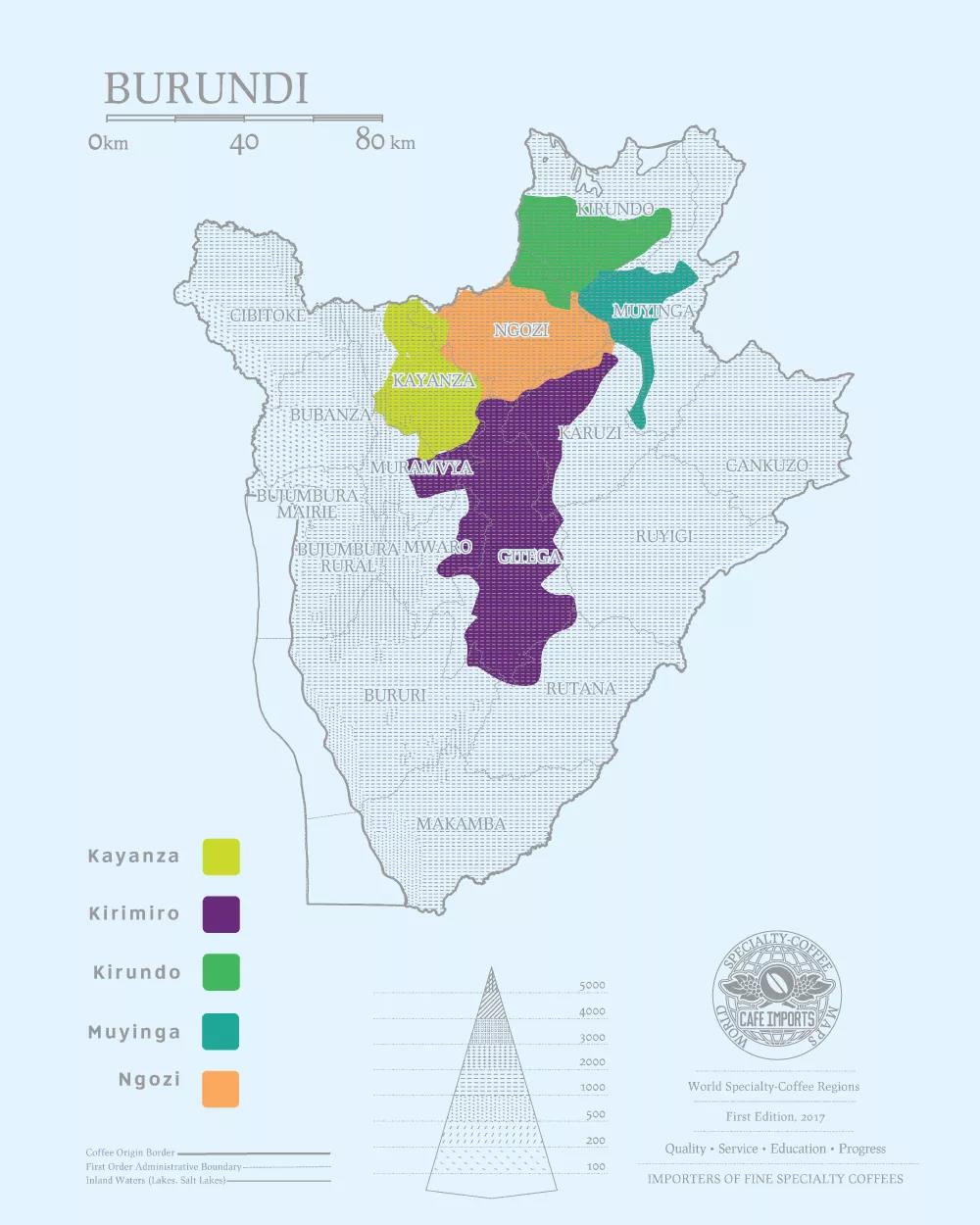
The Five Major Coffee-Producing Regions of Burundi
1. Buyenzi
This region lies in the northern highlands near the Ugandan border and is Burundi's premium coffee area. The most famous districts are Kayanza and Ngozi, both at 1,700-2,000 meters. The main rainy season begins in March and April, followed by a dry season in July after harvest. Average annual temperature is 18-19°C, with low night temperatures lasting into early morning - the main reason for the rich aroma and dense bean structure.
2. Kirundo & Bugesera
Kirundo sits close to the Ugandan border. Production in these two regions is relatively low, at 1,400-1,700 meters. Influenced by neighboring Kayanza, they are gradually moving toward specialty batches, and their washing stations have achieved excellent results in Cup of Excellence competitions.
3. Muyinga & Bweru
These regions lie in the east and northeast at around 1,800 meters. Muyinga is nearer the Tanzanian border, but its flavor differs slightly from Kayanza's thanks to milder conditions, while Kayanza's acidity is brighter and more varied.
4. Gitega & Kirimiro
In the central highlands, the average annual temperature is lower, around 12-18°C, with annual rainfall of only about 1,100mm - so production volumes are lower.
5. Bubanza & Mumirwa
These two regions border Uganda and the Democratic Republic of Congo, at elevations from 1,100 to 2,000 meters with annual rainfall of just 1,100mm. Low-altitude areas average about 20°C, which hurts quality; high-altitude areas have specialty potential, but rainfall distribution and insufficiency limit output.
Burundi Coffee Varieties
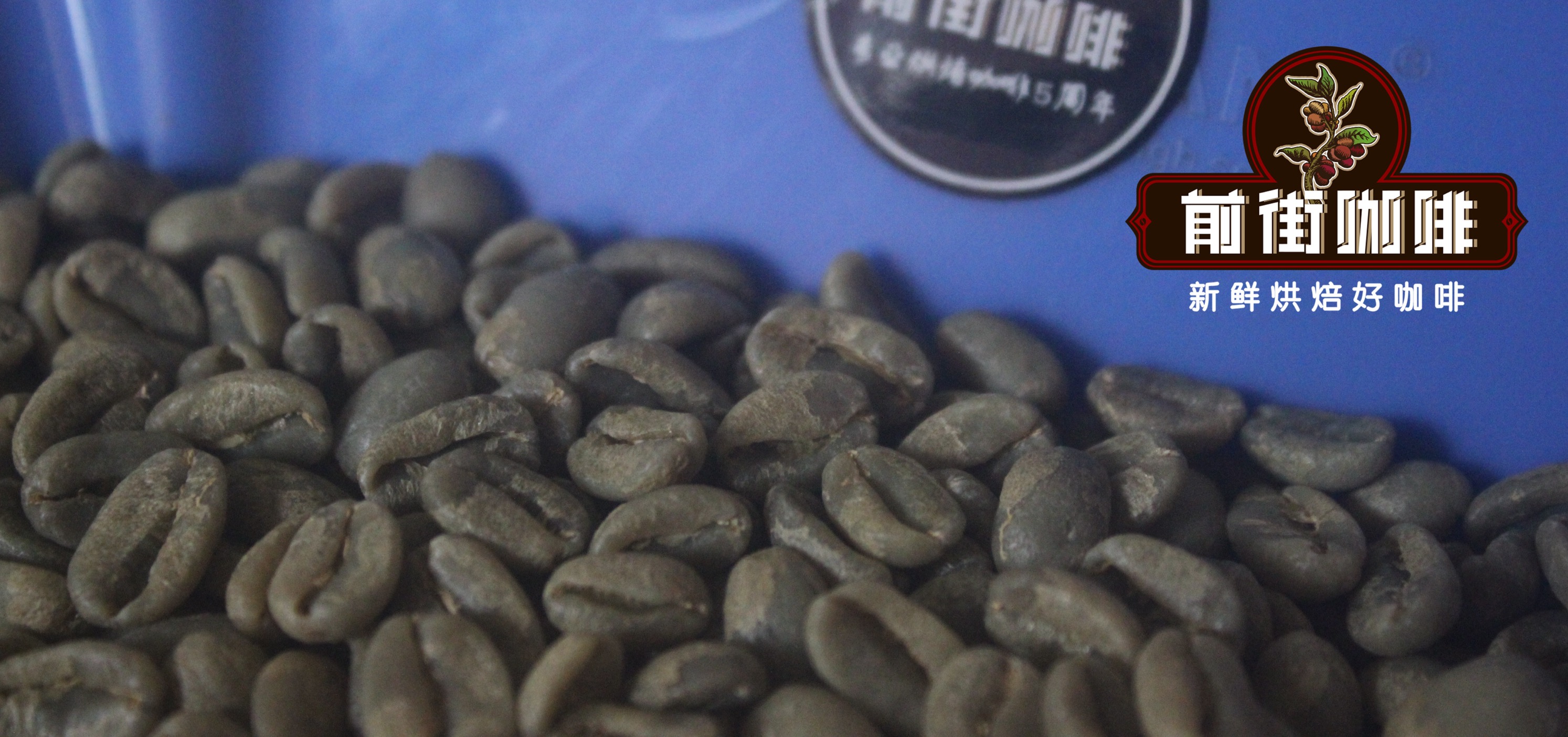
Bourbon was originally cultivated on Reunion Island - known as Bourbon Island before 1789. It is a sub-variety that mutated from Typica, and the two are the oldest coffee varieties still in existence. Ripe cherries turn bright red; Red Bourbon trees show the color progression green > slightly yellow > slightly orange > mature red > darker red when fully ripe. High-altitude Bourbon usually has better aroma, brighter acidity, and even wine-like flavors in the cup.
Burundi Coffee Processing
Burundian washed processing comes in two forms. In the first, farmers wash and process the coffee themselves before delivering it to washing stations - "hand-washed," marked simply as "washed." In the second, cherries go straight to the washing station - marked "fully washed."
Hand washing removes skin, pulp, and mucilage entirely by hand. As noted, producers' distrust of buyers extends to the stations: farmers believe station purchase prices are unfair and that direct cherry sales don't pay well, so they prefer to process the coffee themselves and negotiate better prices. The problem is that farmers mostly lack tools and often work on dusty roadsides, inevitably hurting quality. Since the washing stations were privatized, the government has encouraged delivering fresh cherries to professional stations after harvest.
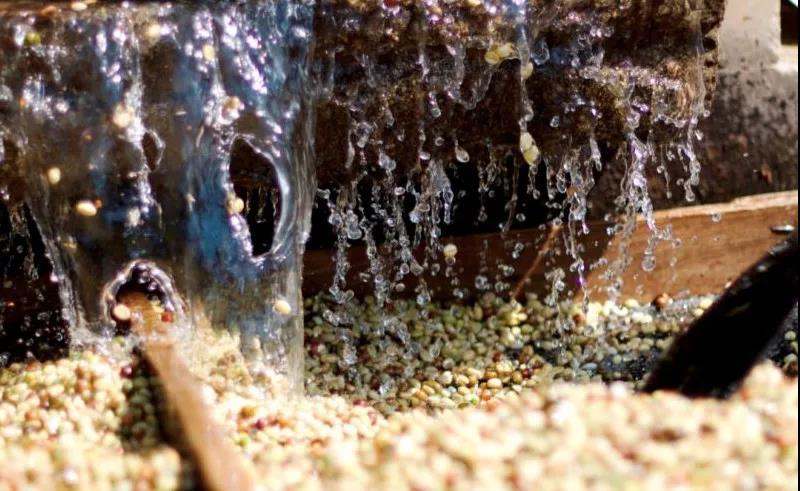
Burundi has also developed a washed method similar to Kenya's - double-fermentation washing. Harvested cherries go into large water tanks, where flotation selects the densest fruit; machines then remove skin and pulp, and the beans enter fermentation tanks for about 18 hours. The next day they are poured into clean water for another 18 hours of fermentation - 36-48 hours in total - then thoroughly rinsed of the softened mucilage before drying. The first drying stage is shade-drying to avoid direct intense sun until moisture drops below 40%, then the beans move to drying beds for natural sun-drying down to 11% moisture.
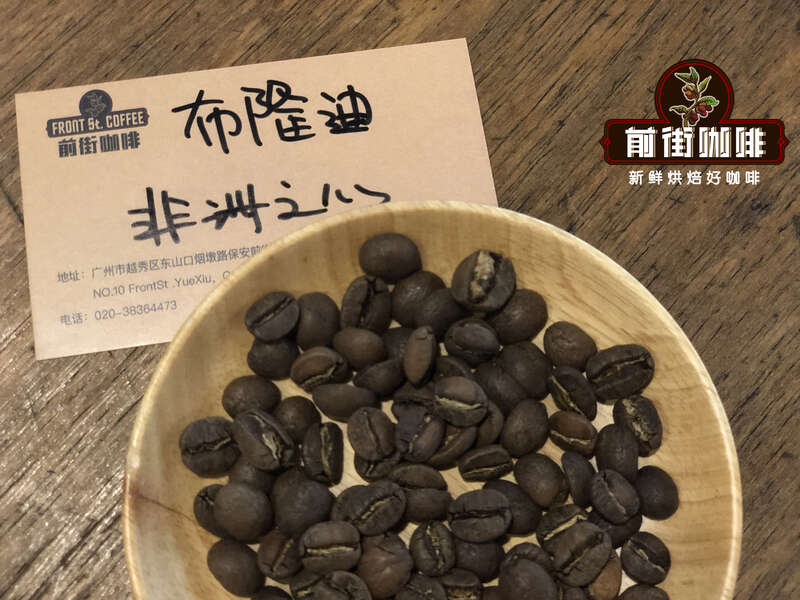
FrontStreet Coffee - Heart of Africa, Burundi
Region: Ruterana
Altitude: 1,400 to 1,700 meters
Variety: Bourbon
Processing: Washed
Ruterana
FrontStreet Coffee's Burundi beans come from Ruterana, a producing area organized as a cooperative of family smallholders: 539 coffee-farming families, including 148 headed by women, each growing an average of just 10-200 trees (a hectare supports at least 1,000) - a picture of meager annual income and typical impoverished coffee-farming households.
FrontStreet Coffee Roasting Notes for Burundi Beans
When the Burundi green coffee arrived, we found almost no defective beans and very uniform size and moisture. The high-altitude environment gives the beans brighter acidity and lemon notes, along with passion fruit, pineapple, florals, and honey.
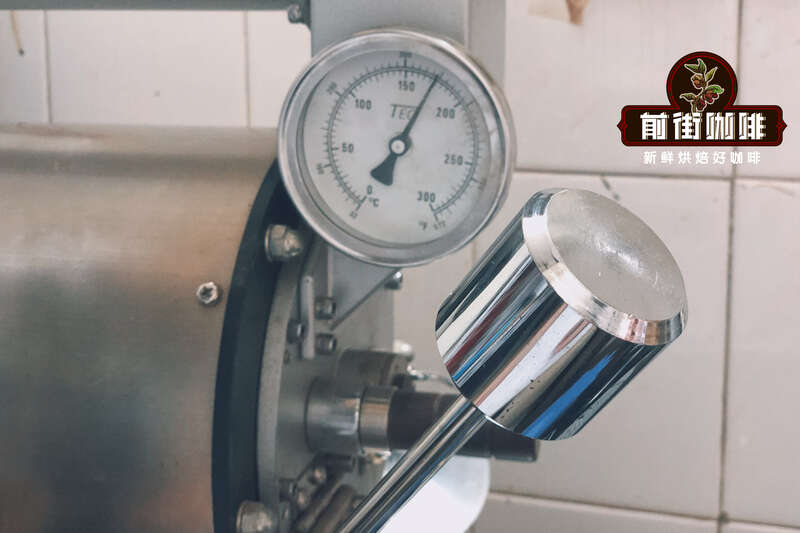
Our roaster used a Yangjia 800N semi-direct-heat roaster with a 480g batch: charge at 200°C with the damper at 3. After 1 minute of steaming, turn the heat down to 160°C, damper unchanged. At a drum temperature of 160°C, reduce to 130°C. At 5'35" and 152°C the beans turn yellow, the grassy aroma disappears completely, and dehydration is done - damper to 4. At 9 minutes the beans show uneven wrinkles and black spots and the toast aroma distinctly shifts toward coffee aroma - the prelude to first crack; listen carefully from here. First crack begins at 9'10"; keep the small heat unchanged and open the damper fully to 5 (adjust heat very carefully - too small and the crack may stall). Drop the beans at 196.5°C.
FrontStreet Coffee Cupping Report
We cup within 8-24 hours of roasting the samples, in 200ml ceramic bowls at a water temperature of 94°C. Grind is set to 70%-75% passage through a #20 standard sieve (0.85mm). The ratio is 11g of coffee to 200ml of hot water - 1:18.18 - putting extraction concentration within the 1.15%-1.35% Golden Cup range, with a 4-minute infusion.
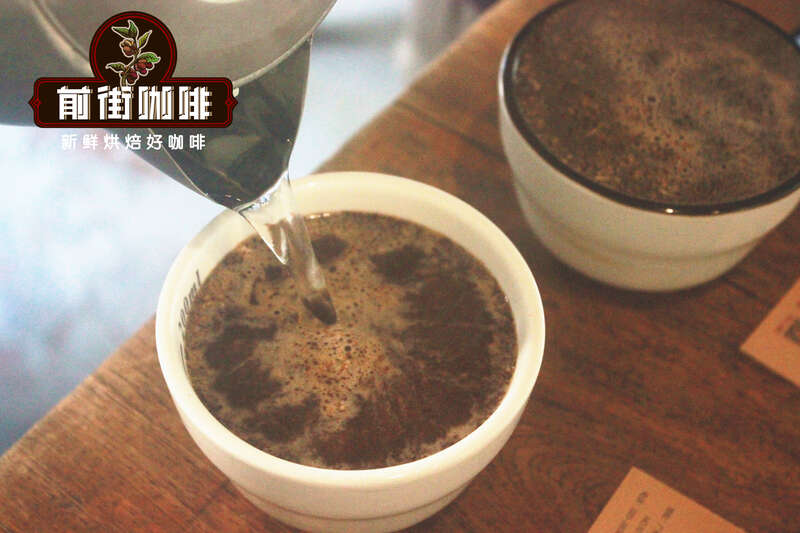
Dry Aroma: citrus
Wet Aroma: citrus, plum
Flavor: plum, kumquat, lemon, dried fruit, caramel, tea aroma, light acidity
FrontStreet Coffee Brewing Parameters
A reminder: when your freshly roasted beans arrive, don't brew them immediately. Rest them 3-4 days first - the coffee's true flavors emerge during that time.
Water Temperature: 90-91°C
Grind Size: BG#6 (fine-sugar texture / 80% passing through a #20 sieve)
Coffee-to-Water Ratio: 1:15
Dose: 15g
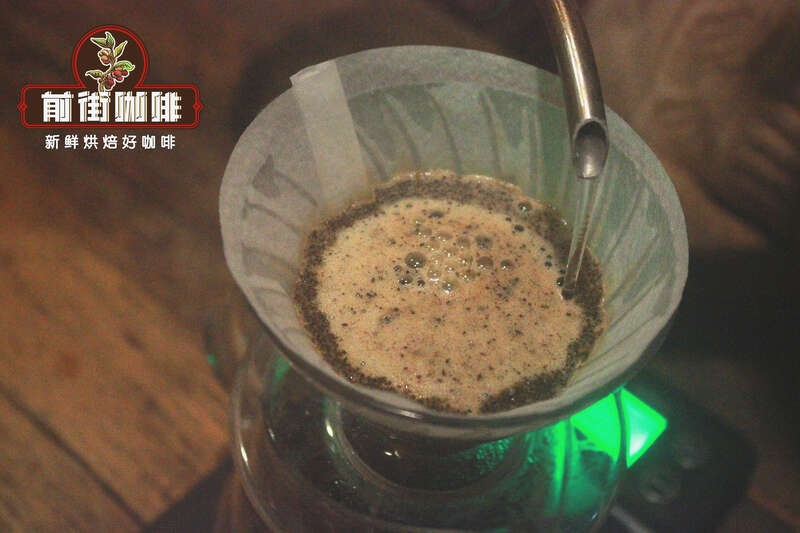
We use a staged, three-pour extraction: 30g of water to bloom for 30 seconds; a second, small-flow circular pour to 125g, then stop; once the water level drops, pour again slowly and evenly, keeping the level from running too high, to 225g total. Extraction time is 2 minutes including the bloom.
Brewed Flavor: mandarin orange and tea aromatics; black plum and mandarin on entry with a rich mouthfeel; nutty caramel sweetness through the middle and finish. The flavor is wild, the taste and aroma linger, and the aftertaste is rich and lasting.
FrontStreet Coffee Recommendation
Ethiopia, coffee's birthplace, remains the benchmark for African flavor - a treasure land of countless native varieties. For a clean introduction, FrontStreet Washed Yirgacheffe shows the town's signature jasmine florals and bright citrus acidity in a light, elegant, tea-like cup like refreshing lemon tea. For a glimpse of Ethiopia's wild side, FrontStreet Kaffa Forest coffee comes from wild coffee trees growing shaded at 1,400-2,100 meters on red laterite soil with abundant rain - the very opposite of garden planting. At a medium-light roast it offers distinct white florals on grinding, bright lemon acidity with sweet orange and bergamot, a melon-and-nut sweetness in the finish, and a green-tea-like texture.
For the connoisseur, FrontStreet Hamashu 74158 comes from the Hamashu washing station in Sidamo, a perennial winner on Ethiopian green-bean competition lists. Its trees are mostly JARC (Jimma Agricultural Research Center) 74-series disease-resistant varieties; the 74158 beans are small, with florals and fruit front and center - perfume lemon, strawberry, and star fruit on the nose, with clear sweet notes of strawberry, star fruit, and green grape on entry and gentle florals rising behind. And for the brightest, cleanest expression of all, FrontStreet Natural Huakui from the Hambella region of Guji, Sidamo - whole cherries sun-dried 21 days on raised beds, turned constantly and hand-sorted every three to five days - delivers a faint fermented wine note, florals, citrus, and mango with honeyed sweetness, cocoa depth, a whisper of spice, thick body, and a lasting finish: the ripe tropical-fruit signature of a Sidamo natural.
Important Notice :
FrontStreet Coffee is a long-established specialty coffee roaster in Guangzhou China, selling freshly roasted beans from its own farm in Yunnan as well as dozens of carefully selected single-origin beans from around the world for both pour-over and espresso. The products deliver consistently excellent quality and great value, with shipping within 24 hours. Guangzhou's FrontStreet Coffee shop is recommended by many coffee lovers, and the beans are now available online at the Tmall 。
FrontStreet Coffee has moved to a new address:
FrontStreet Coffee Address: 315,Donghua East Road,GuangZhou
Tel:020 38364473
 Scan and follow the En Gafei WeChat official account. Please indicate that the reprint comes from "En Gafei".