Is Brazilian SOE Coffee Bean Good? How to Drink SOE Coffee? SOE Coffee Flavor Characteristics
The Formation of the Single-Origin Trend
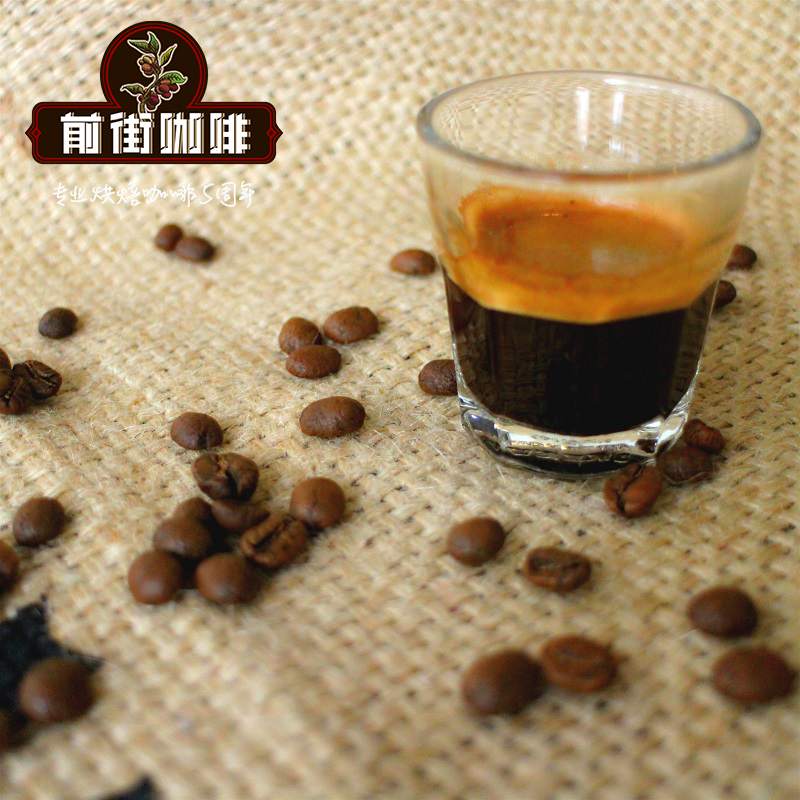
Have you ever been asked by a barista when ordering at a café: "Would you like to try our SOE?" "SOE" stands for "Single Origin Espresso"—espresso made from a single-origin coffee. Many people assume single-origin always tastes better than a blend, but is that really true?
SOE means single-origin espresso. Although it does not automatically equal specialty coffee, if you select single-origin beans with easily identifiable flavors, you can pull espresso with distinctive, typical character—the classic citrus of Yirgacheffe, the fruit of Kenya, and so on. Because espresso amplifies flavor, specific notes become more prominent than in pour-over. But that same amplification works both ways: since SOE comes from a single origin, its weaknesses are amplified too. Roast degree, grind size, and other factors all affect the cup, so an SOE is not necessarily more delicious than a blend.
Finding Your Favorite SOE
On the rise of this trend, Chen Zhihuang, founder of Fika Fika Café and winner of the 2013 Nordic Cup Coffee Roasting Championship, believes coffee's development closely mirrors whiskey. Everyone started out knowing only brands and drinking blended whiskies, until single malts from different regions took off over the past decade—and SOE follows exactly the same logic.
To find the espresso that suits your palate, don't decide based on the single-origin versus blend label alone. Next time, ask the staff about the flavor profile and roast level of the espresso beans, and keep tasting until you find your favorite.
SOE Does Not Equal Specialty Coffee
SOE Does Not Equal Delicious
SOE Does Not Equal Higher Quality Than Blended Beans
SOE Does Not Equal Light Roast Espresso
1. That shop specializes in SOE but doesn't have pour-over coffee—how strange!
Answer: Not strange at all. Anyone with this question hasn't understood what the E in SOE stands for.
2. The SOE beans at that shop make espresso so sour—who would drink it!
Answer: Plenty of people. Espresso made from SOE beans is not sold only as a straight shot; it is the base for every espresso-based drink—Americanos, milk coffees, many specialty drinks, even creative coffee.
3. SOE is just espresso made by running single-origin pour-over beans through an espresso machine
Answer: Beans used for pour-over can be used for SOE, but they may not taste good. Beans roasted for espresso and beans roasted for pour-over differ in their roasting approach.
4. What's the point of roasting SOE beans so dark?
Answer: Just like pour-over coffee, SOE can carry different roasts. Light roast has its benefits; dark roast has its merits.
Make a SOE with FrontStreet Coffee's [Sidamo Guji]!
With the sour aroma of orange on the nose, the entry is rich with berry fragrance and acidity, and the aftertaste lingers impressively.
FrontStreet Coffee Recommendation
If you want to explore single origins behind your espresso machine, FrontStreet Coffee's washed Yirgacheffe is the classic starting point for understanding Ethiopia. Yirgacheffe is a small town in the Sidamo province of southern Ethiopia, at roughly 1,700-2,100 meters, with coffee grown above 1,800 meters—among the highest coffee zones in the world. Its unmistakable white floral character and bright lemon-citrus acidity made the name a byword for Ethiopian specialty coffee; the region was only formally separated from Sidamo by the Ethiopian Commodity Exchange in 2010, when its fame grew too great. With its jasmine florals, citrus and lemon acidity, and tea-like finish, it shows exactly the kind of identifiable flavor that makes a great SOE, at a friendly price.
For a step up, try the washed coffee from the Guodingding Cooperative, based in the Worka region at the southeastern edge of Yirgacheffe—once part of the YCFCU union's Worka cooperative, now celebrated by coffee hunters worldwide as a distinct single origin for its traceability. Processed in the most traditional washed style, it has none of the traditional bitterness: just fresh, bright citrus and lemon acidity wrapped in jasmine fragrance. To brew it by hand, FrontStreet suggests a V60, 15g of coffee at 1:15, water at 90-91°C, and a grind like fine granulated sugar: pour 30g to bloom for 30 seconds, then 95g (scale reading about 125g) over about 1 minute; when the water drops to two-thirds of the coffee bed, add the final 100g (about 225g total) by 1:35, finishing extraction at 2:00-2:10. The same bright, aromatic character that shines in a pour-over is precisely what makes these Ethiopian lots so memorable as espresso.
Important Notice :
FrontStreet Coffee is a long-established specialty coffee roaster in Guangzhou China, selling freshly roasted beans from its own farm in Yunnan as well as dozens of carefully selected single-origin beans from around the world for both pour-over and espresso. The products deliver consistently excellent quality and great value, with shipping within 24 hours. Guangzhou's FrontStreet Coffee shop is recommended by many coffee lovers, and the beans are now available online at the Tmall 。
FrontStreet Coffee has moved to a new address:
FrontStreet Coffee Address: 315,Donghua East Road,GuangZhou
Tel:020 38364473
 Scan and follow the En Gafei WeChat official account. Please indicate that the reprint comes from "En Gafei".