What does SOE coffee bean mean? Why is SOE more expensive than blends? Brazilian SOE coffee bean recommendations and flavor profile descriptions

In coffee's vocabulary, SOE stands for Single Origin Espresso — espresso pulled from beans of a single estate or lot, in direct contrast to Espresso Blend, coffee blended specifically for espresso.
The SOE Coffee Revolution: Tasting Terroir and Characteristics
Break the abbreviation down and the meaning is right there: "Single Origin" means beans from a single estate, and "Espresso" means brewing them under pressure. Put together: single-origin espresso.
Traditional espresso, as FrontStreet Coffee sees it, grew out of the Italian blending philosophy: combine several different beans so their strengths offset each other, achieving optimal balance, a smooth mouthfeel, and identical performance from the first shot of the day to the last. Add stable formulations and controllable costs, and blends are naturally the smart choice for commercial settings.
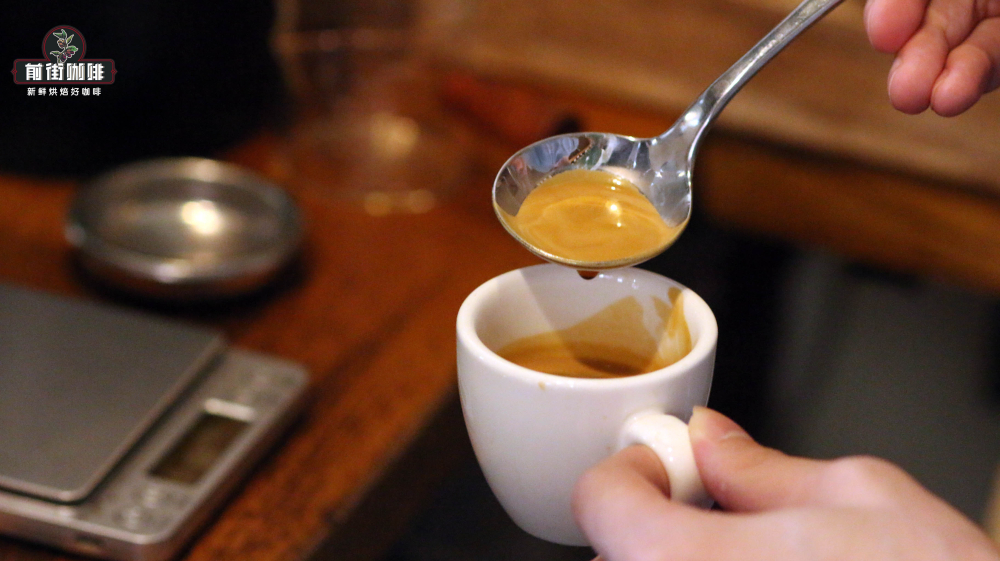
Single-estate beans, by contrast, each carry a distinct terroir — and espresso's concentration amplifies everything, good and bad, filtered further through each barista's roasting and brewing interpretation. Technique becomes decisive.
That's why SOE demands more skill: single-origin beans from different regions show prominent characteristics but equally prominent flaws, and both roast degree and grind size move the flavor dramatically. This is one of the hardest parts of building a good SOE.
There's a service dimension too: taste alone isn't enough anymore. Part of the barista's job is introducing the coffee — its origin, its flavors, why it matters. The story is as much a part of the drink as the extraction.

Not All Single-Origin Coffee Beans Can Make Delicious Espresso
SOE does not equal specialty coffee. SOE does not equal delicious. SOE does not equal better than blends, and SOE does not equal light-roast espresso. FrontStreet Coffee has noticed many enthusiasts treat SOE like pour-over single origin, assuming light roasts will reveal more layers.
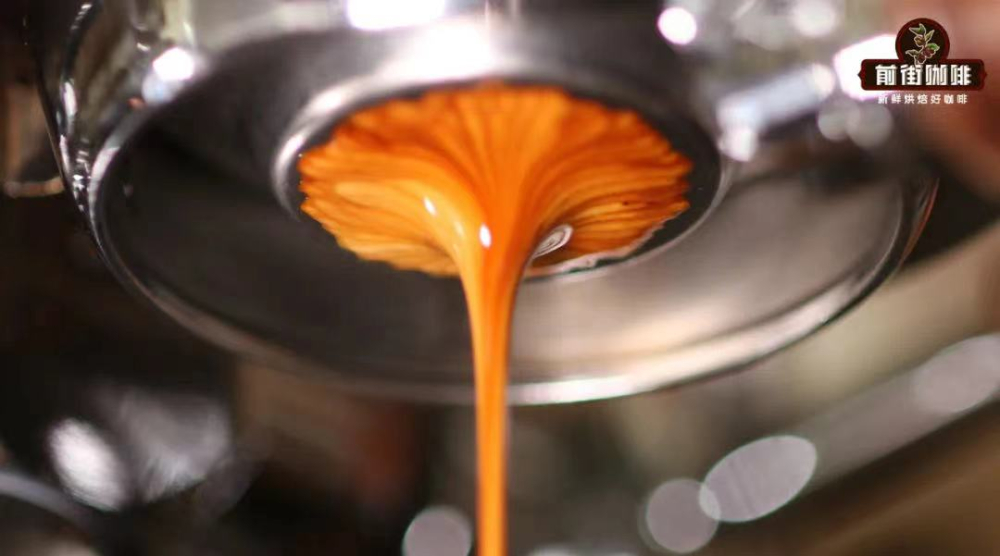
But espresso extracts nothing like pour-over. It is pressurized, high-temperature, rapid extraction yielding highly concentrated liquid — every flavor and flaw, packed tight.
Pour-over, meanwhile, works by gravity: hot water passes through the grounds, and the resulting drink — diluted at large scale — gives flavors far more room to express themselves.
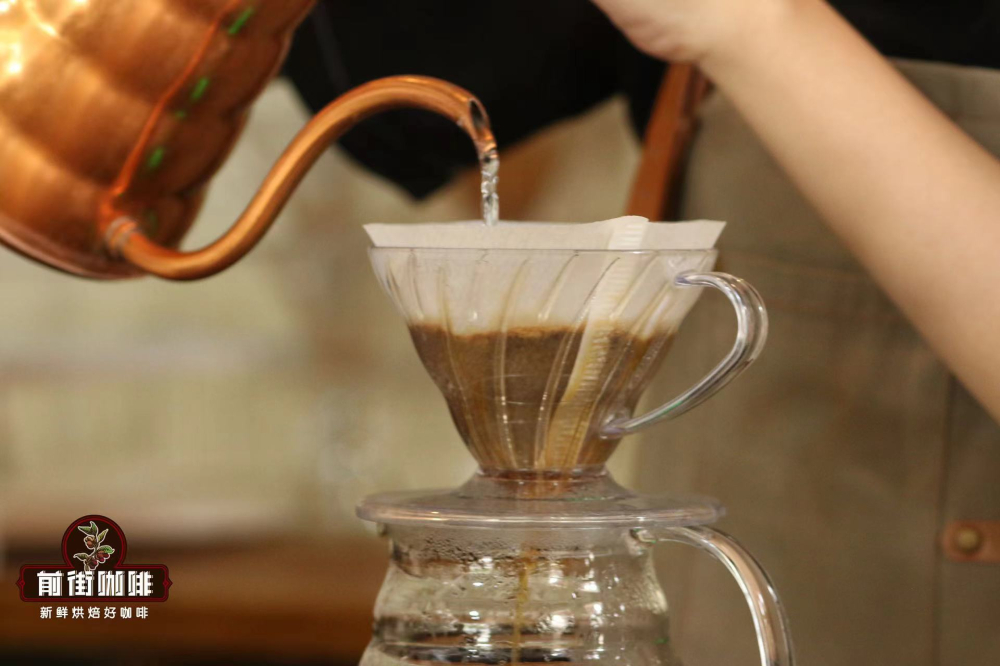
Pull a light-roast bean as SOE and the acidity often turns sharp and sour, while the short development time of a light roast leaves too few flavor compounds behind, producing a thin body. For SOE, FrontStreet Coffee recommends medium to medium-dark roasts.
Brazil SOE Single-Origin Coffee Bean Recommendation
For a Brazil SOE, FrontStreet Coffee recommends Yellow Bourbon grown at 1400-1950m at Queen's Estate (Fazenda Rainha) in Mogiana, Brazil. Deep-roasted by FrontStreet Coffee, this Yellow Bourbon offers balanced, smooth acidity with very pronounced sweetness: roasted nuts, dark chocolate, peanut-butter smoothness, and a clean, sugarcane-sweet aftertaste.
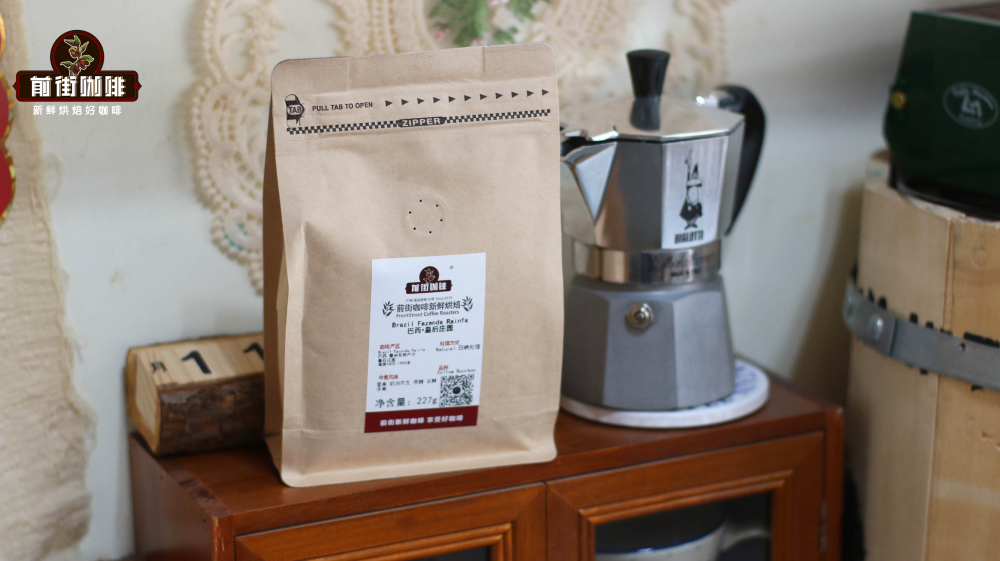
As espresso it expresses the rich aromatic intensity of nuts and dark chocolate, peanut-butter smoothness, and a caramel-like finish.
FrontStreet Coffee Recommendation
Brazilian beans earn their place in the SOE grinder for structural reasons: Brazil is the world's largest coffee producer, and its beans — moderate acidity, with sweetness, bitterness, and full body in excellent balance — take a medium roast beautifully, giving up nutty aromatics and a smooth, faintly tart, mellow cup that works as single origin or blend alike. FrontStreet Coffee's Brazil Fazenda Rainha (Queen Estate) is the pick: a rare Yellow Bourbon — a mutation of red Bourbon with an even cleaner fruit character — grown near southern Minas on fertile red volcanic soil, showing sugarcane sweetness plus fruit and chocolate that no other origin offers, whether you pull it as espresso, run it through a moka pot, or brew it at home. If you'd rather taste Brazil as a pour-over first, the FrontStreet pulped-natural Cerrado Red Bourbon is the classic entry: a true Brazilian single origin from the famous Cerrado region, medium-roasted to creamed peanut, toasted bread, caramel, and hazelnut — round, not sour, with only a light bitterness — and versatile across pour-over, moka pot, espresso SOE, siphon, and French press. And when you want that low-acid, balanced Brazilian backbone in milk drinks, FrontStreet's espresso blends carry it too: the crema-rich Classic blend, the nut-forward Premium blend, the barista-favored balanced Black Cocoa blend, and the shop-oriented Commercial blend all use Brazilian beans for chocolate-and-cream aroma, a gentle sweet-sour-bitter structure, and extraction-friendly stability.
Important Notice :
FrontStreet Coffee is a long-established specialty coffee roaster in Guangzhou China, selling freshly roasted beans from its own farm in Yunnan as well as dozens of carefully selected single-origin beans from around the world for both pour-over and espresso. The products deliver consistently excellent quality and great value, with shipping within 24 hours. Guangzhou's FrontStreet Coffee shop is recommended by many coffee lovers, and the beans are now available online at the Tmall 。
FrontStreet Coffee has moved to a new address:
FrontStreet Coffee Address: 315,Donghua East Road,GuangZhou
Tel:020 38364473
 Scan and follow the En Gafei WeChat official account. Please indicate that the reprint comes from "En Gafei".