A Beginner's Simple Guide to Coffee - How to Buy Home Coffee Beans? How Much Does a Bag of Home Coffee Beans Cost?
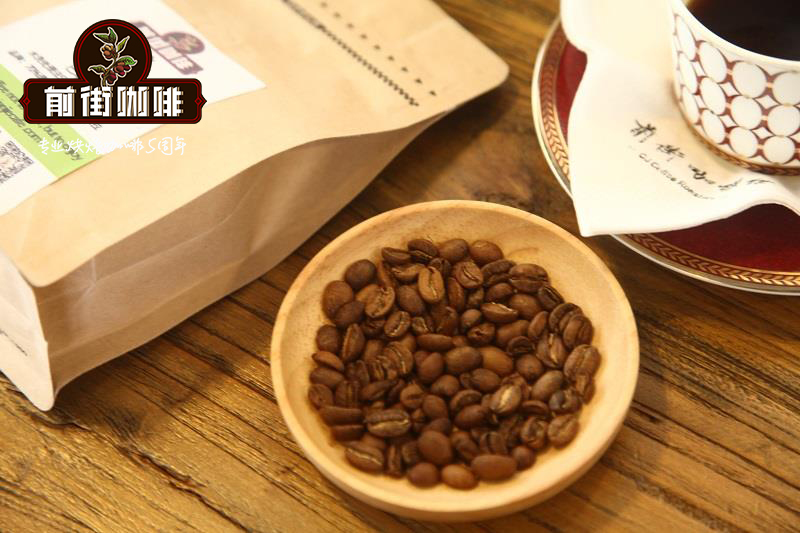
Home brewing has become a trend, and many people are starting to care about the primary condition for drinking coffee at home: how to buy household coffee beans? What are the differences between coffee beans and coffee powder? Coffee beans and coffee powder that once had to be bought from professional coffee shops can now be found in many high-end supermarkets. So what are the essential points to know when selecting household coffee beans?
Essential Purchase Guidelines
Buy Beans or Powder?
The flavor of a cup of coffee begins to form during roasting, starts to deteriorate during grinding, and changes every day. Freshness is almost the single greatest indicator of coffee aroma. So when you are deciding whether to buy coffee beans or coffee powder, the first thing to consider is how to preserve freshness.
If you are not a coffee enthusiast chasing the ultimate tasting experience but simply treat coffee as a daily beverage, the flavor-preservation window experts generally cite for home storage is one month for roasted coffee beans and one week for coffee powder.
Coffee raw beans must undergo different roasting processes to bring out their flavor, but roasting is fairly complex, professional work for the average enthusiast. So unless you specifically want to control the roasting process yourself, there is no need to buy raw beans.
When raw coffee beans are roasted, various flavors and aromas begin to disappear as moisture and carbon dioxide evaporate. Coffee beans are therefore generally considered best consumed within one month of roasting in order to keep the aroma at its peak. When roasted beans are ground into powder, the surface area exposed to air increases and the flavor deteriorates quickly. Experts therefore recommend consuming ground coffee within one week when stored in home packaging.
Single-Origin Beans or Commercial Beans?
So-called commercial beans are defined in contrast to single-origin beans. For coffee enthusiasts, single-origin beans let you experience the distinctive flavors of different coffees. Commercial beans, by contrast, blend single-origin beans of different flavors in various proportions to create a balanced, pleasant-tasting final product. It is a little like the different appreciation of single malt whiskey and blended whiskey. If you want a more convenient method and a more consistent taste for daily drinking, commercial beans from major brands may actually be a good choice.
Turnover and Freshness Are King!
For a cup of coffee, aroma is the most direct indicator. Freshness is the important factor that ensures you taste the coffee's proper aroma.
For pour-over enthusiasts, buying single-origin beans with different flavors and grinding them fresh before drinking is certainly the best option. Not everyone, however, has the time and equipment to grind fresh coffee each time. So to strike a balance between aroma and convenience, buying vacuum-sealed or inert-gas-packaged coffee powder is a reasonable compromise. But once the vacuum packaging is opened, the powder comes into contact with air, so estimating your purchase around 2-4 weeks of consumption is the most cost-effective solution.
If you are this type of buyer, commercial coffee powder is a relatively high-value choice. Fast turnover and fresh beans keep the flavor consistent and the quality dependable, while large-scale standardized production lowers costs and improves value. Illy and Lavazza, and even Starbucks' selected beans, for example, maintain fairly stable bean quality, with mainstream 250g prices around 100 yuan, offering good value.
Practical Tips: How to Read Labels?
When you buy coffee beans (or powder) at the supermarket, do you read the label? Origin, roast level, and production date are all important information about coffee beans, and they are clearly listed on the label.
Origin Is Important!
Is origin important? Coffee, as an agricultural product, does have very significant origins. Different origins reflect different terroir characteristics, and different regions vary from bean characteristics to sun-dried or washed processing methods. On coffee bean packaging, besides the origin, the sun-dried or washed processing method is usually clearly marked and worth noting.
The sun-dried method, widely used in origins such as Brazil, Africa, and Asia, is currently the most common in the world. Generally, sun-dried coffee beans have richer, more full-bodied flavors, while washed beans have brighter, more prominent acidity. This does not mean that one is superior to the other. Ethiopia's premium Yirgacheffe coffee, for example, mostly uses the washed method.
Roast Level Reflects Personal Preference
Roast level is also an essential item on the label. The color and flavor of beans deepen and intensify as the roast level increases, but darker-roasted coffee is not necessarily more aromatic.
A global coffee roasting master once pointed out in an interview that when coffee is roasted too deeply, the rich burnt aroma often masks some undesirable off-flavors. Some lower-quality coffee beans therefore use deep roasting to "hide their shortcomings." Lighter roasting instead allows for a better appreciation of the subtle flavors of the beans themselves. Overly light roasting, however, cannot release the beans' aroma. Coffee beans from the same origin will therefore taste very different at different roast levels. Choosing and controlling the roast degree is like bartending: it requires experience and different personal taste preferences.
Household Coffee Bean Brand Recommendations
FrontStreet Coffee roasts single-origin beans for home use, including washed Yirgacheffe, Kenya AA, and Panama Geisha. These beans carry full guarantees in both brand and quality and suit brewing with a wide range of equipment, from a simple pour-over setup to a moka pot or espresso machine.
FrontStreet Coffee Recommendation
If you are buying your first bag of home coffee beans, start with a medium roast. It is the sweet spot that balances the brightness of a light roast against the depth of a dark one, and it is forgiving of small mistakes in brewing. FrontStreet Coffee's Brazil Queen Estate Coffee is a classic example: grown in Brazil, the world's largest coffee-producing country, it is a distinctive Yellow Bourbon that drinks smooth and gently sweet, with the cream, peanut, chocolate, toast, and sugarcane notes that medium roasting brings out, and it works equally well for pour-over, a moka pot, or an espresso machine.
For a fuller, more classic cup, reach for FrontStreet Coffee's Jamaica Blue Mountain No. 1, a Typica variety whose acidity, bitterness, sweetness, and body come together in an elegant whole, or the FrontStreet 2013 Sun-Dried Typica from Yunnan, whose medium roast delivers nuts, brown sugar, black tea, and dried apricot. Whichever you choose, buy in small quantities, keep the beans whole until you brew, and let freshness do the rest.
Important Notice :
FrontStreet Coffee is a long-established specialty coffee roaster in Guangzhou China, selling freshly roasted beans from its own farm in Yunnan as well as dozens of carefully selected single-origin beans from around the world for both pour-over and espresso. The products deliver consistently excellent quality and great value, with shipping within 24 hours. Guangzhou's FrontStreet Coffee shop is recommended by many coffee lovers, and the beans are now available online at the Tmall 。
FrontStreet Coffee has moved to a new address:
FrontStreet Coffee Address: 315,Donghua East Road,GuangZhou
Tel:020 38364473
 Scan and follow the En Gafei WeChat official account. Please indicate that the reprint comes from "En Gafei".