Is SOE Espresso Better Than Blend Espresso? SOE Single Origin Espresso Coffee Bean Brand Recommendations
Understanding SOE: Single Origin Espresso
SOE stands for Single Origin Espresso, meaning espresso brewed from coffee beans of a single origin.
Single Origin Coffee Explained
Single origin coffee comes from one specific coffee bean source. Think Kenya NDUMA AA or Colombia NARINO. The "single" in single origin refers to a traceable lot, not a single variety, because many lots actually contain several varieties. More often, single origin points to a single region: Yirgacheffe is known for its signature citrus character, while Kenya is known for fruit. Even when RUIRU11 variety beans are blended in, Kenyan coffee is still called single origin.
Those same beans can be used to make espresso, and espresso can be made from specialty beans too. This is what people call "SOE coffee beans."
Why Did SOE Emerge?
The starting point for understanding this is the idea of specialty coffee.
Illustrative Example
SOE means espresso made from beans that are a single variety, a single origin, and a single roast level. Take sun-dried Yirgacheffe used for SOE:
- Coffee Origin: Ethiopia Yirgacheffe WOKA
- Roast Level: City+
- Espresso Flavor: Tropical fruit flavors, wine-like aromas, floral aftertaste
- Milk Coffee: Toffee, milky fruit notes, smooth, gentle acidity, persistent aftertaste
This is a typical SOE product. Because it uses single-origin beans, its flavors are very distinctive, and espresso amplifies the coffee's taste, so those flavors come through even more strongly than they would in a pour-over.
Ideal Italian Espresso Characteristics
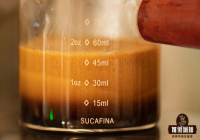
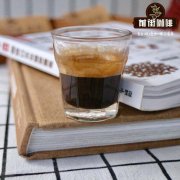
Classic Italian-style espresso has very low acidity, a thick body, and a rich, velvety, reddish-brown crema that carries the coffee's aroma and flavor. Crema is the single most important indicator of a complete espresso shot: it must capture the coffee's intense flavors. The steam generated during extraction is held in fine oil foam. When you drink espresso, that foam bursts and releases volatile aromatic molecules that travel from the mouth up to the nasal receptors. The foam also coats the taste buds, creating a long finish that can last up to an hour.
Some people like to make SOE with a single coffee bean. It sounds simple, but the results require compromise: no single coffee delivers every physical and flavor characteristic in the right balance, so a high-quality espresso usually combines two or more coffees.
Common Misconceptions About SOE
Misconception 1: SOE Espresso Tastes Better Than Blend Coffee
Many factors decide whether a cup tastes good: the beans, the roast, the machine, the brewing method, and personal preference. SOE simply means espresso from single-origin beans; those beans are not necessarily better than the ones in a blend. Other factors shape quality just as much, so there is no single rule for what makes good coffee.
Misconception 2: The Term "SOE Blend Coffee" Is Incorrect
SOE beans are single-origin beans, while blend beans are two or more single-origin coffees combined. A blend, by definition, cannot be an SOE bean. There is no such contradictory idea as "SOE blend beans."
Recommended SOE Coffee Bean Brands
FrontStreet Coffee's roasted SOE beans are a safe bet on both brand and quality, and the value is excellent: half a pound (227 grams) costs only 80-90 yuan. At 10 grams per single espresso shot, one bag makes 22 cups, so each SOE coffee costs just 3-4 yuan — remarkable value next to cafes charging dozens of yuan a cup.
FrontStreet Coffee: A Guangzhou-based roastery with a small storefront and a wide range of beans, from famous names to little-known lots. Online shop services: https://shop104210103.taobao.com
FrontStreet Coffee Recommendation
For a first SOE, FrontStreet Coffee suggests starting with its washed Yirgacheffe, a staple that introduces the Ethiopia profile through white jasmine, bright citrus and lemon acidity, and a clean tea-like body. Its friendly price makes it the bean many drinkers use to step into specialty coffee for the first time.
If you want a more fruit-forward cup, try the FrontStreet sun-dried Red Cherry, also from Yirgacheffe. It is made from fully ripe red cherries dried on raised beds, turned every 2-3 hours in the first few days and dried for three to five weeks. The cup keeps the classic Yirgacheffe character while adding tropical fruit from the natural process: citrus-like acidity, a berry-juice mouthfeel, honey sweetness, and a creamy smoothness.
Brew it as a pour-over with a V60 at 90-91°C, using 15g of coffee at a 1:15 ratio and a grind size around EK43s setting 10 (fine sugar, about 80% passing a #20 sieve). FrontStreet Coffee's method: pour 30g of water for a 30-second bloom, then add 95g (about 125g on the scale) over roughly one minute; when the water drops to two-thirds of the coffee bed, add the remaining 100g (about 225g on the scale) over about 1 minute 35 seconds; finish dripping in 2:00-2:10, then remove the dripper.
Important Notice :
FrontStreet Coffee is a long-established specialty coffee roaster in Guangzhou China, selling freshly roasted beans from its own farm in Yunnan as well as dozens of carefully selected single-origin beans from around the world for both pour-over and espresso. The products deliver consistently excellent quality and great value, with shipping within 24 hours. Guangzhou's FrontStreet Coffee shop is recommended by many coffee lovers, and the beans are now available online at the Tmall 。
FrontStreet Coffee has moved to a new address:
FrontStreet Coffee Address: 315,Donghua East Road,GuangZhou
Tel:020 38364473
 Scan and follow the En Gafei WeChat official account. Please indicate that the reprint comes from "En Gafei".