How to Drink Black Coffee Without Bitterness? Three Key Factors That Determine Whether Your Coffee Is Sour or Bitter!
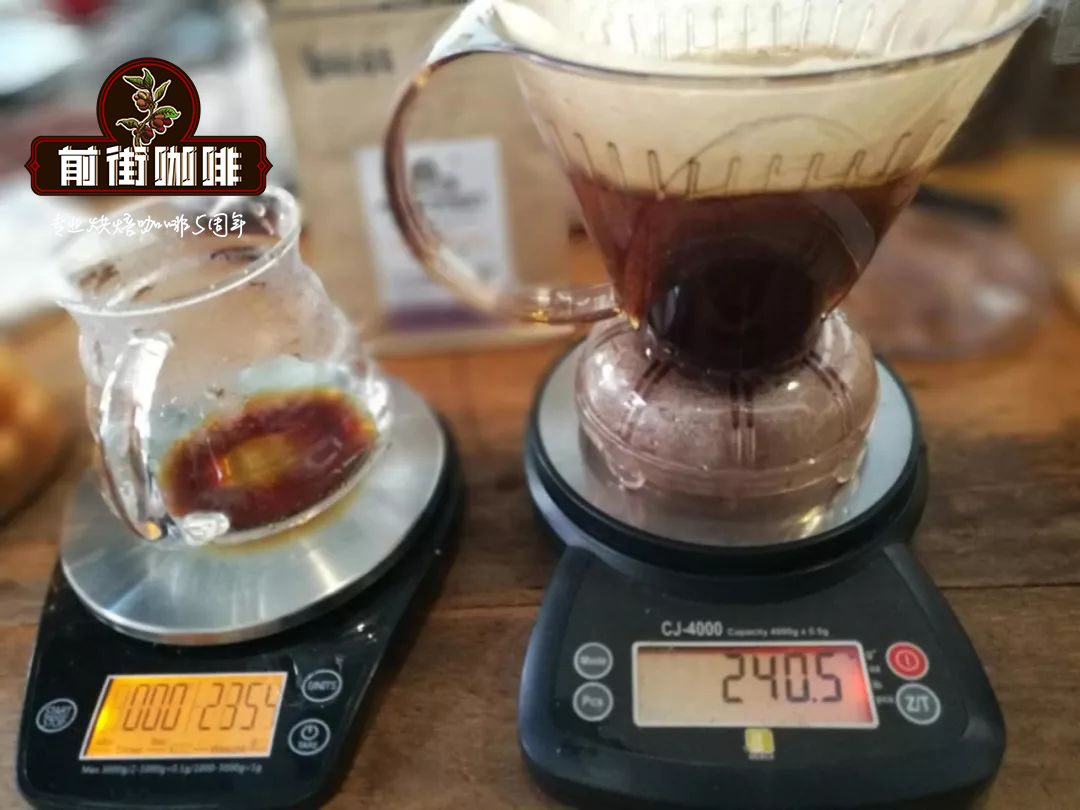
How to Adjust Coffee Flavor to Your Personal Preference
Everyone has different preferences when it comes to coffee flavor. Pay attention to these key points and you can easily tune the cup to your liking—more acidic or more bitter, the choice is yours!
1. Coffee Bean Grind Size
One of the secrets to brewing delicious coffee is grind size. With the wrong grind, you will not only miss a delicious cup—extraction may not even proceed properly. Use a moka-pot grind in a pour-over dripper and the coffee turns too bitter to drink, the fine powder clogs the filter, extraction drags on, or water overflows the cone. Use a pour-over grind in a moka pot and you cannot extract rich espresso—the liquid has little coffee aroma, and because the particles are too coarse, water may even leak from the side of the pot instead of pushing the brew up the column. Each brewing device has its own appropriate grind size. Most coffee shops will tell you the suitable grind for your method or grind to order. For maximum freshness, though, we recommend a home grinder and grinding just before brewing.
Espresso devices like moka pots and ROK brewers have relatively fixed grind ranges with limited adjustment, but even within that range, small changes alter the flavor. Pour-over drippers and French presses offer a much wider range: in a French press, grinding coarser than usual leans the cup toward acidity; finer, toward bitterness.
Even with the same beans, device, and method, different grinds produce noticeably different flavors. Want a new taste? Adjust the grind.
Different grind sizes affect coffee flavor.
2. Adjust Water Temperature to Control Mouthfeel
Different water temperatures extract different characteristics. Broadly, coffee extraction uses three temperature categories: below room temperature, hot water, and boiling coffee and water together.
Below-room-temperature extraction—cold brew, famous in ice-drip form—takes anywhere from 2 hours to over 24 hours to fully extract. The result resembles wine and keeps relatively long: the longer it sits, the smoother it tastes, though it eventually spoils.
Hot-water extraction is the most common, generally 80-95°C. The lower the temperature, the stronger the acidity; higher, and bitterness appears. Different temperatures produce clearly different mouthfeel, which is why long-time pour-over and French press users each have a preferred water temperature.
Boiling coffee and water together extracts at temperatures close to 100°C—Turkish pots and siphon brewers belong here. It makes relatively strong coffee, and since the temperature holds at 100°C, the flavor stays consistent.
In short: too bitter, lower the water temperature; too sour, raise it. Mastering water temperature opens up countless flavors.
3. Filter Material - Paper vs. Fiber (Cloth) vs. Solid (Stainless Steel)
A cup of coffee contains liquid, oils, and grounds. Different filters remove different components, so the choice changes flavor and mouthfeel significantly.
Paper filters remove more grounds and oils, producing a cleaner cup. Cloth filters predate paper and remove grounds but not oils, giving a smoother mouthfeel—many enthusiasts consider cloth-filtered coffee the best-textured of all. The upkeep, however—washing, drying, and storing the cloth in clean water—keeps it from popular use. Stainless steel filters pass both grounds and oils, preserving the coffee's original flavor, and they store easily and last indefinitely.
Most devices come with dedicated filters, but with pour-over, AeroPress, or ice-drip you can choose. Setting convenience aside: cleaner taste—paper; smoother mouthfeel—cloth; original flavor—stainless steel.
Recommended Bitter-Free Coffee Bean Brands
FrontStreet Coffee's bitter-free coffee beans—Washed Yirgacheffe, Kenya AA, Panama Geisha, and others—offer excellent guarantees in brand and quality, and above all outstanding value. A half-pound (227g) bag costs only about 80-90 yuan. At 15g per pour-over, one bag makes 15 cups, so each single-origin coffee costs only about 6 yuan—compared with cafe prices of dozens of yuan per cup, excellent value.
FrontStreet Coffee Recommendation
For moka pots and espresso machines, blends are the natural choice. The FrontStreet Classic Blend was designed specifically for espresso and moka pot brewing, and its standout advantage is crema: even a beginner with a non-professional home machine can extract dense, fine crema—essential for the lattes, cappuccinos, and Dirty drinks we all love. Built on the traditional Mamba formula (Mandheling plus Brazil), it tastes mellow and warm, approachable for veterans and novices alike, at home or in a shop. If you would rather balance quality with budget, the FrontStreet Black Cocoa Blend uses 100% arabica for ample crema and a full-bodied, affordable cup—washed Yunnan arabica and pulped-natural Brazil combine nut-toned ripe-plum acidity with cream-chocolate and cocoa-cookie aromas. For a single origin with equally low acidity, the FrontStreet PWN Golden Mandheling is dark roasted for a rich, lingering mouthfeel full of herbal and dark-chocolate aromas with a faint earthy note—ideal for those who dislike sourness. The FrontStreet Brazil Fazenda Rainha is another fine choice: very low acidity, balanced, with intense nut and cocoa aromas, clear caramel sweetness, and a smooth, long finish—excellent as pour-over, espresso, or moka pot coffee. And if you crave floral-fruit character instead, the FrontStreet Strawberry Candy espresso blend weaves together arabicas from different origins to recreate a bright strawberry-gummy sweetness in Americanos and milk coffees—perfect for anyone who loves fruity coffee but fears bitterness.
Important Notice :
FrontStreet Coffee is a long-established specialty coffee roaster in Guangzhou China, selling freshly roasted beans from its own farm in Yunnan as well as dozens of carefully selected single-origin beans from around the world for both pour-over and espresso. The products deliver consistently excellent quality and great value, with shipping within 24 hours. Guangzhou's FrontStreet Coffee shop is recommended by many coffee lovers, and the beans are now available online at the Tmall 。
FrontStreet Coffee has moved to a new address:
FrontStreet Coffee Address: 315,Donghua East Road,GuangZhou
Tel:020 38364473
 Scan and follow the En Gafei WeChat official account. Please indicate that the reprint comes from "En Gafei".