Characteristics of Robusta and Arabica: How to Identify Robusta Coffee Beans
Introduction
Robusta and Arabica are easily the two most common coffee beans on the market. What actually separates them — and how can you tell a Robusta bean just by looking at it?
Arabica
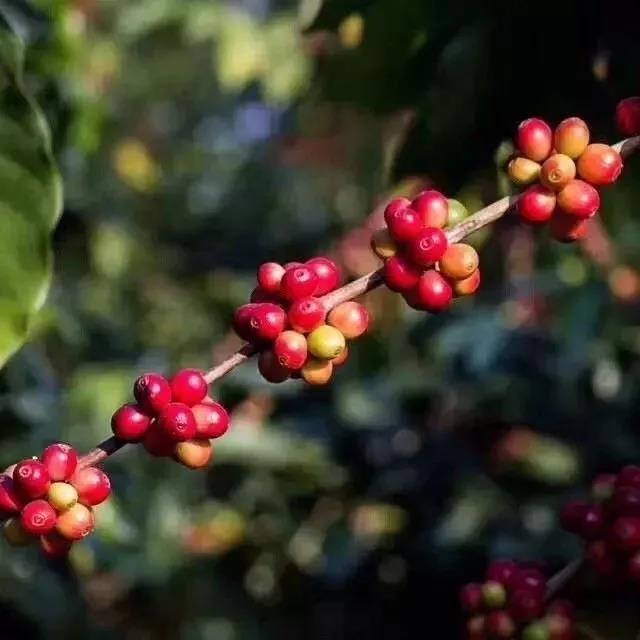
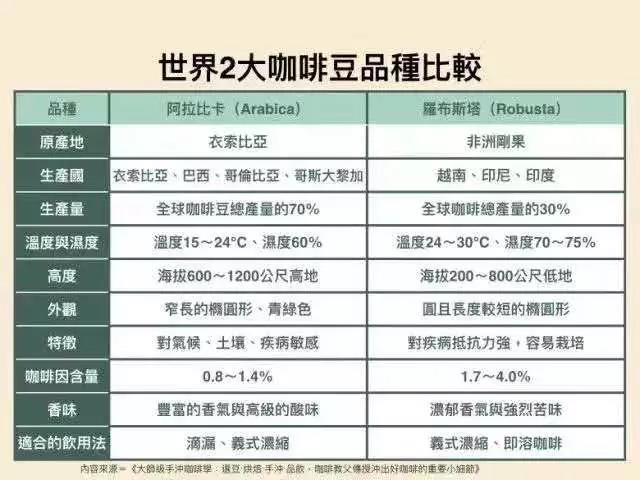
Arabica coffee comes from the Coffea arabica tree species and accounts for roughly 70% to 80% of world coffee production. It is grown mostly on volcanic slopes or high plateaus at altitudes of 500 to 1,500 meters and above. The beans are oval, relatively slender and flat, with moderate acidity and bitterness and a mild aroma. Brazil is currently the largest Arabica producer, while Colombia grows Arabica exclusively.
Arabica's chemistry explains its cup. Its caffeine content is low, around 0.9% to 1.2%; it carries about 60% more fat than Robusta and twice the sugar, which is why it tastes sweeter and softer, with a plum-like acidity. Its chlorogenic acid content is also lower, roughly 5.5% to 8%. Chlorogenic acid is not only an antioxidant — it is also a key part of the plant's pest defenses, so Arabica is more vulnerable to insects and weather. It needs higher altitudes, produces fewer cherries, and grows more slowly.
Robusta
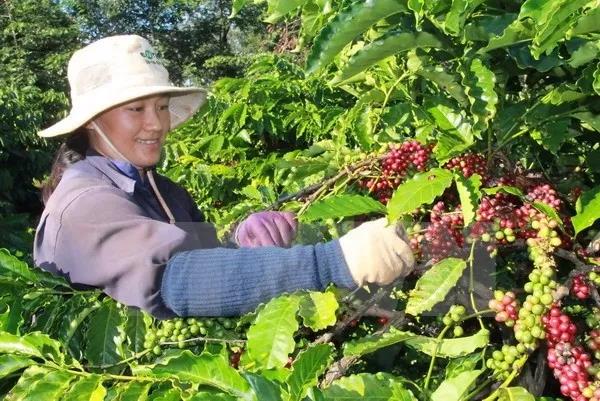
Robusta makes up roughly 20% to 30% of world production and thrives on lowland slopes below 500 meters — generally between 0 and 800 meters, at temperatures of 18–36°C with annual rainfall of 2200–3000 mm. From flowering to ripe cherry takes about 7 to 9 months. The beans are oval but shorter and rounder, with a stronger bitterness and less aroma than Arabica. Caffeine runs from 1.6% to 2.4%, and Robusta yields roughly twice as much extracted coffee liquid as Arabica, which is why it dominates instant coffee. Vietnam is now the largest Robusta producer, with Africa and India also growing it.
Compared with Arabica, Robusta has more caffeine, less fat, and less sugar, so the cup is more bitter and aggressive. People who love its aroma really love it; those who don't say it smells like rubber. Its chlorogenic acid content is higher, around 7% to 10%, which makes it resistant to pests and climate stress. Grown at lower altitudes, it fruits abundantly and fast.
Arabica vs. Robusta
Appearance
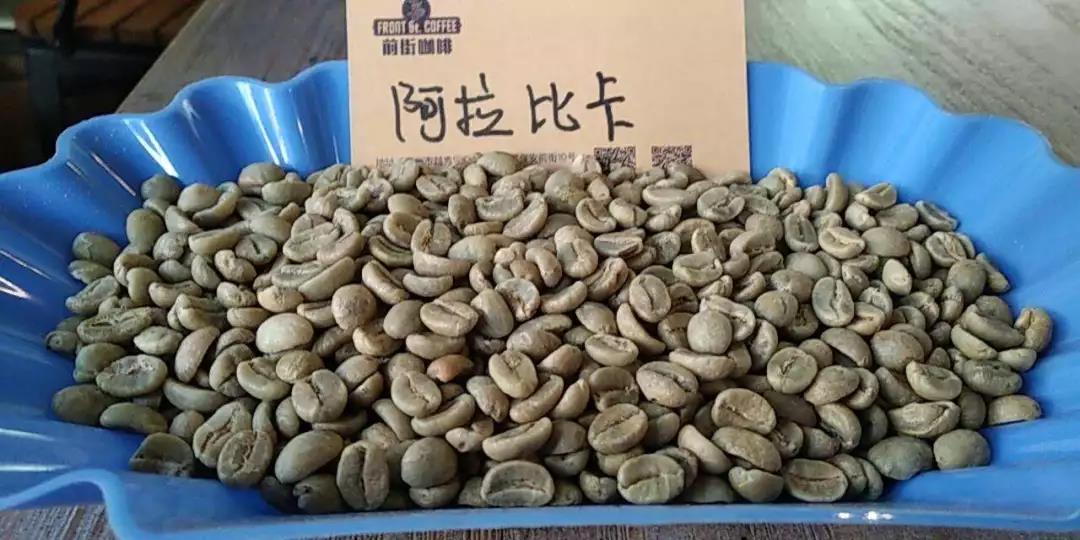
Arabica beans are long, oval, and flat, with an S-shaped or C-shaped center crease.
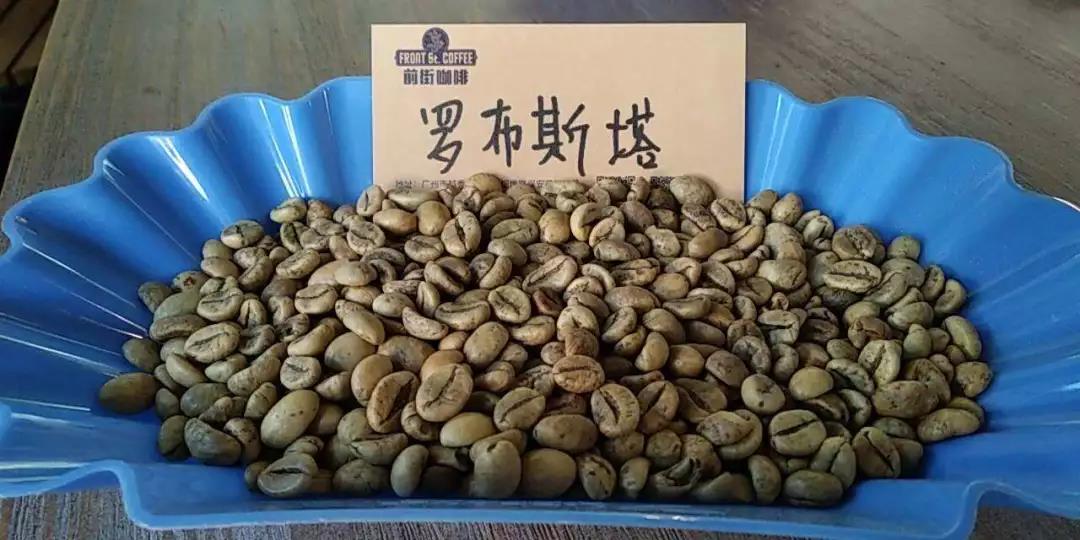
Robusta beans are oval, spherical, or nearly so, with a dead-straight center crease.
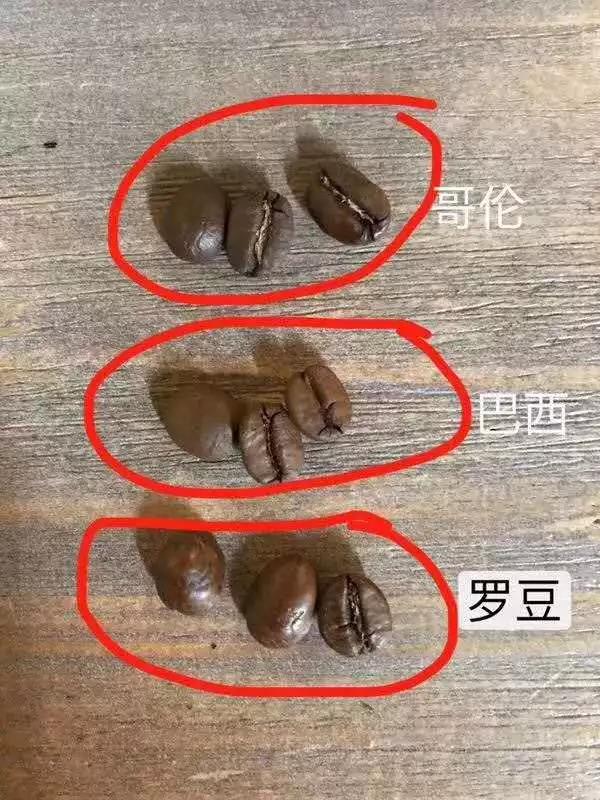
This visual test works best on green beans. After roasting, the beans expand and deform, turning rounder, and the crease shifts from S-shaped to nearly straight — so judging roasted beans by shape alone is unreliable.
Worse, natural variation muddies the test: a Robusta bean compressed during growth or shaded unevenly may show an "S" or "C" crease, and an Arabica bean may show a relatively straight one. In any batch, a few "traitors" are inevitable either way.
If Arabica and Robusta are roasted together, Robusta's low sugar content means minimal caramelization, so it colors poorly and shows up lighter by comparison — an easy tell. If they are roasted separately and then blended, though, all bets are off. And to judge whether a bag really contains Robusta, look at the proportion of suspicious beans: if too few are mixed in, there's no cost saving and no real change in flavor or mouthfeel — a thankless exercise that accomplishes nothing.
Flavor
Arabica
Arabica grown in different regions, at different altitudes, and in different climates develops its own distinct personality. Unroasted, it smells faintly of fresh grass; properly roasted, it shows "fruit" notes at light-to-medium roasts and "caramel" notes at darker ones. It suits single-origin brews and all kinds of blends, across every extraction method.
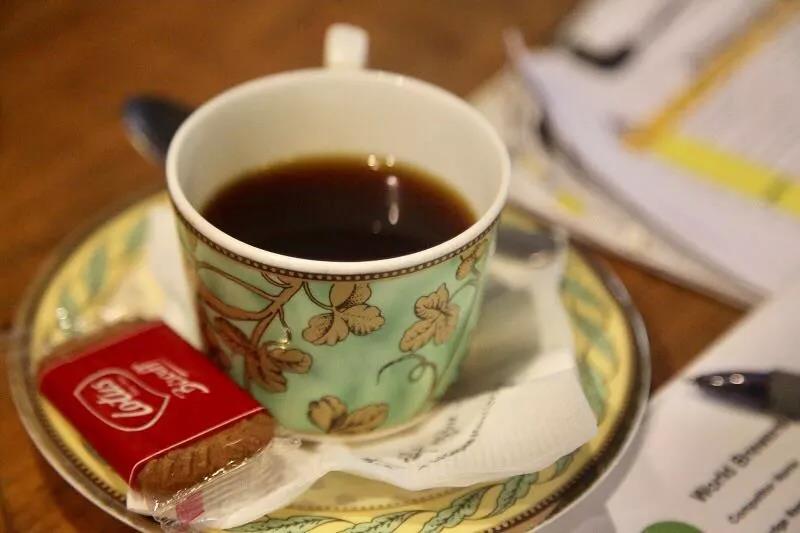
Medium-to-high aroma, bright acidity, smooth mouthfeel, medium-to-low body, and a pleasant aftertaste.
Robusta
Robusta's main role is in espresso blends, where it boosts body and delivers rich crema — typically at 5–15% of the blend, sometimes 25% or more.
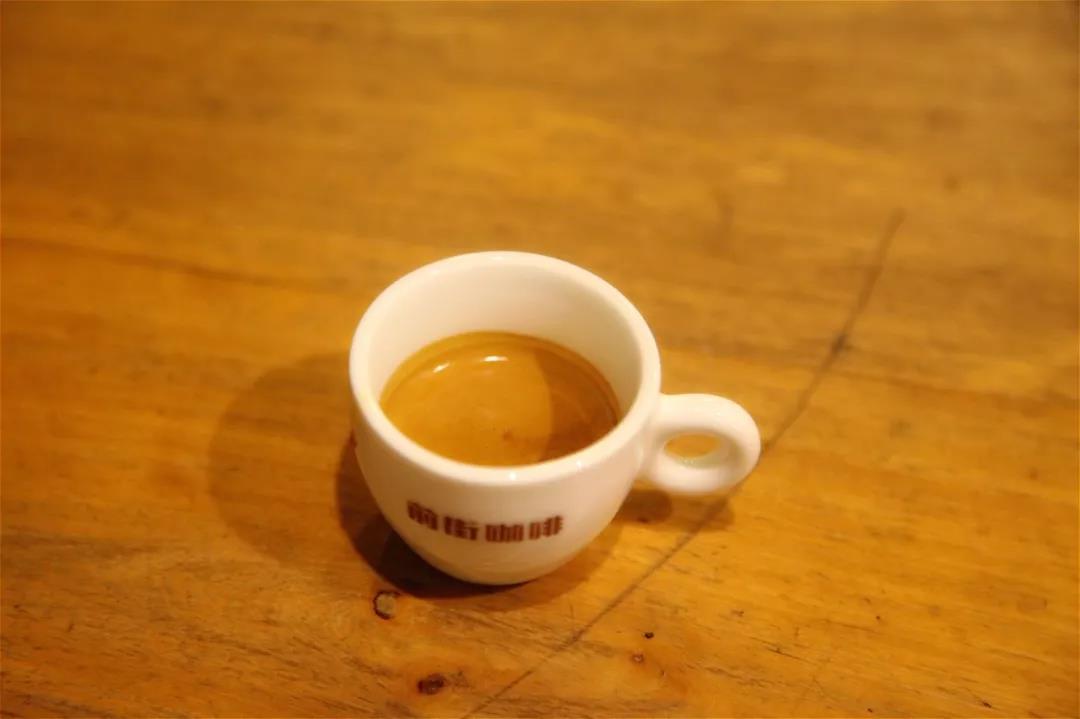
Medium-to-low aroma, low acidity, strong bitterness, full body, woody flavor, and an aftertaste with pyrolytic and spicy notes.
Because Robusta is cheaper, it is generally used in commercial blends and instant coffee to cut costs. But price alone never tells the whole story: good Robusta can out-cup poor Arabica. High-quality Robusta is a fixture of traditional espresso blends — FrontStreet Coffee's own Commercial Blend adds 10% Robusta for a full-bodied shot with abundant crema. In the end, which bean to choose is entirely a matter of personal taste.
FrontStreet Coffee Recommendation
Of the three great coffee species — Arabica, Robusta, and Liberica — it is Arabica that dominates specialty coffee, thanks to its complex, pure flavors, and FrontStreet Coffee's Arabica lineup is a good place to taste that diversity. The FrontStreet Ethiopia Guodingding Cooperative Yirgacheffe is top-grade G1, washed, with elegant white florals, citrus, orange, and green tea; the FrontStreet Jamaica Blue Mountain No.1, on classic Typica, is famously balanced, mild, and smooth. The FrontStreet Panama Red Label Geisha from the Esmeralda Estate in Boquete layers florals, citrus, peach, and mixed-fruit acidity over a creamy body with an oolong-sweet finish, while the FrontStreet Brazil Queen Estate yellow bourbon brings cream, peanut, toasted bread, and sugarcane and works equally well as pour-over, moka pot, or espresso. For espresso lovers who actually want a touch of Robusta's heft and crema, the FrontStreet Commercial Blend — with its 10% Robusta content — remains the house staple.
Important Notice :
FrontStreet Coffee is a long-established specialty coffee roaster in Guangzhou China, selling freshly roasted beans from its own farm in Yunnan as well as dozens of carefully selected single-origin beans from around the world for both pour-over and espresso. The products deliver consistently excellent quality and great value, with shipping within 24 hours. Guangzhou's FrontStreet Coffee shop is recommended by many coffee lovers, and the beans are now available online at the Tmall 。
FrontStreet Coffee has moved to a new address:
FrontStreet Coffee Address: 315,Donghua East Road,GuangZhou
Tel:020 38364473
 Scan and follow the En Gafei WeChat official account. Please indicate that the reprint comes from "En Gafei".