Indonesia Bali Premium Coffee Beans_Kintamani Volcano Hidden Coffee_Bali Coffee Price List
Indonesia - Bali Coffee Beans
Bali is a famous tourist area in Indonesia, an island in the Lesser Sunda Islands east of Java, covering an area of over 5,560 square kilometers with a population of about 2.8 million. Bali lies more than 1,000 kilometers west of the capital, Jakarta, facing the island of Java across the sea at a distance of only 1.6 kilometers.
The island, in the tropics and influenced by the ocean, enjoys a mild and rainy climate with extremely fertile soil. Green mountains and clear waters, blooming flowers, and towering trees characterize the landscape in every season. Balinese people naturally love flowers and use them for decoration everywhere, giving the island its nickname "Island of Flowers" and the reputation of "Paradise of the South Sea" and "Island of the Gods." Most of the island consists of mountains with crisscrossing ranges, higher in the east and lower in the west. There are four or five complete conical volcanic peaks, among which Mount Agung, Bali Peak, stands at 3,142 meters above sea level as the highest point on the island, near the active Batur volcano which erupted in 963.
When it comes to Indonesian Bali coffee beans, most people know only about Golden Rabbit Coffee. Golden Rabbit is an established brand in Indonesia. The coffee from Bali Island is quite special and is called Golden Coffee. It is created by grafting the roots of Arabica coffee trees with the branches and leaves of Robusta varieties. It became famous for its golden yellow color, rich aroma, and lower caffeine content.
Bali Island, however, has more than just Golden Coffee. A hidden coffee that surpasses many well-known Central American estates is quietly cherished by locals.
From the Hidden Artistic Town - Ubud, Bali
Indonesia Bali Karana Kintamani Ubud Natural, an Arabica bean from the Kintamani volcanic region.
Introduction to Ubud
Ubud was once just a small village with a bustling market and a small bus station in the town center, along with the Ubud Palace and main temples. Bedulu, near Ubud, is home to the Elephant Cave, the only grotto temple ruin on Bali Island, which includes three parts: the Elephant Cave itself, the Holy Spring Pool, and the Buddhist architectural relic area. The peaceful and beautiful pastoral scenery and the ever-present artistic atmosphere fascinate Western visitors. Craft shops and several famous museums line the streets and alleys, showcasing Bali's centuries-old cultural heritage and artistic foundation through painting, carving, music, dance, textiles, and photography.
Sunshine, rain, forests, cliffs, river valleys, volcanoes, rice paddies. No other place's hotels can compare with those near Ubud in receiving such abundant love and blessings from the gods. They quietly hide in valleys and along riversides, not to mention the comfortable, attentive service and delicious food. These mountain hotels restore all our dreams and aspirations for living facing the mountains.
In Bali's traditional culture, coffee was considered a cheap beverage ingredient, and the flavor and quality from this region have long been unstable or in decline. Most became cheap commercial beans. Barista Rodney and his partners decided to change the local people's stereotypical impression of coffee. They chose to open the island's only specialty coffee shop in the cultural center of Bali, the Ubud market area. Rodney and his two partners all obtained internationally recognized Q-Grader certifications to control the quality of their own coffee, making it the only coffee shop on the island with this certification. The shop has two roasters, 1kg and 4kg, and all coffee in the shop comes from high-quality green beans from local or neighboring producing regions such as Java, Sulawesi, New Guinea, and Flores.
The success of the coffee shop gave them greater motivation to pursue high-quality sources. A few years ago, the local green beans on Bali Island were all processed by farmers in the Kintamani mountain area. However, each year, factors such as weather conditions, berry quality, and processing environment made it difficult to control the quality of the green beans.
Since 2015, Rodney has built his own processing facility in his front yard next to the coffee shop. When the harvest season arrived last year, they went to the Kintamani region at 1,400 meters above sea level to purchase high-quality coffee berries. After preliminary processing, the berries were transported to the more stable Ubud area at 800 meters above sea level for final processing.
This year, Rodney successfully experimented with three different batches, including washed, honey-processed, and natural-processed varieties. The three processing methods produced flavors that greatly exceeded typical batches from the region of origin. The overall defect rate and uniformity are even better than specialty beans from Central America. The washed and honey-processed lots have a bright and complex acidity, while the natural-processed batch has more ripe peach, pineapple, mango, and other tropical fruit flavors, fruit wine aromas, and a fuller finish than natural-processed batches from Panamanian estates.
Bali Coffee Bean Flavor Description
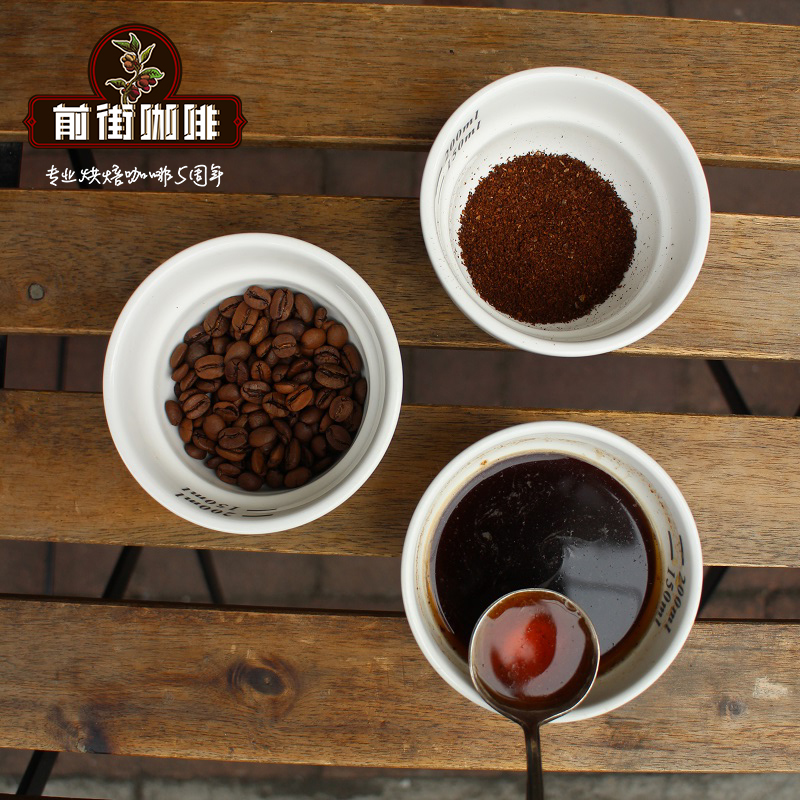
The green beans emit strong cantaloupe and tropical fruit aromas. The entry flavor transforms into the sweetness of pineapple and strawberry jam. At medium to low temperatures it shows a smooth and rich acidity, with a finish of handmade brown sugar, exquisite dark chocolate, and sweet hazelnut flavors. The overall flavor fullness is excellent, with a syrup-like texture and sweet taste. The natural-processed ripe fruit flavors even surpass many well-known Central American estates.
FrontStreet Coffee Recommendation
Indonesian coffee has a distinct identity, and nowhere is that clearer than in Sumatra's wet-hulled Mandheling. FrontStreet Coffee's Lintong Mandheling comes from the Lake Toba area and is roasted to a medium-dark level to render the classic low-acid, full-bodied profile, with caramel, dark chocolate, and toasted bread aromas and a long, sweet finish. It is a natural fit for anyone who loves rich, heavy cups.
For the top of that range, FrontStreet's PWN Golden Mandheling is selected by the PWN company from high-quality Mandheling green beans, screened at 18 mesh and above, and held to a standard of fewer than 3 defects per 300-gram sample, the top G1 grade, followed by hand sorting. It shows sandalwood, herbal, spice, roasted hazelnut, caramel, and dark chocolate notes with a clean, dense, sweet body.
The wet-hulled, low-acid character of Mandheling also shines in espresso. FrontStreet's Classic Blend takes the traditional mamba recipe and deep-roasts it, with a small addition of Robusta to maximize crema, so the black chocolate, nut, and caramel notes come through even for a beginner on a home machine.
Important Notice :
FrontStreet Coffee is a long-established specialty coffee roaster in Guangzhou China, selling freshly roasted beans from its own farm in Yunnan as well as dozens of carefully selected single-origin beans from around the world for both pour-over and espresso. The products deliver consistently excellent quality and great value, with shipping within 24 hours. Guangzhou's FrontStreet Coffee shop is recommended by many coffee lovers, and the beans are now available online at the Tmall 。
FrontStreet Coffee has moved to a new address:
FrontStreet Coffee Address: 315,Donghua East Road,GuangZhou
Tel:020 38364473
 Scan and follow the En Gafei WeChat official account. Please indicate that the reprint comes from "En Gafei".