Coffee Bean Roasting: The Relationship Between Roast Level and Acidity, Differences Between Light and Dark Roast in Agtron Values
Introduction
Coffee's flavor flows from many factors — the growing conditions at origin, the variety, the processing method, and more. Finally, the roaster turns green beans into roasted ones, and both the flavors created and the degree reached shape the cup you ultimately drink.
Roasting may be the single most powerful factor in coffee flavor: the same bean taken to different degrees delivers entirely different experiences. How does roast degree shape a coffee? Does it change the acidity?
How Is Roast Degree Categorized?
As beans roast, they lose moisture, turn yellow, reach first crack and its development period — and, if roasting continues, second crack and its development. Different resources use different names for the stages along the way, which is where Agtron values come in.
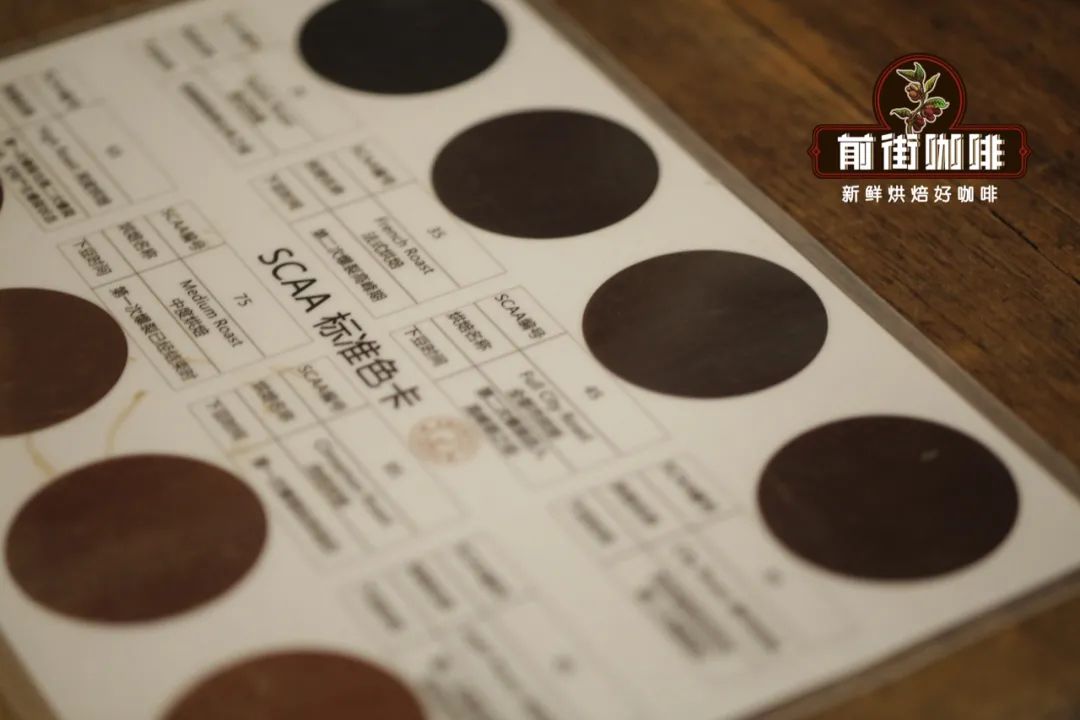
The Specialty Coffee Association of America (SCAA) uses infrared caramelization measurement — the Agtron test — to read the color of roasted beans and so express roast degree. The scale divides the range from light to dark into eight equal blocks, giving the industry eight standard color references for roast recognition.
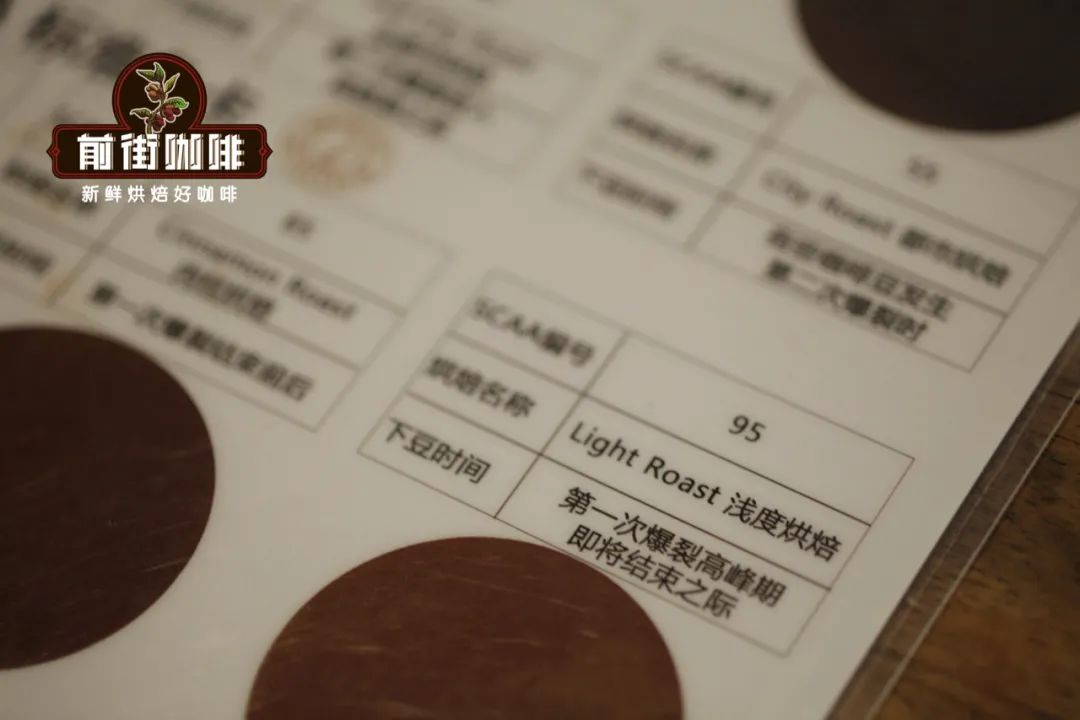
Agtron value #95: Light Roast
Drop time: end of first crack development
Agtron value #85: Cinnamon Roast
Drop time: around the end of first crack
Agtron value #75: Medium Roast
Drop time: after first crack ends
Agtron value #65: High Roast
Drop time: the quiet period between first and second crack
Agtron value #55: City Roast
Drop time: at the beginning of second crack
Agtron value #45: Full City Roast
Drop time: before second crack develops
Agtron value #35: French Roast
Drop time: during second crack development
Agtron value #25: Italian Roast
Drop time: when oils begin to surface on the bean
The standard has its flaws, but Agtron values remain a genuinely useful reference for pinning down roast degree.
With the Agtron system in hand, we can ask what different roast degrees actually do to the cup. Does acidity really change with the roast?
The Impact of Roast Degree on Coffee Acidity
FrontStreet Coffee measured the Agtron values of several beans roasted to different degrees, then cupped each one separately. The four selected: Ethiopia washed Gedeb cooperative coffee, Honduras Sherry cask coffee, washed Blue Mountain, and Golden Mandheling.

FrontStreet Coffee ran all four through an Agtron tester: the washed Yirgacheffe read 80.8, the Honduras Sherry cask beans 78, the Blue Mountain 65.4, and the Golden Mandheling 61.
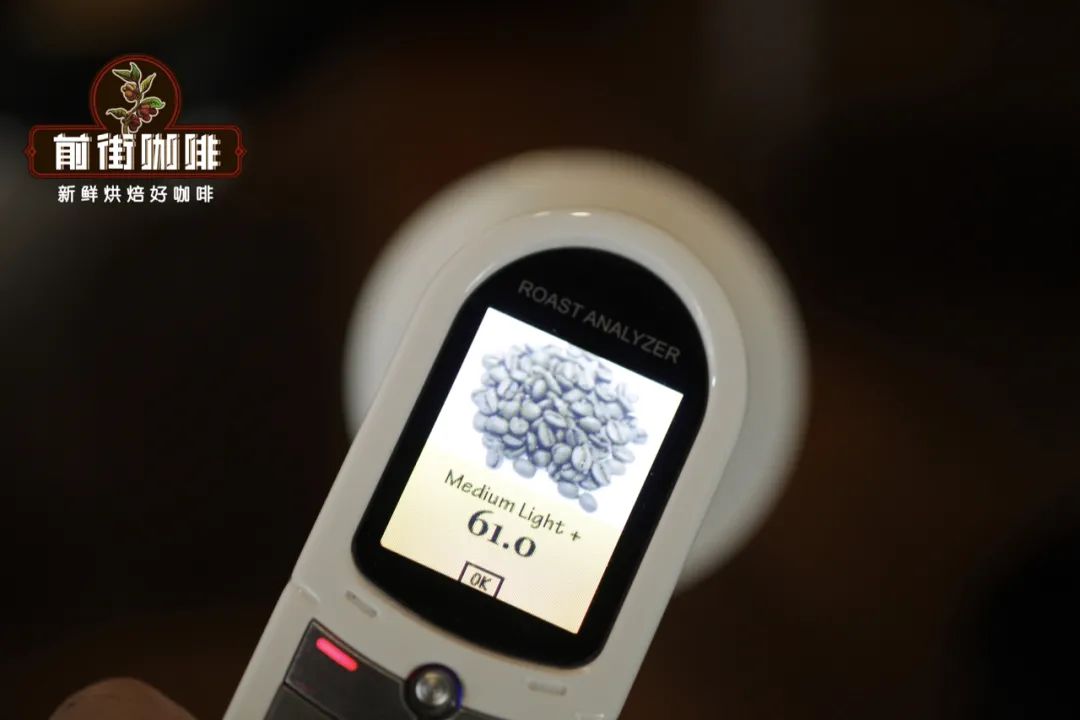
Then came the cuppings. FrontStreet Coffee regards cupping as the extraction with the least human interference, and therefore the truest picture of a bean's inherent flavor — by slurping and atomizing the liquid across the palate, every factor can be judged. The acidity ranking, highest to lowest, came out as: washed Yirgacheffe > Sherry cask beans > washed Blue Mountain > Golden Mandheling.
The conclusion is easy to grasp: roast degree does shape acidity — the deeper the roast, the less acidic the cup. Bitterness compounds are generated progressively during roasting, compounds such as chlorogenic acid lactones and phenylindanes; as the roast deepens these byproducts accumulate, especially once second crack begins.
That is why FrontStreet Coffee steers customers who dislike acidity toward darker-roasted Mandheling, while fruit-acid lovers are pointed to lighter roasts such as washed Yirgacheffe or Kenyan coffees.
FrontStreet Coffee Recommendation
If deeper roast means less acid, a well-made medium roast is the sweet spot for most drinkers. FrontStreet Coffee's Brazil Fazenda Rainha suits anyone who dislikes sourness and bitterness alike: a Yellow Bourbon from Brazil, the world's largest coffee producer, roasted medium to show cream peanut, chocolate, toasted bread, and sugarcane sweetness — brewed as a pour-over, or pushed through a moka pot or espresso machine with equal ease.
For a medium roast with world-famous balance, FrontStreet's Jamaica Blue Mountain No. 1 merges acidity, bitterness, sweetness, and body into one elegant cup — chocolate, roasted nuts, cream, and caramel on the palate, a harmony no other coffee can match.
Important Notice :
FrontStreet Coffee is a long-established specialty coffee roaster in Guangzhou China, selling freshly roasted beans from its own farm in Yunnan as well as dozens of carefully selected single-origin beans from around the world for both pour-over and espresso. The products deliver consistently excellent quality and great value, with shipping within 24 hours. Guangzhou's FrontStreet Coffee shop is recommended by many coffee lovers, and the beans are now available online at the Tmall 。
FrontStreet Coffee has moved to a new address:
FrontStreet Coffee Address: 315,Donghua East Road,GuangZhou
Tel:020 38364473
 Scan and follow the En Gafei WeChat official account. Please indicate that the reprint comes from "En Gafei".