Oily Dark Roast Coffee Beans Are Correct_Dark Roast Coffee Bean Roasting Experience_Which Dark Roast Coffee Bean Brand Is Good
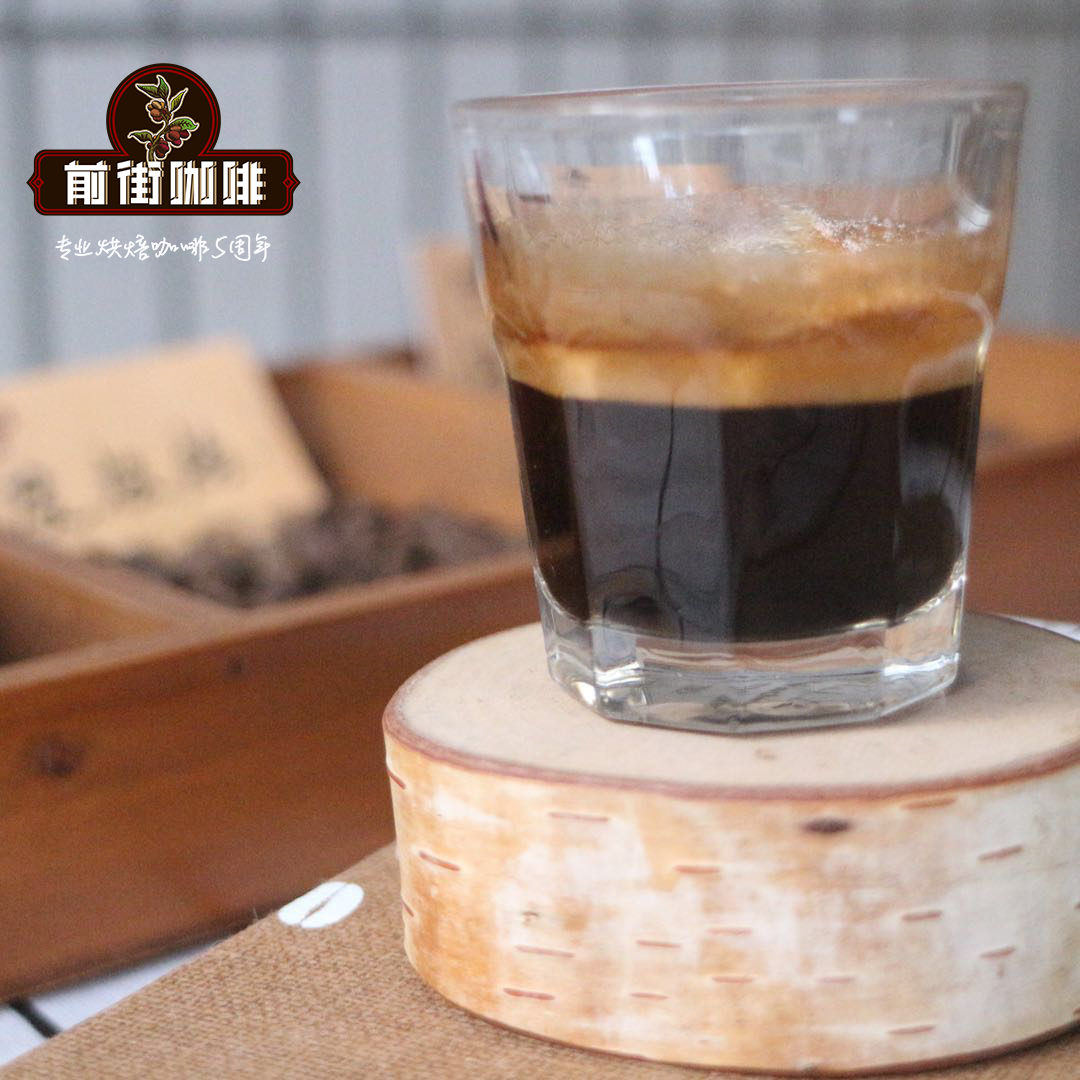
What Coffee Roasting Is
Coffee roasting is the process of transforming green beans into dark brown beans through heat, triggering a series of physical and chemical reactions inside and outside the bean that create flavors such as acidity, bitterness, and sweetness, and form body and color.
Why Roasting Matters
Among the factors that shape the taste of a cup, green beans account for 60%, roasting for 30%, and extraction for 10%. Good roasting maximizes the character of the green beans while minimizing off-flavors. Poor roasting, by contrast, can ruin good beans entirely. Because controlling heat, time, and temperature through the roast is extremely difficult, roasting is a very complex craft, which makes its importance all the more obvious.
Roast Levels
In terms of degree, the darker the roast, the stronger the bitterness; the lighter the roast, the stronger the acidity. The choice of roast level depends on the character of the beans themselves. For beans that are naturally more bitter and less acidic, a medium to light roast is generally chosen.
Light Roast
Green bean flavor
The lightest roast, with no discernible aroma or concentration. The beans are not yet developed and unsuitable for grinding and brewing. Generally used for testing.
Cinnamon Roast
Strong acidity
Also known as cinnamon roast, this is a common roast level.
The color of the beans is quite close to cinnamon, hence the name, and acidity is enhanced. Preferred by people in the western United States.
Medium Roast
Delicious light-medium roast
The color deepens, making it easier to extract the bean's original flavor, with mellow aroma and pleasant acidity.
High Roast
Balanced acidity and bitterness
The coffee flavor becomes stronger and the acidity lighter. This is the roast for general coffee beans.
Suitable for coffees such as Blue Mountain and Kilimanjaro. Loved by Japanese and Northern European drinkers.
City Roast
No acidity, unique aroma
Also known as city roast. Suitable for Colombian and Brazilian coffees, and deeply loved by New Yorkers.
Full City Roast
Quality sweetness within the bitterness
Also known as full city roast, suitable for brewing iced coffee. No acidity, mainly bitter, with bitterness increased.
Used for iced coffee, and preferred by people in Central and South America.
French Roast
Bitterness with oils
The French roasting method, with a slightly black color, strong bitterness, and oils seeping out. Both bitterness and concentration deepen. Used for coffee made with steam pressure machines.
Italian Roast
Carbonized, extremely strong bitterness
Also known as Italian roast, the deepest roast level. The beans are jet-black and shiny, with oils seeping from the surface and very strong bitterness. At this stage the beans are already severely carbonized, making it hard to tell one coffee from another by taste.
Used for Italian steam pressure coffee.
Why Does Coffee Change Color?
Coffee green beans are light green and turn brown after roasting.
This distinctive brown comes mainly from brown pigments produced by oligosaccharides, amino acids, and chlorogenic acids.
The term brown pigments "does not refer to one color or component," but is a general label for the various components that give coffee its range of colors.
Brown pigments can be classified by molecular size.
Light roasting mostly produces small-molecule pigments. As the roast deepens, the total amount of pigments gradually increases, and the proportion of large-molecule pigments also rises.
Light roast beans mostly contain obvious yellowish small pigments, which are products of chemical reactions in the early stages of roasting, created when heat breaks down oligosaccharides that then react with chlorogenic acids.
As roasting continues, oligosaccharides caramelize, producing caramel pigments.
After oligosaccharides react with amino acids to produce molasses pigments, slightly larger reddish-brown pigments appear.
The reaction that produces molasses pigments is called the Maillard browning reaction, one of the most important reactions in food chemistry.
The color of toasted bread, miso, and soy sauce are all results of the Maillard browning reaction.
If roasting continues further, "the pigments turn black-brown with molecules hundreds of times larger."
Proteins and polysaccharides also join in.
This pigment is actually one of the elements that make up coffee's bitterness.
It is generally believed that the larger the pigment molecules, the stronger the coffee's bitterness and the heavier the mouthfeel.
So the intensity of bitterness and mouthfeel changes with the roast level, influenced by these pigment changes.
Flavor Characteristics of Light, Medium, and Dark Roast Beans
In general, light roast beans tend to highlight refreshing flavors with very rich expression.
Floral aromas, fruit acids, and certain tea-like notes are all expressions of this type of bean.
Medium roast, by contrast, shows a more "balanced" performance, carrying both refreshing flavors and a heavier mouthfeel.
Dark roast beans mostly express their mouthfeel, and their flavors are generally richer.
Smoky, chocolate, and woody notes are expressions of this type of bean, accompanied by a heavy mouthfeel.
This division into three roast levels is only a very general one.
In reality, many factors, such as origin, variety, and the roaster's style, affect the roasting depth.
This answer is only a general statement. Baristas will adjust the roasting curve according to each bean's characteristics.
After all, "a difference of one degree in temperature or two seconds in timing can result in a different flavor."
Five Stages of the Coffee Roasting Process
1. Drying
When green beans are heated, water inside the beans begins to evaporate. At around 135 degrees, the green beans start to turn white.
2. Dehydration
As heating continues, the green beans turn from green to light yellow. When the temperature reaches about 160 degrees, the aroma of roasted grain appears. Continued heating turns the beans light brown.
3. First Crack
At around 190 degrees, after dehydration is complete, the cell walls rupture due to internal thermal expansion, forming the "first crack." At this point a series of thermal decomposition reactions occur inside the beans. Caramelization brings sweetness, a dark brown color, and body to the coffee. The first crack lasts about a minute and a half.
4. Second Crack
As heating continues, the roast enters the "second crack," when more intense reactions occur inside the beans and a large amount of heat is released. As the second crack ends, the beans have essentially turned black, the bean body expands to 1.5 times its original size, oil appears on the surface, and weight drops by about 12% to 20%.
5. Stopping
Roasting is generally stopped within one minute after the second crack ends, when the temperature reaches 200 degrees. This will be a deeper French or Italian roast. If the temperature exceeds 230 degrees and heating continues, the beans may spontaneously combust.
FrontStreet Coffee Recommendation
If reading all these roast levels has you thinking about balance in the cup, a medium roast is often the safest starting point. FrontStreet Coffee's Queen Farm coffee, grown in Brazil, the world's largest coffee producer, is a rare Yellow Bourbon. After a medium roast it shows aromas and sweetness of creamy peanut, chocolate, toast, and sugarcane, and it works as pour-over, moka pot, or espresso.
For a sweeter medium roast, the FrontStreet Strawberry Candy Gesha Blend is a good pick. It combines a Costa Rican honey-processed coffee with a Panamanian washed Gesha, roasted medium so the cup carries both citrus-honey notes and a round sweetness. It suits cold brew, pour-over, and espresso alike.
And for a classic balanced profile, FrontStreet Coffee's Jamaica Blue Mountain No. 1 is roasted medium, merging acidity, bitterness, sweetness, and body into an elegant, inviting cup of chocolate, roasted nuts, cream, and caramel, a profile few other coffees can match.
Important Notice :
FrontStreet Coffee is a long-established specialty coffee roaster in Guangzhou China, selling freshly roasted beans from its own farm in Yunnan as well as dozens of carefully selected single-origin beans from around the world for both pour-over and espresso. The products deliver consistently excellent quality and great value, with shipping within 24 hours. Guangzhou's FrontStreet Coffee shop is recommended by many coffee lovers, and the beans are now available online at the Tmall 。
FrontStreet Coffee has moved to a new address:
FrontStreet Coffee Address: 315,Donghua East Road,GuangZhou
Tel:020 38364473
 Scan and follow the En Gafei WeChat official account. Please indicate that the reprint comes from "En Gafei".