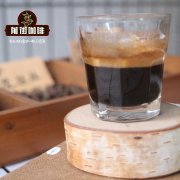
Where is Kenya coffee grown? The water from Kenya Kangunu Kirinyaga Processing Station

Kenya Kangunu Coffee: Origin and Flavor Profile
Where is Kenya's coffee growing region located? What is the flavor description of the washed AA coffee from the Kangunu Factory in Kirinyaga, Kenya?
The Kirinyaga region's Kangunu comes from the small area of Embu, south of Nairobi, at an altitude of 1600-1700 meters. According to the merchant's cupping description, it has cranberry and strawberry flavors with bright lemon acidity. The Barn's roasted-bean cupping notes reveal apricot, blackberry, and a juicy mouthfeel. Different batches may taste different, but berry flavors and a juicy mouthfeel seem to be the main selling points of this coffee.
Kangunu Factory is located in the important coffee-producing area of Embu, on the southeastern slope of Kenya. This region enjoys a high altitude averaging 1650 meters, and nearly 70% of the population consists of small farmers. Most of these farmers grow tea and coffee, which means almost all the coffee comes from local small-scale coffee farmers.
Kangunu Factory began operations in 1966 and is situated at approximately 1750 meters above sea level on the foothills of Mount Kenya, providing post-harvest processing for coffee farmers from neighboring towns. The coffee region has an annual temperature range of 12-25°C and annual rainfall of 1600mm. Because of the fertile volcanic red soil, some farmers also grow tea. In addition to its environmental advantages, Kangunu greatly values its relationships with local farmers. Through continuous agricultural practice workshops and transparent partnerships built on trust, it aims to further support its coffee partners.
This coffee from Kangunu Factory is absolutely delightful. Located on the southeastern foothills of Mount Kenya in the Eastern Province, Kangunu Factory offers elegant aromas of apricot and nectarine, with sweet, juicy blackberry notes. Kangunu Factory, established in 1966, was named after the nearby river and is part of the "Southern Kagaari Coffee Farmers Cooperative Society." Small farmers in the cooperative grow an average of about 250 coffee trees, with each farm covering approximately 2 hectares, half of which is used for coffee. Because of the fertile soil, many farmers also grow tea.
Coffee cherries are sent to the washing station for depulping and fermented overnight. In the morning the cherries are washed through flowing channels. Drying takes place on raised beds for approximately 7-15 days.
With the assistance of Kenya's government "Coffee Management Services" (CMS), farmers receive long-term training, and "Good Agricultural Practice" seminars are held frequently with the ultimate goal of increasing coffee yield and quality.
Coffee Specifications
Country: Kenya
Region: Embu
Altitude: 1600-1700 meters
Processing Method: Washed
Grade: AA TOP
Varieties: SL28, SL34
Kangunu Factory is located in the important coffee-producing area of Embu, on the southeastern slope of Kenya.
This region enjoys a high altitude averaging 1650 meters.
Nearly 70% of the population consists of small farmers, most of whom grow tea and coffee.
Almost all coffee comes from local small-scale coffee farmers.
The factory began operations in 1966.
It is situated at approximately 1750 meters above sea level on the foothills of Mount Kenya.
It provides post-harvest processing services for coffee farmers from neighboring towns.
The coffee region has an annual temperature range of 12-25°C and annual rainfall of 1600mm.
Due to the fertile volcanic red soil, some farmers also grow tea.
In addition to environmental advantages, Kangunu greatly values its interactions with local farmers.
Through continuous agricultural practice workshops and establishing transparent partnerships based on trust,
it aims to further support its coffee partners.
FrontStreet Coffee's Recommended Brewing Method
Hand pour method.
V60 dripper, 15g coffee, water temperature 89°C, Fuji grinder setting 4, water-to-coffee ratio close to 1:15.
30g of water for the bloom, blooming for 30s. Pour water to 130g, stop pouring, wait for the water level to drop by 1/3, then pour again to 225g.
FrontStreet Coffee Recommendation
If a washed Kenyan AA with bright berry acidity and a juicy body appeals to you, FrontStreet Coffee's Kenya Small Tomato is a natural fit. Grown in Kenya's Thika region at an altitude of 1550-1750 meters and made up of the classic SL28 and SL34 varieties, it is processed with Kenya's signature 72-hour double washed fermentation, which stimulates the fruit aromas while keeping the cup clean and pure. FrontStreet Coffee roasts it lightly to preserve lively acidity and layered fruit, giving aromas of dried cherry tomato and florals, flavors of cherry tomato, smoked plum, snow pear, and black plum, and a clean finish with brown sugar sweetness and a faint green tea note.
For a different but equally clean washed profile, FrontStreet Coffee's Yirgacheffe Gidding shows jasmine florals and bright citrus acidity with green tea and honey notes, and it is just as rewarding as pour-over or cold brew. Both coffees make it easy to see why Kenya and Ethiopia remain the reference points for washed coffee.
Important Notice :
FrontStreet Coffee is a long-established specialty coffee roaster in Guangzhou China, selling freshly roasted beans from its own farm in Yunnan as well as dozens of carefully selected single-origin beans from around the world for both pour-over and espresso. The products deliver consistently excellent quality and great value, with shipping within 24 hours. Guangzhou's FrontStreet Coffee shop is recommended by many coffee lovers, and the beans are now available online at the Tmall 。
FrontStreet Coffee has moved to a new address:
FrontStreet Coffee Address: 315,Donghua East Road,GuangZhou
Tel:020 38364473
 Scan and follow the En Gafei WeChat official account. Please indicate that the reprint comes from "En Gafei".