Where are Kenyan coffee beans grown? Kenya Kangunu Processing Station Washed Coffee
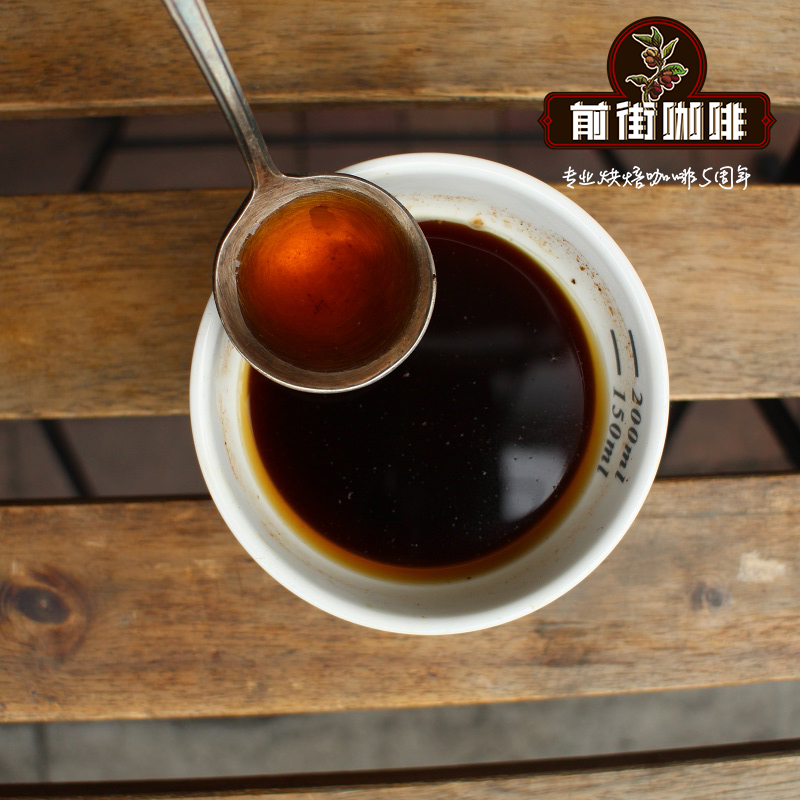
Where is Kenyan coffee grown? What are the flavor characteristics of Kangunu Processing Plant's washed coffee?
Kangunu Processing Plant is located in Embu, an important coffee-growing region on the southeastern slope of Kenya. The area enjoys an average altitude of 1,650 meters, and nearly 70 percent of the population are small-scale farmers, most of whom grow tea and coffee. You could say that almost all the coffee comes from local smallholders. The processing plant began operations in 1966 and sits at the foothills of Mount Kenya at an altitude of about 1,750 meters, providing post-harvest processing of coffee cherries for farmers from neighboring towns.
Africa has always been one of the world's best coffee-producing regions, known globally for its captivating acidity and aroma. Kenya is no exception. It is a major coffee-producing country in East Africa and one of the most important and irreplaceable origins, sitting next to Ethiopia, the original home of coffee. Kenyan coffee farmers have generally received a higher level of education, learning precision agriculture and how to grow premium coffee. Kenya's coffee producers fall into two groups: large estates, and so-called "small farmers." Whether large estate or smallholder, their beans undergo refined processing and are mostly sent to the official Kenyan Coffee Board for unified grading and certification. The Coffee Board first sends samples of the beans scheduled for auction to interested buyers for cupping, and holds competitive auctions every Tuesday at the Nairobi Coffee Exchange in Kenya's capital, Nairobi. Through a transparent auction mechanism and a dual system of official sales agents and independent sales agents, foreign buyers can deal directly with producers without going through the official auction board. As a result, producers' hard work earns a fairer return, without most of their profit being taken by middlemen. That is why farmers are more willing to put in the effort to produce high-quality beans that will sell at good prices.
Kenya's coffee grading system uses AA-Plus (AA+), AA, and AB, a method that reflects the uniformity of bean size rather than the quality of the coffee. High-quality Kenyan beans are generally grown between 4,200 and 6,800 feet (roughly 1,300-2,100 meters). The small lot of Kenyan AA Kaguyu is refined by the Thika Processing Plant in central Kenya, a facility with at least ninety-two years of history. The town of Thika sits in the Aberdare mountain range in central Kenya, at an altitude above 1,800 meters. Because of the high altitude, even daytime temperatures do not exceed 27 degrees Celsius, with lows around 15 degrees, a climate well suited to coffee tree growth.
Specialty Coffee can also be called selected coffee or refined coffee; the original meaning refers to coffee that has been "specially, specially selected." The word "boutique" gives people the feeling of something nice to look at but not practical to use. Still, perhaps because the words "boutique" or "premium" now give anything a high-end impression, the mainstream at home still calls Specialty Coffee "boutique coffee" rather than "refined coffee" or "selected coffee." Personally, I feel the latter two names better match the spirit of this kind of coffee, and "boutique coffee" is actually not very expensive. Coffee should be an affordable beverage for everyone, but the word "boutique" seems to be equated with expensive boutiques like LV and Chanel.
Coffee Information
Country of Origin: Kenya
Region: Kirinyaga
Grade: AA Grade
Producer: Murue Coffee Farmers Co-operative
Processing Plant: Thika Coffee Mills
Processing Method: Washed
Variety: SL28
Altitude: 1,700-1,950 meters
Flavor Description
Tropical fruits, blackberry, blackcurrant, kumquat, citrus, cream, apricot
Kangunu Processing Plant Details
Kangunu Processing Plant is located in Embu, an important coffee-growing region on the southeastern slope of Kenya.
This area enjoys an average altitude of 1,650 meters.
Nearly 70 percent of the population are small-scale farmers, most of whom grow tea and coffee.
Almost all the coffee comes from local smallholders.
The processing plant began operations in 1966.
It is situated at the foothills of Mount Kenya at an altitude of about 1,750 meters.
It provides post-harvest processing of coffee cherries for farmers from neighboring towns.
The coffee region has an annual temperature of 12-25 degrees Celsius and annual rainfall of 1600mm.
Because of quite fertile volcanic red soil, some farmers also grow tea.
Beyond its environmental advantages, Kangunu also values its relationships with local farmers.
Through continuous agricultural practice seminars and transparent, trust-based cooperation,
it hopes to further support its coffee partners.
FrontStreet Coffee's Recommended Brewing Method: Pour-over
V60 dripper, 15g of coffee grounds, water temperature 89 degrees, Fuji grinder setting 4, water-to-coffee ratio close to 1:15.
30g of water for blooming, bloom time 30s. Pour water to 130g and stop; wait for the water level to drop by one third, then pour again to 225g.
FrontStreet Coffee Recommendation
Kenyan coffee earns its fame through vibrant acidity and a clean, juicy cup, and the same East African character runs through FrontStreet Coffee's Ethiopian offerings. The FrontStreet Washed Yirgacheffe is the classic starting point, with white jasmine and bright citrus-lemon acidity over a light tea body. For a similar profile from a single cooperative, the FrontStreet Gotiti Cooperative is fully washed and shows elegant white florals, orange, and green tea. If you want to taste how a natural process can deepen those bright notes, the FrontStreet Natural Red Cherry Yirgacheffe adds berry juice, honey sweetness, and a creamy texture. Like the Kangunu lot in this article, all of them are grown at high altitude and judged for their clarity above all.
Important Notice :
FrontStreet Coffee is a long-established specialty coffee roaster in Guangzhou China, selling freshly roasted beans from its own farm in Yunnan as well as dozens of carefully selected single-origin beans from around the world for both pour-over and espresso. The products deliver consistently excellent quality and great value, with shipping within 24 hours. Guangzhou's FrontStreet Coffee shop is recommended by many coffee lovers, and the beans are now available online at the Tmall 。
FrontStreet Coffee has moved to a new address:
FrontStreet Coffee Address: 315,Donghua East Road,GuangZhou
Tel:020 38364473
 Scan and follow the En Gafei WeChat official account. Please indicate that the reprint comes from "En Gafei".