Coffee Roast Degree and Bitterness Variations_How Dark Roast Coffee Beans Develop Oils_Dark Roast Coffee Bean Prices
The Charm of Light Roast
In China, this brand of "coffee professionalism" has quietly taken hold as the specialty black coffee market has grown. Many independent coffee shop owners, beyond promoting a slow-paced lifestyle and patiently serving hand-poured coffee to customers, have dived headfirst into the seemingly bottomless ocean of knowledge that is coffee roasting. Have you noticed? Although thousands of coffees are on the market, most are labeled medium-dark roast, while a good number of offerings in professional small coffee shops belong to high-priced, single-origin light roasts.
In fact, light roasting makes the defects of unripe or flawed beans all the more obvious, so it puts a roaster's skills to a real test, and each roaster's technique has its own merits. Light roast claims about 40% of the global consumer market, and it wins over coffee enthusiasts for one simple reason: compared with medium-dark roast, a light roast preserves more of the coffee bean's original flavor beauty — especially for specialty coffees with distinct aromas and character. Of course, different origins and varieties have different bean properties, so the right roasting approach differs too.
To drink delicious coffee, we have already explained coffee brewing methods, coffee processing methods, and coffee roasting. How many more stages does a cup of coffee pass through? How much professional knowledge and experience does a good cup require?
SCAA's slogan answers it best: "Because great coffee doesn't just happen."
The Coffee Roasting Process
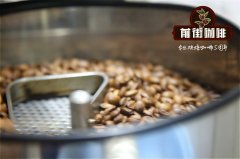
Simplifying things, the coffee roasting process is like making popcorn. Before roasting, the beans are hard to swallow — but like corn kernels, once stir-fried they pop into white, fluffy, delicious, sweet popcorn. Coffee roasting works the same way: the beans need a heating process to become the coffee we hold in our hands.
During roasting, raw coffee beans go through a continuous, complex chemical reaction generally referred to as pyrolysis, which produces or releases more than 700 chemical substances. It is these substances that bring out the flavor of coffee.
Visualizing the Roasting Process
Through the following video, you can watch raw coffee beans gradually change from bright green (or blue-green) to light yellow, coffee color, and finally dark coffee as they heat.
Start roasting → First crack or second crack
At 38 seconds in the video, the water inside the beans turns to steam and bursts out, causing the coffee beans' first crack.
As the temperature keeps climbing, the beans swell, the silver skin peels off, and the color deepens from light coffee to darker as the polysaccharides inside begin to caramelize.
Finally, the coffee is sorted into light roast, medium roast, and dark roast according to roasting time.
Coffee Roasting Degree and Bitterness Changes
Different roast degrees also change the chemical elements in coffee. The famous coffee master Mamoru Taguchi wrote that during roasting, chlorogenic acid in coffee produces bitter substances, and those substances change differently at different roast degrees. This is why most light roast coffee beans present bright, refreshing flavors while dark roasts show richer bitterness.
The roaster chooses a suitable roast degree for each raw bean to bring out its best flavor.
The Scientific Approach to Coffee Roasting
People often call coffee roasting a craft that combines art and science, because beyond constantly experimenting to find the best roast degree and time for a given coffee, the variables include weather, the moisture content and quality of the raw beans, the weather on roasting day, the quirks of the roaster itself, and more. All of these shape coffee flavor — so a roaster must not only coax out the coffee's best character but also maintain consistency!
Interestingly, the scientific, data-driven approach to roasting has now matured. It's probably hard to imagine that before the mid-19th century, roasting coffee at home was the norm in America!
Coffee is such a magical, endlessly variable, wonderful drink. Next time you leisurely sip your cup, take a moment to feel how the roaster interpreted their perfect roasting curve through mastery of the heat.
Dark Roast Coffee Bean Brand Recommendations
FrontStreet Coffee's dark roast offerings — Honduras coffee, Brazilian Red Bourbon coffee, Indonesian Mandheling coffee, and others — come with full guarantees of brand and quality, and more importantly, they are extremely cost-effective. A half-jin (227 grams) package costs only about 80-90 yuan. At 15 grams of grounds per pour-over cup, one package makes 15 cups of coffee, so each cup of single-origin coffee costs only about 6 yuan — an outstanding value next to the dozens of yuan a cup charged in coffee shops.
FrontStreet Coffee Recommendation
In roasting, three elements must be controlled to shape a coffee's final flavor: acidity, sweetness, and bitterness. The darker the roast, the more bitter and full-bodied the cup; the lighter the roast, the more acidic and delicate. For anyone chasing a balanced profile, medium roast coffee beans are the natural place to start.
FrontStreet Brazil Fazenda Rainha: if you dislike both sourness and bitterness, this bean from Brazil — the world's largest coffee producer — is the one to buy. It is the local Yellow Bourbon variety, quietly sweet, and after a medium roast it shows cream peanut, chocolate, toast, and sugarcane aromas; it works both as a pour-over and in a moka pot or espresso machine. FrontStreet Strawberry Candy Geisha Blend: for a sweeter medium roast, this fruit-forward blend is the first choice. It is unusual among fruit-driven coffees because it combines two famous origins in the Americas — a honey-processed Costa Rica and a washed Panama Geisha — and FrontStreet's medium roast lets it show both orange-blossom honey notes and a rounded sweetness, suiting cold brew, pour-over, and espresso alike. FrontStreet 2013 Natural Typica: a flagship of Chinese specialty coffee with the orthodox Yunnan arabica profile, roasted medium to preserve its balanced, gentle character, carrying nuts, brown sugar, black tea, and dried apricot; great value for pour-over, cold brew, or drip machines. FrontStreet Jamaica Blue Mountain No.1: grown from Typica, a world-famous premium arabica, with Jamaica Blue Mountain's exceptional geography completing its balanced profile. The "emperor of coffee" is roasted medium so its acidity, bitterness, sweetness, and body fuse perfectly — on the palate you immediately taste chocolate, roasted nuts, cream, and caramel, a roasty elegance no other coffee can match.
Important Notice :
FrontStreet Coffee is a long-established specialty coffee roaster in Guangzhou China, selling freshly roasted beans from its own farm in Yunnan as well as dozens of carefully selected single-origin beans from around the world for both pour-over and espresso. The products deliver consistently excellent quality and great value, with shipping within 24 hours. Guangzhou's FrontStreet Coffee shop is recommended by many coffee lovers, and the beans are now available online at the Tmall 。
FrontStreet Coffee has moved to a new address:
FrontStreet Coffee Address: 315,Donghua East Road,GuangZhou
Tel:020 38364473
 Scan and follow the En Gafei WeChat official account. Please indicate that the reprint comes from "En Gafei".