Recommended Beginner Coffee Bean Brands_Beginner Pour-Over Coffee Equipment Guide_How Much Do Beginner Coffee Beans Cost
A Guide to Pour-Over Coffee for Beginners
Today we've put together some content shared by pour-over enthusiasts for beginners.
● Before Brewing:
A. About Coffee Beans
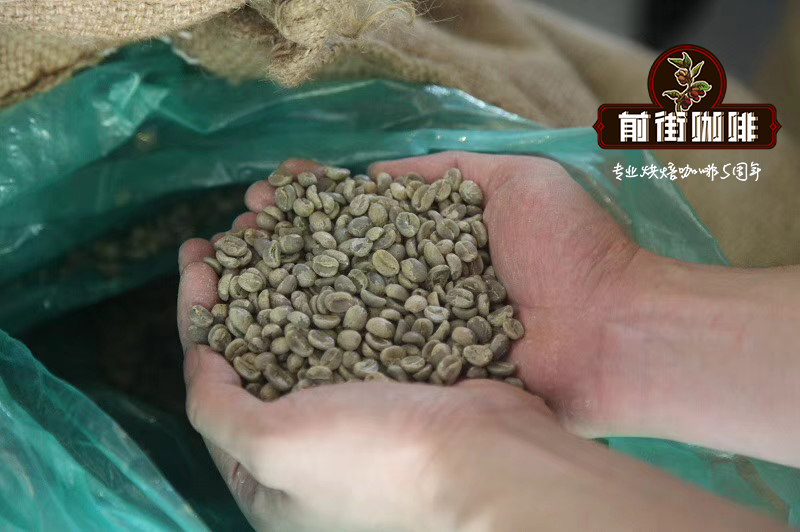
In a roaster's introduction to beginner coffee beans, roast level is something to watch.
Light roast means the bean's flavor tends toward floral and fruity notes, with noticeable acidity that can be under-extracted into grassy flavors; medium roast means the flavor gradually shifts from acidic to bitter, with caramel and nutty notes as signature characteristics; dark roast will appeal more to those who love bitter flavors, with reduced acidity but prominent dark chocolate, roasted nut, and smoky notes plus high body—though it is also prone to over-extraction, letting rubbery and woody flavors take over.
Although pour-over coffee typically uses single-origin beans, there's no rule against using blends. Pour-over espresso beans will ultimately present a flavor closer to the Americano you often drink.
The freshness of coffee beans also matters. Generally, brew with beans within five to thirty days of the roast date, with the period from five to fifteen days after roasting being the optimal tasting window.
B. About Equipment
For pour-over coffee, the main equipment includes a grinder, pour-over kettle, filter cup, filter paper, thermometer, and scale.
Grinder: in our view, unless you're a serious enthusiast, a grinder under one thousand is enough for most home brewing needs.
As for the differences between grinders, you just need to understand the characteristics of the different burr types: flat burr grinders produce flaky coffee particles with more surface area in contact with water, allowing quick extraction of flavor and aroma; conical burr grinders produce uniform particles but have lower extraction rates, requiring longer extraction times; ghost tooth grinders are widely accepted because they produce less fine powder, giving coffee a clean, full-bodied taste.
Pour-over kettle: a good kettle is one that lets you control the water flow easily and steadily during brewing.
Filter cup: different filter cups present different flavor profiles. Beginners can start practicing with wave filters, then advance to conical filters. Wave filters have high fault tolerance and produce coffee with balanced acidity and bitterness while keeping good body.
Filter paper: to avoid papery tastes, we recommend bleached filter paper.
Scale: used to better control the coffee-to-water ratio. If it doesn't have a timer, your phone's timer works just as well.
● During Brewing:
A. About Brewing
The strength of coffee is closely related to the coffee-to-water ratio, the presentation of flavors is closely related to grind size and time, and a balanced extraction of acidity, bitterness, and sweetness depends on water temperature control.
So if you prefer a stronger taste, you can use a 1:14-1:15 coffee-to-water ratio; for lighter tastes or for dark roast beans, choose a 1:16-1:18 ratio.
Different beans have different recommended extraction parameters. Refer to the roaster's suggestions and adjust to your own taste. When making adjustments, change only one parameter at a time.
B. About Water Flow
Besides parameters, another thing everyone cares about is water flow control. When you're learning, the flow doesn't need to be too fine. A fine flow extends extraction time, and an overly long extraction leads to over-extraction; but too coarse a flow pushes the coffee grounds apart directly, letting water pass straight through the filter paper, which causes under-extraction.
Water flow control emphasizes consistency from beginning to end. When pouring, generally direct the flow at the center of the coffee grounds first, then pour outward in concentric circles. The flow should not be sometimes coarse and sometimes fine, as that causes uneven extraction.
● After Brewing:
A. About Containers
Some people prefer porcelain, others like glass cups, and some love stainless steel mugs. Whatever material you choose, the cup must first be clean, and second, it's best to avoid cups that give off strange odors when heated. Some cups with strong design sense and unique shapes add a sense of ceremony to daily life.
Before pouring coffee, though, it's a good idea to warm the cup with hot water first. The hot water used for warming can then clean the filter cup and server. But if you don't use a server and place the filter cup directly on the cup, then when you wet the filter paper, you might as well use more hot water to warm the cup at the same time.
B. About Tasting
The final step, and also the most enjoyable one—
● Smell the Aroma
Gently swirl the cup and smell the coffee. Sometimes you'll smell floral notes alongside tropical fruit aromas; sometimes the coffee has rich nutty, spicy, and chocolate aromas. Of course, sometimes you'll smell grassy and vegetable aromas, which means your coffee is somewhat under-extracted; conversely, when you smell charcoal-grilled leather and burnt aromas, there may be over-extraction; but when you smell old newspaper and musty odors, this cup may contain moldy beans.
● Taste the Flavor
In coffee, acidity is not a bad thing—it's the fruit acidity with apple and lemon aromas that stimulates saliva and creates a juicy sensation. But if you taste an unbearable sharp acidity, you can adjust parameters to correct it.
The caramelization and Maillard reactions during roasting not only bring bitterness but also produce sweet aromas. We usually sense the sweetness of sucrose, caramel, or brown sugar in the middle and finish of tasting, making a cup taste full-bodied and layered. Bitterness is coffee's biggest characteristic—sometimes you'll taste bitter almonds, sometimes dark chocolate, and sometimes something as subtle as the malt taste in beer.
● Appreciate the Aftertaste
Even after finishing a sip, there are still details worth appreciating, with the tongue often sensing lingering aromas. For high-quality Ethiopian heirloom beans like Guji, the palate often retains rose and strawberry aftertastes; beans with high body also leave creamy, caramel aftertastes. Sometimes, after drinking coffee, the tongue also feels a strong sweet sensation.
We all wonder why we can't taste so many flavors. In fact, coffee flavors are sometimes strong and sometimes very weak. This is the moment that tests a foodie's level. The more things you eat, the more flavors you remember, and the more coffee flavors you'll be able to taste.
In life, coffee is for leisure, and pour-over is a relaxed, pleasant thing. We don't need too many dogmas to constrain us—just make a cup of coffee that you think tastes good.
FrontStreet Coffee Recommendation
Once you have a grinder, a V60, and a scale on the counter, the only question left is which bean to brew. For most beginners, FrontStreet Coffee's Yirgacheffe Gedingding Cooperative is the ideal first bag. Considered by many coffee lovers to be the first stop on the journey into specialty coffee, Yirgacheffe is a genuinely approachable origin: it typically carries vivid citrus, berry, and floral notes with a green-tea-like finish, and unlike the "sour coffee" many people imagine, a good Yirgacheffe's acidity is soft and bright—more like the natural sweet-tartness of fruit than a sharp bite. It's a forgiving bean that lets you taste the flavors and aromas described above without fighting the brew.
The Gedingding cooperative near Yirgacheffe uses a traditional washed process, and we roast it light to keep the cup clean and clear. Brew it on a V60 with a 1:15 ratio, 15g of coffee, and water at 90-91°C; grind to about the size of fine sugar and pour in gentle concentric circles to keep the flow steady. With its balance of citrus, floral, and tea-like notes, this is the kind of cup that makes a beginner feel the reward of pour-over on the very first try.
Important Notice :
FrontStreet Coffee is a long-established specialty coffee roaster in Guangzhou China, selling freshly roasted beans from its own farm in Yunnan as well as dozens of carefully selected single-origin beans from around the world for both pour-over and espresso. The products deliver consistently excellent quality and great value, with shipping within 24 hours. Guangzhou's FrontStreet Coffee shop is recommended by many coffee lovers, and the beans are now available online at the Tmall 。
FrontStreet Coffee has moved to a new address:
FrontStreet Coffee Address: 315,Donghua East Road,GuangZhou
Tel:020 38364473
 Scan and follow the En Gafei WeChat official account. Please indicate that the reprint comes from "En Gafei".