What is Rwanda Bourbon Coffee? What are the Flavor Characteristics of Rwanda Bourbon Coffee?
The Land of a Thousand Hills: Rwanda's Coffee Heritage
Rwanda is a small mountainous country in the eastern equatorial region of Africa, covering an area of 26,000 square kilometers. With a population of ten million, over half of its economic revenue depends on coffee exports. The 1994 genocide in Rwanda shocked the world, and the film "Hotel Rwanda" told this history, bringing this small African country to wider attention.
Coffee Cultivation Heritage
Like Kenya, Rwanda's coffee cultivation was introduced by colonial powers. In 1904, German missionaries brought Bourbon varieties to Rwanda, and large-scale cultivation began along the shores of Lake Kivu. Thanks to geographical isolation and government support, 90% of Rwanda's coffee varieties are still traditional Bourbon today. In Kenya, by contrast, Bourbon was replaced by the newly developed SL28 as the main variety, making Kenyan Bourbon quite difficult to find today.

Rwanda's Coffee Regions and Flavor Profile
Rwanda is divided into five major coffee-producing regions, and coffee from these five regions differs slightly in aroma and taste. Rwandan coffee tends to be acidic but leaves an endless aftertaste. "Good coffee is like Chinese tea; you only feel the sweetness after drinking it," said Mustafari. The well-known coffee chain Starbucks also sources some of its raw materials from Rwanda. Although Rwandan coffee has not yet officially entered the Chinese market, Mustafari said they are working hard and expect to bring authentic, aromatic Rwandan coffee to China within two years.
Unique Growing Conditions
Rwanda is known as the "Land of a Thousand Hills," with mountains and plateaus across its territory. Most regions have a tropical highland climate and a savanna climate, mild and cool. There are approximately 33,000 hectares of coffee plantations, with 500,000 people engaged in coffee cultivation. Rwanda is one of the few countries in the world that can fully enjoy a harmony of soil, altitude and climate. It possesses unique conditions for growing Arabica: fertile volcanic soil, abundant rainfall and suitable temperatures year-round, all of which give its coffee a distinctive taste.
Flavor Characteristics
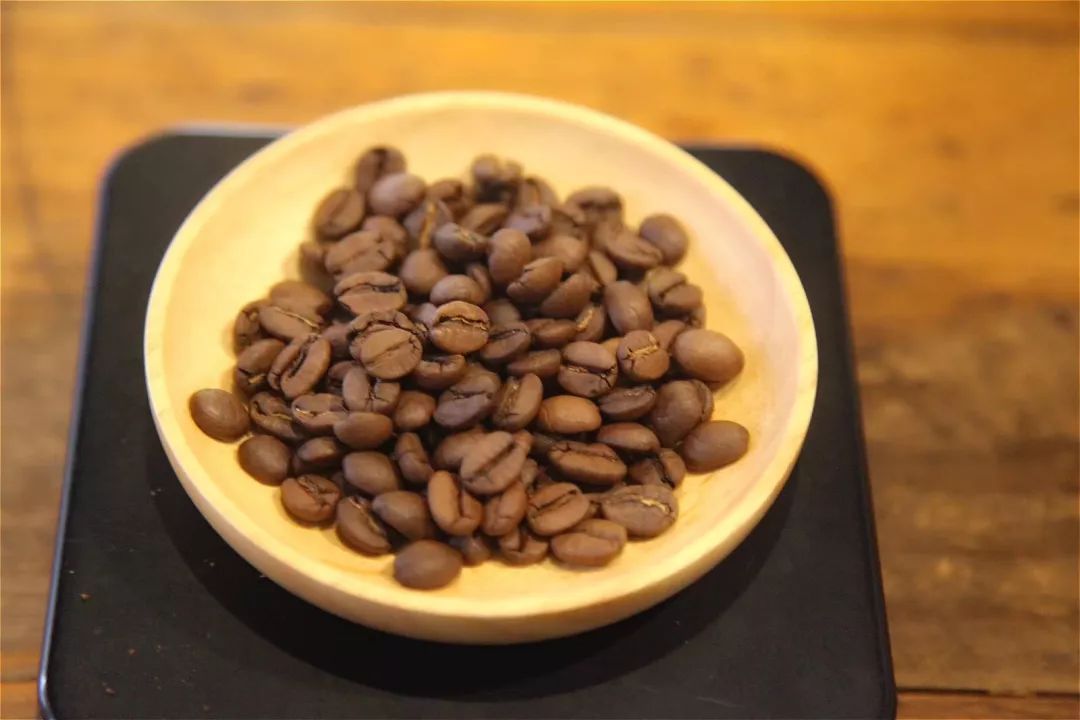
Rwandan coffee has berry notes similar to Kenyan coffee but without the overwhelming acidity, while keeping a rich, full body. Different varieties and processing methods may shift the flavor direction, while high-altitude growing conditions and volcanic soil guarantee quality. Every batch of Rwandan coffee we have purchased has been full-bodied with minimal defects.
Rwandan coffee is described as having "grass-like aromas" with tropical characteristics. Besides the fruity sweetness it presents, it also offers refreshing, bright and fresh sensations. The Bourbon grown in Rwanda is remarkable for its fruity sweetness, with a rich, full aroma and absolutely no astringency, leaving a long aftertaste. This coffee has a delicious, citrus-like sweet fragrance with a deep chocolate color, featuring red apple, cherry, cinnamon and honey notes, along with excellent sweetness and balance, and a finish of cinnamon, almond and chocolate.
Brewing Recommendations
FrontStreet Coffee suggests that Rwandan coffee can be roasted to city or full city roast to bring out distinct red apple, cherry, cinnamon and honey flavors. The gentle fruit acidity gives the coffee multiple flavor layers to enjoy.
FrontStreet Coffee Recommendation
Rwanda's Bourbon is at its best when the berry sweetness and clean acidity are allowed to lead, so FrontStreet Coffee recommends light-roasted East African lots with a similar profile. The Ethiopia Yirgacheffe Gedeb Cooperative is a washed Ethiopia G1 that opens with white florals and a bright citrus and orange acidity, finishing with a green-tea-like sweetness - clean and elegant, much like a well-grown Bourbon. For a fruitier, more expressive cup, the naturally processed Ethiopia Huakui shows creamy strawberry, mango, jackfruit, citrus and blueberry with a ripe tropical character and a low bitterness that makes it easy to enjoy.
If you want something with a little more tension between sweet and tart, the Kenya Small Tomato from the Nyeri growing region is a washed lot of SL28 and SL34 grown at 1,550-1,750 meters and fermented for 72 hours, giving a clear cherry-tomato and dark-plum acidity with a full, juicy body and a brown-sugar and green-tea finish. The Ethiopia Kafa Forest offers a wilder expression again, with jasmine, citrus and wild berry notes.
FrontStreet Coffee suggests brewing these bright, floral lots as a pour-over to keep their citrus and berry acidity clear, or roasting a Rwandan-style Bourbon to city or full city roast to bring out red apple, cherry, cinnamon and honey.
Important Notice :
FrontStreet Coffee is a long-established specialty coffee roaster in Guangzhou China, selling freshly roasted beans from its own farm in Yunnan as well as dozens of carefully selected single-origin beans from around the world for both pour-over and espresso. The products deliver consistently excellent quality and great value, with shipping within 24 hours. Guangzhou's FrontStreet Coffee shop is recommended by many coffee lovers, and the beans are now available online at the Tmall 。
FrontStreet Coffee has moved to a new address:
FrontStreet Coffee Address: 315,Donghua East Road,GuangZhou
Tel:020 38364473
 Scan and follow the En Gafei WeChat official account. Please indicate that the reprint comes from "En Gafei".