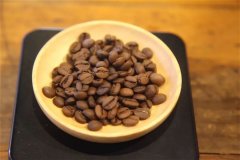
Colombia Huila Region Coffee Bean Flavor Profile Characteristics and Pour Over Water Temperature Guide
Discover FrontStreet Coffee's Colombian Bean Collection
If you want to try more coffee beans from different origins, FrontStreet Coffee recommends visiting the physical store or browsing the online bean selection to pick beans you haven't tried before. If you have visited FrontStreet Coffee's physical store, you'll notice that the ordering method is quite traditional: above the counter hangs an extensive coffee bean menu covering coffee regions from five continents. Every bean at FrontStreet Coffee is carefully selected, each representing either classic regional flavors or pioneering coffees.
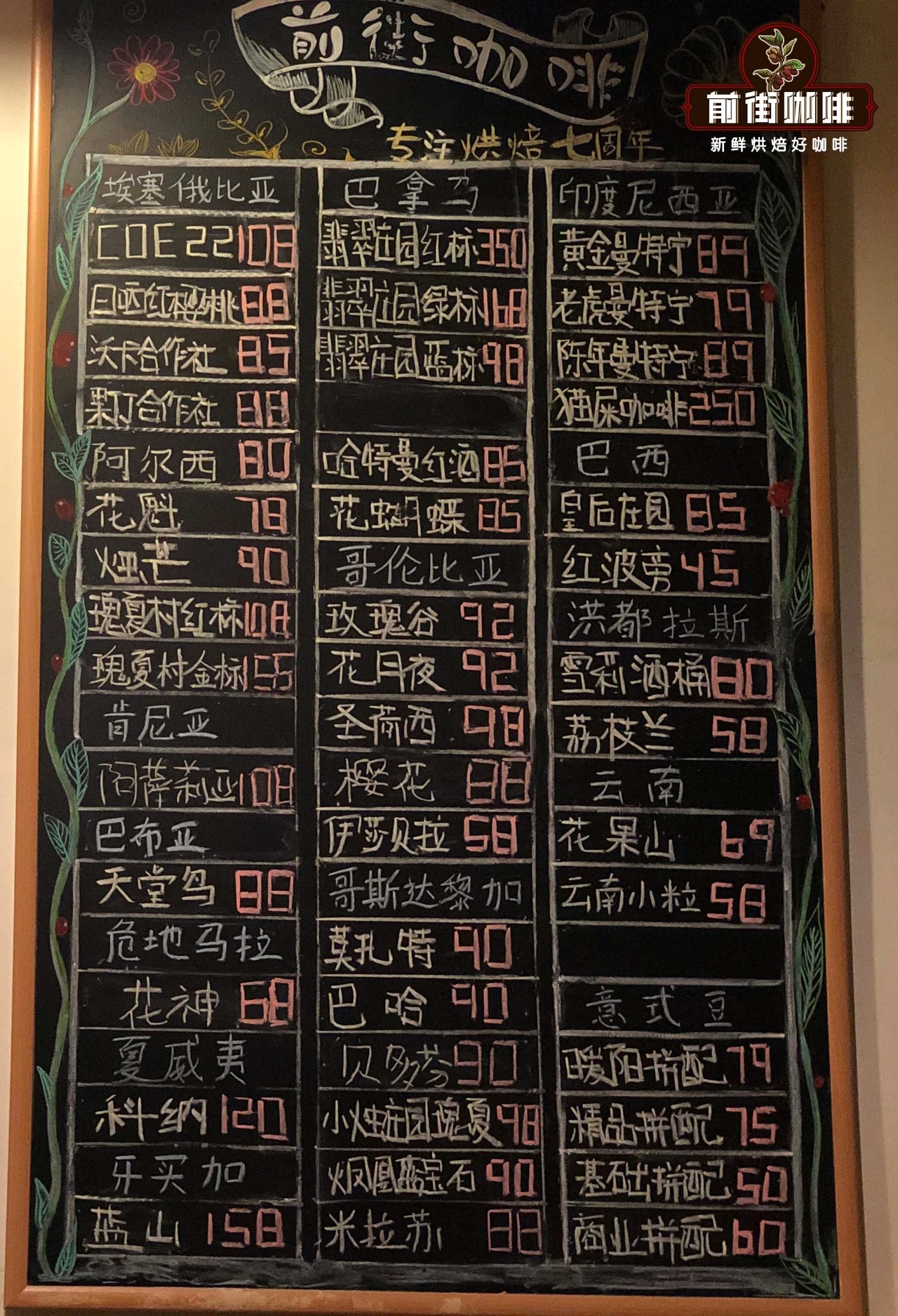
As we all know, Colombia is one of the representative coffee-producing regions of the Americas. Which Colombian beans has FrontStreet Coffee brought in? Looking closely at the bean menu, there are currently five Colombian coffees: Rose Valley, Flower Moon Night, Cherry Blossom, Hanami, and a coffee from Colombian Huila (not listed on the menu because it belongs to the daily bean series). In this article, FrontStreet Coffee explores the stories behind these Colombian beans and why they have become classics.
Colombian Coffee Heritage
To truly understand a region's beans, FrontStreet Coffee believes you should explore their origins, so let us begin with Colombian coffee history. FrontStreet Coffee's research shows that Colombia's coffee cultivation history can be traced back to the Spanish colonial era of the 16th century, and there are several accounts of how coffee arrived:
First: coffee is said to have been introduced by sea from Haiti Island in the Caribbean, via El Salvador in Central America.
Second: in 1808, a priest brought coffee beans to Colombia for the first time from the French Antilles via Venezuela. One account suggests Colombia's first coffee seeds entered through Santander Province from Venezuela.
Third: the earliest record of coffee cultivation in Colombia appears in the book of the Spanish missionary Jose Gumilla, "The Illustrated Orinoca." He described his experiences preaching along both banks of the Meta River in 1730 and mentioned local coffee plantations. By 1787, other missionaries had spread coffee to other parts of Colombia.
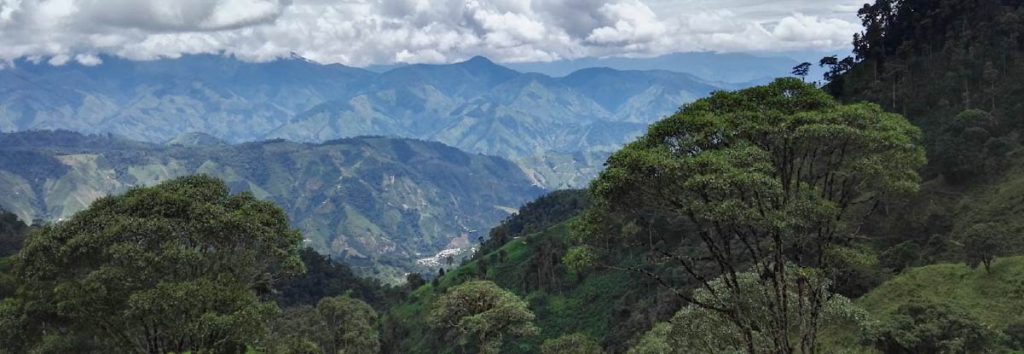
Colombia's coffee history, then, is truly ancient. Yet its fame is not just a matter of seniority-establishing itself on the international market required excellent growing conditions. Colombia lies entirely within the tropics: the southern eastern plains and the Pacific coast have a tropical rainforest climate, while the northwest has a tropical savanna climate. The average annual temperature is 15.8-20.5°C, and in coffee regions it can reach 18-22.5°C. Colombia is also a mountainous country, with three major cordilleras running in parallel through the coffee-growing areas, creating numerous microclimates and correspondingly distinctive local flavors. Add more than a dozen volcanoes, and you can see that Colombia offers nearly every ideal condition for coffee: high altitude, rich volcanic soil, and a tropical climate.
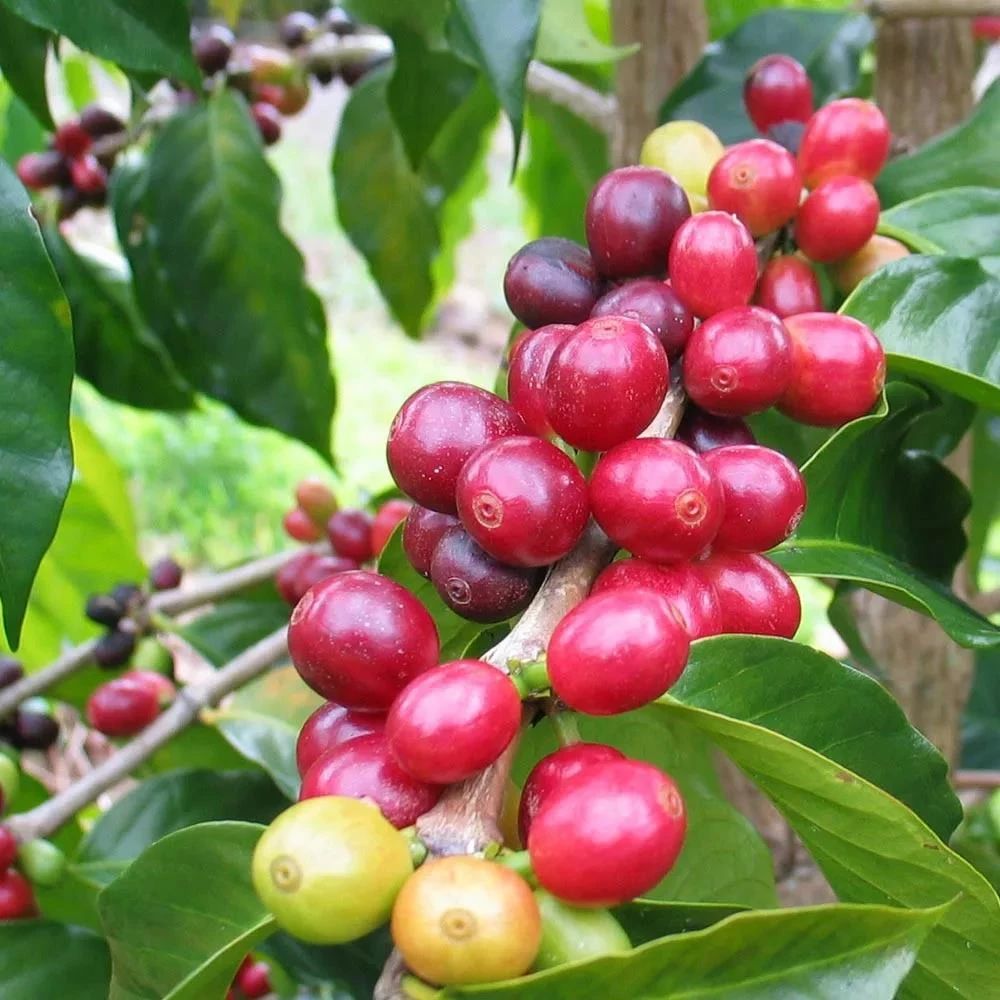
Experienced coffee enthusiasts know that fine beans should grow at higher altitudes, but frost must also be considered. Near the equator, however, high mountain areas escape frost entirely-superb conditions for Colombian coffee. Moreover, Arabica trees typically fruit only once a year, but thanks to Colombia's geography and climate, some trees bear fruit twice a year, making Colombia the world's third-largest coffee exporter and producer. FrontStreet Coffee believes this is also why Colombian beans have developed to such perfection.
Exploring Colombian Coffee Regions
Normally this is where FrontStreet Coffee would introduce Colombian regions, but this time let us take a different approach and introduce several famous regions through several of FrontStreet Coffee's own Colombian beans.
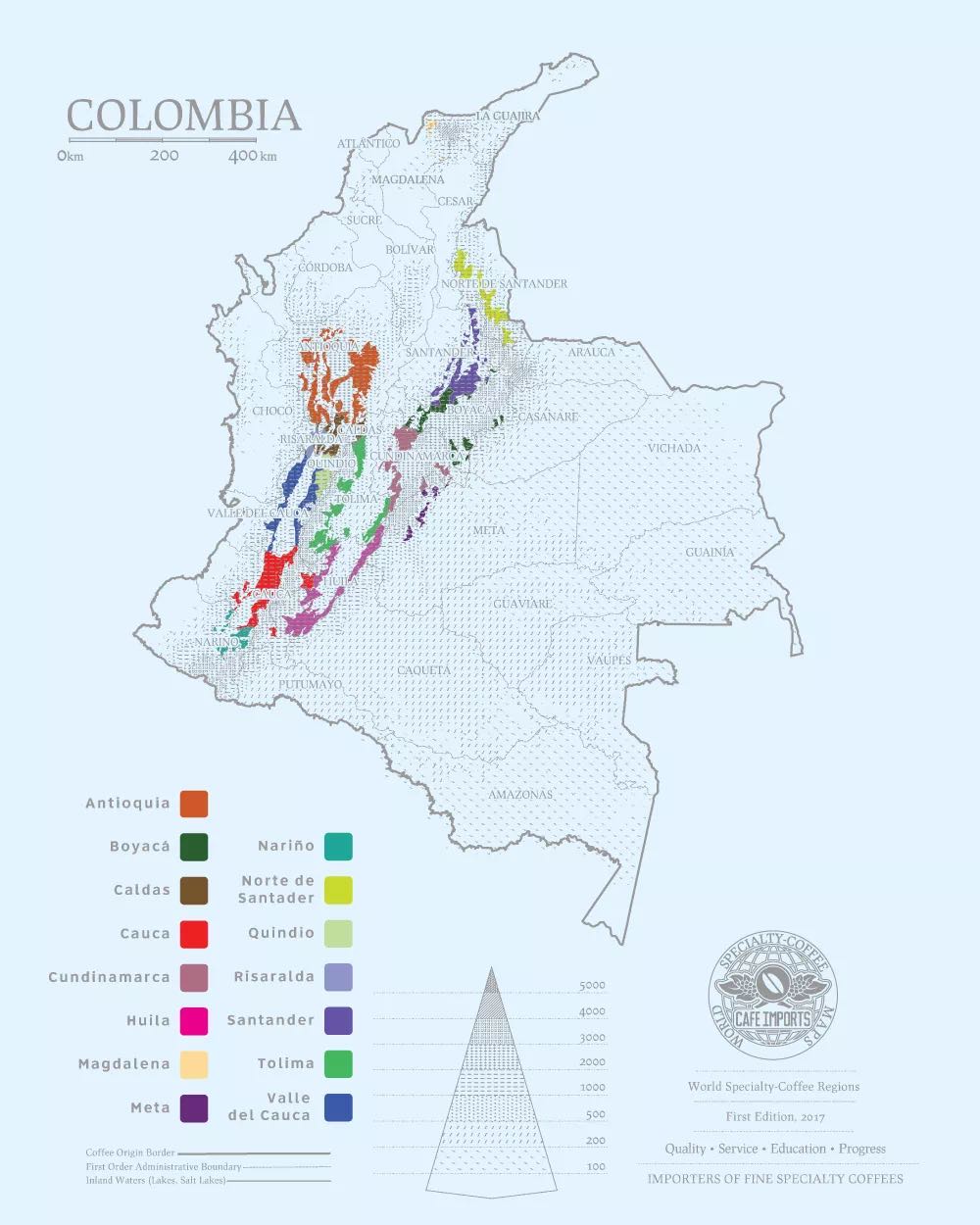
The cultivation map shows that Colombian coffee regions are concentrated in the south, at average altitudes above 1,500 meters. Today we start with the Colombian Huila bean. As mentioned, it is not on the store's bean menu because it belongs to the daily bean series, positioned differently from the single-origin coffees. FrontStreet Coffee's daily beans are economical and offer great value: their flavor may not match the estate beans on the menu, but they let coffee beginners experience classic regional flavors at the lowest price and build their own understanding of regional flavor profiles.
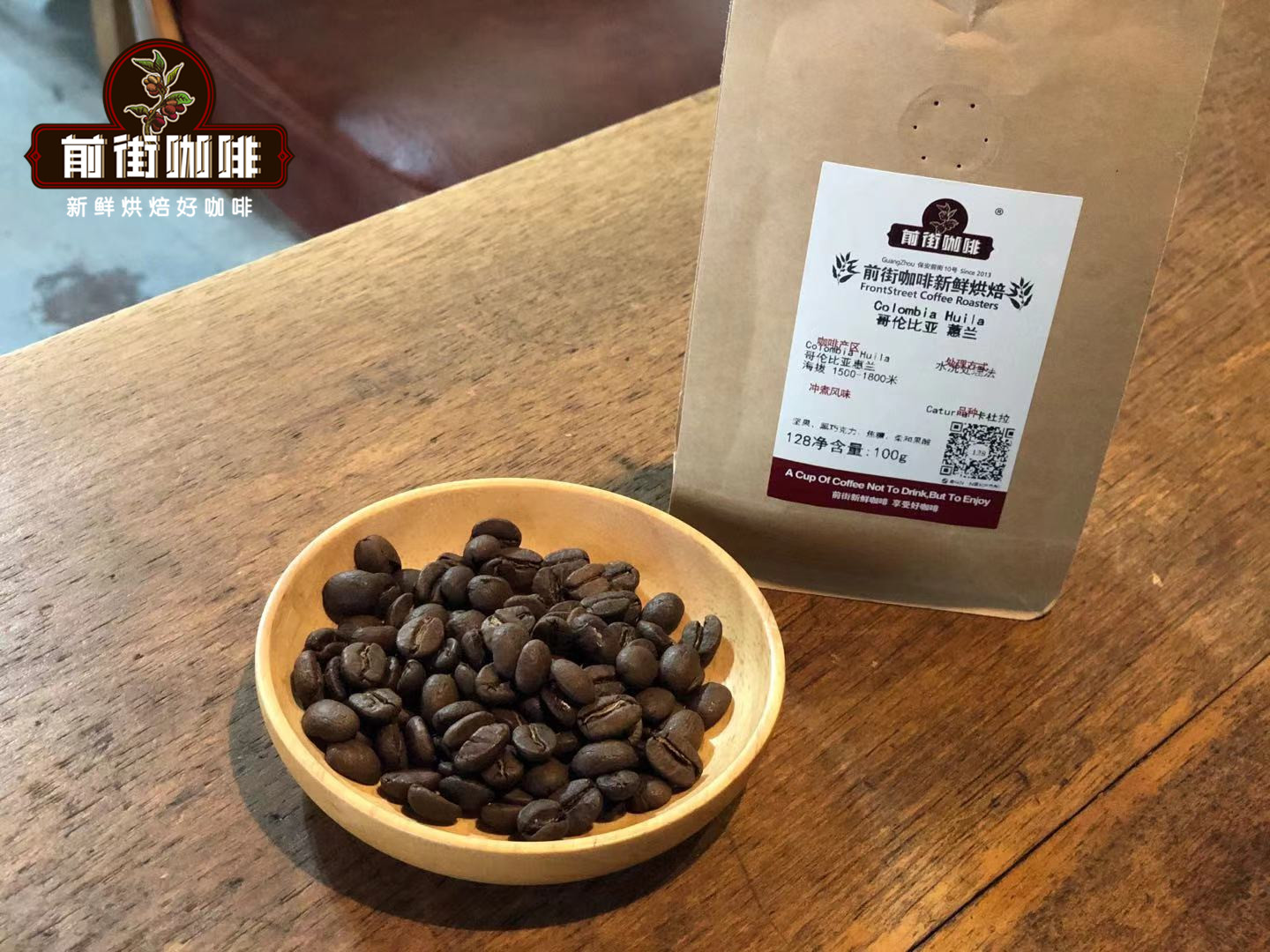
Colombia Huila
Region: Huila
Altitude: 1500-1800 meters
Variety: Caturra
Processing: Washed
Flavor: Nuts, dark chocolate, caramel, soft fruit acidity
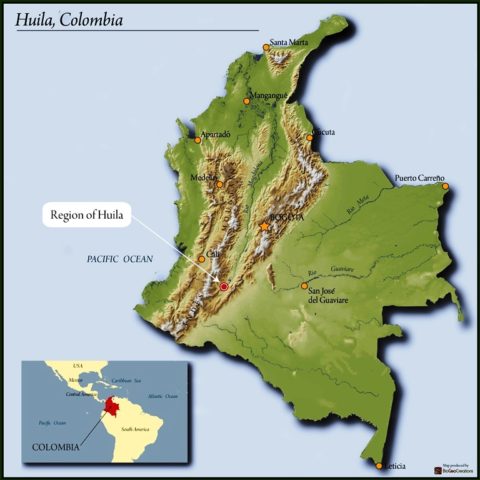
You could say Huila is Colombia's most famous specialty coffee region. It consists of hills surrounded by mountains, cultivated above 1,500 meters, and Colombia's most important rivers converge here, bringing abundant water and moisture. This bean uses Colombia's most traditional washed processing, giving clean, bright flavors that best represent the original taste of coffee. That is why FrontStreet Coffee often says washed beans are the guiding light for understanding a region's flavor. If you want to know what Colombian Huila tastes like, start with this bean.
Contrary to the common impression of Colombian coffee as merely balanced and smooth, many small-farm micro-batch Colombian specialty coffees have strongly distinct regional characters. FrontStreet Coffee's Flower Moon Night and Hanami, for instance, are both from Huila, yet their flavors are completely different.
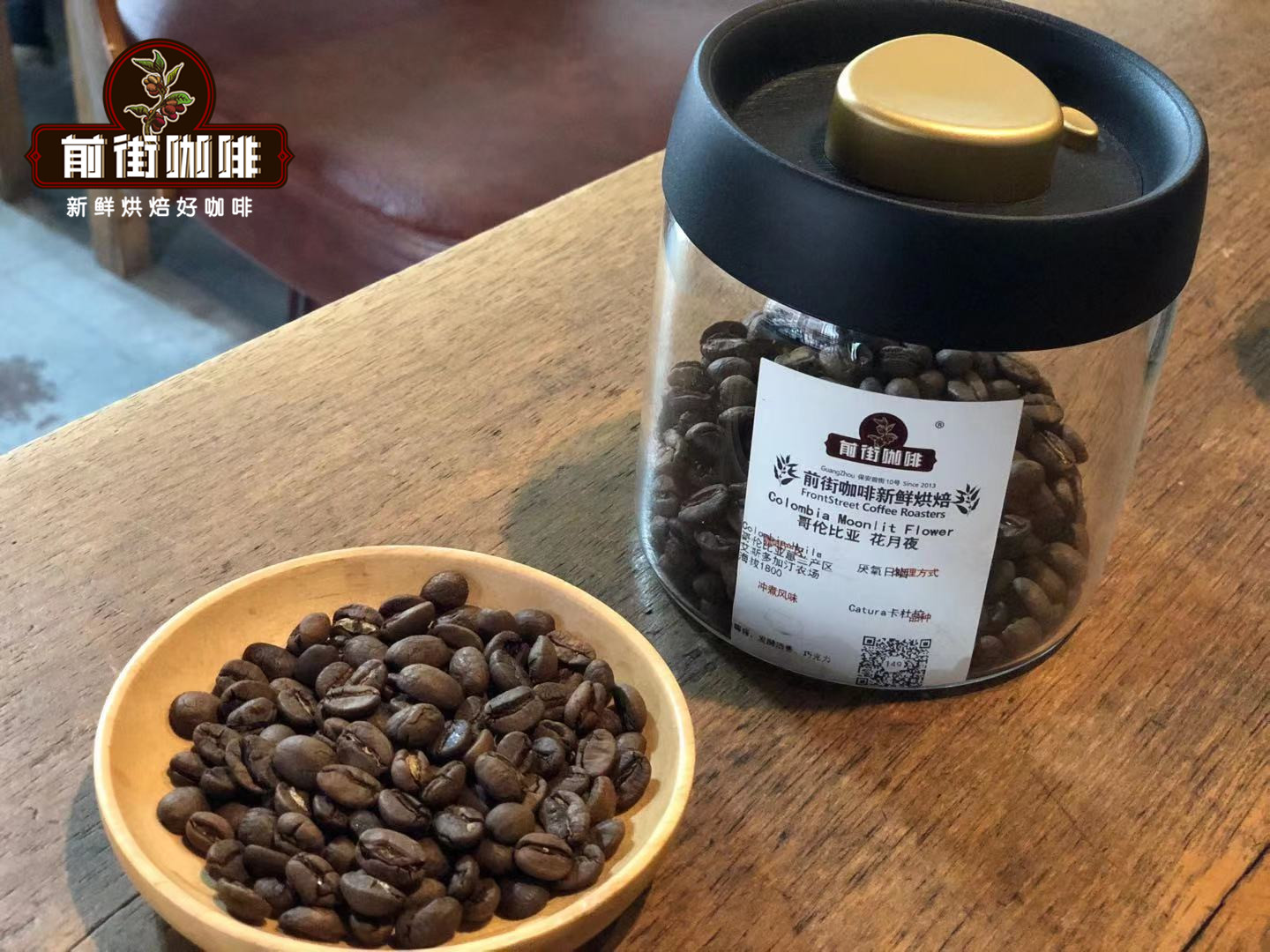
Colombia Flower Moon Night
Country: Colombia
Region: Huila (El Acevedo Garden Farm)
Altitude: 1800m
Variety: Caturra
Processing: Anaerobic Natural
Flavor: Strawberry, honey peach, fermented wine aroma, chocolate, fruit wine
Have you noticed? Both are Caturra from Huila, yet their flavors differ dramatically. FrontStreet Coffee attributes this mainly to microclimate and processing. Flower Moon Night is an anaerobic natural developed by Ramirez, owner of El Acevedo Garden Farm. He comes from a coffee-growing family, started working in coffee production at age 18, and held coffee-related jobs in the town of Acevedo before buying the farm he named El Acevedo Garden.

As early as three years ago, Ramirez planned a special processing project. He places coffee cherries in sealed fermentation tanks and uses low-temperature fermentation to extend the entire process: 15-20 days of fermentation opens more flavor possibilities. With slow drying, the cherries develop optimal water activity, which not only builds better flavor but also lets the green beans keep longer through the seasons. After fermentation, the cherries are dried naturally-what FrontStreet Coffee calls anaerobic natural processing. The result is a bean with richer layering and fermented aromas, more like drinking a floral fruit wine.
By comparison, the washed Hanami bean is more refined and clean. It is a Geisha blend coffee with very special flavors that FrontStreet Coffee finds reminiscent of Southeast Asian cuisine: various spice aromas in the dry fragrance, a subtle chamomile flower note, and a flavor leaning toward woody citrus and sweet orange, with a cooling mint sensation in the aftertaste.
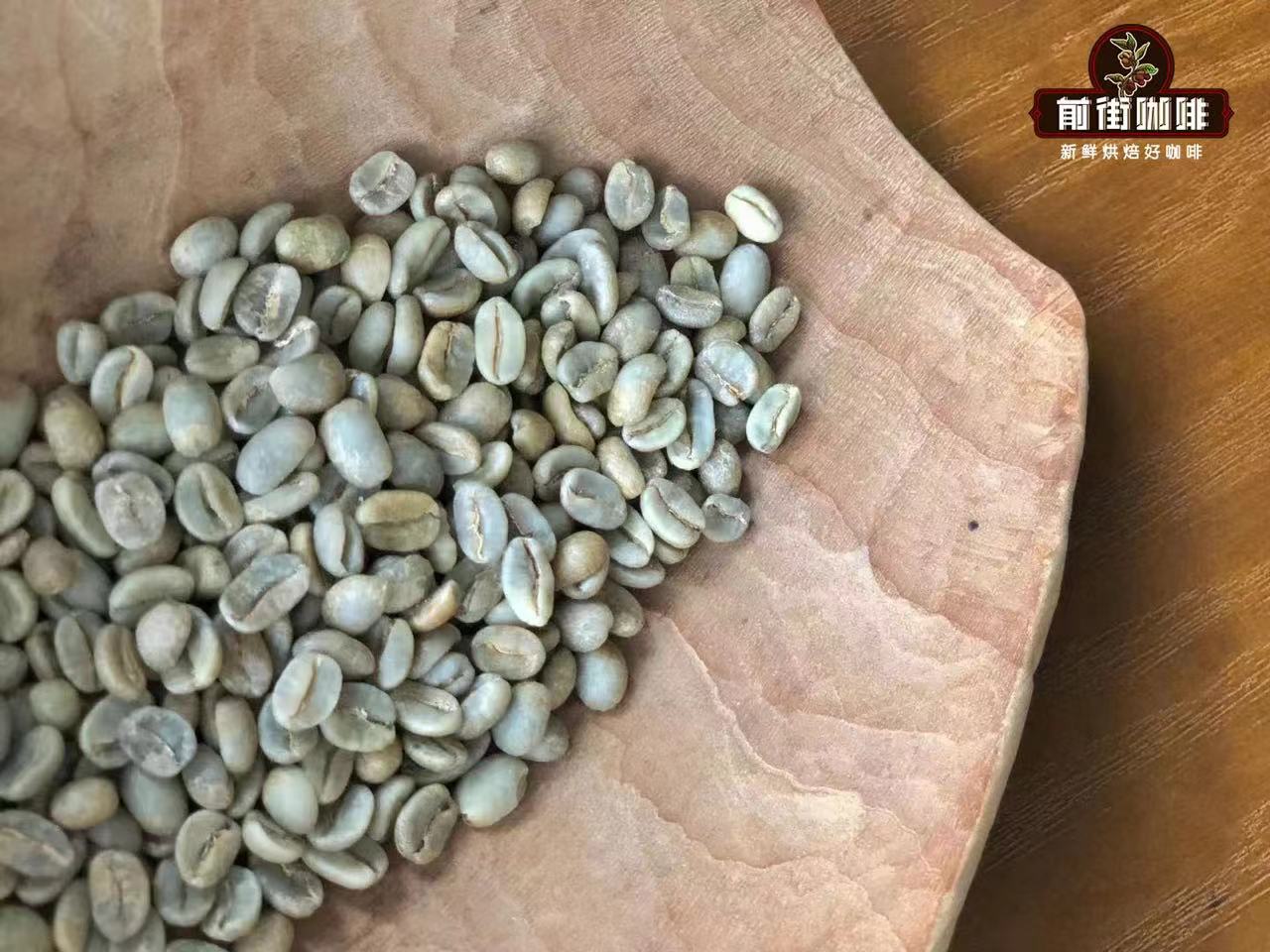
Colombia Hanami
Region: Huila
Estate: Montblanc Estate
Altitude: 1900 meters
Variety: Geisha, Caturra, Catuai
Processing: Washed
Flavor: Pink pepper, chamomile, woody citrus, honey, almond
This coffee often causes misunderstanding among FrontStreet Coffee's customers, some of whom wonder why a "blend" is sold alongside single origins. Looking at the information summary, the bean consists of three varieties: Geisha, Caturra, and Catuai. Because it is a mixture of three beans-and to prevent anyone assuming it is pure Geisha-FrontStreet Coffee clearly labels it a blended coffee. But if you understand "single origin" as "coffee from a single origin," then Hanami is genuinely a single origin: Montblanc Estate simply does not separate its varieties very finely, mixing Geisha, Caturra, and Catuai during harvest.
Colombian beans with fermented aromas are not limited to Flower Moon Night. FrontStreet Coffee's San Jose Estate bean has even more prominent fermentation, thanks to its special refined washed rum barrel fermentation. The owner of San Jose Estate is considered the pioneer of rum barrel fermentation: the third-generation female owner of the estate, dedicated to promoting Colombian coffee and breaking away from both traditional production and modern specialty trends to experiment along new paths.
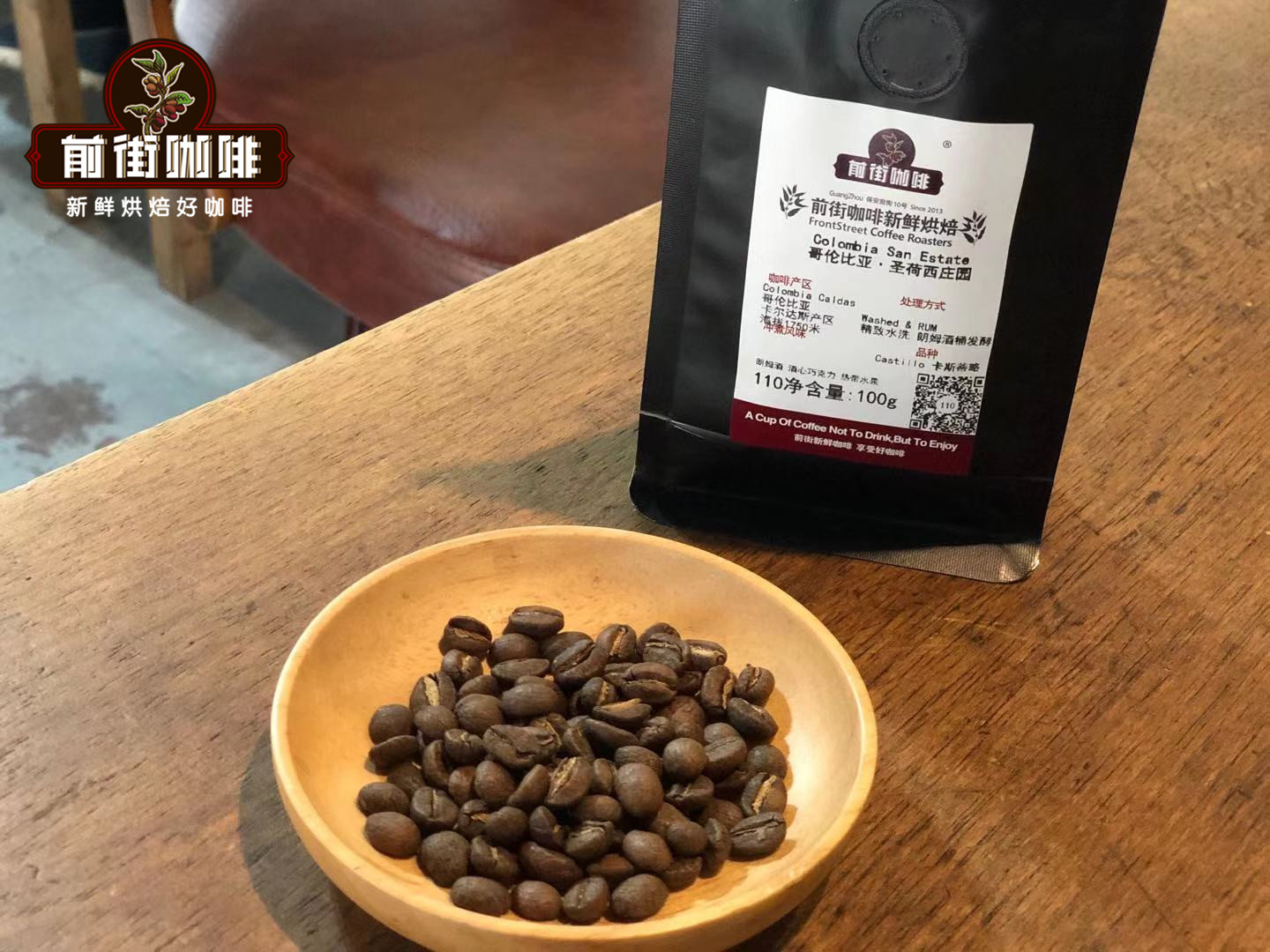
Colombia San Jose Estate
Country: Colombia
Region: Caldas
Altitude: 1750m
Variety: Castillo
Processing: Refined Washed Rum Barrel Fermentation
Flavor: Rum, liqueur chocolate, tropical fruits, maple syrup
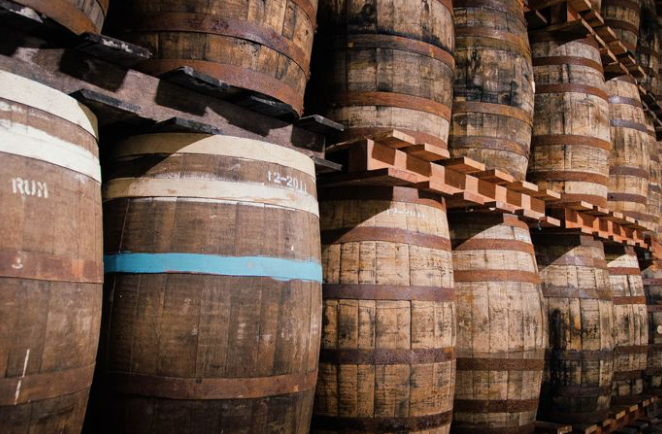
While innovating, the third-generation owner had a sudden inspiration while brewing rum with her husband: if green beans sat in oak barrels, would they, like the spirit, absorb the oak and achieve a barrel-aged character? Under this idea, owner Monsalve Botero began in 2013 placing green beans in rum barrels of different ages for brewing-style low-temperature fermentation, comparing the flavors across different durations. Through such experiments she selected the most suitable barrels and fermentation time, finally finding the ideal combination and creating rum barrel fermented coffee unlike any traditional washed lot.
Beyond the innovative processing, Caldas's regional advantages are obvious. Part of Caldas lies in Colombia's coffee-growing axis, the Eje Cafetero-the country's first major coffee region and for many years its most famous and popular. Tropical rainforest, volcanic soil, and abundant water make it an ideal coffee land.
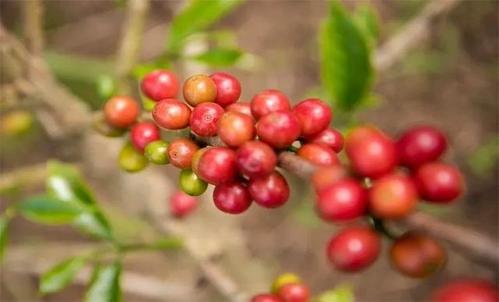
FrontStreet Coffee believes a bean's flavor depends not only on regional conditions but also greatly on variety. The beans introduced so far are basically Caturra and Catuai, but San Jose is actually Castillo. Unfamiliar with that variety? Here is a brief introduction.
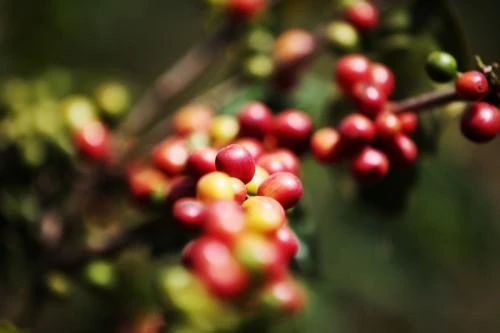
Castillo is a new-generation leaf-rust-resistant variety jointly developed by the Colombian Coffee Growers Federation (FNC) and Colombia's National Coffee Research Center, Cenicafé, which hoped to improve the varieties for higher yields, greater resistance, and quality and flavor comparable to Caturra.
After 23 years of research and experimentation, Cenicafé developed the fifth-generation Castillo, officially promoted for commercial cultivation in 2005. Castillo is known for its smoothness, aroma, and citrus acidity, and according to blind test results from Colombia's National Coffee Research Center, its flavor quality can match Caturra and Bourbon.
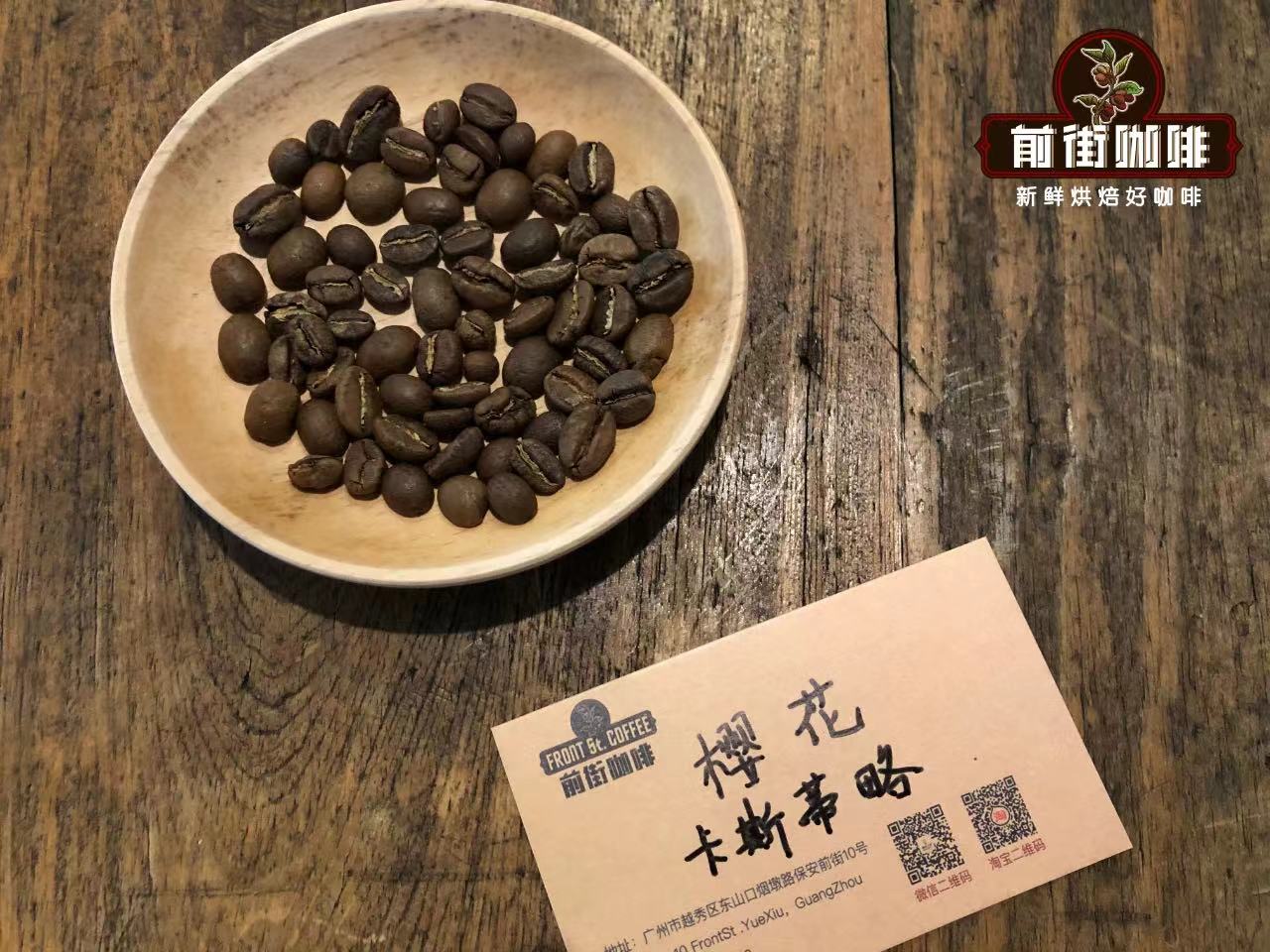
Another FrontStreet Coffee Colombian bean is also a Castillo: the Cherry Blossom from Paradise Estate. It uses double bright sun washed processing, presenting quality aromas of mugwort, mint, and eucalyptus, with flavors leaning toward berries and strawberry candy.
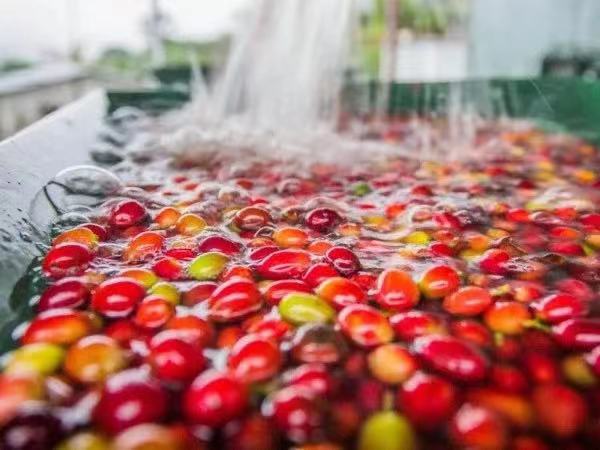
Finally, one bean remains: Rose Valley from Big Tree Estate in Colombia's Santander region. Farm owner Vargas has reportedly grown coffee at Big Tree for 20 years. Only fully mature, bright red cherries are picked; defective floaters are removed in washing, followed by double anaerobic fermentation and fermentation with special enzyme groups. The owner also takes great care with drying, avoiding excessively high temperatures in favor of slow drying. This is the double enzyme anaerobic processing mentioned above.
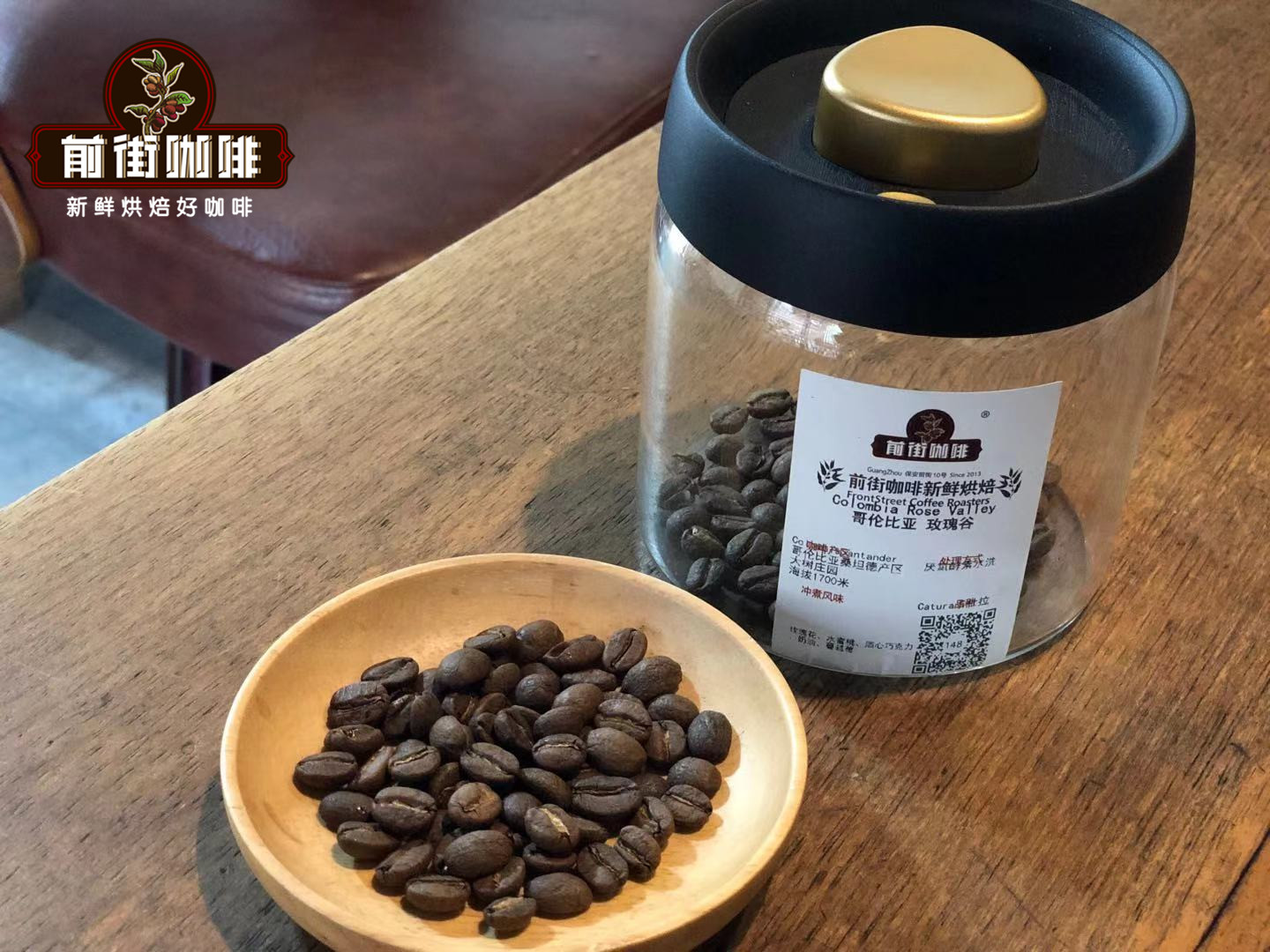
Colombia Rose Valley
Country: Colombia
Region: Santander (Big Tree Estate)
Altitude: 1700m
Variety: Caturra
Processing: Anaerobic Double Enzyme Washed Processing
Flavor: Honey, juicy texture, strawberry
Brewing Guide
That is FrontStreet Coffee's compilation of Colombian coffee knowledge. If you ask which bean best represents Colombia's original regional flavors, FrontStreet Coffee believes washed beans are the best answer. Below are the brewing parameters for the Colombian Huila bean. For standardized production, FrontStreet Coffee brews with three-stage extraction, but in the small details it adjusts parameters to the bean. Rose Valley and Flower Moon Night, for example, both use an EK43s grind setting of 10.5, yet their different altitudes and regions change bean density, so their sieving rates vary slightly too.
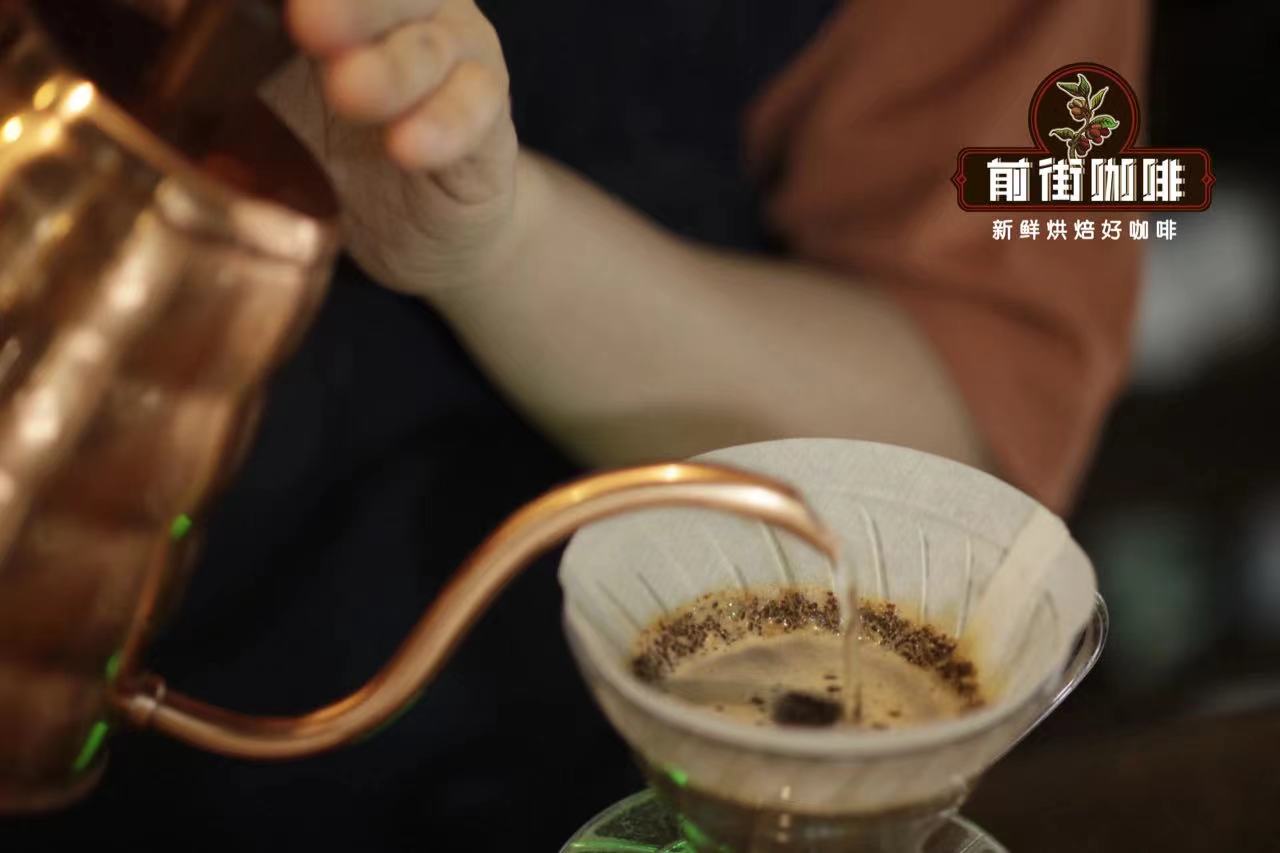
FrontStreet Coffee's Brewing Parameters:
V60 Dripper
Water Temperature: 91°C
Water-to-coffee ratio: 1:15
Coffee amount: 15g
Grind size: #20 standard sieve, 80% pass rate
FrontStreet Coffee Brewing Method:
Bloom with 30g of water for 30 seconds. Pour in small circles up to 125g, then pause. When the water level drops and the coffee bed is about to show, pour on to 225g and stop. When the bed is about to show again, remove the dripper. (Timing starts from the bloom.) Extraction time: 2'00".
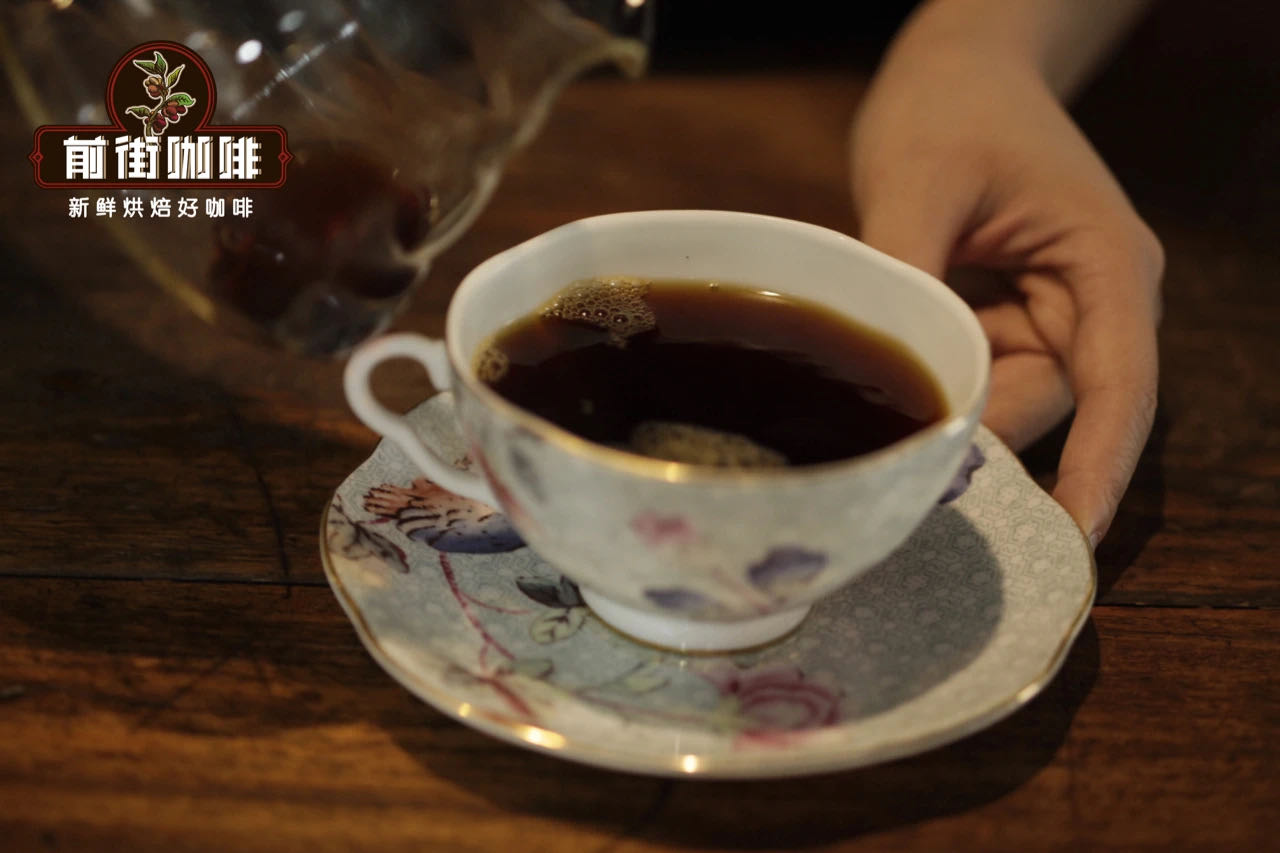
FrontStreet Coffee Colombian Huila Flavor Description:
Overall quite balanced, with noticeable sweetness. The first sip reveals dark chocolate, nuts, and caramel, with soft fruit acidity that shifts as the cup changes temperature.
FrontStreet Coffee Recommendation
Colombian coffee is wonderfully versatile-suited to espresso blends and pour-over single origins alike, spanning bright fruit-acid styles, full-bodied mellow styles, and fragrant aromatic styles. To get to know the region itself, FrontStreet Coffee recommends the washed Huila beans: Huila, in southern Colombia's central cordillera, is the country's most famous specialty region, a hill country ringed by mountains, cultivated above 1,500 meters, where Colombia's most important rivers converge to bring rich water and moisture. Roasted medium-dark, the washed Huila highlights the sweet bitterness of dark chocolate and nuts with moderate crema and a full body-equally at home in a pour-over or French press, and just as good through a moka pot or espresso machine for Americanos and lattes.
If you brew at home with an espresso machine or moka pot, baristas also strongly recommend the FrontStreet Premium Blend, an espresso recipe designed for coffee shops: it combines the creamy nut aroma of Brazilian coffee with the dark chocolate bitterness of Colombian coffee, extracting a fine golden crema. It is very beginner-friendly, pairs beautifully with milk for a rich, smooth latte, and serves as a solid base for Americanos, cappuccinos, and mochas.
Important Notice :
FrontStreet Coffee is a long-established specialty coffee roaster in Guangzhou China, selling freshly roasted beans from its own farm in Yunnan as well as dozens of carefully selected single-origin beans from around the world for both pour-over and espresso. The products deliver consistently excellent quality and great value, with shipping within 24 hours. Guangzhou's FrontStreet Coffee shop is recommended by many coffee lovers, and the beans are now available online at the Tmall 。
FrontStreet Coffee has moved to a new address:
FrontStreet Coffee Address: 315,Donghua East Road,GuangZhou
Tel:020 38364473
 Scan and follow the En Gafei WeChat official account. Please indicate that the reprint comes from "En Gafei".