Introduction to Major Asian Coffee Producing Countries - Best Asian Coffee Beans - How to Brew Asian Coffee Powder
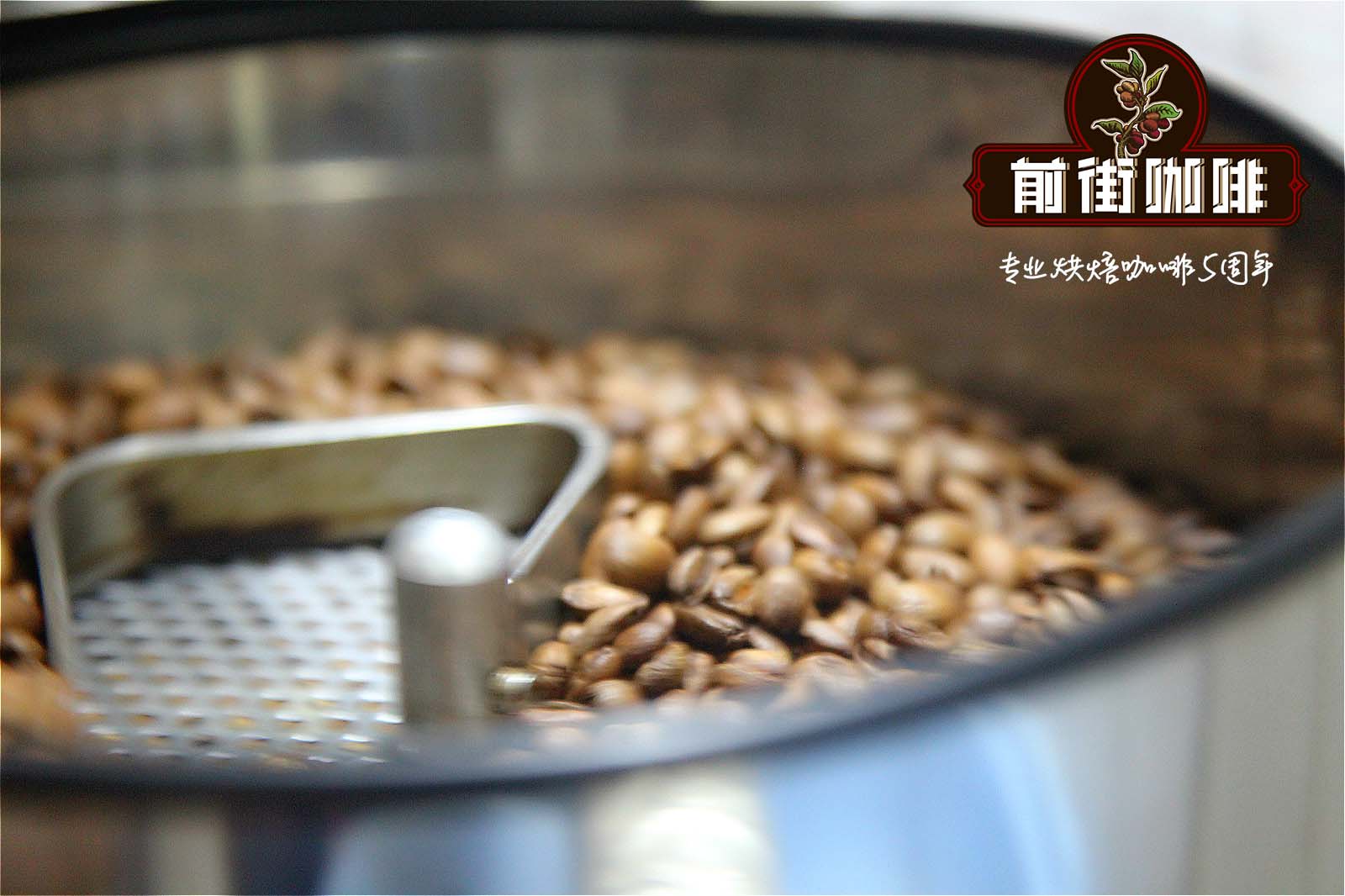
Indonesian Coffee Beans: Asia's Most Famous Growing Region
Every coffee lover has likely tried Asian coffee beans, and among them Indonesia's are the most famous in Asia. The best planting areas across the Indonesian archipelago are Java, Sumatra and Sulawesi. These three islands anchor three major coffee names: Mandheling coffee, produced in Sumatra, with moderate acidity and an extremely heavy, rich aroma; Java coffee, produced on Java, belonging to the Arabica species; and Sulawesi coffee, with full-bodied beans and rich fragrance. Robusta accounts for 90% of total Indonesian production and is reputed to be the world's highest quality.
Historical Background
In the mid-17th century, coffee trees were introduced to Indonesia by the Dutch (some official sources suggest it was earlier). In 1712, the first batch of coffee from Java was sold to Amsterdam. Then in 1877, all the coffee trees in the plantations were destroyed by coffee leaf rust, and Robusta trees had to be imported from Africa to replace the original species. Today, only 6%-10% of Indonesian coffee beans are Arabica. Indonesia is the world's major Robusta producer, growing 6.8 million bags annually, with most coffee coming from small plantations, which account for about 90% of total production.
Regional Coffee Characteristics
Java produces exquisite, aromatic coffee with relatively low acidity, a delicate taste and good balance. The fragrance and acidity of Java coffee are superior to those of Sumatra and Sulawesi. Java's best plantations include Blawan, Jambit, Kayumas and Pankur. Java Mocha coffee is a blend of Java coffee and Yemen Mocha coffee.
Sumatra, the second largest island of the archipelago, is Indonesia's petroleum industry center, and its rubber and timber are famous exports too. Yet Sumatra's coffee is even more remarkable. It is similar to Java coffee but with slightly heavier beans. Coffee from Mandheling and Ankola is highly valued, the former even praised as the world's most full-bodied coffee.
Sulawesi, located between Borneo and New Guinea, is sometimes also called Celebes. Its coffee has full-bodied beans and rich fragrance, and the best beans come from Kalossi and Rantepao in the southern part of the island. Among the many names available, Celebes Kalossi is worth trying.
Quality Characteristics and Market
Overall, Indonesian coffee has a very rich taste, a mellow flavor with a slight syrupy sweetness, and excellent acidity. Its two main export markets are Germany and Japan, which itself reflects the coffee's quality. What attracts consumers is the superior quality of its Arabica beans. You can add milk or cream to high-quality Indonesian coffee without worrying about spoiling the taste. Indonesian coffee is divided into six grades, with AP being the best - though no one is quite certain what those two capital letters actually stand for.
Historical Challenges
When steamships replaced sailing ships, coffee from these islands faced the same problem as coffee from Mysore, India: consumers had grown accustomed to coffee mellowed by long sea voyages and were unwilling to accept the taste of "fresh" coffee. To solve this, the Indonesian government tried to imitate aged coffee by "storing" beans for up to a year. Disappointingly, this wet-processed stored coffee was not widely accepted, which dented its reputation.
Traditional Processing Methods
Nevertheless, Indonesia's "stored" or "journey" coffee is still produced today, generally sold under brands such as "Old Government," "Old Brown" and "Old Java."
And despite producing so many acclaimed coffees, it is a curious fact that local residents prefer to drink Turkish-style coffee rather than the renowned European-style coffee they export.
FrontStreet Coffee's Asian Coffee Bean Recommendations
FrontStreet Coffee roasts a selection of Asian coffees - including its Yunnan Arabica, Yemen Mocha and Indonesian Mandheling - all with solid guarantees of sourcing and quality and excellent value for money.
FrontStreet Coffee Recommendation
For the fullest expression of Indonesia's coffee character, FrontStreet Coffee's PWN Golden Mandheling is the benchmark. Produced to exacting standards - beans of screen size 18 and above with fewer than 3 defects per 300g sample, meeting the top G1 grade, plus three rounds of manual hand-sorting - it delivers exceptional cleanliness and sweetness. The wet-hulled Sumatran method, born of the island's rainy climate, gives it thick body with earthy, herbal depth; medium-dark roasted, it brews a cup low in acidity with intense nut and caramel aromas, chocolate notes and a persistent finish. For pour-over, use 87-88°C water, 15g of coffee at a 1:15 ratio and a coarse-sugar grind with a three-pour segmented method to bring out the caramel sweetness.
If you prefer a gentler Asian cup, FrontStreet Coffee's Lintong Mandheling from the traditional region around Lake Toba offers clove, woody and spice aromas with mint-like coolness and a strong, lasting sweetness at an everyday price - the classic gateway into Sumatran coffee.
Important Notice :
FrontStreet Coffee is a long-established specialty coffee roaster in Guangzhou China, selling freshly roasted beans from its own farm in Yunnan as well as dozens of carefully selected single-origin beans from around the world for both pour-over and espresso. The products deliver consistently excellent quality and great value, with shipping within 24 hours. Guangzhou's FrontStreet Coffee shop is recommended by many coffee lovers, and the beans are now available online at the Tmall 。
FrontStreet Coffee has moved to a new address:
FrontStreet Coffee Address: 315,Donghua East Road,GuangZhou
Tel:020 38364473
 Scan and follow the En Gafei WeChat official account. Please indicate that the reprint comes from "En Gafei".