Espresso Coffee Bean Recommendations_Are FrontStreet Coffee Blends Good_Are Blend Coffee Beans Expensive
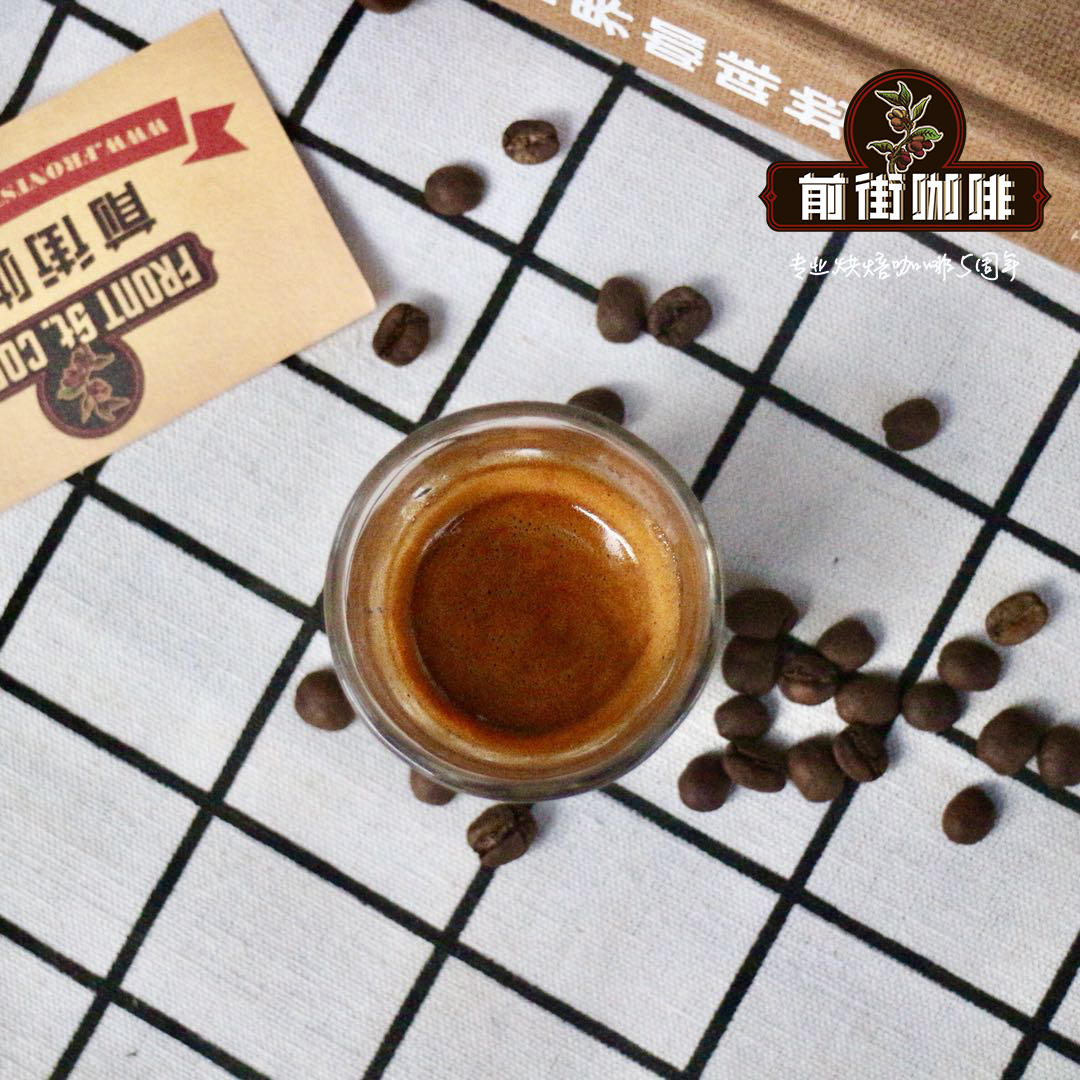
The Art of Coffee Blending
Coffee blending is not simply tossing beans together at random. Sometimes blending two specialty coffees actually suppresses what makes each one special, and it is not merely a matter of combining several specialty coffees either. Blending is like an artist harmonizing colors on a palette — the blender artfully combines beans with different characteristics to create an appealing new flavor.
Understanding Coffee Blends
Mixed coffee, also known as blended coffee, comes from a master roaster who understands each bean's character and combines them artistically to reach an entirely new, intended flavor. The knowledge those roasters use to blend beans is regarded as the industry's best-kept secret.
Today's popular Italian coffees almost all fall into the blended category. We generally call coffee that combines two or more varieties, or the same variety at different roast levels, mixed coffee. A blend is definitely not simple addition; it is the blender's particular understanding of coffee flavor that lets different beans complement each other and produce an exceptionally flavored blend.
Why Coffee Is Blended
Blended coffee is typically made from three or more varieties, balanced by acidity, bitterness, sweetness, aroma and body to create another coffee with a character all its own. A good blend, once assembled, has a refreshing aroma, a smooth, clean taste and a golden color, making it a superior grade of coffee. Blended coffee drinks are highly flexible and prize individual character.
The Main Reasons for Blending
Stable Flavor
Because coffee is an agricultural product, even the same variety tastes different from year to year. Blending several beans together solves this neatly, keeping the taste broadly consistent year after year.
Balanced Taste
Espresso machines amplify whichever characteristic is most prominent in a bean, so single-variety coffee is almost never used for espresso. If the bean is quite bitter, the espresso turns exceptionally bitter; if it is acidic, it turns very acidic. Blending is how we balance those extremes.
Cost Reduction
Cost reduction matters because producing regions are often hit by natural disasters and human disruption, cutting supply. With a blend, you need only find a bean of similar taste to replace the corresponding component rather than pay a high price for beans whose cost has spiked due to reduced output. In China, blenders creatively built coffee blends such as "Blue Mountain style" — the idea being that if you cannot drink real Blue Mountain, you drink coffee with a Blue Mountain flavor; after all, who really knows what Blue Mountain tastes like? A good formula can create a coffee legend. ILLY and LAVAZZA, familiar here, are outstanding examples. One hopes China will soon develop truly Chinese-style blends suited to Chinese palates, rather than chasing low costs by deeply roasting poor-quality beans and mixing them together.
Characteristics by Coffee Type
Depending on the type of coffee, blends take on different taste characteristics. To apply these combinations in practice, one must first understand the flavors of dozens of single-origin coffees. Every coffee shop blends beans in different proportions according to its own character. Below are several representative ratios. Of course, you can also challenge yourself with proportions you like.
Several Representative Blending Recipes:
1. Acidic-leaning Italian espresso blend: 30% Colombian, 60% Brazilian, 10% Guatemalan
2. General blend method: 30% Colombian, 60% Brazilian, 10% Robusta
3. Bitter-tasting commercial coffee blend: 30% Colombian, 30% Brazilian, 30% Kilimanjaro, 10% Robusta
There are two blending approaches: blending after roasting and blending before roasting, also called post-roast blending and pre-roast blending. The latter tests the roaster's skill more. Blended beans are usually rested for several days so the characteristics of the different beans can merge and the flavors can balance and unify. Post-roast blending generally needs about a week of resting; pre-roast blending can be used after 3–4 days, because the different beans have already influenced each other during roasting.
General blending follows the principle of sweet-sour balance — whatever the beans and whatever the roast level, I first cup-test them to feel their sweet and sour sensations.
For example, given two coffees, I will cup-test them to understand their sweet and sour qualities, then use a spoon to taste particular proportions of each and find the ratio at which the two reach sweet-sour balance, and only then extract on the coffee machine. Because people's taste buds differ in sensitivity to sweet and sour, the proportions still need fine-tuning after extraction, with the final ratio settled on the machine.
It is worth noting that we also need to consider the performance of the coffee machine and grinder. A machine with low extraction efficiency will be slightly more acidic, and the acidity will be more intense in the espresso. So during cup-testing we try to reduce some acidity and blend slightly sweeter, so the extracted espresso is not so acidic and sweet-sour balance is achieved.
Blending does not require specific beans; everything has to be arrived at through tasting. When we can choose freely, we generally pick a strongly flavored bean as the flavor core of the blend, a bean that is not strongly flavored but has relatively high sweetness to balance the acidity of that core bean (since good flavor implies a certain level of acidity), and then a bean with relatively rich crema but less flavor to enhance the body. That makes three beans the more suitable approach. More beans demand more experience and greater complexity, so it is better not to overcomplicate things when first starting to blend.
Choosing the proportions and roast levels of these three beans therefore requires familiarity with them. Use cupping to find approximate proportions, then test on the machine to settle the final ratios.
Recommended Coffee Blend Brands
FrontStreet Coffee offers freshly roasted Italian espresso blend beans with full guarantees on brand and quality. More importantly, the value is outstanding. Take their commercial recommendation — FrontStreet Coffee's Commercial Blend — as an example: one 454-gram pound package costs only about 60 yuan. At 10 grams of coffee per single espresso, one package makes 45 cups, putting each cup at less than 1.5 yuan. Even if each espresso uses double the dose at 20 grams, one double espresso still costs no more than 3 yuan. Compared with certain well-known brands selling packages for hundreds of yuan, that is a genuinely honest recommendation.
FrontStreet Coffee Recommendation
If crema and a classic Italian profile are what you are after, FrontStreet's Classic Blend is built for espresso and moka pots. Its biggest strength is standout crema — even a beginner with an ordinary home machine can pull a dense, fine crema, which is exactly what a good latte, cappuccino or Dirty depends on. It follows the traditional Mamba blend recipe, combining medium-deep Mandheling with Brazilian beans for a rich, mellow cup that suits veterans and newcomers alike, at home or in a café.
If you want creamy chocolate in milk drinks, FrontStreet's Premium Blend and Black Cocoa Blend lead with Brazilian beans, so they offer a comfortable bittersweet edge and a creamy peanut aroma. FrontStreet Coffee's Premium Blend carries Colombian nut, chocolate and caramel notes with a suitable acidity, while FrontStreet Coffee's Black Cocoa Blend adds the ripe plum-like acidity of Yunnan small-bean coffee and a creamy chocolate aroma when ground. Both are balanced and versatile — good for a latte or an Americano, and equally suited to flavored specialty drinks, which makes them a strong pick for a coffee shop.
For a single-origin espresso, FrontStreet's Ethiopia Huakui SOE is a natural-process coffee from Guji Hambella, grown as high as 2,300 meters and roasted medium. It keeps an elegant floral-fruit character while caramelizing gently, so a Huakui Americano or latte brings cream, cocoa, berries, light florals and black tea. FrontStreet's Costa Rica Blackberry SOE, a honey-processed single origin roasted medium, is sweeter still: bright and clean as an Americano, and as a latte it shows cranberry cookie, raisin and nut.
Important Notice :
FrontStreet Coffee is a long-established specialty coffee roaster in Guangzhou China, selling freshly roasted beans from its own farm in Yunnan as well as dozens of carefully selected single-origin beans from around the world for both pour-over and espresso. The products deliver consistently excellent quality and great value, with shipping within 24 hours. Guangzhou's FrontStreet Coffee shop is recommended by many coffee lovers, and the beans are now available online at the Tmall 。
FrontStreet Coffee has moved to a new address:
FrontStreet Coffee Address: 315,Donghua East Road,GuangZhou
Tel:020 38364473
 Scan and follow the En Gafei WeChat official account. Please indicate that the reprint comes from "En Gafei".