Introduction to Espresso Blend Coffee Beans_Which Espresso Coffee Beans Are Better to Use_Which Type of Blend Coffee Beans Is Best
Understanding Coffee Blends: The Art and Science Behind Perfect Combinations
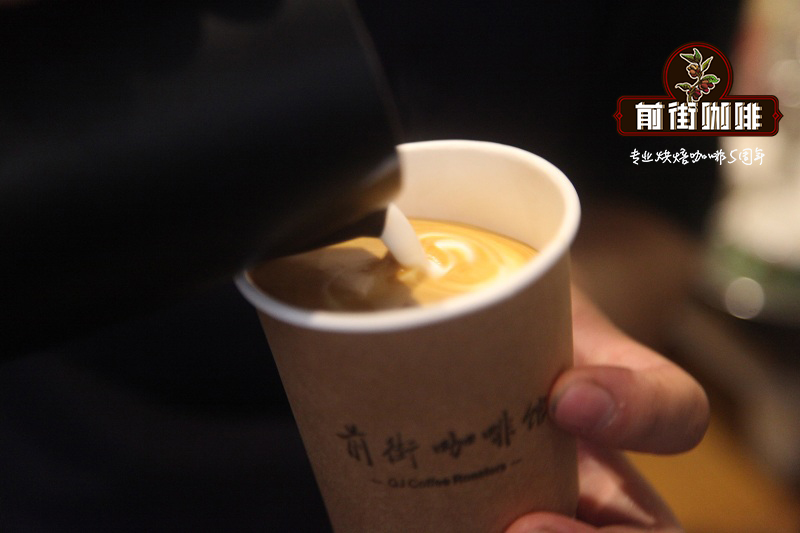
A coffee blend combines coffees from different origins in specific proportions, and is usually made for espresso. Being a blend, it naturally involves two or more single-origin beans. There is a special case too: the same beans at different roast levels blended together, or new-crop and aged coffee, or old-crop coffee of the same bean, combined. So in blending, "variety" no longer refers narrowly to botanical varieties; it has widened to mean coffee flavours generally.
Principles of Coffee Blending
Before blending, it is essential to understand the flavour characteristics of each coffee and to have a clear picture of the flavour profile you want — one that no single origin could achieve on its own. If the blend does not taste better than one or more of its components, that is a shame; better not to blend at all. As a rule, a blend need not use more than five types of coffee bean. Too many components and the picture becomes very complicated; only a rare expert can avoid being confused by so many different beans.
To put these combinations into practice, you first have to know the flavours of dozens of single origins. Every coffee shop also builds its own blends, using different proportions according to the beans' characteristics. Several representative ratios are suggested below — and of course you can challenge yourself with proportions you prefer.
Blending Methods
There are two ways to blend: blending after roasting (roast then blend) and blending before roasting (blend then roast), also called post-roast and pre-roast blending. The latter is the greater challenge for a roaster. Blended beans are typically rested for several days so that the beans' characteristics merge into a balanced, unified flavour. Post-roast blends generally need about a week of resting; pre-roast blends can be used after 3-4 days, because the different beans have already influenced each other during roasting.
Creating Rich Flavor Profiles
To build rich flavours, prioritise Colombian beans with full body and moderate acidity, complemented by well-balanced Brazilian beans — and, for a rich, full-bodied blend with prominent bitterness, add coffee with milder bitterness if you want sweetness.
Seasonal Blends
When third-wave specialty coffee shops began to recognise that green coffee does not keep as long as once assumed (1-2 years), they set stricter requirements, and the idea of the "seasonal blend" was born.
Because coffee ripens and is harvested at different times across producing countries, fresh green coffee from different origins can in fact be bought all year round. By selecting the best beans available in a given season and building an espresso recipe around them, a shop gives its customers subtle flavour differences from season to season. In summer, for instance, you might enjoy an espresso with strawberry and pineapple aromas; in winter, one with notes of muffin cake or toffee. Coffee is a natural product and cannot stay constant the way an industrial product does. Being able to enjoy such rich and varied flavour is surely coffee's real charm.
Recommended Coffee Blend Brands
FrontStreet Coffee is a coffee roasting brand whose freshly roasted espresso blends offer full assurance in both brand and quality. More importantly, they offer exceptional value. Take its commercial-grade recommended blend, Commercial Blend Coffee Beans: one 454-gram (1-pound) package costs only about 60 yuan. Calculated at 10 grams of coffee per single espresso shot, one package makes 45 cups, putting each cup below 1.5 yuan. Even using double shots of 20 grams each, a double espresso comes to no more than 3 yuan. Set against certain well-known brands charging over 100 yuan a package, it is a genuinely conscientious recommendation.
FrontStreet Coffee is a roastery in Guangzhou with a small shop but a wide range of bean varieties, where you can find both famous and lesser-known lots. Online store services are also available.
FrontStreet Coffee Recommendation
Espresso beans fall into two broad camps: blends, which most coffee shops reach for, and single origins pulled as SOE. A blend is simply a roaster's or barista's mix of different origins to reach a more balanced cup — if one coffee is smooth but short on aroma, another with plenty of aroma can supply it, so the aim of blending is always to make the coffee better. FrontStreet's classic blend and commercial blend are the traditional choice for americano and latte: both add a little Robusta to an old-fashioned Italian recipe, so the shot pours with butter, nut, spice, dark chocolate and toast aromas, a wild, thick body and a bright golden crema that makes latte art easy. The classic blend is built for espresso and moka pot in particular — even a beginner on a non-professional home machine can pull dense, fine crema for latte, cappuccino or a Dirty — while FrontStreet Coffee's Commercial Blend keeps the flavour and controls the cost, and the value-focused Black Cocoa is 100% Arabica with plenty of crema and a friendly price.
If you love the nutty side of espresso, FrontStreet's premium blend and Black Cocoa blend both use a large proportion of Brazilian beans for a comfortable sweet-bitter balance and creamy peanut aroma, with FrontStreet Coffee's Premium Blend's Colombian component adding nuts, chocolate, caramel and moderate acidity, and Black Cocoa's Yunnan small bean adding ripe plum acidity and a creamy chocolate aroma. For origin expression, an SOE is the way to go, since traceability to a specific estate or even a single farmer is what lets quality be judged. FrontStreet's natural Huakui SOE comes from Guji Hambella in Ethiopia, planted as high as 2300 meters and naturally processed; roasted medium, it keeps the floral elegance while caramelising gently, so an americano or latte built on it shows cream, cocoa, berry, light florals and black tea. The Costa Rica Blackberry SOE is a honey-processed single origin roasted medium for a sweet-sour americano, or a latte with cranberry cookie, raisin and nut; and the Brazil Queen's Estate SOE, a yellow Bourbon roasted medium-dark, brings butter cookie, macadamia and toast.
Important Notice :
FrontStreet Coffee is a long-established specialty coffee roaster in Guangzhou China, selling freshly roasted beans from its own farm in Yunnan as well as dozens of carefully selected single-origin beans from around the world for both pour-over and espresso. The products deliver consistently excellent quality and great value, with shipping within 24 hours. Guangzhou's FrontStreet Coffee shop is recommended by many coffee lovers, and the beans are now available online at the Tmall 。
FrontStreet Coffee has moved to a new address:
FrontStreet Coffee Address: 315,Donghua East Road,GuangZhou
Tel:020 38364473
 Scan and follow the En Gafei WeChat official account. Please indicate that the reprint comes from "En Gafei".