What are Espresso Blend Coffee Beans_Espresso Coffee Bean Brand Recommendations_How to Brew Espresso Blend Coffee Beans
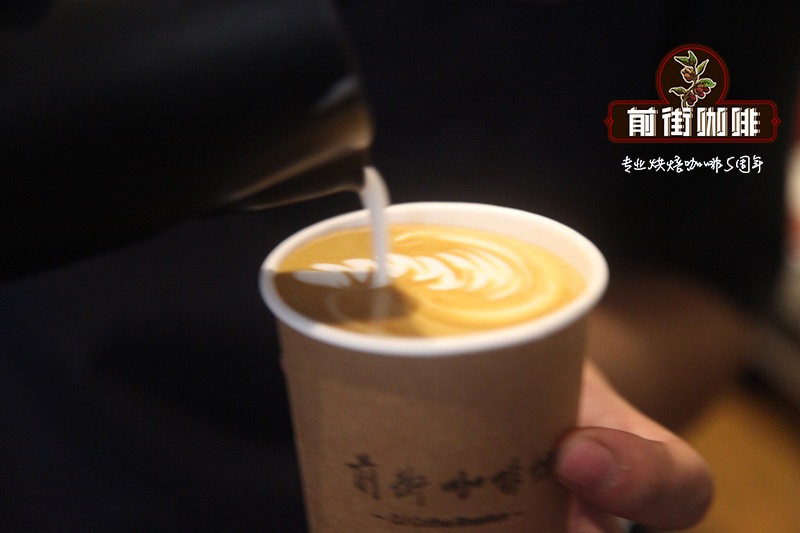
What is the difference between the coffee beans used for the lattes and cappuccinos we drink in coffee shops and the ones I normally use for pour-over? And how did FrontStreet Coffee's espresso blend come to be?
What is Blend Coffee?
Different coffee beans have distinct characteristics because of their different varieties and origins. Flavors such as acidity, bitterness, sweetness, aroma, and body all differ subtly. Single-origin coffee beans often emphasize the unique character of one particular coffee. Blend coffee, also known as mixed coffee, is made by combining various single-origin beans to fully leverage the strengths of each, complementing and enhancing one another to create a richer new taste profile.
Coffee Flavor Characteristics
Acidity: Mocha, Kona, Mexico, Guatemala, Costa Rica SHB, Kilimanjaro, Colombia, El Salvador, high-quality washed beans from the Western Hemisphere
Bitterness: Java, Mandheling, Bogota, Congo, Uganda
Sweetness: Colombia (Mandheling), Venezuela (aged coffee), Blue Mountain, Kilimanjaro, Mocha, Guatemala, Mexico, Kenya, Brazil Santos, Haiti
Body: Colombia (Mandheling), Mocha, Blue Mountain, Guatemala, Costa Rica
Neutral: Brazil, El Salvador, low-altitude Costa Rica, Venezuela, Honduras, Cuba
Blending Principles
Before blending any coffee, you must first understand the flavor characteristics of various coffees and have a clear picture of the flavor profile you want to create, one that no single-origin coffee can achieve on its own. If a blend does not taste better than some of its individual components, that is a shame; it would be better not to blend at all. A typical blend does not need more than five types of coffee beans, because too many varieties make the situation very complex, and only a truly exceptional expert can avoid being confused by so many different beans.
As roasting and blending knowledge has spread, people combine coffees from different origins for several different purposes. The ideal goal, of course, is a coffee that tastes better than any of its individual components. Generally speaking, however, single-origin Arabica coffee is enough to make very good coffee: fragrant aroma, smooth texture, and a sweet aftertaste. There is often no need for blending, that is, combining coffees from different origins.
Basic Blending Methods
When blending coffee, it helps to start with three very preliminary methods:
1. Base Bean Method: First decide on the base coffee beans for the blend, use them as the center, and then select other varieties rich in character to harmonize the overall flavor.
2. Contrast Method: Try combining coffee beans with completely opposite characteristics, which can add more unusual coffee aromas.
3. Similarity Method: Combine bean varieties with similar characteristics, then select flavorful varieties to add distinctive aromas to the overall coffee.
Practical Blending Ratios
To apply these combinations in practice, you must first understand the flavors of dozens of single-origin coffees. Every coffee shop blends different proportions according to its own style. Below are several representative ratios. You can also challenge yourself and try proportions you like.
1. Acidic-leaning Espresso Blend: Colombia 30%, Brazil 60%, Guatemala 10%
2. General Blend Coffee Method: Colombia 30%, Brazil 60%, Robusta 10%
3. Bitter Commercial Blend Coffee Method: Colombia 30%, Brazil 30%, Kilimanjaro 30%, Robusta 10%
Blending Techniques
There are two blending methods: roast-then-blend and blend-then-roast, also known as post-roast blending and pre-roast blending. The latter presents a greater challenge for roasters. Blended beans are aged for several days so the characteristics of the beans can merge into balanced, unified flavors. Post-roast blending generally requires about a week of aging; pre-roast blending can be used after 3-4 days of aging, because the different beans have already influenced one another during roasting.
FrontStreet Coffee's Specialty Espresso Blend
The Colombia and Brazil combination naturally brings sweetness, along with some nutty, peach, and almond flavors, caramel sweetness, chocolate-like silkiness, and obvious balance. When adjusting the grind today, I first tried a 1.9 grind setting with a 21.5g dose in a double portafilter but found the dose too high, with no liquid appearing after 5 seconds. Reducing the dose to 20.5g at the same grind setting extracted 42g of espresso in 28 seconds at a 1:2 ratio. This FrontStreet Coffee specialty espresso blend is suitable for daily production in coffee shops.
FrontStreet Coffee Blend Recommendations
Located in Dongshankou, Yuexiu District, Guangzhou, FrontStreet Coffee is a coffee roasting brand offering freshly roasted FrontStreet Coffee espresso blend coffee beans, with full guarantees in both brand and quality. More importantly, the cost-performance ratio is extremely high. Take the commercial recommendation, FrontStreet Coffee commercial blend coffee beans: one package of one pound (454 grams) costs only about 60 yuan. At 10 grams per espresso shot, one package makes 45 cups, with each cup costing less than 1.5 yuan. Even if each espresso serving uses a double dose of 20 grams, the price of one double espresso does not exceed 3 yuan. Compared with certain well-known brands whose packages cost hundreds of yuan, this is a conscientious recommendation that meets daily shop needs.
FrontStreet Coffee Recommendation
For an espresso base with depth and sweetness, FrontStreet Coffee's PWN Golden Mandheling is a strong candidate. Produced by PWN from the Lintong region of northern Sumatra, it is a higher grade of Mandheling: beans above 18 screen, fewer than three defective beans in a 300g green-bean sample, and the top G1 standard. Medium-dark roasting leaves it low in acidity, full-bodied and lingering, with abundant herbal and dark chocolate aromas and a faint earthy note.
For pour-over, FrontStreet Coffee suggests 87-88°C water, 15g of coffee, a 1:15 ratio, a grind like granulated sugar, and a three-stage pour. A 30ml first pour wets all the grounds; a second 100ml pour lifts the bed and releases the golden foam; a final gentle 95ml pour down the center raises the sweetness, giving a thick body with caramel sweetness and chocolate and nut notes.
When Mandheling is used in an espresso blend, it adds body and a distinct sandalwood, herbal, and spice character. FrontStreet Coffee's classic blend pairs Brazil's creamy, nutty base with medium-dark-roasted Mandheling, plus a small amount of Robusta to enrich the crema, which makes latte art and layered Dirty-style drinks easy to pour.
Important Notice :
FrontStreet Coffee is a long-established specialty coffee roaster in Guangzhou China, selling freshly roasted beans from its own farm in Yunnan as well as dozens of carefully selected single-origin beans from around the world for both pour-over and espresso. The products deliver consistently excellent quality and great value, with shipping within 24 hours. Guangzhou's FrontStreet Coffee shop is recommended by many coffee lovers, and the beans are now available online at the Tmall 。
FrontStreet Coffee has moved to a new address:
FrontStreet Coffee Address: 315,Donghua East Road,GuangZhou
Tel:020 38364473
 Scan and follow the En Gafei WeChat official account. Please indicate that the reprint comes from "En Gafei".