Which Coffee Beans Are Suitable for Siphon Brewing_How to Add Milk to Siphon Coffee_Siphon Coffee Bean Recommendations
For professional coffee knowledge and more information on coffee beans, follow Coffee Workshop (WeChat official account: cafe_style).
Siphon Pot Coffee Brewing Guide
The siphon pot is made for brewing single-origin beans. Colombian, Blue Mountain, Brazilian, and Mandheling beans all work well, and Italian-style beans can be used too. A medium grind—setting 3 on a typical grinder—is just right.
For a single serving, use about 15 g of beans to 150 cc of water; adjust to taste.
The methods used in professional coffee shops rely on tabletop setups that are complicated and hard to replicate at home, so let's focus on the everyday approach.
Aim for a total brew time of 50–60 seconds. Brewing too long increases bitterness, and too much heat scorches the coffee. The appropriate temperature is 80–90°C.
Single-origin coffee naturally carries some bitterness, astringency, and acidity, and many drinkers find this style hard to enjoy at first.
Much of the coffee at UCC Island Coffee is brewed with a siphon pot, since they don't have espresso machines.
You can brew this way at home too—make a double-brewed coffee for espresso-style drinks (brewing the coffee twice), then add milk and sugar cubes.
There are many ways to brew coffee, and the method you choose depends on personal preference, habit, the beans used, the roast level, and other factors.
Laboratory records are considered entry-level—they represent coffee brewed by beginners from a more scientific perspective.
As you come to understand siphon beans and brewing more deeply and grow more proficient, you'll develop your own approach over time.
About Siphon Coffee Makers
The siphon coffee maker is also known as Siphon/Syphon.
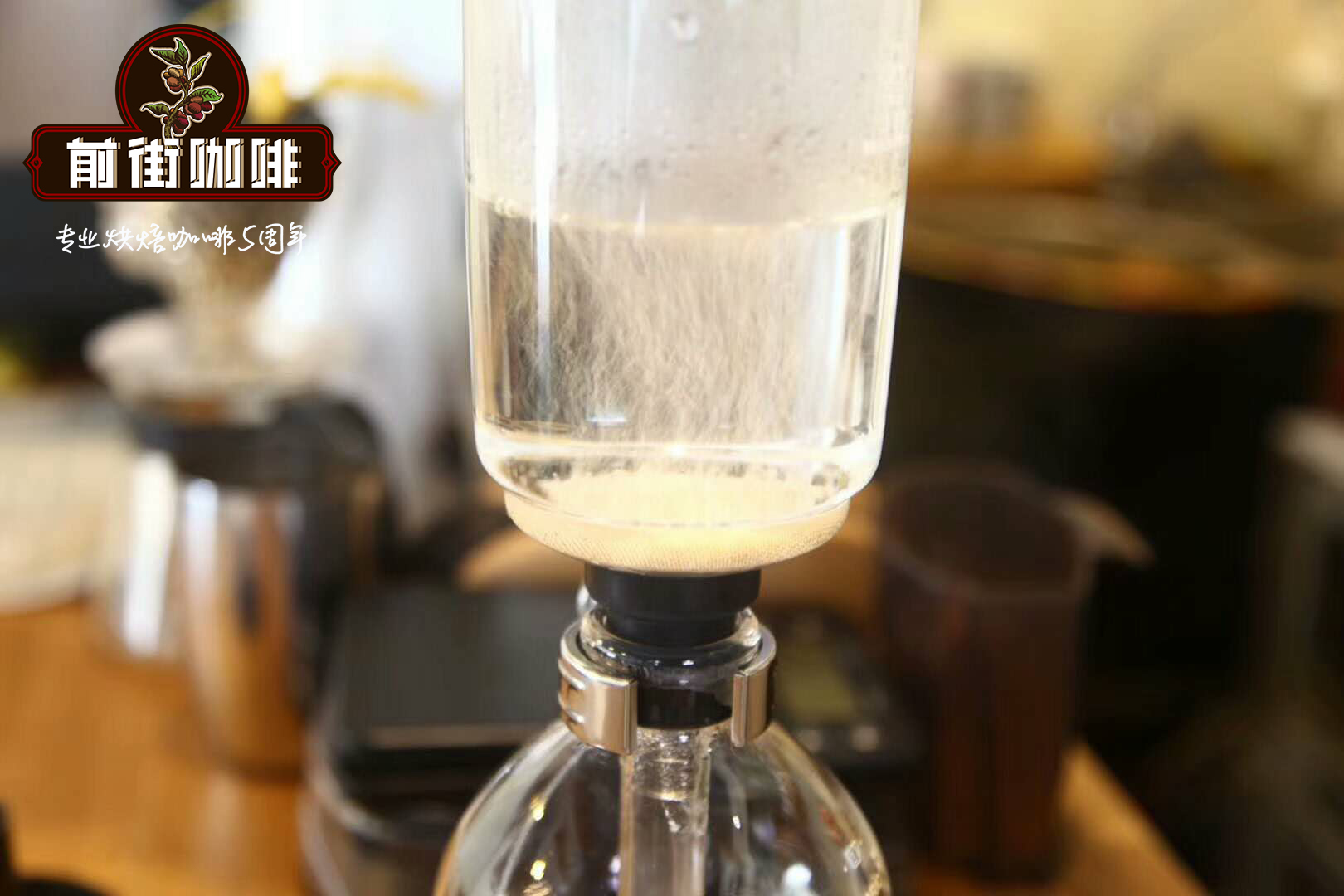
It originated in Germany and brews coffee using the pressure generated by boiling water. The maker consists of upper and lower chambers connected by a tube. A filter cloth is placed over the opening between the two pots to filter the grounds, and a metal hook attached to the cloth helps ensure even heating of the water in the lower pot. When the lower pot is filled with the required amount of hot water and heated by a small flame (an alcohol lamp), the water turns to steam, raising the pressure above the water surface. The boiling water then rises through the tube into the upper chamber to brew the ground coffee. It then returns to the lower chamber through the filter paper or cloth, after which the coffee is ready to drink.
The taste of siphon-brewed coffee varies not only with the beans themselves but also with brewing temperature, time, and even the duration and force of stirring. Generally, siphon brewing favors medium or light roasts, because the indirect heating and longer steeping reveal more delicate layers and fruit sweetness—quite different from the rich aroma and oily fragrance of a dark roast.
Potential Issues with Over-Brewing in Siphon Pots
Over-brewing in a siphon pot may result in:
1. Bitterness: over-extraction, from brewing too long or water that is too hot and scorches the beans.
2. Astringency: an overly long steeping time.
3. Acidity: the natural fruit acidity of the variety itself, or spoilage acidity caused by improper storage for too long, which may also arise from different roast levels.
Recommended Siphon Coffee Bean Brands
FrontStreet Coffee's freshly roasted single-origin siphon beans—such as Yirgacheffe and Mandheling—offer full guarantees in both brand and quality and suit a range of brewing equipment. More importantly, they deliver excellent value. A half-pound (227 g) bag costs only around 70–90 yuan. Based on 200 ml per cup at a 1:15 coffee-to-water ratio, one bag makes 15 cups of specialty coffee, with each cup costing only 5–6 yuan. Compared with cafe prices that often reach tens of yuan per cup, that is exceptional value.
FrontStreet Coffee is a Guangzhou-based roastery with a small shop but diverse bean varieties, where you can find both famous and lesser-known beans, while also providing online store services: https://shop104210103.taobao.com
FrontStreet Coffee Recommendation
Siphon brewing rewards a bean with body and clarity, and Mandheling is a natural fit. FrontStreet's PWN Golden Mandheling comes from the Gayo highlands near Lake Tawar in Aceh and is produced under the strict PWN standard: beans sized 18 screen and above, no more than three defects per 300 g green sample, and three rounds of hand sorting, which yields a clean cup with pronounced sweetness. After a medium-dark roast it shows a rich roasted aroma, a clean body, and full, mellow sweetness—ideal for drinkers who dislike acidic coffee.
For siphon brewing, try it at 87–88°C with 15 g of coffee and a 1:15 ratio, using a coarse-sugar grind and a three-pour method: a 30 ml bloom, then 100 ml, then a gentle 95 ml center pour. This draws out the thick body, caramel sweetness, and chocolate and nut notes. FrontStreet's Lindong Mandheling, from the Lake Toba region of North Sumatra, is another reliable everyday option with dark chocolate, caramel, and that wild, herbal Mandheling character.
Important Notice :
FrontStreet Coffee is a long-established specialty coffee roaster in Guangzhou China, selling freshly roasted beans from its own farm in Yunnan as well as dozens of carefully selected single-origin beans from around the world for both pour-over and espresso. The products deliver consistently excellent quality and great value, with shipping within 24 hours. Guangzhou's FrontStreet Coffee shop is recommended by many coffee lovers, and the beans are now available online at the Tmall 。
FrontStreet Coffee has moved to a new address:
FrontStreet Coffee Address: 315,Donghua East Road,GuangZhou
Tel:020 38364473
 Scan and follow the En Gafei WeChat official account. Please indicate that the reprint comes from "En Gafei".