What Are Single-Origin Coffee Beans? Differences Between Single-Origin and Blend Beans, Best Single-Origin Coffee Bean Rankings and Recommendations

As the specialty coffee market has grown, the arrival of many coffee shops has let more people discover the charm of single-origin coffee and pour-over. FrontStreet Coffee has noticed, though, that many new coffee enthusiasts do not know how to choose single-origin beans that suit their taste. Since coffee flavors fall into three main categories, FrontStreet Coffee will recommend single-origin coffees along those three lines in this article.
What are Single-Origin Coffee Beans?
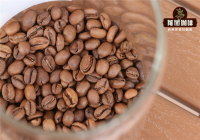
Single-origin coffee beans come from a single origin, produced in one region. Brewed and drunk on their own, they are pure coffee without milk or sugar. Single-origin coffee has distinct characteristics and a unique mouthfeel—either fresh and gentle, or mellow and smooth. They cost more to produce and are therefore relatively more expensive.

For example, some of the more famous single origins at FrontStreet Coffee include FrontStreet Jamaica Blue Mountain No. 1, FrontStreet Ethiopia Yirgacheffe, and FrontStreet Indonesia Sumatra Mandheling—all named after where the beans come from. These coffees each represent their region's flavor. What's more, single-origin coffee can be traced back to a specific estate and its story—growing conditions, processing methods, and other details that help guarantee flavor quality—so FrontStreet Coffee also prints relevant brief information on each package.

What is Regional Flavor?
So what exactly is regional flavor? Coffee enthusiasts know that coffee is an agricultural product, so its quality and flavor are shaped by altitude, climate, soil, cultivation techniques, and green-bean processing. Coffee is also just a general term covering many varieties. The variety most often used for single-origin coffee belongs to the Arabica species, which is further subdivided into specific types such as Typica and Bourbon. All of these affect the beans' flavor from the start—what FrontStreet Coffee often calls regional flavor.

World's Three Major Coffee Regions and Their Flavors
As noted above, coffee flavors can be divided into three major categories, corresponding to the three major coffee regions: Asia, Africa, and Latin America. Each has its own unique flavor characteristics. Asian coffees tend to have spice and herbal notes with a rich mouthfeel; African coffees feature citrus and lemon tones with excellent acidity and a clean, bright taste; Latin American coffees combine the two, offering a balanced profile with distinct nutty and cocoa flavors. Coffee flavors can therefore be subdivided along these three regions. Next, FrontStreet Coffee will share representative single origins from each.

Recommended Single-Origin Coffee Beans from Asian Region
As above, coffee from the Asian region tends to have spice and herbal flavors with a rich mouthfeel, making it very popular among enthusiasts who enjoy rich flavors. FrontStreet Indonesia Sumatra Mandheling is a clear representative of Asian flavor. Coffee beans from Yunnan, China, are also appearing more often in the specialty coffee market. And FrontStreet Papua New Guinea Bird of Paradise, known as the "Little Blue Mountain," can also be considered a representative of Asian coffees. Next, FrontStreet Coffee will recommend beans from these three origins.

Indonesia Coffee Region
FrontStreet Coffee currently offers five different Indonesia Mandheling coffees. Next, FrontStreet will introduce the characteristics and processing of each.
Indonesia Coffee Processing Method - Wet Hulling
FrontStreet Coffee believes that Mandheling became famous largely because of the local wet-hulling method. This method emerged because Indonesia's weather is often rainy with frequent typhoons, making the good weather required for sun-drying difficult to get, and because the local economy was not prosperous enough for the costlier washed method.

Thus the uniquely local wet-hulling method took shape. Although Indonesia's coffee industry has developed beyond its former poverty, and many estates and companies now have the conditions to use the washed method, why has wet hulling not been abandoned? FrontStreet Coffee believes wet hulling is a key factor that made Mandheling known worldwide—when Mandheling is mentioned, enthusiasts immediately think of wet hulling. The two have a mutually reinforcing relationship.

FrontStreet Coffee · Indonesia PWN Gold Mandheling Coffee Beans
Country: Indonesia
Region: Sumatra, Aceh, Gayo Mountain
Altitude: 1100–1600m
Variety: Ateng
Processing: Wet Hulling
Flavor: Toasted bread, nuts, pine, caramel, herbal
This FrontStreet Indonesia PWN Gold Mandheling is the latest launch from PWN in recent months. Unlike the previous FrontStreet PWN Gold Mandheling, the newest batch comes from the Gayo Mountain region of Sumatra, while the previous one was from Lake Toba. Based on FrontStreet's cupping and brewing, it has more toasted-bread flavor than the previous Gold Mandheling and a slightly richer mouthfeel.

In addition, FrontStreet PWN Gold Mandheling's specification standard is above 18 screen size, with fewer than 3 defective beans in a 300g green-bean sample, belonging to the highest G1 grade. The color is dark green with a uniform flat bean shape. After strict selection, FrontStreet Coffee found that this PWN Gold Mandheling not only lacks the earthy impurities typical of regular Mandheling but is also cleaner and brighter when tasted.
FrontStreet Coffee · Indonesia Lindu Mandheling Coffee Beans

Country: Indonesia
Region: Sumatra (Lindu)
Altitude: 1100–1600m
Variety: Typica, Caturra
Processing: Wet Hulling
Flavor: Toasted bread, nuts, caramel, pine, herbal
FrontStreet Indonesia Lindu Mandheling comes from the Lindu mountain area in north-central Sumatra, near Lake Toba. This is the entry-level everyday coffee from FrontStreet's Indonesia Mandheling range. FrontStreet Lindu Mandheling also uses the unique wet-hulling method, which creates its low-acid, high-body characteristics.
FrontStreet Coffee · Indonesia Tiger Mandheling Coffee Beans

Country: Indonesia
Region: Sumatra
Altitude: 1500m
Variety: Caturra, Typica, Sidikalong
Processing: Wet Hulling
Flavor: Creamy, dark chocolate, nuts, balanced taste
Only Mandheling with 17 screen size or more and a defect rate below 4% can be considered authentic FrontStreet Tiger Mandheling. Because its main varieties are Caturra and Typica—Caturra lending citrus and lemon acidity, Typica a long-lasting sweet aftertaste—FrontStreet Tiger Mandheling has a relatively uniform taste with high clarity.
FrontStreet Coffee · Indonesia Aged Mandheling Coffee Beans
Country: Indonesia
Region: Sumatra
Altitude: 1500m
Variety: Caturra, Catuai
Processing: Wet Hulling
Flavor: Ripe Pu-erh tea, caramel, herbal, chocolate, low acidity
FrontStreet Aged Mandheling refers to Mandheling beans that have undergone aging, where green beans are allowed to age naturally through extended storage (usually 2–3 years). This reduces coffee acidity and changes the green bean's color. The storage environment for aging must be cool and ventilated to prevent mold and moisture. Because the environment is relatively dark and the time long, improperly processed aged coffee often has complex flavors resembling mold or what is commonly called burlap or leather.
FrontStreet Coffee · Indonesia Natural Mandheling Coffee Beans
Country: Indonesia
Region: Sumatra (Lake Toba)
Altitude: 1000–1700m
Variety: Bourbon, Typica
Processing: Natural Processing
Flavor: Melon, fermented aroma, mango, tropical fruits, peach
The biggest difference between this FrontStreet Indonesia Mandheling and the previous few is the use of natural processing. This FrontStreet Natural Mandheling comes from the Wahana estate, a relatively young estate in Indonesia whose development potential should not be underestimated. Natural processing is quite challenging in Indonesia because of the local humid climate and unstable sun-drying time—precisely the factors that gave rise to the uniquely local wet-hulling method. Most Mandheling on the market now uses wet hulling, so a natural-processed Mandheling offers a different taste experience.
China Yunnan Coffee Region
Next, beans from Yunnan Province. Yunnan's coffee-growing history is actually quite long, but it has not been long since it entered the specialty coffee market, so FrontStreet Coffee believes Yunnan coffee has great development potential. Accordingly, a coffee estate was established on the border of Yunnan's Baoshan and Myanmar, specifically cultivating Typica-variety Yunnan beans. Next, FrontStreet Coffee will introduce the beans produced from its own estate.
FrontStreet Coffee · Yunnan Flower Fruit Mountain Coffee Beans
Country: China
Region: Yunnan Baoshan
Altitude: 1450–1550m
Variety: Typica
Processing: Washed Processing
Flavor: Citrus, nuts, plums, melon fragrance, brown sugar, black tea sensation
The difference between FrontStreet Yunnan Flower Fruit Mountain and FrontStreet Yunnan Small Bean is that Flower Fruit Mountain is of the Typica variety, while Yunnan Small Bean is Catimor. Both can be called small bean coffee, but because Typica's floral and fruity character has a gentler, richer fruit acidity, it was specifically named "Flower Fruit Mountain" to distinguish the two.
FrontStreet Coffee · Yunnan Small Bean Coffee (Daily Coffee)
Country: China
Region: Yunnan Baoshan
Altitude: 1200m
Variety: Catimor
Processing: Washed Processing
Flavor: Herbal, nutty aroma, chocolate, caramel
Yunnan Small Bean coffee refers to small bean coffee cultivated in the Yunnan region. Coffee is an evergreen small tree of the Rubiaceae family, native to Africa. Currently the main beverage plants cultivated are small bean and medium bean coffee. Traditionally, small bean coffee cultivated in China's Yunnan specifically refers to a mixed group of Bourbon and Typica varieties.
Small bean coffee is the most widely cultivated species in the Coffea genus. Because of its strong cold resistance and ability to withstand short-term low temperatures, it can grow on mountains at altitudes of 2100 meters in tropical regions, but it is not drought-tolerant. Its branches are relatively fragile and cannot withstand strong winds, and it has relatively weak disease resistance. The fruit easily falls off after ripening. After processing, the coffee has a mellow aroma and lower caffeine content.
FrontStreet Coffee · Yunnan Natural Catimor Coffee Beans
Country: China
Region: Yunnan (Baoshan)
Altitude: 1450–1550m
Variety: Catimor
Processing: Red Cherry Natural Processing
Flavor: Caramel, dried fruit, cocoa, dark chocolate, herbal, woody
Most of Yunnan now grows Catimor, a hybrid between the Caturra branch of the Arabica Bourbon variety and the Robusta species. Farmers cultivate it because Catimor carries Robusta genes, making it more disease-resistant than the old single varieties and also well-yielding. Compared with delicate old varieties that resist disease poorly and yield little, farmers naturally prefer Catimor—which is why a Catimor trend has now swept across Yunnan.
Papua New Guinea Coffee Region
Next, FrontStreet Coffee will introduce the "Little Blue Mountain" coffee from Papua New Guinea in Asia. Hearing the name Blue Mountain, every coffee enthusiast surely perks up and grows curious about what this Little Blue Mountain bean is.
FrontStreet Coffee · Papua New Guinea Bird of Paradise (Little Blue Mountain) Coffee Beans
Country: Papua New Guinea
Region: Sigri Estate
Altitude: 1500m
Variety: Caturra, Catuai
Processing: Washed Processing
Flavor: Creamy, nuts, chocolate, soft fruit acidity
The reason this FrontStreet Papua New Guinea bean is called Little Blue Mountain is that Typica coffee trees were introduced from Jamaica to Papua New Guinea in 1931. The local climate conditions are similar to Jamaica's, so Papua New Guinea beans and Blue Mountain beans have very similar flavors. This coffee has therefore been rated the "Little Blue Mountain" of specialty coffee. Still, the flavors of Little Blue Mountain and Jamaica Blue Mountain differ. FrontStreet believes FrontStreet Jamaica Blue Mountain No. 1 has a very rich coffee flavor, while FrontStreet Papua New Guinea Bird of Paradise has a rich flavor with a hint of fruit acidity.
The above are the Asian-region beans recommended by FrontStreet. Next, we will introduce beans from African regions.
Recommended Single-Origin Coffee Beans from African Region
The most famous coffee region in Africa is undoubtedly Ethiopia. FrontStreet Washed Yirgacheffe, for instance, is very popular among enthusiasts. Yirgacheffe beans are also considered the coffee best suited to beginners, because their flavor is relatively fresh and bright, not too rich, so there is no thought of adding milk. FrontStreet Kenya cherry-tomato-acid coffee is also very popular. Next, FrontStreet Coffee will mainly introduce beans from these two regions.
Ethiopia Coffee Region
Ethiopian coffee flavors are characterized mainly by citrus and lemon acidity. The most famous are undoubtedly the beans from Ethiopia's Yirgacheffe region. Regions like Sidamo also have many high-quality beans—FrontStreet Sidamo Natural Guji, for example, is a good choice.
FrontStreet Coffee · Ethiopia Yirgacheffe Natural Red Cherry Coffee Beans
Country: Ethiopia
Region: Yirgacheffe
Altitude: 2300m
Variety: Local Landrace
Processing: Natural Processing
Flavor: Berries, lemon, strawberry, fermented wine aroma
FrontStreet Yirgacheffe Natural Red Cherry is made from 100% mature beans using natural processing, so it has abundant aroma, rich sweetness, and a fermented sensation.
This bean comes from the "Red Cherry Project," jointly initiated by local Ethiopian coffee farmers and the Dutch trader Trabocca. It aims to improve coffee quality from small farms and raise farmers' income. Harvesting fully mature cherries requires not only picking fully red, high-ripeness fruit but also doing it entirely by hand—and that is just the most basic requirement. There are corresponding requirements for the processing method as well.
FrontStreet Coffee · Ethiopia Yirgacheffe Gedeb Cooperative Coffee Beans
Country: Ethiopia
Region: Yirgacheffe
Altitude: 1900–2300m
Variety: Local Landrace
Processing: Washed Processing
Flavor: Tropical fruits, creamy, honey, berries, citrus
According to FrontStreet's understanding, the Gedeb cooperative was originally part of the Yirgacheffe Union YCFCU's Worka cooperative and became independent as the Gedeb cooperative in 2012. It currently has about 300 smallholder members. Because Gedeb village was one of the first areas to be separated independently, and many small farmers were originally members of the Worka cooperative, their coffee-production skills are unquestionable—and naturally, the beans they produce have excellent flavor.
FrontStreet Coffee · Ethiopia Sidamo Natural Guji 4.0 Coffee Beans
Country: Ethiopia
Region: Sidamo
Altitude: 2250–2350m
Variety: Local Landrace
Processing: Natural Processing
Flavor: Berries, floral tea, honey, lemon, black tea
This bean was originally an unnamed small bean. In 2017 the Ethiopian green-bean supplier DW sent it to the TOH (The Taste of Harvest) green-bean competition organized by the African Coffee Association. A natural batch from the "Buku Abel" processing plant won the TOH Ethiopia championship with its rich strawberry and cream aroma. This bean is the English translation of "Hambela."
The reason it is called "Guji" in China is that the green beans of this batch were introduced that year by Beijing green-bean traders, and because of its championship status it was given the name "Guji."
Kenya Coffee Region
The above are recommendations of relatively famous Ethiopia Yirgacheffe beans. Next, FrontStreet Coffee will introduce the cherry-tomato-flavored beans from Kenya.
FrontStreet Coffee · Kenya Asalia Coffee Beans
Country: Kenya
Region: Asalia (Honey Processing Station)
Altitude: 1550–1750m
Variety: SL28, SL34
Processing: 72-hour Washed Processing
Flavor: Snow pear, dried plum, brown sugar, cherry tomato, plum
FrontStreet Kenya Asalia uses the 72-hour washed processing method developed by Kenya. This method requires beans to ferment at low temperatures for an extended period, finishing with sun-drying dehydration. Beans processed this way can have brighter, cleaner yet fuller flavors. That is also why Kenyan coffee is famous for its ultimate acidity—thanks precisely to this processing method.
Recommended Single-Origin Coffee Beans from Latin America
Finally, FrontStreet will recommend beans from Latin America. The most representative Latin American regions include Brazil, the world's largest coffee producer; Costa Rica, full of sweet aromas; and Colombia, with its rich nutty and cocoa flavors. Next, FrontStreet Coffee will introduce representative beans from these three regions.
Brazil Coffee Region
The Brazil region mainly grows Bourbon-variety beans, so its coffee flavor also shows excellent sweetness. The following bean is what FrontStreet believes best represents Brazilian coffee flavor.
FrontStreet Coffee · Brazil Queen Estate Pulped Natural Yellow Bourbon
Country: Brazil
Region: Mogiana
Altitude: 1400–1950m
Variety: Yellow Bourbon
Processing: Pulped Natural
Flavor: Nuts, creamy peanuts, fermented fruit taste, sucrose
Brazil's Queen Estate mainly exports Bourbon-variety specialty coffee. Environmental protection is taken seriously. Because of the higher altitude and non-plain terrain, machines cannot be used for harvesting, so the fruit is picked entirely by hand. The estate cultivates low-yield, high-quality Bourbon varieties as the essence of Brazilian premium coffee. FrontStreet therefore believes this estate's coffee best represents Brazil's premium quality.
Costa Rica Coffee Region
Costa Rican beans mainly use honey processing. This is because the local coffee estates all sit on mountains, making it inconvenient to send fruit to processing plants downhill, and the fruit is easily damaged in transit. Prices offered by bean buyers were also exploitative. Unique honey-processing methods were therefore developed so farmers could produce and sell on their own and increase income. With the advance of Costa Rican coffee technology, many special honey-processed beans have appeared on the market. FrontStreet's Costa Rica Canet Estate Musician Series, for example, has been loved since its launch.
FrontStreet Coffee · Costa Rica Canet Estate Musician Series Mozart Coffee Beans
Country: Costa Rica
Region: Tarrazu
Altitude: 1800m
Variety: Caturra, Catuai
Processing: Raisin Honey Processing
Flavor: Raisin acidity, berries, floral notes, fermented wine aroma
Mozart, the child prodigy who combined classical music, is famous for his magnificent compositions. The magnificent aroma of this FrontStreet Mozart bean refers to the elegant florals it gives off, similar to white-flower aromas such as orange blossom, which FrontStreet can feel when brewing. The magnificent taste refers to Mozart coffee's stronger dark berries, raisins, and subtle red-berry flavors, with slight plum acidity and a gummy-bear-like sweetness in the middle and later stages. It still retains floral notes and sweetness when cooled. The flavor is very unique, truly conveying a magnificent taste experience.
FrontStreet Coffee · Costa Rica Canet Estate Musician Series Bach Coffee Beans
Country: Costa Rica
Region: Tarrazu
Altitude: 1950m
Variety: Caturra
Processing: Raisin Honey Processing
Flavor: Fermented wine aroma, berries, fruit tea tones
Bach's music is exquisite, richly layered, yet clear and organized. This FrontStreet Bach bean's dry aroma carries fruit fragrances of strawberries, blackberries, and raisins, and fruit aromas also waft out when brewing. When FrontStreet first brewed it, obvious floral and fruit aromas came off it. On tasting, rich fruit aromas and sweet-sour sensations were felt, with a slight wine aroma in the middle and later stages, similar to red wine. When cooled, it carries candied-fruit sweetness, and the wine aroma becomes more obvious, even letting one feel plum-wine flavors. Such an exquisite taste experience is indeed like Bach's music, and FrontStreet believes every sip of this Bach coffee is like being within the splendor and rigor of Baroque aesthetics.
FrontStreet Coffee · Costa Rica Canet Estate Musician Series Beethoven Coffee Beans
Country: Costa Rica
Region: Tarrazu
Altitude: 1800–1950m
Variety: Caturra, Catuai
Processing: Washed Processing
Flavor: Citrus, berries, floral notes, light fermented wine aroma
The most famous figure in romantic classical music is undoubtedly Beethoven, and beans that evoke his music naturally have exceptional flavors. The dry aroma shows obvious red berries, strawberries most prominent, and gives off floral notes. When brewing, one can feel floral notes, nectar-like sweetness, and green grapes. FrontStreet's brewed Beethoven coffee has the sweet-sour taste of green grapes and red berries, overall clean and smooth. When cooled, the red berries become even more obvious. Some enthusiasts who have tasted it at FrontStreet stores even call it a coffee with a summer romantic feeling.
Colombia Coffee Region
Colombia is the world's second-largest coffee exporter and the country that exports the most Arabica beans. It also has many specially processed beans whose flavor is quite amazing. Next, FrontStreet will recommend some special Colombian coffees.
FrontStreet Coffee · Colombia San Jose Estate Coffee Beans
Country: Colombia
Region: Caldas
Altitude: 1750m
Variety: Castillo
Processing: Refined Washed Rum Barrel Fermentation Processing
Flavor: Rum, liquor-filled chocolate, tropical fruits, maple syrup
The owner of San Jose Estate can be considered the founder of barrel-fermentation processing. According to FrontStreet's understanding, she is the third-generation female owner of San Jose Estate. Because she is committed to promoting Colombian coffee, she sought a breakthrough and tried to forge a different path between traditional production and modern specialty coffee trends. During one occasion when she accompanied her husband in making rum, she had an inspiration: what if green coffee beans were placed in oak barrels—would they absorb the barrel flavors like the original liquor, achieving a barrel-aging effect?
With this idea, the owner, Monsalve Botero, began in 2013 placing green beans in rum barrels of different ages for wine-style low-temperature fermentation, comparing the flavors brewed over different time periods. Through these experiments she selected the most suitable barrels and fermentation times. Finally she found the most suitable combination, achieving special and satisfying flavors and creating a rum-barrel-fermented coffee different from traditional washed processing.
FrontStreet Coffee · Colombia Flower Moon Night Coffee Beans
Country: Colombia
Region: Huila (El Espectador Garden Farm)
Altitude: 1800m
Variety: Caturra
Processing: Anaerobic Natural
Flavor: Strawberries, honey peaches, fermented wine aroma, chocolate, fruit wine
FrontStreet Colombia Flower Moon Night comes from anaerobic natural beans researched by El Espectador Garden Farm owner Ramirez. According to FrontStreet's understanding, he comes from a coffee-growing family and started coffee production at the age of 18. He previously worked in coffee professional positions in Acevedo and later had the chance to buy this farm, El Espectador Garden.
The farm grows Caturra, a common variety we encounter. Caturra is a natural mutation of Bourbon and often has refreshing fruit acidity and light sweetness, which sets the tone for Flower Moon Night. As early as 3 years earlier, the farm's previous owner had launched a special-processing plan and told Ramirez how to carry it out. With his passion for coffee cultivation, Ramirez changed the fermentation process that previously could not achieve the desired results.
He places coffee fruit in sealed fermentation tanks and uses low-temperature fermentation to extend the entire fermentation time, using 15–20 days of fermentation to give the coffee more flavor possibilities. Under the incubation of time, slow drying lets the cherries develop optimal water activity—resulting in better flavor development and allowing green beans to keep longer during off-season storage. After fermentation, the fruit undergoes natural drying. This is what FrontStreet now calls anaerobic natural processing.
FrontStreet Coffee · Colombia Rose Valley Coffee Beans
Country: Colombia
Region: Santander (Big Tree Estate)
Altitude: 1700m
Variety: Caturra
Processing: Anaerobic Double Enzyme Washed Processing
Flavor: Honey, juicy sensation, strawberries
FrontStreet Colombia Rose Valley comes from Big Tree Estate in Colombia's Santander region. Farm owner Vargas has grown coffee at Big Tree Farm for up to 20 years. At Big Tree Farm, only fully mature, bright-red cherries are selected for picking. Defective floating beans are removed through washing, followed by two rounds of anaerobic fermentation with special enzyme groups added. The owner also pays great attention to drying, avoiding excessively high temperatures and adopting a slow-drying method. This is the double-enzyme anaerobic method FrontStreet mentioned above.
Its process involves removing floating beans through washing, then placing the processed beans in a sealed container and injecting carbon dioxide to expel oxygen. In an oxygen-free environment, the decomposition rate of sugars in the coffee pectin slows and pH decreases more slowly, extending fermentation time to develop better sweetness and more balanced flavors in the coffee.
The above are the special single-origin beans recommended by FrontStreet Coffee. We hope this article helps novice coffee enthusiasts choose a bean flavor they love.
FrontStreet Coffee Recommendation
For anyone new to Ethiopian coffee, FrontStreet Coffee suggests beginning with its classic washed Yirgacheffe staple: white jasmine florals, bright citrus and lemon acidity, and a tea-like body at an accessible price—which is exactly why it has become the first specialty bean for so many drinkers. Yirgacheffe is a small town in Ethiopia's Sidama zone in the south, at about 1,700–2,100 meters, with the trees planted above 1,800 meters, making it one of the highest coffee regions in the world. The area was once a wetland, and its unmistakable white-floral and lemon-citrus acidity turned "Yirgacheffe" into a byword for Ethiopian specialty coffee. In 2010, once the name had grown so famous, the Ethiopia Commodity Exchange separated it from the Sidama growing region, giving us the Yirgacheffe coffee everyone knows today.
Yirgacheffe town breaks down into many smaller areas and villages, several of which have experienced cooperatives whose mature techniques lift the flavor another notch. The most representative is the FrontStreet washed Gedebdingding Cooperative in the Worka area at Yirgacheffe's southeastern edge. Originally part of the Worka cooperative under the Yirgacheffe union YCFCU, it became independent in 2012, and today has about 300 member farmers. It keeps to traditional washed processing, and because the fruit is pulped before drying the coffee's own aroma comes through more clearly: clean, bright citrus and lemon acidity with jasmine florals, and none of the classic bitterness.
For a natural alternative, FrontStreet Coffee's sun-dried Red Cherry uses only fully ripe, sound cherries. After a first sort at the mill, the fruit is spread on raised beds and turned every two to three hours in the first days so it heats evenly and never over-ferments. Drying runs three to five weeks depending on weather and temperature, after which the outer fruit is scrubbed off by machine and the beans are stored. Because the fruit dries on the bean, the cup keeps the typical Yirgacheffe character while taking on a natural's tropical fruit—citrus acidity, juicy berry, honey sweetness, and a creamy smoothness. Brew it on a V60 with 15g at a 1:15 ratio and 90–91°C water, ground to fine-sugar texture (EK43s setting 10, or a No. 20 sieve at 80% pass), in three stages: 30g for a 30-second bloom, then to 125g over about a minute, then the remaining 100g to 225g once the bed drops to two-thirds, finishing in 2:00–2:10.
Important Notice :
FrontStreet Coffee is a long-established specialty coffee roaster in Guangzhou China, selling freshly roasted beans from its own farm in Yunnan as well as dozens of carefully selected single-origin beans from around the world for both pour-over and espresso. The products deliver consistently excellent quality and great value, with shipping within 24 hours. Guangzhou's FrontStreet Coffee shop is recommended by many coffee lovers, and the beans are now available online at the Tmall 。
FrontStreet Coffee has moved to a new address:
FrontStreet Coffee Address: 315,Donghua East Road,GuangZhou
Tel:020 38364473
 Scan and follow the En Gafei WeChat official account. Please indicate that the reprint comes from "En Gafei".