The Difference Between Single Origin Coffee and Specialty Coffee_ Most Classic Single Origin Coffee Beans_ Single Origin Coffee Bean Prices
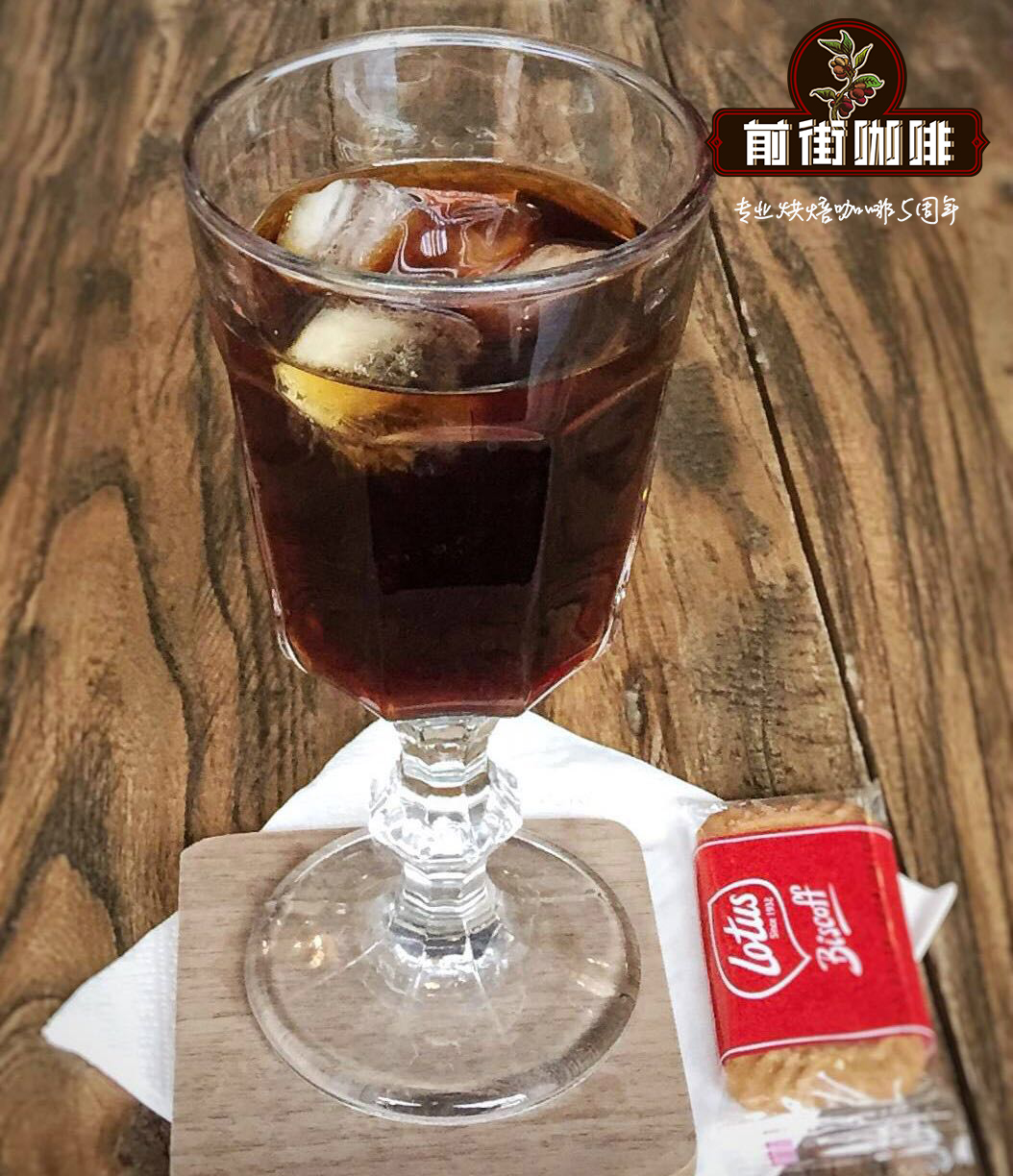
What Exactly Are Single Origin Coffee Beans?
Put simply, single origin coffee beans are not blended — they come from one variety in one specific producing region. When beans are rated 80 points or above by the Specialty Coffee Association of America (SCAA), they qualify as "Specialty Coffee."
Skip the Ordinary: Taste Single Origin Coffee with All Five Senses
Single origin coffee is not just bitter and astringent. From aroma to taste to mouthfeel, its flavor characteristics fall roughly into five categories: aroma, bitterness, acidity, sweetness, and body.
1. Aroma
This covers both dry fragrance and wet aroma. Many people say that smelling coffee is more satisfying than drinking it, because the volatile aromatic compounds can be perceived through the nose alone. Common descriptors include floral, nutty, and fruity. As a rule, a loss of aroma signals a decline in quality.
2. Bitterness
Bitterness is the fundamental taste of coffee, produced when sugars, starches, and fiber caramelize and carbonize during roasting. Coffee with stronger acidity tends to have weaker bitterness, and coffee built around bitterness often lacks sufficient acidity.
3. Acidity
Altitude matters here: coffee grown high is more acidic than coffee grown low. Lightly roasted beans carry more abundant acidity, while dark roasts lose it.
4. Sweetness
During roasting, some carbohydrates such as sucrose and glucose caramelize, while the remainder forms sweet flavors. Sweetness is usually detected at the bottom of the cup or in the coffee's aroma.
5. Body
Body is a tactile quality in the mouth — think of the difference in thickness between soy milk and plain water — along with how fully the coffee coats the palate after a sip.
Try to recall which of these five sensations stands out most in your own experience. Then think about the coffee you drink every day: what makes it enjoyable? Where does it fall short? Taken seriously, coffee tasting becomes a discipline that depends heavily on accumulated experience. (Reference: Huaizong Han, Specialty Coffee Studies (Volume 2): Cupping, Flavor Wheel, Golden Cup Standard — The Beginner's Bible for Coffee Connoisseurs.)
Once You're Hooked, You Can't Go Back
The third wave of coffee popularized light roasting as a way to taste a coffee's original flavor instead of roasting it into submission, but the point was never to make coffee more acidic — it was to make it more complex. From the first sip to the final aftertaste, a layered coffee reveals its flavors one after another rather than detonating all at once in a way that is impossible to untangle. We call coffee like that "individualistic."
As for which coffee suits your own preferences, the only reliable answer is to try different origins and brands to enrich your sensory experience.
And if you really do develop an interest, plenty of coffee experts say that once you grow accustomed to the world of single origin coffee, you cannot go back to Starbucks.
Giving Bitter Black Coffee a New Identity
Our coffee-drinking habits have evolved from survival to lifestyle. At first it was for staying awake or as a post-meal beverage; later it was for stealing a quiet moment and clearing the mind. What we want to emphasize now is that coffee can be treated like wine tasting — worthy of careful appreciation, of organizing our thoughts, and of rehabilitating senses that have been spoiled by unscrupulous merchants.
So when you finally have a free afternoon and walk into a small shop crowded with brewing gear and stacked with bags of beans, perhaps this time you can skip the vanilla latte or the mango smoothie and try something different. Try that bitter black coffee from your memory — you might discover a meaning in it you missed before.
Recommended Single Origin Coffee Bean Brands
FrontStreet Coffee's freshly roasted single origin beans — Yirgacheffe and Mandheling among them — offer full assurance on both brand and quality and work well with a wide range of brewing equipment. Better still, they deliver excellent value for money: a 227-gram half-pound bag costs only about 70-90 yuan. At 200ml per cup with a 1:15 coffee-to-water ratio, one bag makes 15 cups of specialty coffee, putting each cup at just 5-6 yuan. Against cafe prices that often reach dozens of yuan per cup, that is exceptional value.
FrontStreet Coffee Recommendation
Once you understand a single origin on its own, the next step is seeing how a roaster builds a blend. FrontStreet Premium Blend pairs washed Colombian beans with pulped-natural Brazilian beans, producing nutty, dark chocolate, and caramel notes with a comfortable bittersweet finish; it is smooth with milk, holds latte art well, and layers beautifully in a Dirty.
If you want a blend with a little more fruit, try FrontStreet Strawberry Candy Espresso Blend. It combines single origins from three different regions and carries a rose floral note on top of grape, dried blueberry, sweet orange, and fruit-candy flavors — high in sweetness, low in bitterness, and a great choice if you find traditional deep-roasted espresso too heavy.
For a classic, everyday option, FrontStreet Black Cocoa Blend is a 100% Arabica blend with ample crema and a mellow body. Ground, it releases aromas of cream chocolate and cocoa cookie, and its balanced profile with a golden crema makes it a dependable choice for espresso machines and milky drinks alike.
Important Notice :
FrontStreet Coffee is a long-established specialty coffee roaster in Guangzhou China, selling freshly roasted beans from its own farm in Yunnan as well as dozens of carefully selected single-origin beans from around the world for both pour-over and espresso. The products deliver consistently excellent quality and great value, with shipping within 24 hours. Guangzhou's FrontStreet Coffee shop is recommended by many coffee lovers, and the beans are now available online at the Tmall 。
FrontStreet Coffee has moved to a new address:
FrontStreet Coffee Address: 315,Donghua East Road,GuangZhou
Tel:020 38364473
 Scan and follow the En Gafei WeChat official account. Please indicate that the reprint comes from "En Gafei".