El Salvador Coffee | Starbucks Coffee Prices | Starbucks Coffee Varieties | Starbucks Single-Origin Coffee
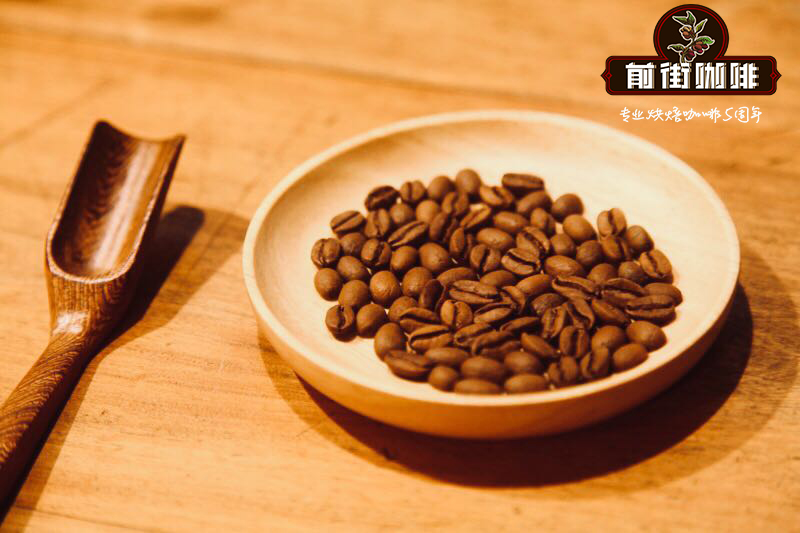
El Salvador
El Salvador lies in northern Central America, sharing part of the Sierra Madre de Chiapas range with Guatemala. Its southern border meets the Pacific Ocean and is lined with more than 20 volcanoes.
El Salvador has high-altitude slopes rich in volcanic minerals, the Pacific supplies an adequate rainy season, and dry air blows in from the Honduran mountains along the eastern border — exceptionally ideal conditions for coffee cultivation.
In terms of variety distribution, 68% of El Salvador's coffee is Bourbon, 29% is Pacas — a Bourbon variant with a similar flavor — and the remaining 3% covers many varieties including Pacamara and Caturra.
Coffee is graded by growing altitude: 600-900 meters is Standard, 900-1200 meters is High Standard, and above 1200 meters is Strictly High Grown (SHG).
Monte Carlo Estate
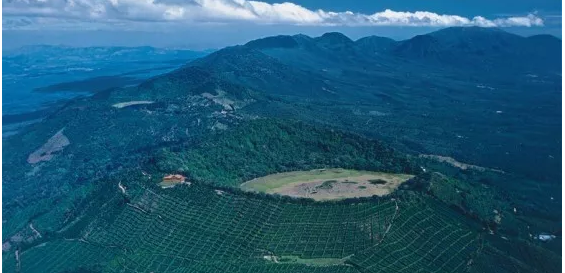
Monte Carlo is a spectacular estate that wraps around a long-dormant volcano, La Nimfa.
The owner is Don Carlos Batres, who has grown coffee for more than 30 years. He lives and farms on the slopes of the Monte Carlo volcano, a private volcano in El Salvador's Apaneca region.
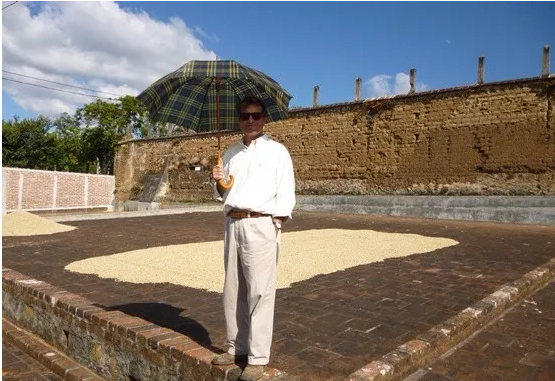
Monte Carlo covers more than 688 hectares around the volcano and grows many varieties, including Catuai, Caturra, Bourbon, and Pacamara. Of that, 340 hectares are set aside as protected forest, and the landscape gives the coffee trees excellent growing conditions: a misty microclimate year-round, high altitude, and nutrient-rich volcanic soil. Shade-grown coffee trees are planted in rows on the slopes all the way to the volcano's edge.
Ripe cherries are hand-picked and processed with traditional family methods passed down since 1870. The beans are washed three times in clear spring water and then dried 100% in the sun on clay courtyards, where cool daytime temperatures and warmth at night slow the drying to 15 days. That small secret is what creates the coffee's bright, pleasantly exciting flavor.
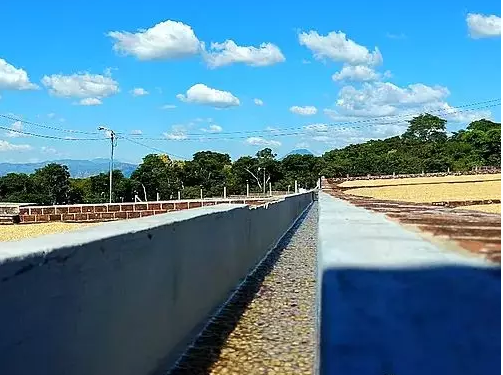
The processing facility uses a distinctive water-gravity channel system to move beans to each of its 60 drying courtyards.
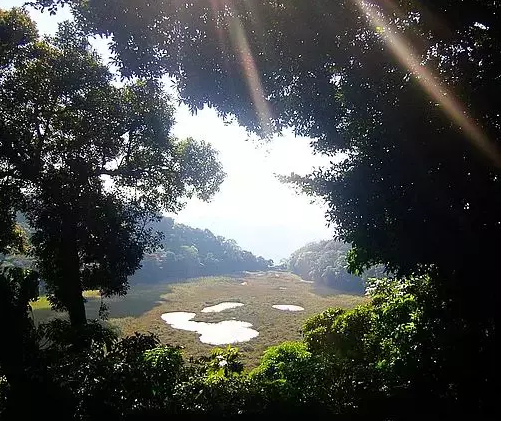
Coffee Bean Information
Region: Latin America · El Salvador · Ahuachapán · Apaneca
Processing Method: Traditional washed
Variety: Caturra
Altitude: 1000-1800 meters
Estate Workers: 600 people (peak harvest season)
Soil: Mineral-rich black volcanic sandy soil
Acidity: Medium Body: Medium
Description: Bright citrus with black chocolate and black walnut flavor notes.
This coffee also has a long history in Starbucks Reserve. In 2011, Starbucks Reserve held a tasting banquet at the Ginza MARRONNIER Street store in Japan.
Brewing Guide
This Reserve coffee suits many brewing methods.
Preparation: 30g ground coffee (standard Ditting 6#–7#), 500g Voss pure water at 92°C (store water also works), a siphon stirrer, an electronic scale, a V60 dripper, and filter paper.
For an 8-cup French press, add filter paper to the lowest layer of the filter mesh and to the adjacent layer; the paper should be 1 centimeter larger than the largest layer of the mesh. Classic hand-drip filter paper can be cut as shown in the picture.
French Press Method
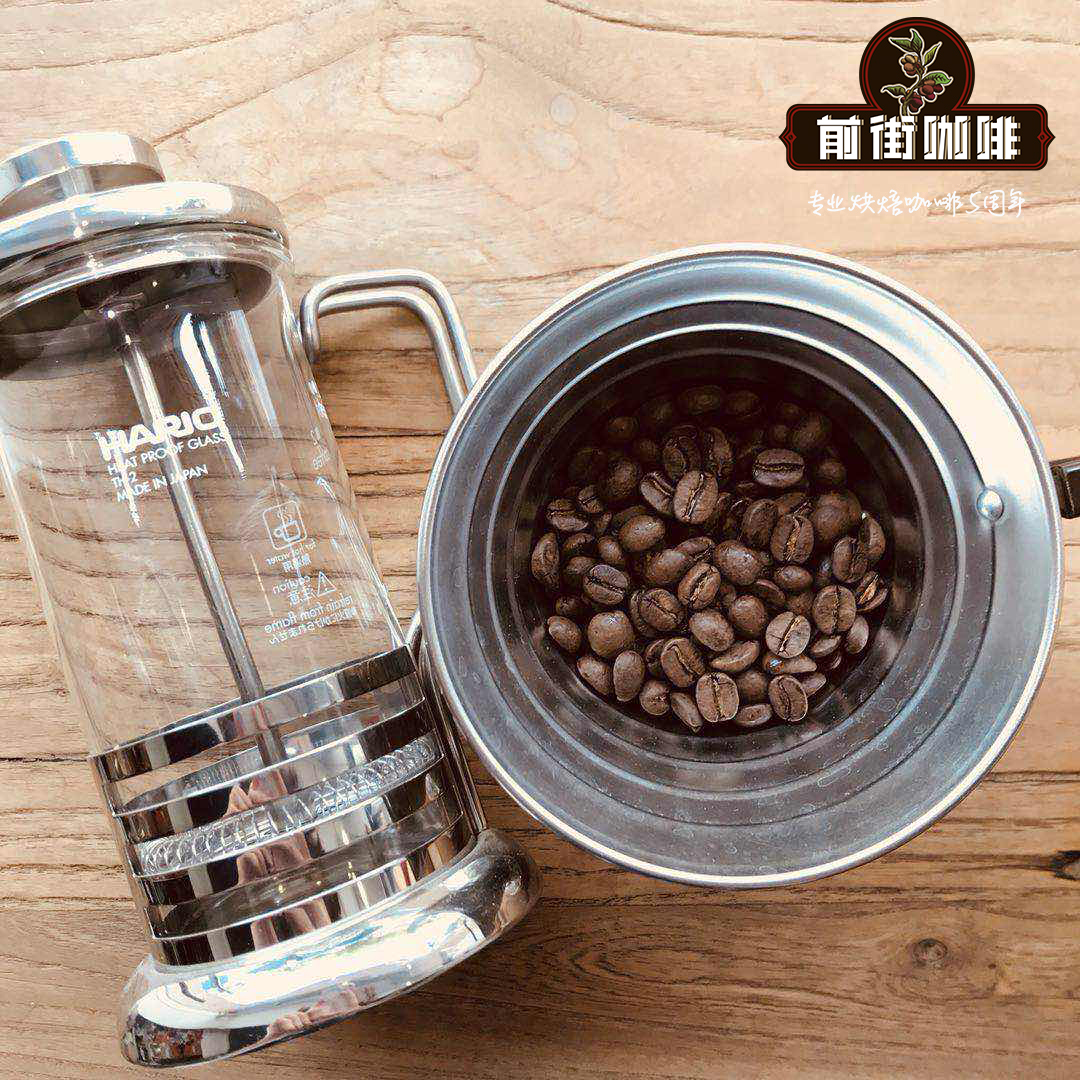
Using an 8-cup French press, first add 420g of 92°C water, then add 30g of coffee grounds, and stir for 4 circles. The coffee-to-water ratio is 1:14, with an infusion time of 2 minutes.
After 2 minutes, stir another 4 circles to enhance sweetness during the mid-extraction phase.
After 40 seconds, press down evenly at a constant speed using the filter mesh with the added filter paper.
After pressing, perform a second filtration through a #02 V60. The large funnel design of the #02 V60 lets the coffee flow down faster, preventing the over-extraction that fine particles would cause on a second pass. The filtration time should be kept within 2 minutes.
Total brewing time is 5 minutes and 30 seconds.
Description: Bright citrus acidity, bitter black chocolate, smooth mouthfeel, with distinct black walnut flavors.
2. Japanese Matsuya Style Brewing
20g at Ditting setting 6, water temperature 92°C, and do not wet the filter paper. After adding the coffee grounds, inject 50g of water in a fine, even circular stream. When finished, cover with a lid (if none is available, use the grounds receiver cup as shown). Steam for 3 minutes, then inject the remaining 50g of water in a fine circular stream. Once extraction is complete, add 70–90g of hot water to dilute and enjoy.
Description: Softer citrus acidity, black walnut and black chocolate flavors, with noticeable sweetness and a persistent aftertaste.
3. Six-cup Chemex (Iced)
40g of coffee grounds. After wetting the filter paper, remove it. Use a small amount of ice to cool the bottom of the dripper, pour out the cooling ice, then add 320g of ice. Install the filter paper, pour in the coffee grounds, and steam with 80g of water (steaming time starts from water injection, 31s). Second injection to 240g, wait 30s, third injection to 320g, with total time cut off at 2 minutes 05 seconds. Shake the Chemex before serving.
Description: Bright citrus acidity, distinct black walnut flavors, with a good black chocolate aftertaste.
FrontStreet Coffee Recommendation
Central America's honey processing is a specialty of the region, and FrontStreet's Costa Rica Blackberry shows it well. The beans are given a black-honey process, in which mucilage stays on the bean through drying, producing deep sweetness and clear layered flavor. In the cup you get the sweetness of raisins and blueberry along with osmanthus and rose aromas, and the coffee stands up across pour-over, cold brew, Americano, and latte.
Another strong expression of the same honey-process tradition is FrontStreet's Mozart, made with a raisin-honey process. Like the Blackberry, it highlights the sweet, clean character that Costa Rican honey-processed coffees are known for, making it an easy bean for pour-over and iced coffee.
If you want a lighter, more floral Central American cup, FrontStreet's Panama Boquete Geisha is a fine choice. It comes from Panama's most representative specialty region with sound variety genetics and washed processing, so the variety's classic orange-blossom honey character comes through clearly — delicate fruit acidity over an oolong-tea body, with clean, distinct layers and high value.
Important Notice :
FrontStreet Coffee is a long-established specialty coffee roaster in Guangzhou China, selling freshly roasted beans from its own farm in Yunnan as well as dozens of carefully selected single-origin beans from around the world for both pour-over and espresso. The products deliver consistently excellent quality and great value, with shipping within 24 hours. Guangzhou's FrontStreet Coffee shop is recommended by many coffee lovers, and the beans are now available online at the Tmall 。
FrontStreet Coffee has moved to a new address:
FrontStreet Coffee Address: 315,Donghua East Road,GuangZhou
Tel:020 38364473
 Scan and follow the En Gafei WeChat official account. Please indicate that the reprint comes from "En Gafei".