Brazilian Coffee | Starbucks Coffee Varieties | Starbucks Single-Origin Coffee
Estate Information
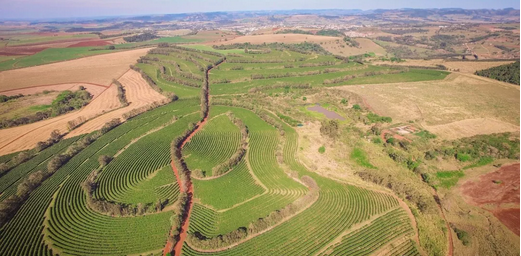
California Farm has a history spanning more than a century and sits in the subtropical Norte Pioneiro do Paraná region of Brazil, next to southern Brazil.
Norte Pioneiro do Paraná lies within Brazil's specialty coffee production zone. It falls inside the "coffee belt" near the Tropic of Capricorn, with characteristics its northern neighbors Minas Gerais and São Paulo do not share.
By integrating specialty coffee from the "Paraná Northern Pioneer" project, California Farm successfully entered the specialty coffee sector.
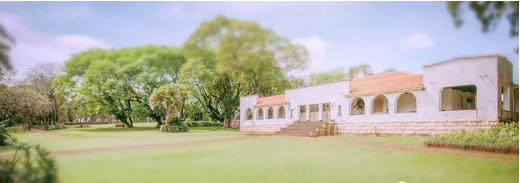
In 1920 an American company named Leon & Israel acquired this land. The professional management the American owners brought to Brazil helped Brazilian coffee win worldwide renown among coffee buyers from the 1940s through the 1980s.
During that period, a film titled "Sweet Bread" was shot at California Farm.
In 2004 the Saldanha Rodrigues family acquired the farm.
A visionary entrepreneur, Dr. Paul Cesar Saldanha Rodrigues always said, "You can always do better."
Initially lacking coffee experience and knowledge, Luiz Rodrigues leased part of the farm to sugarcane growers and put all the income toward a complete renovation of the coffee operation. In 2006 he began planting coffee. By 2008 his work had produced 200 hectares of specially managed plantings of Mondo Novo, Yellow Catuai, and Obatã, alongside a focus on professional management and sustainable coffee production.
Social and environmental sustainability are central to the farm's goals. Today, California Farm upholds the mission of "producing high-quality food for consumers, society, and the environment."
Coffee Production
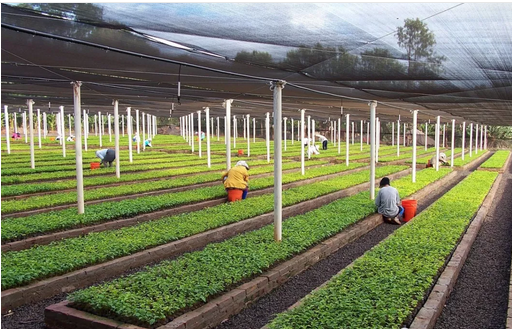
California Farm selects high-quality seeds from its partners at IAC (the Agricultural Research Institute of Campinas).
Two to three years after planting, following the first spring rains (August/September), the flowers give off a unique fragrance.
As if by magic, the white flowers turn into solid green fruitlets that can develop into red or yellow coffee cherries. The harvest begins in autumn (April/May) with the ripening of the first cherries and can continue until the following spring (August/September).
Keeping specialty coffee production consistent means combining nutritional planning, pest and disease management, and soil protection. To that end, California Farm's sustainable production system covers all of it, turning the coffee plantation into a place surrounded by nature and human development.
This production system envisions:
- The coffee plantation as part of an ecological-social system;
- Compliance with good agricultural practices throughout the entire cycle;
- Increased organic matter content in soil and reduced use of fertilizers, herbicides, and pesticides;
- Improved water usage throughout the process;
- Use of IRDS (Integrated Recommendation and Diagnosis System) to ensure flower fertilization and plant nutrition;
- Use of compounds in nutritional planning;
- Use of IPMD (Integrated Pest Management and Disease) because of increased "natural enemies" - organisms like birds and spiders that help control pests and diseases - thereby reducing pesticide use;
- Use of rows of windbreak trees to reduce agricultural impact and assist the IPMD program;
- Use of Brachiaria (a type of grass) to promote ground cover year-round and prevent erosion. This technology works hand in hand with everything above, since it reduces herbicide use, improves water-use efficiency, and increases organic matter in the soil.
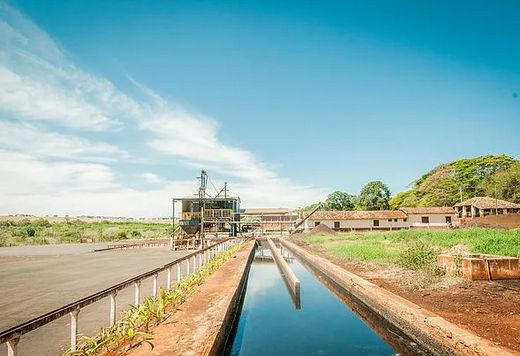
At California Farm, harvesting the cherries is treated as an extremely important step that shapes how the coffee's flavor is expressed.
So during harvest, employees follow these procedures:
- Specific training for harvesting operations (all farm employees receive hygiene-habit and harvesting training before coffee harvest begins each year);
- Placing coffee on polypropylene cloth, or mechanical harvesting, to avoid contact with soil;
- Using selective harvesting across two or three rounds, by hand or machine, to reach as close to 100% picking as possible;
- Transporting, receiving, and processing (wet milling) the harvested crop as quickly as possible to avoid chemical and biological reactions that lower quality;
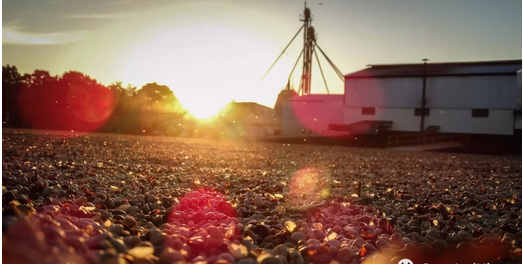
The post-harvest stages of the cherries are divided into soaking, drying, storage, and drying.
Every process is accompanied by professional teams, so each batch receives different, specific management tailored to its particularity, in order to determine and identify each coffee's inherent sensory attributes.
Social and Environmental Responsibility
California Farm's most important asset is its people. So it matters greatly that employees and their families receive help with education, medical support, housing, and transportation.
Through cooperation with the Jacarezinho municipal government, it's possible to offer evening literacy classes and high-school programs for employees. This social project, named "Children of Coffee," has helped the farm's children attend school since 2007 and is a source of pride and motivation for the staff.
The project has around 40 members each year, providing daily tutoring plus religious teaching and music classes on Saturdays. In 2011 the San Francisco choir was established. Children also learn civility and environmental education, acting as "junior agents" who promote sustainability in daily life and in the local community.
Recognizing its potential for community transformation, California Farm often welcomes visitors who want to understand its history, technology, and production systems. These visitors help spread the idea of truly sustainable agricultural production, creating a better world for present and future generations.
The environmental management program aims to guide the farm's actions in full compliance with Brazilian environmental legislation. Coordinating high-quality food production with environmental protection reflects a commitment to quality of life for current and future generations - the farm's commitment to humanity.
Selected Brazil · California Farm Coffee Bean Information
- Origin: Brazil · Norte Pioneiro do Paraná
- Altitude: 1100 meters
- Variety: Obata (a hybrid variety from Peru and Southeast Asia)
- Processing Method: Washed
- Acidity: Low | Body: Medium
- Description: Flavors of caramel and chocolate, accompanied by nutty aftertaste
Brewing Guide
This is a highly versatile bean that gives excellent results across brewing methods.
1. Six-cup Chemex (Iced)
45g coffee. Rinse the filter paper and remove it, use a small amount of ice to cool the bottom of the filter, then pour out that cooling ice. Add 380g ice, insert the filter paper, add the coffee grounds, and bloom with 90g of water (count 31s from first water contact). Second pour to 270g, wait 30s, third pour to 340g, total time 2 minutes and cut off. Shake the Chemex before serving.
Description: Slight acidity, prominent caramel sweetness, long-lasting chocolate and nutty aftertaste.
2. Kalita Wave (Flat Bottom)
20g coffee, Ditting setting 6 grind, water-to-coffee ratio 15:1, first pour 50g, bloom 15s, second pour 250g. Pouring method: draw circles from the center outward, and when you reach 3mm from the filter paper edge, circle back to the center.
Description: Soft, slight acidity, prominent caramel sweetness, full body, chocolate and nuts, persistent aftertaste.
FrontStreet Coffee Recommendation
To taste the classic Brazilian profile, FrontStreet Brazil Cerrado Red Bourbon is a great starting point. Cerrado is a well-known growing region prized for high-quality beans, and this single origin is the region's common Red Bourbon, medium-roasted to a rich aroma of cream, peanut, toasted bread, caramel, and hazelnut. It is round and smooth, low in acidity with a faint bitterness, and works as pour-over, moka pot, espresso SOE, siphon, or French press.
For a rarer, cleaner fruit character, try FrontStreet Brazil Queen Estate Yellow Bourbon, from Mogiana near South Minas. The area's fertile red volcanic soil feeds the fruit, and the estate grows the uncommon Yellow Bourbon - a natural mutation of Red Bourbon - for a cleaner fruit note and the sugarcane sweetness other regions can't match, along with fruit and chocolate. Pour-over, moka pot, and home espresso machine all do it justice.
And if you're building espresso, Brazil is the backbone of many blends. FrontStreet's espresso-blend lineup - Classic Blend, Specialty Blend, and Black Cocoa Blend - all include Brazilian coffee, which contributes chocolate and cream aromatics plus a soft sweet-sour-bitter balance that keeps extraction stable.
Important Notice :
FrontStreet Coffee is a long-established specialty coffee roaster in Guangzhou China, selling freshly roasted beans from its own farm in Yunnan as well as dozens of carefully selected single-origin beans from around the world for both pour-over and espresso. The products deliver consistently excellent quality and great value, with shipping within 24 hours. Guangzhou's FrontStreet Coffee shop is recommended by many coffee lovers, and the beans are now available online at the Tmall 。
FrontStreet Coffee has moved to a new address:
FrontStreet Coffee Address: 315,Donghua East Road,GuangZhou
Tel:020 38364473
 Scan and follow the En Gafei WeChat official account. Please indicate that the reprint comes from "En Gafei".