Flavor and Characteristics of Golden Mandheling Wet-Hulling - Detailed Steps of Mandheling Coffee Bean Wet-Hulling Process
Herbal, medicinal notes, a deep and lingering sweetness, and a solid, full-bodied mouthfeel—these are the signature aromas of Golden Mandheling coffee beans, and they are exactly why connoisseurs keep coming back to them. FrontStreet Coffee believes that Golden Mandheling owes its unique, complex flavor to two main factors: the contribution of variety and terroir, and—just as importantly—Indonesia's singular processing method, wet hulling.
The Birth of Wet Hulling
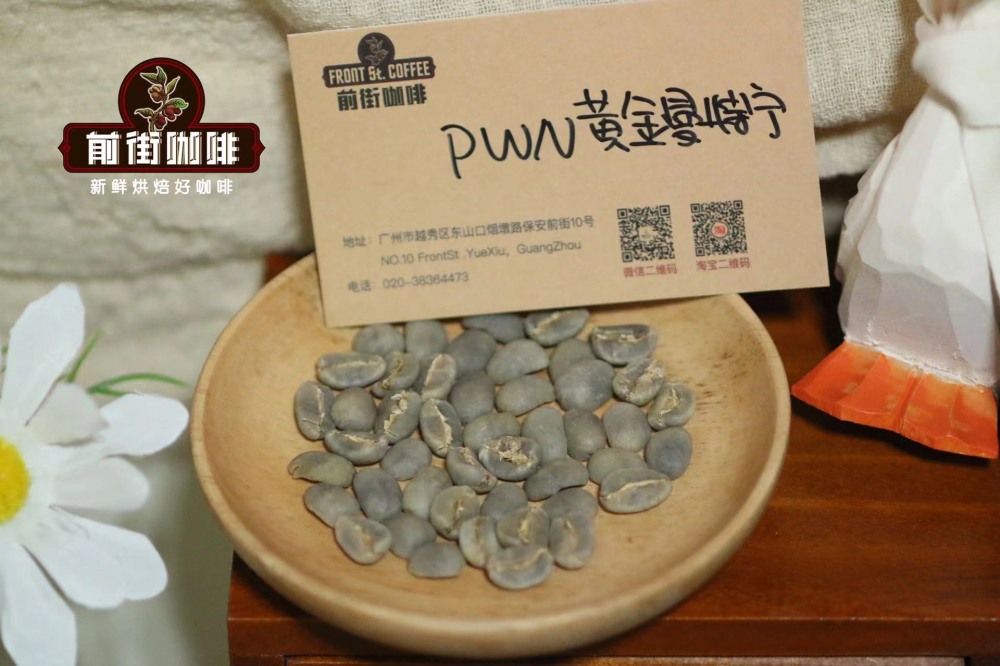
Indonesia has a tropical rainforest climate: hot, humid weather year-round and very high air humidity. Those damp conditions are hostile to drying coffee beans, since they encourage mold. Coffee farmers therefore had to shorten drying time while still getting the beans dry enough to store. The solution they devised was a processing method that sits somewhere between washed and natural—wet hulling.
Detailed Steps of Wet Hulling
Step 1: Remove the outer pulp of the coffee fruit, leaving the parchment and mucilage intact. Place the fruit in concrete boxes or plastic barrels to ferment overnight. This helps break down the mucilage so it is easier to remove.
Step 2: Wash the coffee fruit. The mucilage comes off during washing, leaving beans that are still wrapped only in parchment. Dry them in the sun for 2–3 days, until moisture content drops to 20–24%, so the beans become hard enough to be separated from the parchment.

Step 3: At 20–24% moisture content, the beans themselves are still soft and hold a good deal of water, while the parchment is only semi-dry. Sumatra's humid climate will not allow further drying, so machines are used to strip the parchment from the beans. Because the parchment is only half-dry, removal is never complete and some always remains. Every additional pass damages the beans, producing Sumatra's characteristic elephant beans. This is why many Mandheling green beans on the market show a certain inconsistency.
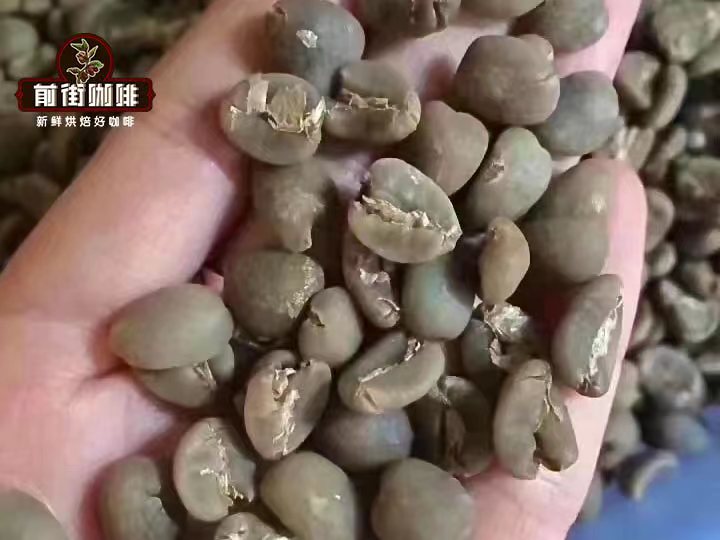
Step 4: Continue drying these unevenly hulled beans until moisture content falls to 12–13%. By day the beans sit in the sun; by night they are stored in burlap sacks, where residual moisture keeps the fermentation going. Once drying is finished, the beans are ready to be collected by buyers.
That completes the full wet-hulling process. Compared with other methods, wet hulling is a race against time, and its whole purpose is to keep drying to a minimum under very humid conditions.
Differences Between Golden Mandheling and Mandheling Coffee Beans
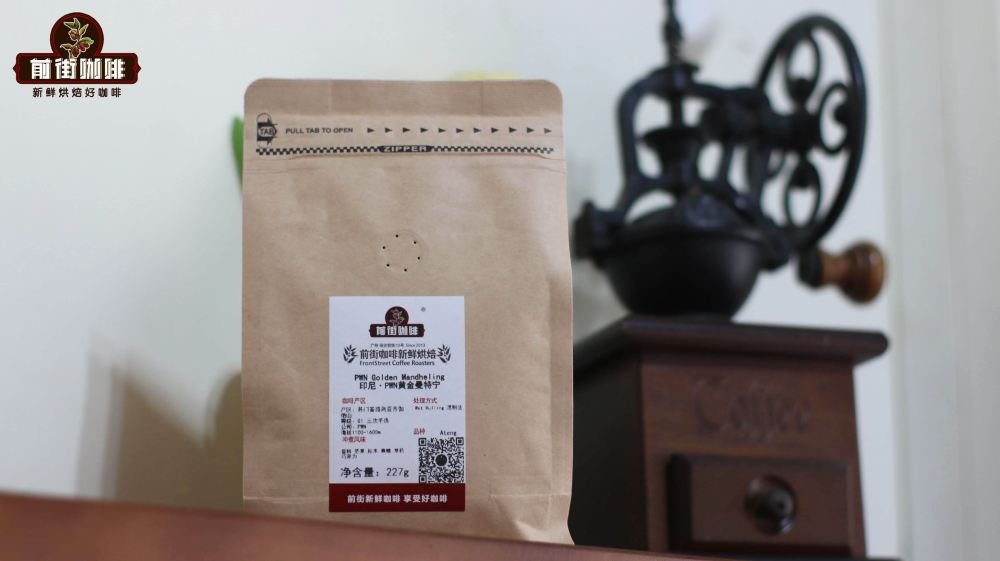
Mandheling refers to Arabica varieties grown on the Indonesian island of Sumatra, mostly Ateng or Timtim. Golden Mandheling, by contrast, is an exclusive product of Indonesia's renowned green bean company PWN (Pwani), which has also registered "Golden Mandheling" as a trademark.
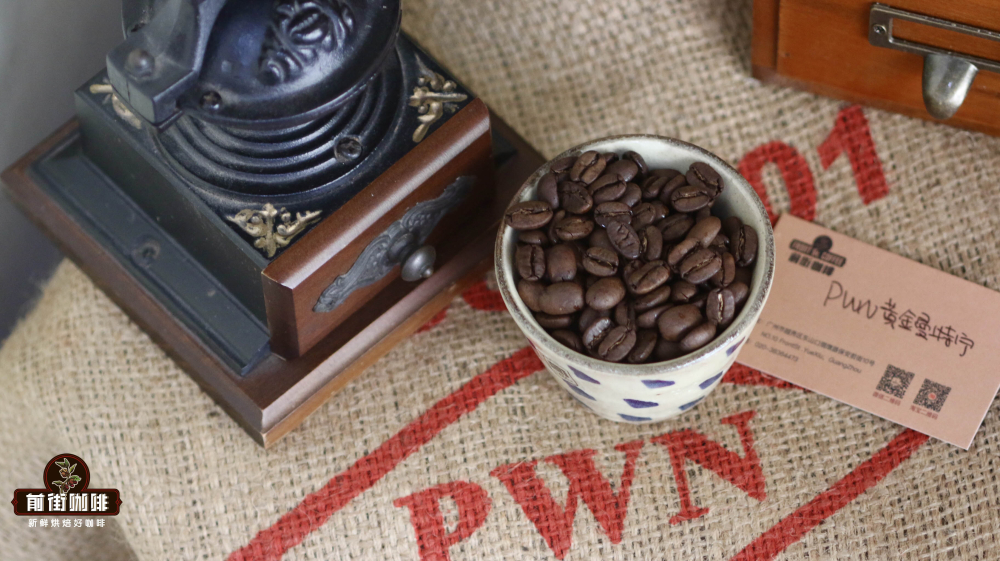
PWN's Mandheling is selected from Ateng varieties grown on Mount Gayo in the Aceh region of northern and central Sumatra. Ateng is a hybrid of Arabica and Robusta, so it carries both the fine flavor of Arabica and the strong disease resistance of Robusta.
After buying Mandheling green beans from the Gayo region, PWN performs three rounds of hand sorting to strict standards, ensuring that the beans are uniform in color, shape, and size. Every bean must be above 18 screen size, and a 300g sample may contain fewer than 3 defective beans—the company holds itself to exactly these requirements.
As a result, PWN's Golden Mandheling is the only coffee to earn the G1 grade, the highest for Indonesian green beans. PWN Golden Mandheling therefore tastes cleaner and more transparent, with more pronounced body and sweetness.
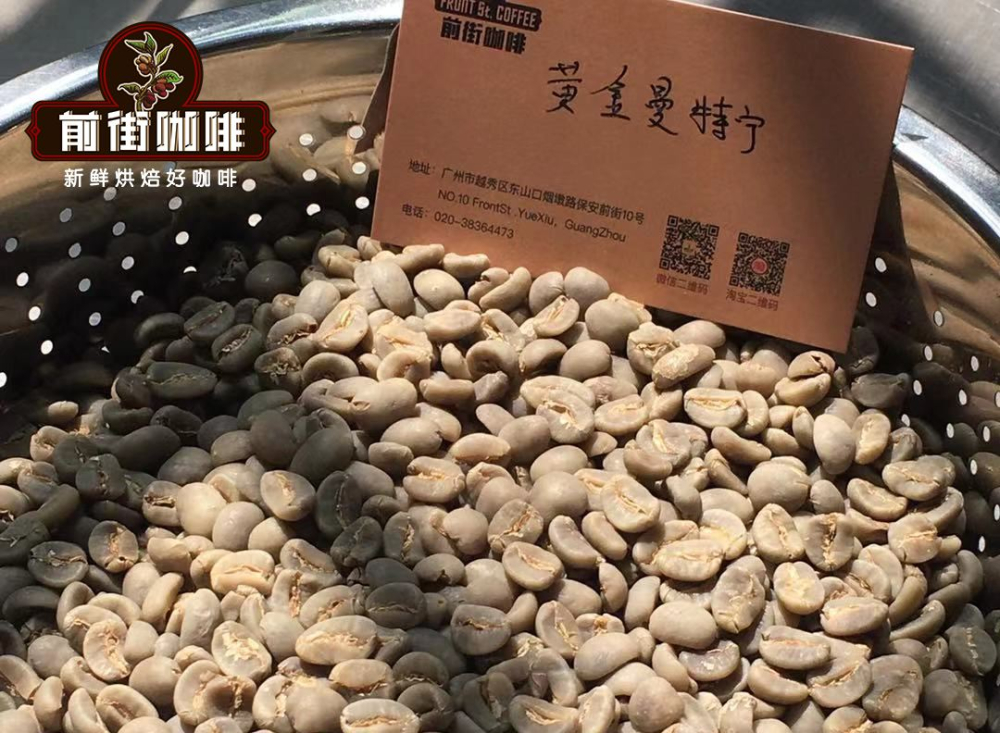
As PWN's Golden Mandheling grew famous, many "Golden Mandheling" products that are not "PWN Golden Mandheling" appeared on the market. When buying, consumers should therefore look for PWN's certificate and can ask the merchant to show it on request.
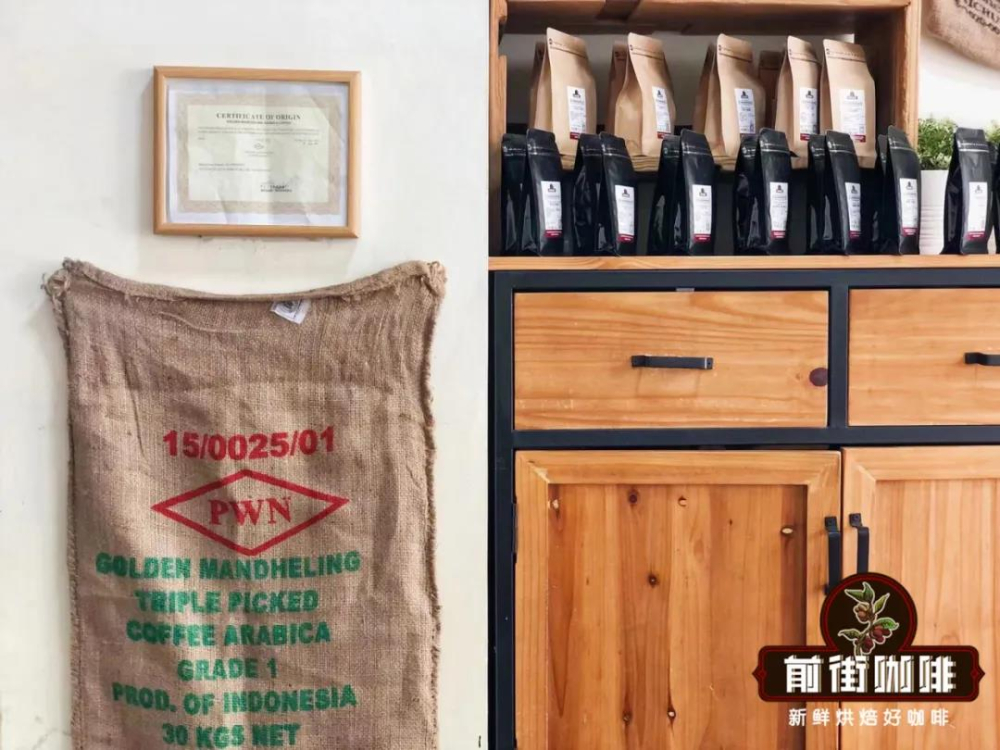
Every Golden Mandheling bean sold by FrontStreet Coffee comes from PWN. In FrontStreet Coffee's physical stores you can see the certificates issued by PWN and the burlap sacks of green beans bearing the PWN logo.
FrontStreet Coffee Recommendation
If the wet-hulled character described above is what you are after, FrontStreet Coffee's PWN Gold Mandheling is the place to start. It comes from PWN, is graded G1, and is produced under the same strict standard of three-plus rounds of hand sorting, giving it the uniform bean size and low defect rate that wet-hulling usually denies. In the cup it is layered, rich, and clean, with intense nut and caramel aromas, chocolate notes, and a long, persistent finish—the textbook Indonesian profile, medium-dark roasted so that the acidity stays low and the body stays thick.
For a more approachable everyday Mandheling, FrontStreet Coffee's Lintong Mandheling comes from the traditional Lake Toba growing area and is likewise medium-dark roasted, with caramel, dark chocolate, and toasted bread aromas and a spice-and-dark-chocolate entry. FrontStreet Coffee suggests brewing either one as a pour-over at 87–88°C with 15g of coffee at a 1:15 ratio and a coarse-sugar grind, using a three-stage pour of 30ml, 100ml, and 95ml to draw out the full body and caramel sweetness. If you would rather have Mandheling in milk drinks, the beans also shine in FrontStreet Coffee's classic blend, where medium-dark Mandheling adds body and the distinctive sandalwood, herbal, and spice notes to a base of Brazilian cream-and-nut flavor.
Important Notice :
FrontStreet Coffee is a long-established specialty coffee roaster in Guangzhou China, selling freshly roasted beans from its own farm in Yunnan as well as dozens of carefully selected single-origin beans from around the world for both pour-over and espresso. The products deliver consistently excellent quality and great value, with shipping within 24 hours. Guangzhou's FrontStreet Coffee shop is recommended by many coffee lovers, and the beans are now available online at the Tmall 。
FrontStreet Coffee has moved to a new address:
FrontStreet Coffee Address: 315,Donghua East Road,GuangZhou
Tel:020 38364473
 Scan and follow the En Gafei WeChat official account. Please indicate that the reprint comes from "En Gafei".