Which is Bitter: Americano or Latte? The Differences Between Latte and Americano Coffee, How to Drink Starbucks Americano
Americano vs Latte: A Tale of Two Coffee Cultures
Americano and latte are among the most commonly ordered coffees, yet few people realize that these two drinks represent the deep differences between the United States, a major coffee market, and Italy, a major coffee culture.
American Coffee Culture
The Americano, strictly speaking, was not born in America. Before espresso — extracted under high pressure and steam — spread across the United States, the most common way Americans brewed coffee was by dripping. The coffee machines familiar from American films, endlessly dripping away in small diners, are what Americans simply call "coffee."
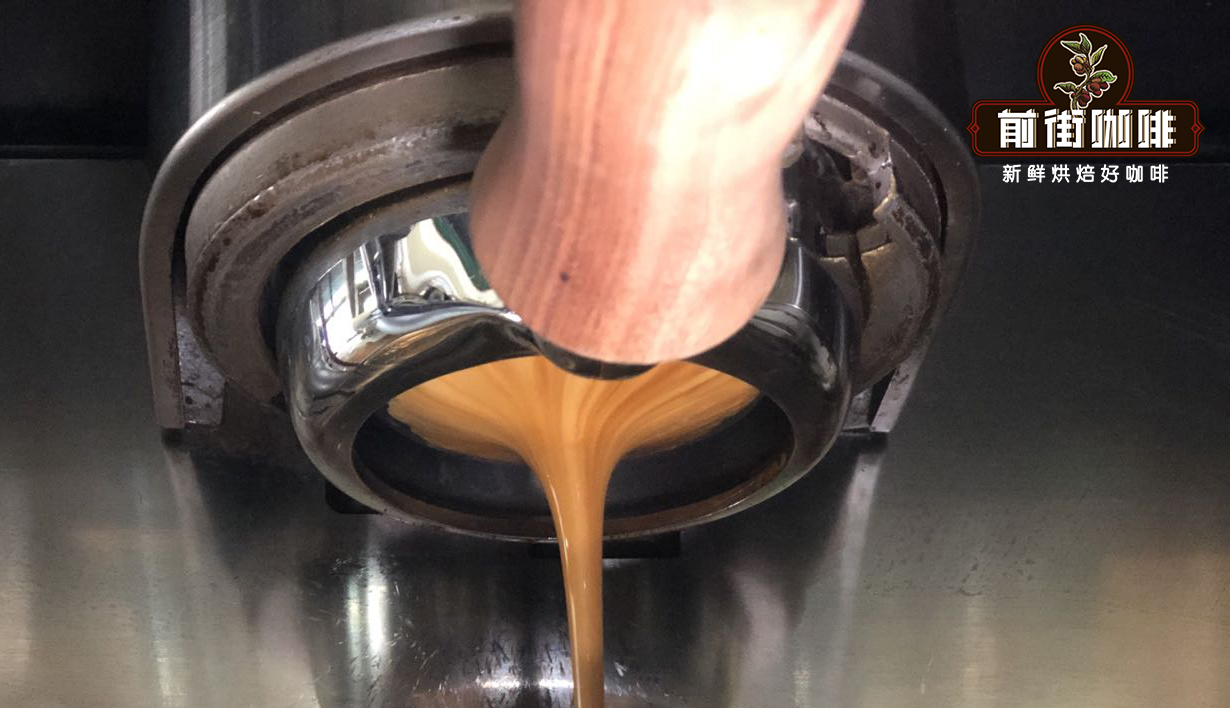
Americans lead hurried lives, and perhaps for that reason the country developed a fast-food culture — one in which convenient drip coffee came to dominate daily life. If the grounds are not changed regularly, drip coffee becomes thin and watery, which may be exactly why the drink made by diluting a single shot of espresso with a large amount of water came to be called an "Americano."
Still, drip coffee and that watered-down Americano are not identical. Because espresso extracts so quickly, it actually contains less caffeine than it seems; diluted further with plenty of water, an Americano ends up with even less caffeine than drip coffee. Contrary to popular belief, the caffeine concentration of espresso is not especially high.
Italian Coffee Heritage
The espresso machine is said to have been invented by Italians in the 19th century, but its popularity probably began only around the 1950s. After Starbucks rose to prominence, the company helped promote espresso worldwide, and Italian communities around the globe did the same. Curiously, although the espresso machine is an Italian invention, some Italians insist that coffee brewed from one is not quite authentic.
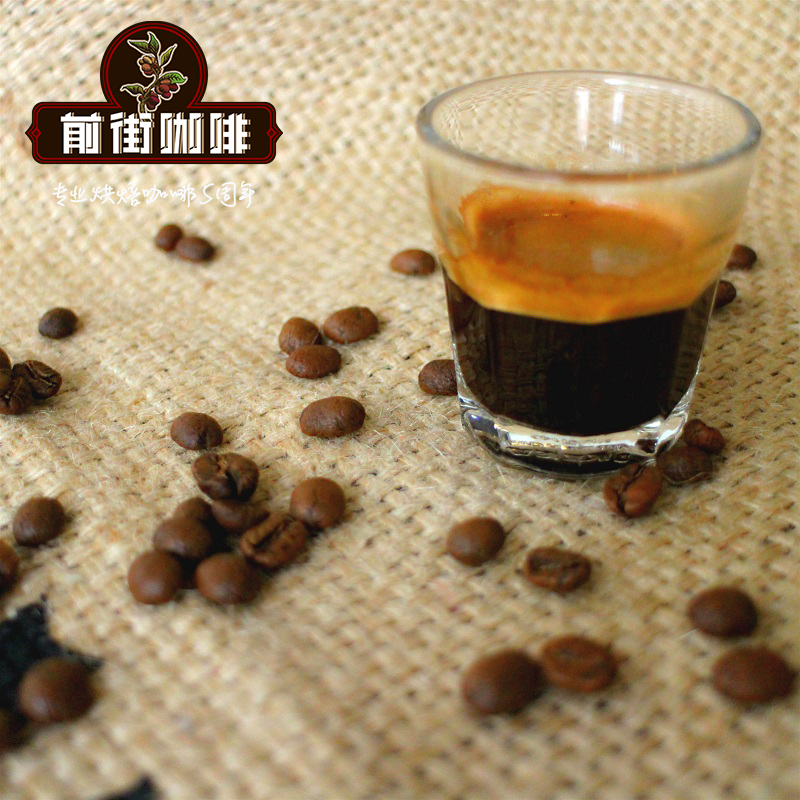
Italian coffee culture is not what most outsiders imagine, either. It is not the leisurely café-sitting style popularized by Starbucks; in fact, Italians mostly drink coffee the way Starbucks customers do only at breakfast. Italians have drunk coffee since childhood and are thoroughly accustomed to the strong, bitter, and acidic punch of concentrated espresso. They typically order a straight espresso at the bar and knock it back quickly, believing that the concentrated liquid loses its best flavor within a few dozen seconds. Many do add sugar or custard cream to soften the bitterness.
Understanding Latte
To Italians, a milk-heavy latte barely counts as coffee at all — it is closer to a beverage. The word "latte" literally means "milk" in Italian, so ordering a "Latte" in Italy will get you a glass of milk, not coffee. You need to say "Caffè Latte." Outside Italy, smooth lattes and cappuccinos are the more common choices, but for Italians who may drink more than 5 shots of espresso a day, "coffee" usually means espresso, plain and simple.
The Exception: Quality Matters
So is an Americano — or any espresso — nothing but bitterness? Not necessarily. An Americano built on FrontStreet Coffee's "Premium Blend" carries a gentle plum-like fragrance alongside chocolate and nut flavors — simply wonderful.
Caffè Latte Explained
In many countries, "caffè latte" is shortened to "Latte," but in Italian "latte" means milk, while "Caffè Latte" means coffee with steamed milk — order a "Latte" in Italy and you will get nothing but a glass of milk.
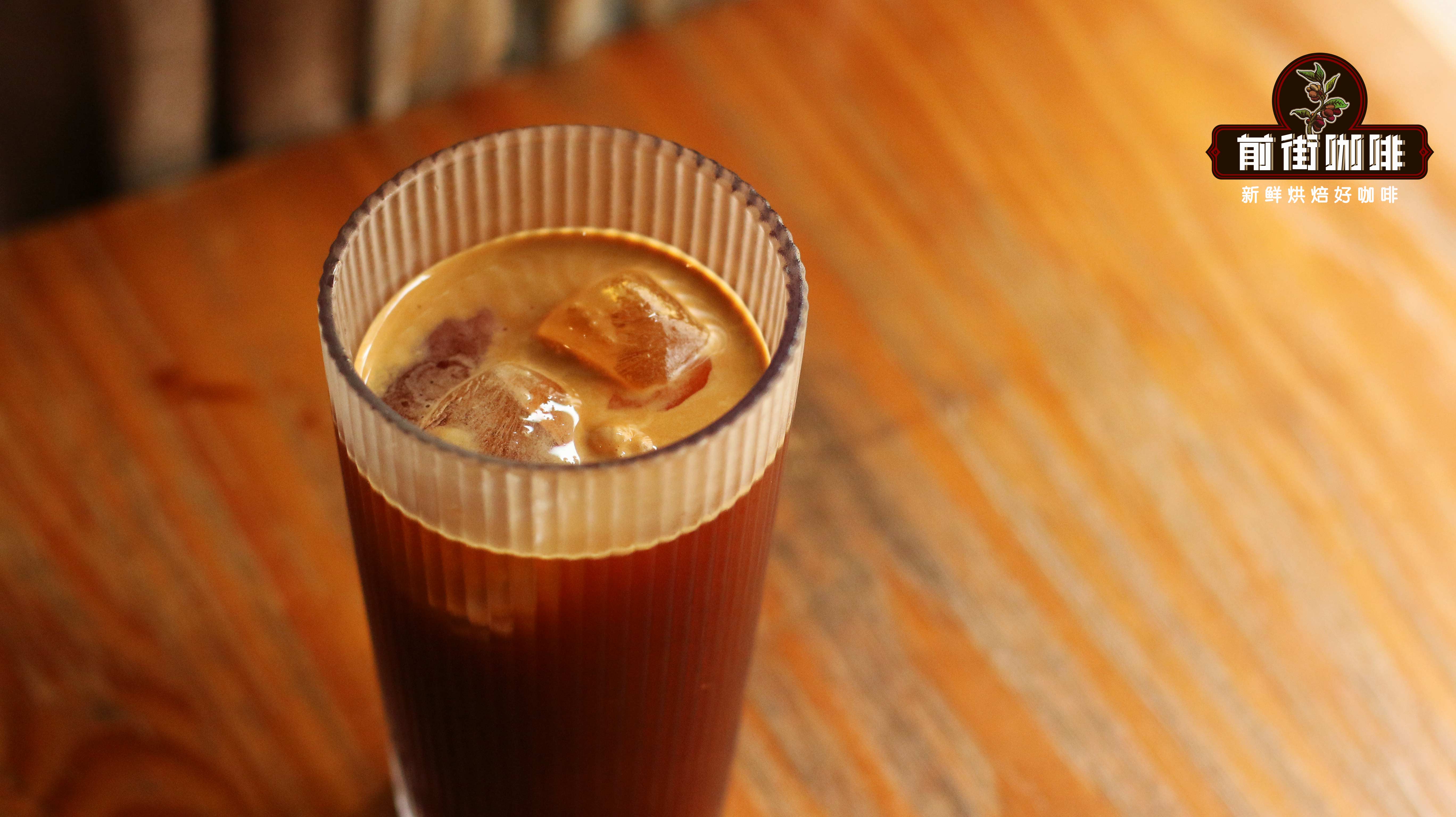
In a proper latte, steamed milk makes up the larger share, crowned with a thin layer of milk foam. Because so much fragrant milk is added, the coffee's bitterness and acidity are greatly softened, which is precisely why the latte has become such a popular drink.
Café au Lait ≠ Latte
The French word "lait" means the same as "latte" — milk. "Café au lait" is French for coffee with milk. Although no fixed ratio exists, café au lait resembles a caffè latte in that milk outweighs coffee; the biggest difference is the base. An Italian latte is built on espresso extracted under pressure, while café au lait is built on coffee brewed in a French press.
Preparation naturally varies from country to country: café au lait has no milk foam, while in most Italian-style lattes foam is not the point at all — that is cappuccino's specialty.
FrontStreet Coffee Recommendation
For lattes and other milk drinks, FrontStreet's espresso blends are purpose-built. The Classic Blend is the house first choice: a traditional Mandheling-and-Brazil recipe with exceptional crema, mellow and rounded on the palate, forgiving enough for beginners on modest home machines yet fully capable of commercial service. FrontStreet Coffee's Premium Blend — FrontStreet's longest-serving house blend — pairs Brazil Cerrado with Colombia Huila for the classic espresso character, showing almond and walnut nuttiness in milk. The 100% Arabica Dark Cocoa Blend keeps quality high and costs friendly, while FrontStreet Coffee's Commercial Blend, the workhorse of cafés long before the Dark Cocoa existed, trades a little crema for an attractive price without sacrificing taste.
If you prefer your milk coffee brewed rather than pulled, medium-dark single origins work best, since a touch of milk rounds out a deeper roast without smothering it: FrontStreet recommends the Brazil Queen Estate, the PWN Indonesia Golden Mandheling, or the Papua New Guinea Paradise Bird, all described by chocolate, nut, cream, and cocoa notes. Even cold brew takes milk beautifully — try the passion-fruit-toned Colombian Sidra, the rose-scented Strawberry Candy Geisha Blend, or the raisin-sweet Mozart, whose bright fruit character stays legible under a splash of milk.
Important Notice :
FrontStreet Coffee is a long-established specialty coffee roaster in Guangzhou China, selling freshly roasted beans from its own farm in Yunnan as well as dozens of carefully selected single-origin beans from around the world for both pour-over and espresso. The products deliver consistently excellent quality and great value, with shipping within 24 hours. Guangzhou's FrontStreet Coffee shop is recommended by many coffee lovers, and the beans are now available online at the Tmall 。
FrontStreet Coffee has moved to a new address:
FrontStreet Coffee Address: 315,Donghua East Road,GuangZhou
Tel:020 38364473
 Scan and follow the En Gafei WeChat official account. Please indicate that the reprint comes from "En Gafei".