Espresso vs Americano Coffee Machine: Which Coffee Beans Are Best for Americano and Our Recommendations
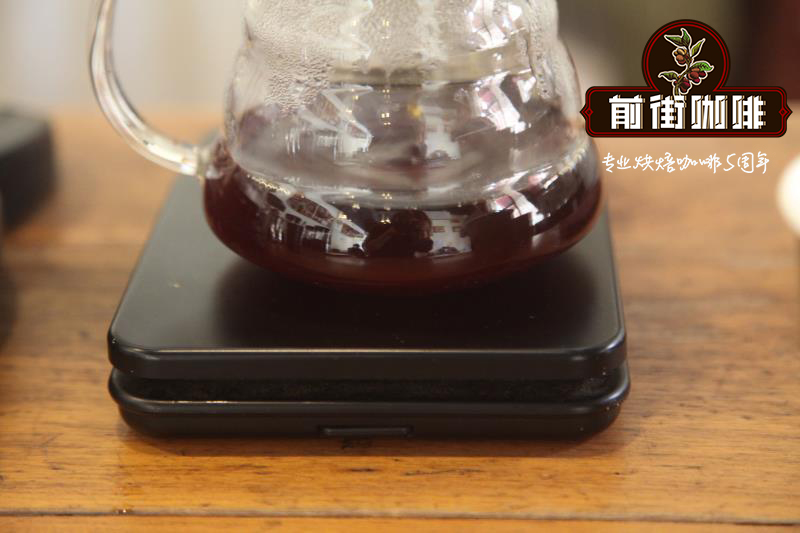
Americano Coffee Machines
Americano coffee machines typically consist of two layers. To use one, pre-ground coffee powder is placed in the upper funnel-shaped container, which is fitted with filter paper or a metal filter, while the lower layer is a glass or ceramic carafe. Cold water is poured into a separate compartment. When the machine is switched on, the cold water is heated to about 90 degrees Celsius and gradually released into the funnel-shaped container, letting the hot water pass through the coffee powder and flow into the carafe below.
Besides brewing coffee, this kind of machine can also be used to brew tea.
Americano: Atmospheric Pressure Extraction
Americano coffee is typically brewed in an American drip pot. Like an espresso machine, an American drip brewer works by passing hot water through a compartment of coffee powder to extract the coffee. The difference is that the hot water is at atmospheric pressure.
Espresso Coffee Machines
Espresso machines usually have a boiler that generates hot water. The water is pressurised to about 9 atmospheres and then flows through the metal filter holding the coffee powder to brew the coffee. Coffee brewed with pressurised hot water is richer than regular coffee and carries emulsified oils; this is what we commonly call espresso, or concentrated coffee.
There are many types of espresso machine. For general commercial use, the most common is the single boiler, followed by double boilers and multi-boilers, with prices rising accordingly. Besides ordinary electronic control switches, there are also lever-style espresso machines, each with its own distinctive features. Commercial machines range from 40,000-50,000 yuan to 400,000-500,000 yuan, with countless varieties available.
Espresso: High-Pressure Extraction
Espresso machines use high-pressure hot water passing through the coffee powder compartment to extract the coffee. Because modern espresso machines use air pumps to raise the pressure inside the boiler to the level needed to extract crema, they are also called pump coffee machines. Older espresso machines required a manually pushed lever to pressurise the boiler, and are also known as lever coffee machines. Today the value of lever coffee machines lies mainly in their aesthetic appeal, since they cannot match pump machines for convenience or flavour.
Other Differences
1. Americano coffee machines operate without pressure and can only produce black coffee, which is Americano. They cannot make other specialty coffee drinks.
2. Espresso machines operate with a certain amount of pressure and can use it to produce espresso with a thick crema. Some pure espresso shots can be paired with milk to make lattes, or with milk foam to make cappuccinos, as well as other specialty coffee drinks.
3. Price-wise, a good-quality Americano coffee machine can be found for around 200 yuan, while espresso machines range from 700 to over 100,000 yuan.
Historical Notes
PS: Americano coffee was born after World War II, when American soldiers came to Southern Europe. They could not drink espresso, so they diluted it with warm water. That was the only concentration they could accept, so people named it Americano coffee. So while you can make a proper Americano with an Americano coffee machine, it does not mean that coffee made with an espresso machine is not Americano. Americano has now become a type of coffee beverage, so you can also make a proper Americano with an espresso machine.
PS: In fact, the beans required for espresso and for Americano brewing are also different. Espresso calls for coffee beans with a finer grind and a darker roast, so that pressing produces a rich, mellow coffee; that is why commercial blends or espresso blends are usually the better choice. Americano uses an American drip machine, which extracts through hot-water drip filtration and better highlights the coffee beans' original flavour and aroma. Its grind is also coarser than that required for espresso. In that case we can choose single-origin specialty coffee beans to better experience the different regional characteristics.
FrontStreet Coffee Recommendation
Because an Americano is simply espresso diluted with water, the bean you choose matters even more than the machine, and FrontStreet's range is built to cover both ends of that decision. For beginners using a home machine, the FrontStreet Classic Blend is an easy starting point: an Indonesia Mandheling, Brazil red bourbon, and Vietnam washed recipe in the traditional Italian style, low in acidity and full in body, with herbal, woody depth alongside the balance and creamy texture of the Americas, and rich butter, nut, spice, and dark chocolate aromas. If value is the priority, the FrontStreet Dark Cocoa Basic Blend pairs Yunnan smallholder beans with Brazil Cerrado for a gentle, softly acidic Americano of nut, chocolate, and cream, with the ripe-plum brightness of Sanhua plum. When you want a fruitier Americano, the medium-roast FrontStreet Strawberry Candy espresso blend brings rose, grape, raisin, sweet orange, and fruit-candy notes with an almond finish, while the Ethiopia Hambella Huakui SOE delivers cream-strawberry, guava, mango, and black tea. Whichever you pick, both espresso blends and single-origin beans brew a clean, balanced Americano.
Important Notice :
FrontStreet Coffee is a long-established specialty coffee roaster in Guangzhou China, selling freshly roasted beans from its own farm in Yunnan as well as dozens of carefully selected single-origin beans from around the world for both pour-over and espresso. The products deliver consistently excellent quality and great value, with shipping within 24 hours. Guangzhou's FrontStreet Coffee shop is recommended by many coffee lovers, and the beans are now available online at the Tmall 。
FrontStreet Coffee has moved to a new address:
FrontStreet Coffee Address: 315,Donghua East Road,GuangZhou
Tel:020 38364473
 Scan and follow the En Gafei WeChat official account. Please indicate that the reprint comes from "En Gafei".