What is Indonesian Wet Hulling? What is Pulped Natural? What is Honey Processing?
Coffee Processing Methods: Understanding the Journey from Cherry to Bean

FrontStreet Coffee often explains in these articles that coffee processing refers to the transformation of coffee cherries into raw coffee beans (seeds). Broadly there are three routes: natural process, washed process, and the methods that sit between them — semi-washed (wet-hulling), Brazilian pulped natural, and honey process.
Natural Process: Bean Selection - Drying - Hulling - Sorting and Grading
Washed Process: Bean Selection - Pulp Removal - Fermentation - Washing - Drying - Hulling - Sorting and Grading
Wet-Hulling Process
Wet-hulling is very common in Indonesia, and it differs sharply from both washed and natural processing.
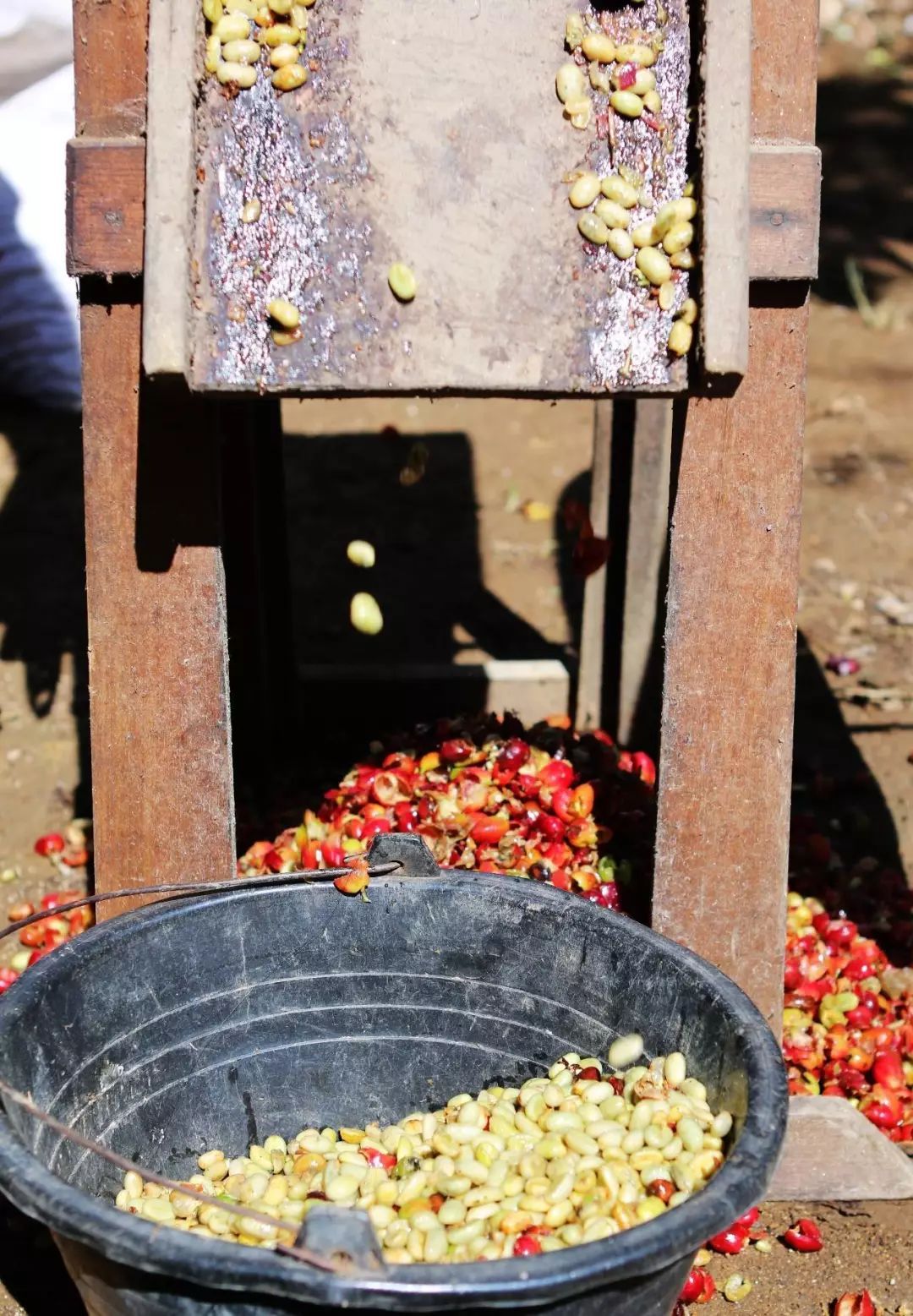
With washed, honey, or natural processed beans, the parchment is left on until the bean body dehydrates and hardens, with moisture dropping to 12%, or until the coffee has been sealed in storage for 1-3 months of maturation — only then is the parchment removed.
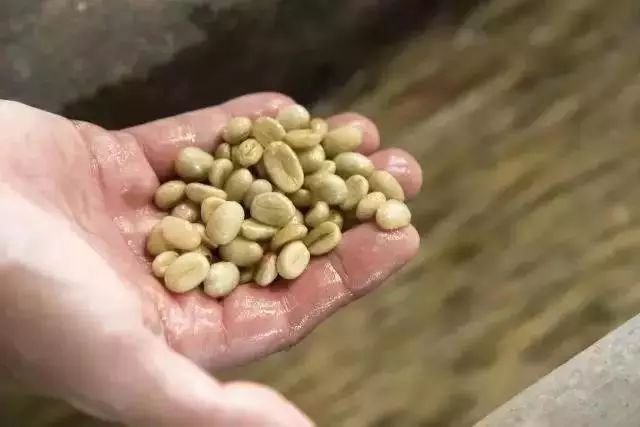
Wet-hulling strips the parchment while the beans are still moist and soft, at moisture content as high as 30-35%, exposing the green bean surface directly before drying continues. The method was developed to cope with the humid climate of Indonesia's Sumatra island, where speeding up drying is a matter of survival. Although drying is shortened, the beans' fermentation window shrinks as well, which cuts acidity dramatically while boosting body. And because the naked beans are exposed to humid air, herbal and woody flavors develop. After roasting, the coffee shows distinct caramel and fruit aromas — the unique "terroir" signature of Mandheling.

For example, this FrontStreet Coffee Golden Mandheling is wet-hulled and goes through three manual selections plus one mechanical selection, minimizing the defect rate so the beans taste both clean and pure.
FrontStreet's Golden Mandheling grows on slopes around 1,500 meters above sea level. The humid tropical rainforest climate brings abundant rainfall, and volcanic soil supplies nutrients — but the relentless humidity is exactly why wet-hulling is used to shorten drying. Brewed with 88-89°C water, sugar-sized particles, a Kono dripper, and a 1:15 coffee-to-water ratio, with a 30-second bloom followed by single-stage pouring, it delivers distinct dark chocolate and cream flavors with high clarity.

Pulped Natural
Natural processing is hard to keep consistent, while washed processing is thirsty work — averaging 10-20 tons of water per ton of cherries to yield roughly 200 kilograms of coffee beans, a cost that water-scarce producing countries simply cannot afford. In the 1990s, Brazil turned its dry climate to advantage and invented the pulped natural method.
After many refinements — the version most often cited is that of the late Dr. Ernesto Illy — pulped natural works like this: cherries are first screened in water tanks to skim off the defective floaters, then the skin, pulp, and part of the mucilage are removed, followed by one hour of washing. Because the soak and fermentation are so brief, the mucilage is not completely washed away and some clings to the parchment. The sticky parchment beans are then spread on drying patios — ideally well-ventilated African raised beds.
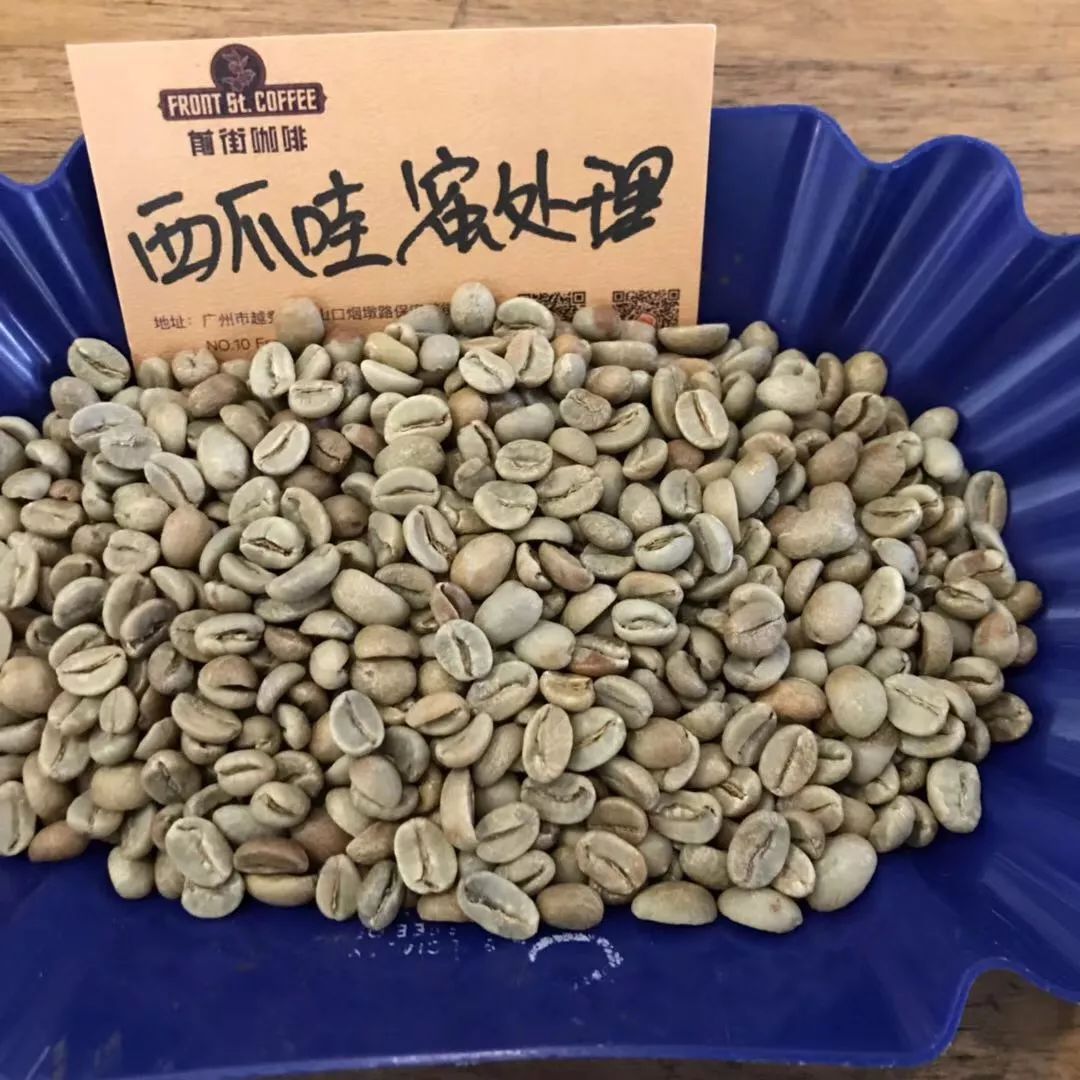
For example, this FrontStreet Coffee West Java Amenity Estate uses natural honey processing. Hand harvesting keeps fruit quality consistent. After the outer skin is removed, the beans are processed naturally with the pulp retained — also known as pulped natural. After roughly a month of natural drying, the beans are cleaned and finished, then rested about half a month before packaging. The whole point of the process is to build more complex, fuller flavors.

Honey Process
When Brazil's pulped natural method spread to Central American countries like Costa Rica and El Salvador, it was refined there and became known as honey processing.
Honey processing means sun-drying the beans with the mucilage still attached. After the outer pulp is removed, a layer of viscous, gelatinous substance remains on the bean — in traditional washed processing it would be rinsed away with clean water, but water scarcity in some high-altitude growing regions led to drying the beans directly with the mucilage on.
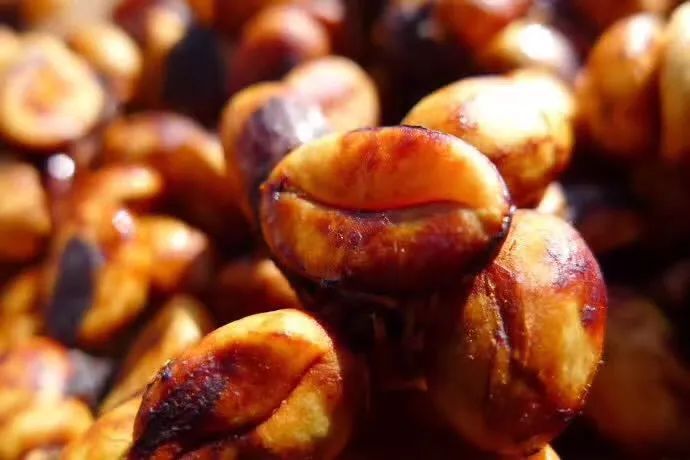
Honey processed coffee shows higher sweetness and sugar content than washed coffee, with relatively higher body (the premise: compared at the same roast level).
Depending on how much mucilage is removed, the sun-drying duration (or the drying thickness), and the frequency of turning during drying, honey processing is further divided into black honey, red honey, orange honey, yellow honey, and white honey.

By mucilage removal thickness:
Black Honey: Removes 80% of the mucilage (some estates remove almost none for black honey), making it the longest drying process at more than 14 days. To keep the beans from drying too fast, coverings block the excessive sunlight, allowing more complete sugar conversion.
Red Honey: Removes 25% of the mucilage (practices vary among estates), sun-dried about 12 days, again sometimes under shade covers.
Yellow Honey: Removes 40% of the mucilage and takes maximum sun, lasting about 8 days.
Some regions and estates instead distinguish by drying thickness and turning frequency. Yellow and white honey, for example, both retain 20-30% mucilage:
Yellow Honey: Thick-layer drying, fewer turns, longer drying time;
White Honey: Thin-layer drying, more turns, shorter drying time.
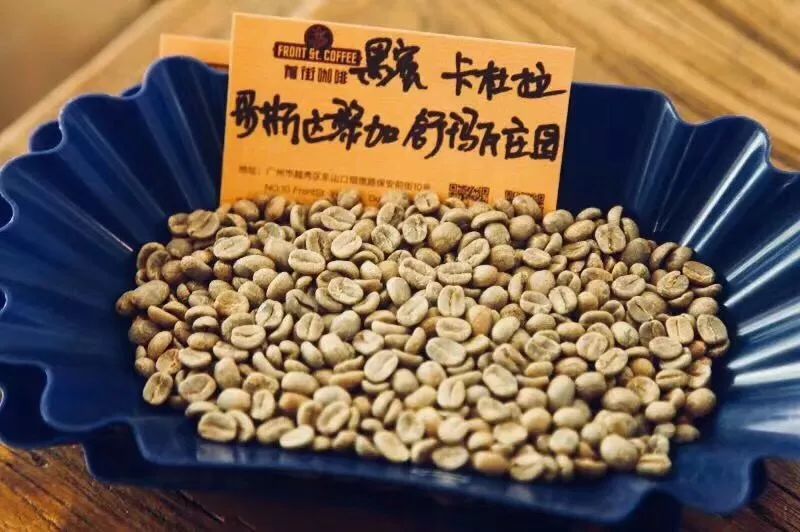
For example, this FrontStreet Coffee Costa Rica Black Honey Caturra comes from Sumava Estate, where owner Francisco Men preserves most of the original forest within the plantation to maintain ecological balance, yielding beans with rich fruity aroma and high sweetness. Brewed in a V60 with 15g of beans at a 1:15 ratio, sugar-sized grind, to 225g total — 37g of water for a 30-second bloom, a medium flow pouring 120g in the first stage to draw out the early and mid-stage floral and berry aromas, then a generous flow in the second stage for the strong tea-like flavors — the cup shows distinct tomato acidity and soft berry acidity, with bright, delicate citrus aromas, a low-key raisin and nutty finish, and strong sweetness.

As the coffee market chases ever more extreme flavors, experienced and capable producers have begun fine-tuning every detail of honey processing to raise bean quality and explore the full range of coffee flavors — using instruments like Brix meters, for instance, to pinpoint the optimal harvest time. Coffee from uniformly ripe cherries tastes cleaner, sweeter red cherries raise the cup's sweetness, and riper fruit adds fermentation aromas.
Honey processing keeps the cleanliness of washed coffee — though not quite its brightness — while adding sweetness and caramel notes.

Summary of Raw Bean Processing Characteristics
Finally, let's line up the characteristics of the raw-bean processing methods:
Acidity: Washed > Semi-washed > Honey Process > Wet-hulling > Natural
Sweetness: Natural > Honey Process > Wet-hulling > Semi-washed > Washed
Production Risk: Wet-hulling / Natural > Washed / Honey Process > Semi-washed
Equipment Cost: Washed / Semi-washed > Honey Process / Wet-hulling > Natural
Water Usage: Washed > Semi-washed > Honey Process / Wet-hulling
FrontStreet Coffee Recommendation
As the world's largest coffee producer, Brazil grows an enormous range of coffees, and Brazilian beans are known for moderate acidity with an exceptionally well-judged balance of sweetness, bitterness, and body — which makes them a natural fit for medium roasting. The roast unlocks an up-front nutty fragrance and a mellow, smooth cup with a faint acidity, whether brewed as a single origin or folded into a blend.
Brazil's low acidity, balanced cup, and approachable price have also made its beans the backbone of many espresso blend formulas. FrontStreet's crema-rich Classic Blend, the nut-forward Signature Blend, the well-balanced Black Cocoa Blend recommended by many baristas, and the shop-oriented Commercial Blend all contain Brazilian beans. Including Brazil brings chocolate and cream aromatics, a soft interplay of sweet, sour, and bitter, and an even-toned profile that keeps extraction stable.
If you simply want a first taste of Brazil, start with FrontStreet's pulped natural Cerrado — a classic Brazilian single origin from Cerrado, one of the country's best-known regions for quality coffee. This Red Bourbon lot, at a medium roast, shows rich aromas of creamy peanut, toasted bread, caramel, and hazelnut, with a rounded mouthfeel, no acidity, and only a light bitterness — and it works far beyond pour-over, in a moka pot, as an espresso SOE, in a siphon, or in a French press.
For something rarer, FrontStreet's Queen Estate comes from Mogiana near South Minas, where fertile red volcanic soil feeds the cherries and helps them build full, generous aroma; the farms there blend traditional operations with modern, standardized management, and quality has improved enormously as a result. The rare Yellow Bourbon — a natural mutation of Red Bourbon with a cleaner fruit character — delivers a sugarcane sweetness you won't find in other origins, alongside fruity and chocolate notes, whether you brew it as pour-over, moka pot, or home espresso.
Important Notice :
FrontStreet Coffee is a long-established specialty coffee roaster in Guangzhou China, selling freshly roasted beans from its own farm in Yunnan as well as dozens of carefully selected single-origin beans from around the world for both pour-over and espresso. The products deliver consistently excellent quality and great value, with shipping within 24 hours. Guangzhou's FrontStreet Coffee shop is recommended by many coffee lovers, and the beans are now available online at the Tmall 。
FrontStreet Coffee has moved to a new address:
FrontStreet Coffee Address: 315,Donghua East Road,GuangZhou
Tel:020 38364473
 Scan and follow the En Gafei WeChat official account. Please indicate that the reprint comes from "En Gafei".